Are you struggling to keep your cat from unwanted behaviors? You might have heard about shock collars as a quick fix.
But do shock collars really work on cats? Before you decide, it’s important to understand how these devices affect your furry friend. This article will reveal the truth about shock collars and help you make the best choice for your cat’s well-being.
Keep reading to discover what you need to know to protect your pet and maintain a happy home.
How Shock Collars Operate
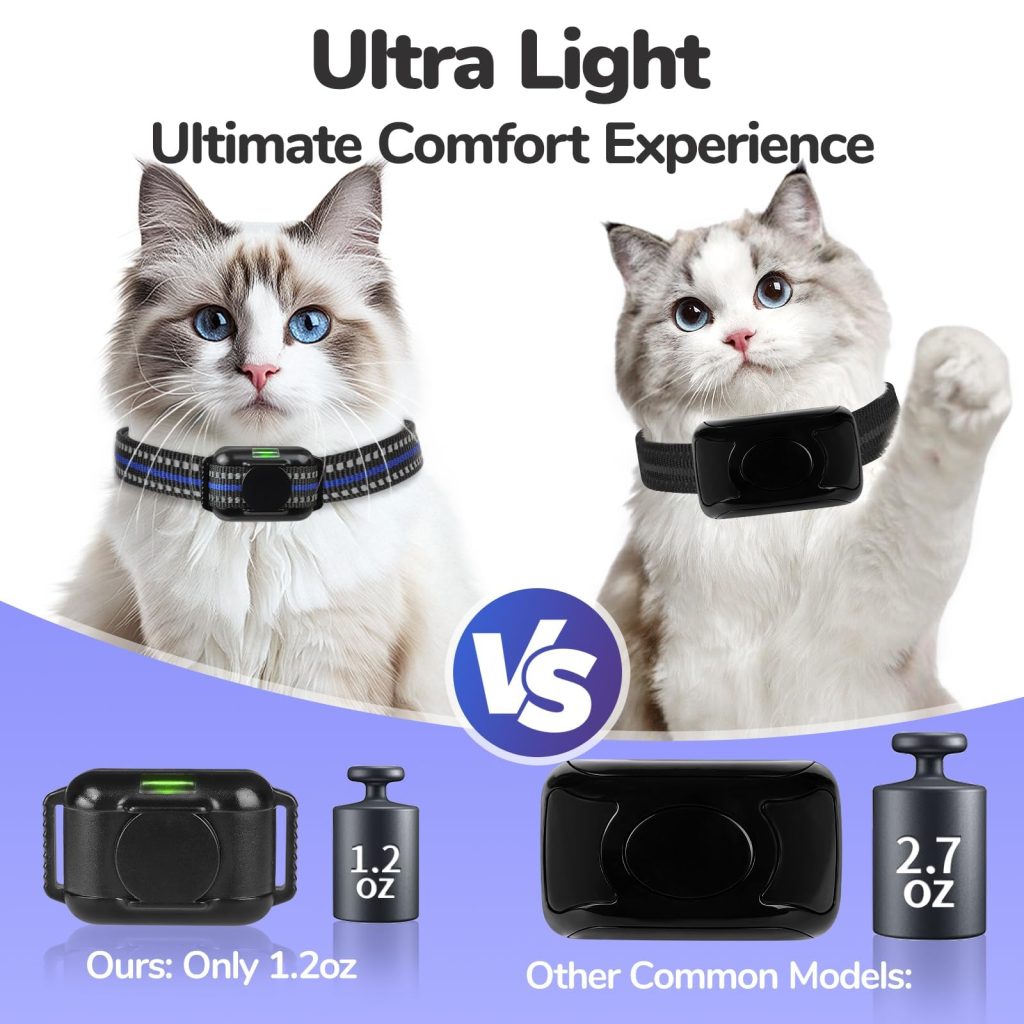
Shock collars deliver a mild electric stimulus to pets. They aim to correct unwanted behavior.
Understanding how these collars work can help pet owners decide if they suit their needs.
Mechanism Behind Shock Collars
Shock collars use small electric pulses to get an animal’s attention. The collar has electrodes that touch the pet’s neck.
When the collar is activated, it sends a quick electric shock. This shock is not harmful but feels uncomfortable.
The goal is to stop bad habits by associating the shock with unwanted behavior. For example, barking or scratching.
Types Of Shock Collars Available
There are several kinds of shock collars. Each type works a bit differently to train pets.
- Static Shock Collars:Deliver a set level of shock when activated.
- Adjustable Shock Collars:Allow owners to set the shock intensity.
- Vibration Shock Collars:Combine vibration with shock to alert pets.
- Remote-Controlled Shock Collars:Use a remote to deliver shocks on command.
| Type | Description | Common Use |
| Static | Fixed shock level | Basic behavior correction |
| Adjustable | Variable shock intensity | Customized training |
| Vibration | Shock plus vibration alert | Gentle warnings |
| Remote-Controlled | Shock triggered by remote | Immediate correction |

Credit: www.walmart.ca
Shock Collars And Cats: Compatibility
Shock collars are common for dog training, but their use on cats is debated. Understanding if shock collars work on cats needs looking at their nature and responses.
This article explores how cats differ from dogs and how cats react to shock collars.
Differences Between Cats And Dogs
Cats and dogs have different body types, senses, and social behaviors. These differences affect how they respond to training tools like shock collars.
| Trait | Dogs | Cats |
| Social Behavior | Pack animals, social | Independent, solitary hunters |
| Sensitivity to Stimuli | Moderate | High |
| Training Response | Respond well to commands | Less responsive to commands |
| Communication | Bark, body language | Meow, purr, body language |
Behavioral Responses Of Cats
Cats react differently to shock collars compared to dogs. Their behavior shows signs of stress and fear rather than learning.
- Cats may hide or avoid people after shock use.
- They can show aggression or anxiety.
- Shock can cause a breakdown of trust.
- Positive reinforcement works better for cats.
- Shock collars do not teach desired behavior effectively.
Effectiveness Of Shock Collars On Cats
Shock collars are devices designed to deliver a small electric shock. They aim to change pet behavior by creating discomfort. People use them mostly on dogs, but some try them on cats.
Using shock collars on cats is different from dogs. Cats react differently to training and discomfort. This makes the shock collar’s effectiveness on cats uncertain.
Behavioral Changes Observed
Cats may show various behaviors when using shock collars. Some cats become more fearful or anxious. Others might stop unwanted actions, but stress can increase.
Shock collars can cause cats to avoid the area or person causing the shock. This may look like training success but can harm the cat’s trust. Positive behaviors may not increase.
- Increased anxiety or fearfulness
- Avoidance of specific places or people
- Temporary stopping of bad behavior
- Reduced social interaction
Limitations In Training Cats
Cats do not respond well to punishment-based training. They learn better with rewards and gentle guidance. Shock collars may not teach cats what to do instead.
Shock collars risk causing stress and damage to the cat’s well-being. Many cats may ignore the shock or become confused. Training cats requires patience and positive methods.
- Cats need positive reinforcement to learn
- Shock collars may cause fear, not learning
- Stress can worsen cat behavior
- Training takes time and patience
Potential Risks And Concerns
Shock collars for cats can cause several risks that owners should know. These risks affect cats’ health and mood.
Understanding these risks helps in making safe choices for cat care and training.
Physical Health Risks
Shock collars may cause pain and skin damage on cats. The electric shocks can harm their sensitive skin.
- Burns and blisters on the neck
- Muscle spasms or twitching
- Increased heart rate and stress
- Potential for injury if the cat reacts suddenly
Emotional And Psychological Impact
Shock collars can cause fear and anxiety in cats. They may lose trust in their owners.
| Emotional Effects | Signs in Cats |
|---|---|
| Fear | Hiding, trembling |
| Anxiety | Excessive grooming, pacing |
| Stress | Loss of appetite, aggression |
| Confusion | Not responding to commands |
Alternatives To Shock Collars
Shock collars are not the best choice for training cats. They can cause fear and stress. Many safer and kinder options exist.
Using gentle methods helps build trust with your cat. Training becomes more effective and enjoyable for both of you.
Positive Reinforcement Techniques
Positive reinforcement rewards good behavior instead of punishing bad actions. It encourages cats to repeat desired actions.
Use treats, praise, or playtime to reward your cat. This approach helps cats learn faster and feel safe.
- Give treats when your cat follows a command
- Use a gentle voice to praise good behavior
- Offer playtime as a reward
- Be patient and consistent with rewards
Safe Training Tools For Cats
There are many safe tools to help train cats without causing harm. These tools support positive learning and reduce stress.
Clicker trainers, target sticks, and soft harnesses are good choices. They help guide your cat gently during training sessions.
- Clicker trainers make a sound to mark good behavior
- Target sticks help cats learn to touch or follow
- Soft harnesses allow safe outdoor exploration
- Toys encourage exercise and focus during training
Expert Opinions And Studies
Shock collars for cats are a controversial training tool. Experts and studies give different views on their use and effects.
This section covers what veterinarians say and what research shows about training cats with shock collars.
Veterinary Perspectives
Many veterinarians warn against using shock collars on cats. They say the devices can cause fear and stress.
Experts recommend positive reinforcement methods instead. These methods help cats learn without pain or fear.
- Shock collars may harm the cat’s trust in its owner.
- They can cause anxiety and aggressive behavior.
- Positive training improves behavior and strengthens bonds.
Research Findings On Cat Training
Studies show shock collars often cause stress signals in cats. This includes hiding, trembling, or refusing to eat.
Research supports reward-based training as more effective. Cats learn faster and show less fear with treats or praise.
- Shock collars cause physical and emotional stress.
- Positive reinforcement encourages good behavior safely.
- Training with rewards improves long-term results.
Guidelines For Responsible Training
Training cats requires patience and care. Using shock collars can harm your cat if not done right.
It is important to understand your cat’s behavior and choose safe training methods.
Recognizing Cat Behavior Signals
Cats show how they feel by their body and sounds. Learning these signals helps avoid stress.
Watch for signs like tail position, ear movement, and vocal sounds to know your cat’s mood.
- Tail up means happy or confident
- Flattened ears show fear or anger
- Hissing or growling means your cat feels threatened
- Slow blinking shows trust and calm
- Hiding or avoiding can mean stress or discomfort
Choosing The Right Training Approach
Positive training works best for cats. Use treats and praise to encourage good behavior.
Shock collars may cause fear and pain. They are not recommended for cat training.
- Use gentle rewards like treats or petting
- Keep training sessions short and calm
- Be patient and consistent with commands
- Avoid punishment that causes fear or pain
- Consult a vet or trainer for safe methods

Credit: www.amazon.com
Credit: www.dvm360.com
Frequently Asked Questions
Do Shock Collars Effectively Train Cats?
Shock collars can deter some unwanted cat behaviors. However, cats are less responsive than dogs. Positive reinforcement is often more effective and humane for training cats.
Are Shock Collars Safe For Cats To Use?
Shock collars can cause stress and fear in cats. They may lead to anxiety or aggressive behavior. Consult a veterinarian before considering shock collars for your cat.
What Alternatives Exist To Shock Collars For Cats?
Positive reinforcement training uses treats and praise to encourage good behavior. Environmental enrichment and redirection are safer, kinder methods to manage cat behavior.
Can Shock Collars Harm A Cat’s Health?
Improper use of shock collars can cause physical pain and emotional distress. They may lead to long-term behavioral issues. Always prioritize gentle training approaches.
Conclusion
Deciding on shock collars for cats requires careful thought. They might cause stress. Cats have unique behaviors and needs. Training methods like positive reinforcement can be better. Safety and well-being should always come first. Understand your cat’s personality. Research different training techniques.
Consult a vet or a professional trainer. They offer guidance tailored to your cat. Consider long-term effects on your pet’s health. Always aim for a happy and balanced relationship. Your cat deserves a loving and respectful environment. Choose wisely for their well-being.