Are you struggling to train your cat or stop unwanted behaviors? You might have heard about shock collars and wondered if they actually work on cats.
It’s natural to want a quick solution, but before you try one, it’s important to understand how these collars affect your furry friend. You’ll discover what shock collars do, whether they are safe and effective for cats, and what alternatives you should consider.
Keep reading to make the best choice for your cat’s well-being and your peace of mind.
How Shock Collars Function
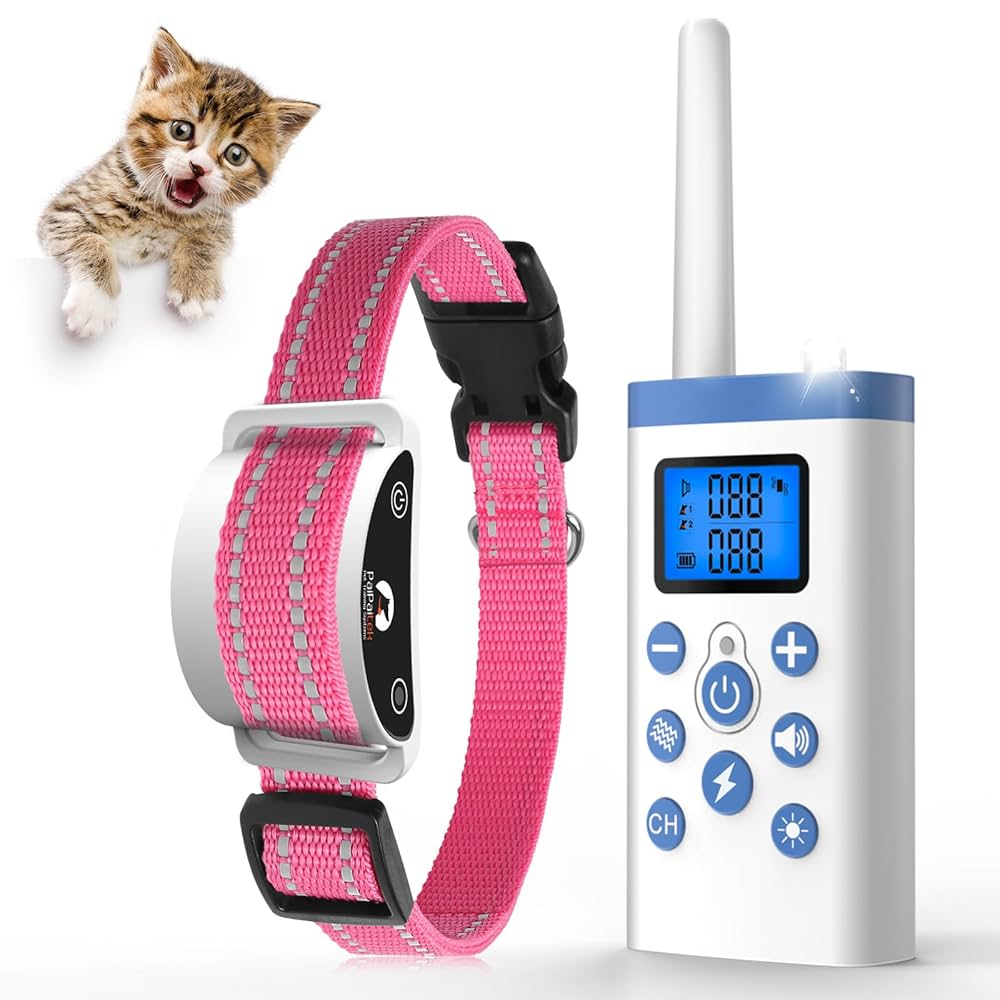
Shock collars are devices used to train animals by delivering electric pulses. They send signals to the collar worn by the pet. This helps to get the pet’s attention or stop unwanted behavior.
Understanding how these collars work is important before using them on cats. Let’s explore the basic mechanism, types, and intensity levels.
Basic Mechanism
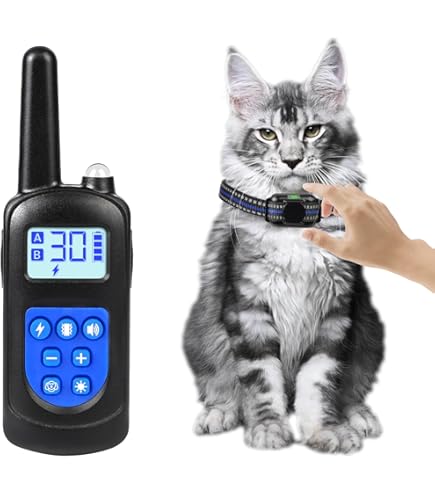
Shock collars have a transmitter and a receiver. The owner uses the transmitter to send a signal. The receiver on the collar picks up the signal. Then, it delivers a small electric shock to the cat’s neck. This shock is meant to discourage bad behavior.
Types Of Shock Collars
- Static Shock Collars:Deliver a fixed electric shock when activated.
- Vibration Collars:Use vibration instead of shock to alert the cat.
- Spray Collars:Release a harmless spray as a warning signal.
- Remote-Controlled Collars:Allow the owner to control the shock level from a distance.
Intensity Levels
| Level | Shock Strength | Description |
| 1 | Low | Mild sensation, mostly a warning |
| 2 | Medium | Noticeable shock, used for correction |
| 3 | High | Strong shock, for serious behavior issues |
| 4 | Maximum | Very strong shock, use with caution |
Cats And Shock Collars
Shock collars are devices that deliver a small electric pulse to animals. They are often used for training dogs. Some people wonder if shock collars work on cats too.
Cats behave differently than dogs. Their reactions to shock collars may not be the same. It is important to understand these differences before using such devices.
Cat Behavior Differences
Cats are more independent and sensitive than dogs. They do not respond well to harsh training methods. Cats often avoid situations that cause pain or fear.
Unlike dogs, cats rarely seek to please their owners. They learn better with positive reinforcement. This makes shock collars less suitable for training cats.
Effectiveness On Cats
Shock collars may cause cats to stop unwanted behavior. But this is usually due to fear, not understanding. Cats can become stressed or confused by the shock.
Many experts agree that shock collars are not very effective for cats. Positive training methods work better. Cats learn best when they feel safe and rewarded.
Potential Risks
Shock collars can harm cats physically and emotionally. The shock can cause pain, anxiety, or aggression. Cats may hide or avoid their owners after being shocked.
- Physical injury to the skin or nerves
- Increased stress and fear
- Damage to the bond with the owner
- Unpredictable aggressive behavior
Alternatives To Shock Collars
Many cat owners seek gentle ways to train their pets without causing fear or pain. Shock collars can harm cats and may not be effective long-term. There are safer methods that build trust and encourage good behavior.
This article explores three popular alternatives to shock collars. These methods focus on kindness and understanding your cat’s needs.
Positive Reinforcement
Positive reinforcement means rewarding your cat for good behavior. This helps your cat learn what you want without fear. You can use treats, petting, or praise to encourage good actions.
- Give treats immediately after desired behavior
- Use a calm voice to praise your cat
- Offer gentle petting as a reward
- Be consistent with rewards to build habits
- Avoid punishment or yelling
Clicker Training
Clicker training uses a small sound device to mark good behavior. The cat learns to associate the click with a reward. This method is clear and easy for cats to understand.
| Step | Action | Purpose |
| 1 | Click the device when cat performs desired action | Mark the behavior |
| 2 | Immediately give a treat | Reward the cat |
| 3 | Repeat to reinforce learning | Build habit |
Environmental Adjustments
Changing your cat’s environment can reduce unwanted behaviors. Cats act out when bored, stressed, or uncomfortable. Simple changes can make your cat happier and calmer.
- Add scratching posts and toys
- Provide cozy resting spots
- Keep feeding areas clean and quiet
- Use pheromone diffusers to reduce stress
- Limit loud noises and sudden movements
Credit: us.amazon.com
Expert Opinions And Research
Shock collars are used to train dogs, but some wonder if they work on cats.
This article shares expert views and studies about shock collars on cats.
Veterinarian Insights
Many veterinarians warn against using shock collars on cats. Cats have sensitive skin and nerves.
- Shock collars can cause stress and fear in cats.
- Cats may hide or avoid their owners after shocks.
- Positive reinforcement is safer and more effective.
Scientific Studies
Few studies focus on shock collars for cats. Most research is on dogs.
| Study | Findings |
| 2015 Cat Behavior Study | Shock collars caused anxiety and aggression. |
| 2018 Training Methods Review | Positive training had better results than shocks. |
| 2020 Pet Stress Research | Shock devices raised stress hormone levels in cats. |
Animal Welfare Organizations
Many animal groups oppose shock collars for cats.
Common reasons include:
- They cause pain and fear.
- They can harm the cat’s trust in humans.
- Better training tools exist.
Legal And Ethical Considerations
Shock collars are devices used to train pets by delivering an electric stimulus. Many people wonder if shock collars work on cats and if it is right to use them. Understanding the legal rules and ethics is important before trying this method.
This section talks about the laws about shock collars, ethical concerns, and safe ways to train cats without harm.
Laws Regarding Shock Collars
Different countries and states have rules about shock collars. Some places ban or limit their use on pets. These laws protect animals from pain and abuse.
Before using a shock collar on your cat, check your local laws. Using them where they are banned can lead to fines or legal trouble.
- Shock collars are banned in some parts of Europe.
- Many U.S. states have no specific laws on shock collars.
- Animal welfare laws may cover shock collar use.
- Some countries require training by certified professionals.
Ethical Concerns
Using shock collars on cats raises ethical questions. Cats are sensitive animals and can get scared or hurt. Many experts say it can cause stress or fear in cats.
Training should focus on kindness and understanding. Shock collars may harm the bond between you and your cat.
- Shock collars may cause pain and anxiety.
- Cats may not understand why they are shocked.
- Positive reinforcement works better for cats.
- Ethical training avoids fear and punishment.
Safe Training Practices
Safe training uses rewards and patience. You can teach cats good behavior without shock collars. Use treats, toys, and praise to guide your cat.
If you try new tools, watch your cat closely. Stop if your cat shows fear or discomfort. Always choose methods that keep your cat happy and safe.
- Use treats to reward good behavior.
- Train in short, calm sessions.
- Avoid punishment or fear-based methods.
- Consult a vet or trainer for advice.

Credit: www.amazon.com
Tips For Training Cats Safely
Training cats requires patience and care. Shock collars often cause stress and fear in cats.
Use gentle methods to teach your cat good behavior. This helps build a strong bond.
Building Trust
Start by creating a calm environment. Let your cat explore and get used to you slowly.
Speak softly and avoid sudden movements. This makes your cat feel safe and relaxed.
Consistent Commands
Use the same words for commands every time. This helps your cat understand what you want.
- Choose simple words like “sit” or “stay.”
- Say the command clearly and calmly.
- Repeat commands during training sessions.
- Be patient and do not raise your voice.
- End sessions on a positive note.
Using Treats And Rewards
Treats motivate cats to learn new behaviors. Use small, tasty snacks your cat likes.
| Reward Type | When to Use | Benefits |
|---|---|---|
| Food Treats | After correct behavior | Encourages learning and focus |
| Praise and Petting | Along with treats | Builds emotional connection |
| Playtime | After training session | Relieves stress and adds fun |

Credit: www.walmart.ca
Frequently Asked Questions
Do Shock Collars Effectively Train Cats?
Shock collars may deter unwanted behavior but are often ineffective and stressful for cats. Positive reinforcement is a safer, kinder training method.
Are Shock Collars Safe For Cats?
Shock collars can cause fear, anxiety, and physical harm to cats. They are generally not recommended by veterinarians or animal behaviorists.
What Alternatives Exist To Shock Collars For Cats?
Use treats, clicker training, and environmental enrichment to train cats. These methods encourage good behavior without causing pain or fear.
Can Shock Collars Harm A Cat’s Health?
Yes, shock collars can cause stress, skin burns, and behavioral issues. Prolonged use may lead to long-term psychological problems in cats.
Conclusion
Shock collars might not be ideal for cats. Cats have unique behaviors. Using shock collars could cause stress. Consider gentle methods for training. Explore alternatives like positive reinforcement. Understand your cat’s needs first. Always prioritize their well-being. A calm and happy cat is best.
Training takes patience and care. Make informed choices for your pet. Research different methods thoroughly. Consult a vet for guidance. Your cat’s safety matters. Choose wisely for their happiness.