
Is your cat scratching the furniture, knocking things over, or waking you up at odd hours? These bad behaviors can be frustrating and exhausting.
But what if you could gently guide your furry friend to better habits without stress or punishment? You’ll discover simple, effective ways to discourage unwanted cat behavior and create a happier home for both of you. Keep reading—you’re just a few steps away from turning those annoying habits into positive ones.
Credit: justcatsclinic.com
Common Bad Behaviors In Cats
Cats sometimes show behaviors that can be hard for owners. These actions can cause damage or stress in the home. Understanding these behaviors helps in managing them well.
Here are common bad behaviors in cats and ways to recognize them. Each section explains what to watch for and why it happens.
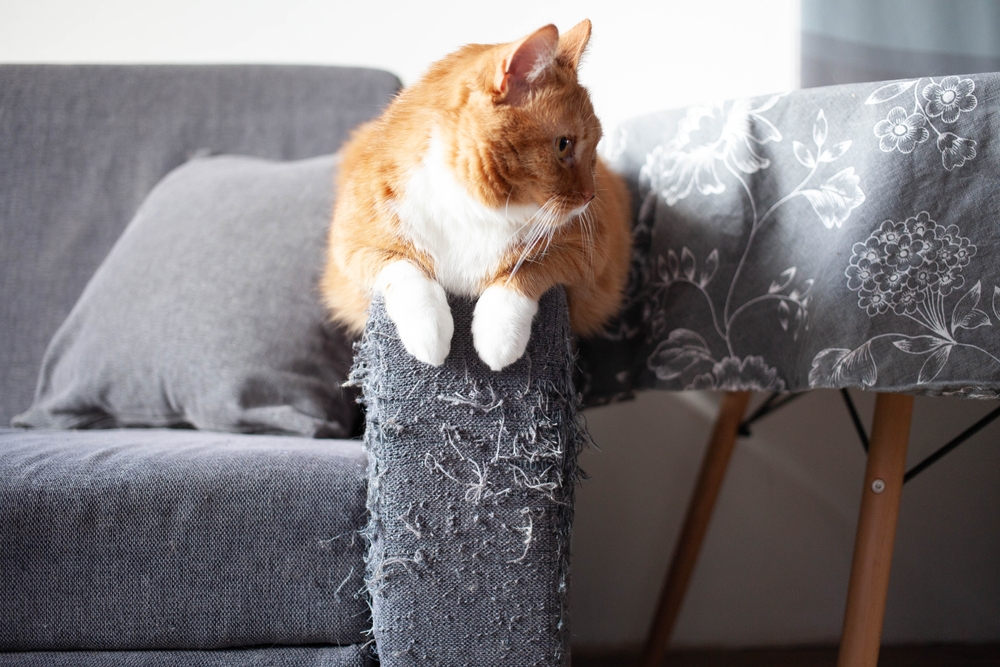
Scratching Furniture
Scratching is natural for cats. It helps them mark territory and keep claws sharp. But when cats scratch furniture, it can ruin your things.
- Provide scratching posts or pads.
- Use cat-safe deterrent sprays on furniture.
- Trim your cat’s nails regularly.
- Reward your cat for using scratch posts.
Aggression And Biting
Some cats bite or show aggression out of fear or pain. They may also bite during play if not taught properly. This behavior can harm people and other pets.
Watch for signs like growling, flattened ears, or sudden attacks. Avoid rough play and give your cat space when it is upset.
Litter Box Issues
Cats may stop using the litter box for many reasons. It can be a health problem, stress, or a dirty box. This issue can create odors and messes around your home.
| Common Causes | Solutions |
| Dirty litter box | Clean box daily |
| Medical issues | Visit a vet |
| Stress or change | Keep routine calm |
| Litter preference | Try different litter types |
Excessive Meowing
Cats meow to communicate. Too much meowing can signal hunger, boredom, or pain. Some cats meow at night or when they want attention.
To reduce meowing:
- Feed your cat on a schedule.
- Play with your cat daily.
- Check for health problems if meowing is new.
- Ignore meowing for attention to avoid reward.

Credit: animals.howstuffworks.com
Reasons Behind Bad Behavior
Cats sometimes show bad behavior that can be confusing. Understanding why this happens helps you fix it.
Many reasons cause bad behavior in cats. These include stress, boredom, health, and instincts.
Stress And Anxiety
Cats feel stress from changes in their home or routine. This can make them act out or hide.
Common stress causes are loud noises, new pets, or moving to a new place. Anxiety can lead to scratching or biting.
- Loud sounds like fireworks or thunder
- New animals or people in the house
- Changes in daily schedule
- Loss of a loved one or family member
Lack Of Stimulation
Cats need toys and playtime to stay happy. Without enough activity, they get bored and act badly.
Bored cats may scratch furniture or meow loudly. They want attention or a way to use their energy.
- Not enough toys to play with
- Little interaction with people
- No chance to climb or explore
- Long periods alone
Health Problems
Some bad behaviors come from pain or illness. Cats may hide or become aggressive if sick.
Common health issues include dental pain, infections, or arthritis. These can change how cats act.
- Dental problems causing discomfort
- Urinary tract infections
- Arthritis or joint pain
- Parasites or skin irritations
Territorial Instincts
Cats mark their territory to feel safe. This can cause scratching or spraying in the house.
New cats or animals nearby can trigger territorial behavior. Cats want to protect their space.
- Marking territory with urine
- Scratching furniture to leave scent
- Chasing other animals outside
- Defending favorite resting spots
Preventive Strategies
Stopping bad cat behavior starts with good habits. Preventive strategies help your cat stay happy and calm.
Use simple steps to keep your cat busy and safe. This lowers chances of unwanted actions.
Providing Proper Toys
Give your cat toys that match its energy and interests. Toys keep cats active and stop boredom.
- Use wand toys for chasing and jumping
- Offer puzzle feeders to challenge their mind
- Rotate toys weekly to keep interest
- Choose safe, non-toxic materials
Creating A Safe Environment
Make your home a calm place for your cat. A safe space reduces stress and bad behavior.
| Area | Tips for Safety |
|---|---|
| Windows | Secure screens to prevent falls |
| Electrical cords | Hide or cover cords to avoid chewing |
| Plants | Remove toxic plants like lilies and poinsettias |
| Sharp objects | Keep knives and tools out of reach |
Regular Vet Checkups
Take your cat to the vet often. Health problems can cause bad behavior.
- Schedule yearly exams for all cats
- Watch for signs of pain or illness
- Keep vaccinations up to date
- Ask the vet about behavior concerns
Establishing Routines
Cats feel safe with set routines. Feeding, playing, and sleeping at regular times helps.
- Feed meals at the same times daily
- Play with your cat every day
- Keep litter box clean and in the same spot
- Provide quiet time for rest
Training Techniques
Training cats to stop bad behavior takes patience and the right approach. Using gentle methods helps your cat learn without stress.
This guide covers positive reinforcement, redirecting attention, safe deterrents, and the need for consistency.
Positive Reinforcement
Reward your cat when it behaves well. This teaches your cat what you expect.
- Give treats for good behavior
- Use praise and gentle petting
- Offer toys as rewards
- Be quick to reward right after good acts
Redirecting Attention
When your cat acts badly, guide it to a better activity. This helps break bad habits.
- Distract your cat with a toy
- Offer a scratching post instead of furniture
- Move the cat away from forbidden areas
- Keep your cat busy with playtime
Using Deterrents Safely
Use safe tools to discourage bad behavior. Avoid harmful methods that scare or hurt your cat.
| Deterrent | How to Use | Safety Tips |
| Double-sided tape | Place on furniture edges | Remove if sticky gets too strong |
| Aluminum foil | Cover areas to avoid | Remove after training period |
| Noise makers | Use short bursts of sound | Do not shout or scare |
Consistency In Commands
Use the same words and actions every time. This helps your cat understand what you want.
- Pick simple command words
- Use the commands every time you train
- Make sure all family members use the same commands
- Be patient and repeat often
Managing Specific Issues
Bad behaviors in cats can be hard to handle. Each problem needs a clear way to solve it.
Understanding the reasons behind your cat’s actions helps you guide them to better habits.
Stopping Scratching Behavior
Cats scratch to mark territory and keep claws sharp. Stopping this needs redirection.
Provide scratching posts near places your cat likes. Use treats to encourage use.
- Trim your cat’s nails regularly
- Use double-sided tape on furniture
- Place scratching posts in several rooms
- Reward your cat when it uses the post
Reducing Aggression
Aggression can be fear or stress. Stay calm and avoid sudden moves near your cat.
Give your cat space and quiet time. Use toys to distract and play gently together.
- Do not punish aggressive behavior
- Provide hiding spots for comfort
- Keep a regular feeding and play schedule
- Consult a vet if aggression continues
Improving Litter Habits
Cats may avoid the litter box if it is dirty or in a noisy spot. Keep it clean daily.
Place the box in a quiet, easy-to-reach area. Use unscented litter to avoid irritation.
- Use one litter box per cat plus one extra
- Clean the box at least once a day
- Try different types of litter to find preference
- Check for health problems if issues persist
Calming Excessive Vocalization
Cats meow to get attention or express needs. Ignore loud meows that seek extra attention.
Give your cat attention at calm times. Use toys and play to reduce boredom and stress.
- Do not respond to meowing with food or treats
- Keep a daily routine for feeding and play
- Provide mental stimulation with puzzle toys
- Visit the vet if vocalizing is new or sudden
Credit: pethelpful.com
When To Seek Professional Help
Sometimes, cats act out in ways that are hard to fix on your own. If bad behaviors continue or get worse, it may be time to get help.
Knowing when to ask for professional help can save your cat stress and keep your home calm. Here are key points to consider.
Behavioral Therapy Options
Behavioral therapy helps change your cat’s actions through training and environment changes. A professional can guide you in choosing the right methods.
- Positive reinforcement to reward good behavior
- Desensitization to reduce fear triggers
- Redirecting attention to toys or activities
- Setting up safe spaces for your cat
Medication Considerations
Sometimes medication can ease anxiety or aggression in cats. A vet can decide if this is a good option for your pet.
| Type of Medication | Purpose | Notes |
| Anti-anxiety | Reduce stress | Short-term use |
| Antidepressants | Balance mood | Requires vet supervision |
| Hormone Therapy | Calm aggression | Used in specific cases |
Choosing A Cat Behaviorist
Finding the right behaviorist helps ensure your cat gets the best care. Look for someone with experience and good reviews.
- Check credentials and training
- Ask for references from other pet owners
- Confirm they use gentle, reward-based methods
- Discuss your cat’s specific issues before starting
Frequently Asked Questions
How Can I Stop My Cat From Scratching Furniture?
Provide scratching posts and use deterrents like double-sided tape. Trim your cat’s nails regularly and reward good scratching behavior to redirect their attention.
Why Does My Cat Exhibit Bad Behavior Suddenly?
Stress, changes in environment, or health issues often cause sudden bad behavior. Consult a vet to rule out medical problems and create a calm environment.
What Are Effective Ways To Discourage Biting In Cats?
Avoid rough play and use toys instead of hands. Redirect biting with a firm “no” and reward gentle behavior consistently.
How Do I Prevent My Cat From Jumping On Counters?
Make counters unappealing using scents cats dislike, such as citrus. Provide alternative elevated spaces and consistently remove rewards like food from counters.
Conclusion
Bad cat behavior can be managed with patience and understanding. Consistent training and positive reinforcement work wonders. Remember to provide toys and stimulation. Redirect their attention to acceptable behaviors. Your bond with your cat will grow stronger. Keep their environment enriching and safe.
This reduces stress and unwanted behavior. A happy cat is a well-behaved cat. Always be patient and gentle. Changes may take time, but they will come. Your efforts will lead to a harmonious home. Celebrate small victories along the way.
Enjoy the rewarding journey with your feline friend.