Are you tired of your cat scratching the furniture or knocking things off the table? You’re not alone.
Unwanted cat behavior can be frustrating and even stressful. But what if you could understand why your cat acts this way and learn simple, effective ways to guide them toward better habits? This article will show you exactly how to correct those pesky behaviors without losing the special bond you share with your furry friend.
Keep reading, and you’ll discover easy tips that work – making your home happier for both you and your cat.

Credit: www.catschool.co
Common Unwanted Cat Behaviors
Cats sometimes show behaviors that owners find hard to handle. These actions can damage homes or cause stress.
Understanding these behaviors helps in managing and correcting them safely.
Scratching Furniture
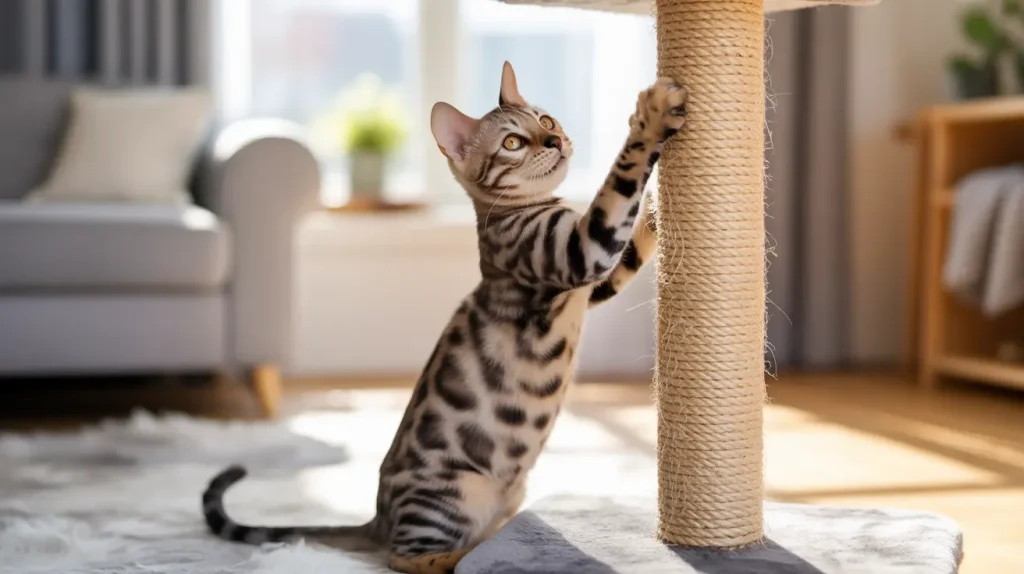
Cats scratch to mark territory and keep their claws sharp. Scratching furniture is a common problem for owners.
- Provide scratching posts near favorite spots.
- Use nail caps or trim claws regularly.
- Apply cat-safe deterrent sprays on furniture.
- Reward use of scratching posts with treats.
Litter Box Issues
Cats may avoid the litter box if it is dirty or in a noisy place. Medical problems can also cause issues.
| Problem | Possible Cause | Solution |
| Refusing litter box | Dirty box | Clean daily |
| Going outside box | Stress or illness | Vet check and calm space |
| Covering litter | Litter type dislike | Try different litter |
Aggression And Biting
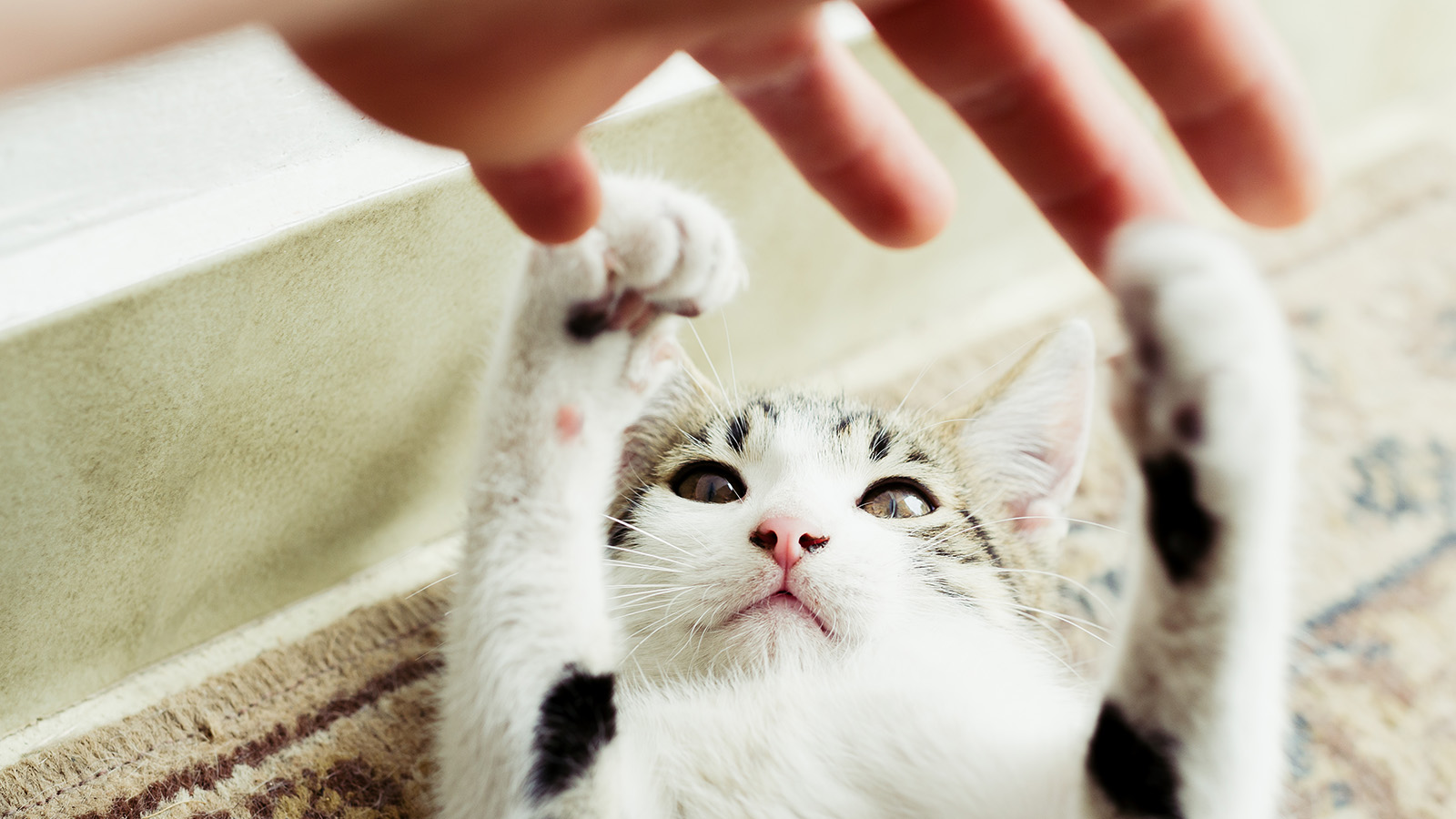
Aggression can come from fear or pain. Biting may happen during play or if the cat feels threatened.
- Learn your cat’s warning signs.
- Avoid sudden movements and loud noises.
- Use toys to play, not hands.
- Give your cat space to calm down.
Excessive Meowing
Some cats meow more when they want attention or feel lonely. Other causes include hunger or medical issues.
Ignore meowing for attention and reward quiet behavior. Check with a vet if meowing is sudden or loud.
Jumping On Counters
Cats jump on counters to explore or look for food. This can be unsafe and unwanted.
Try these tips to stop counter jumping:
- Keep counters clean of food and crumbs.
- Use double-sided tape or aluminum foil as a deterrent.
- Provide alternative high places like cat trees.
- Reward your cat when it uses allowed spots.
Credit: animals.howstuffworks.com
Reasons Behind Unwanted Actions
Cats sometimes show behavior that owners find difficult. Understanding the reasons helps fix these problems.
Unwanted actions can come from many causes. Knowing the root makes training easier.
Stress And Anxiety
Stress or anxiety can cause cats to act out. Changes in the home or loud noises may trigger this.
Signs include hiding, scratching furniture, or urinating outside the litter box.
Health Problems
Health issues can cause sudden behavior changes. Pain or illness may make cats irritable or restless.
Always check with a vet if your cat’s behavior changes quickly or without clear cause.
Lack Of Stimulation
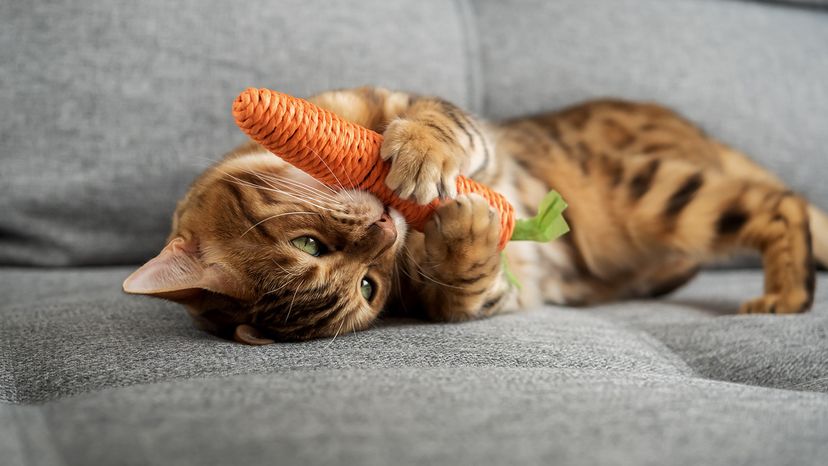
Bored cats may act out to get attention or release energy. They need toys and playtime every day.
- Provide interactive toys
- Schedule daily play sessions
- Offer scratching posts
- Rotate toys to keep interest
Territorial Instincts
Cats may mark areas to claim territory. This behavior is normal but can be unwanted indoors.
| Behavior | Reason |
|---|---|
| Spraying urine | Marking territory |
| Scratching furniture | Leaving scent marks |
| Staring at windows | Watching outside threats |
Improper Training
Cats need clear, consistent training. Without it, they may develop bad habits.
Use positive reinforcement and avoid punishment to teach good behavior.
Effective Behavior Correction Techniques
Correcting unwanted cat behavior takes patience and the right approach. Use gentle methods that teach your cat what you expect.
These techniques help build trust and reduce stress for your cat. Consistency is key in all correction methods.
Positive Reinforcement
Positive reinforcement means giving your cat a reward for good behavior. This encourages them to repeat that behavior.
Use treats, praise, or playtime right after the cat does something right. Avoid punishing bad behavior.
- Give a treat when your cat uses the scratching post
- Use gentle praise to show approval
- Offer playtime after good behavior
Redirecting Attention
Redirect your cat’s attention from unwanted behavior to a better activity. This helps change habits without stress.
Use toys or sounds to move their focus. For example, if your cat scratches furniture, guide them to the scratching post.
- Replace furniture scratching with a scratching post
- Use toys to distract from biting or jumping
- Call their name to shift attention
Using Deterrents
Deterrents help stop bad behavior by making the action unpleasant. Use safe options that do not harm your cat.
Try gentle sprays, noise makers, or texture changes to discourage unwanted actions like scratching or jumping on counters.
- Use citrus scents near areas to avoid
- Place double-sided tape on furniture
- Use a gentle noise like a shaker can
Consistent Routine
Cats feel safer with a steady routine. Feeding, playtime, and rest should happen at regular times.
Consistency reduces anxiety and helps prevent unwanted behavior caused by stress or boredom.
- Feed your cat at the same times daily
- Set regular play sessions
- Keep sleeping areas quiet and consistent
Safe Spaces For Cats
Provide safe spaces where your cat can relax and feel secure. This lowers stress and unwanted behavior.
Use cozy beds, quiet rooms, or high perches to give your cat a break from noise or activity.
- Place beds in quiet corners
- Offer high shelves or cat trees
- Keep litter boxes clean and private
Credit: animals.howstuffworks.com
Training Tools And Products
Correcting unwanted cat behavior takes patience and the right tools. Using proper training products helps guide your cat to better habits.
These tools make training easier for both you and your cat. They help reduce stress and encourage positive actions.
Scratch Posts And Pads
Scratch posts and pads provide cats a place to scratch safely. They help protect your furniture and walls from damage.
Choose posts with sturdy bases and rough surfaces. Place them near your cat’s favorite scratching spots.
- Vertical posts for cats who like to stretch
- Horizontal pads for cats who scratch flat surfaces
- Materials like sisal or cardboard attract cats to scratch
Interactive Toys
Interactive toys keep cats busy and reduce bad behavior. They offer mental and physical exercise to your cat.
Use toys that mimic hunting, like feather wands or laser pointers. Rotate toys often to keep your cat interested.
- Feather wands for chasing and pouncing
- Laser pointers for quick movement play
- Puzzle feeders to challenge your cat’s mind
Pheromone Diffusers
Pheromone diffusers release calming scents that help reduce stress. They can lower unwanted behaviors caused by anxiety.
Plug diffusers into a room where your cat spends time. Use them consistently for the best effect.
- Help calm cats during changes or stress
- Reduce scratching and marking behaviors
- Safe and odorless for humans and pets
Clicker Training
Clicker training uses a sound to mark good behavior. It helps your cat learn commands and new habits quickly.
Pair the click sound with treats to reward your cat. This method encourages your cat to repeat good actions.
- Use a small handheld clicker
- Click immediately when your cat behaves well
- Follow the click with a tasty treat
Litter Box Solutions
Proper litter boxes can prevent unwanted bathroom habits. Clean, accessible boxes encourage cats to use them regularly.
Try different box types and litter to find what your cat prefers. Keep boxes in quiet, private places.
- Use large enough boxes for your cat’s size
- Choose unscented, clumping litter
- Clean boxes daily to avoid odors
When To Consult A Veterinarian
Unwanted cat behaviors may signal health problems. Knowing when to seek veterinary help keeps your cat safe.
Some behavior changes need quick attention. A vet can find hidden illnesses causing these changes.
Behavior Linked To Illness
If your cat shows unusual behavior, it may be sick. Signs include hiding, loss of appetite, or excessive licking.
- Frequent scratching or biting at one spot
- Sudden urination outside the litter box
- Unusual vocal sounds or crying
- Changes in sleep patterns
Sudden Behavior Changes
Rapid changes in behavior can mean pain or illness. Watch for sudden fear, hiding, or aggression.
| Behavior Change | Possible Cause |
| Hiding more than usual | Infection or injury |
| Loss of appetite | Digestive problems |
| Increased aggression | Pain or stress |
| Excessive grooming | Skin issues or anxiety |
Persistent Aggression
Long-lasting aggression needs a vet’s check. It may hide pain or neurological problems.
- Growling or hissing without clear cause
- Sudden attacks on family members
- Aggression toward other pets
- Resistance to touch or handling
Lack Of Improvement
If behavior does not improve after training or environment changes, see a vet.
A veterinarian can:
- Diagnose health issues with tests
- Prescribe treatment or medication
- Recommend behavior therapy
- Guide long-term care
Tips For Long-term Success
Correcting unwanted cat behavior takes time and care. Patience helps your cat learn new habits. Consistency makes the training clear and effective.
These tips focus on long-term success. Use them to create a happy home for you and your cat.
Patience And Consistency
Be patient when your cat shows bad behavior. Avoid punishment; it may cause fear. Repeat training steps the same way every time. This helps your cat understand what you expect.
Regular Playtime
Daily playtime keeps your cat active and less bored. Use toys that mimic hunting to engage your cat’s natural instincts. Regular play reduces stress and unwanted actions.
- Set aside 15 minutes twice a day for play
- Use feather wands or laser pointers
- Let your cat catch the toy sometimes
- Rotate toys to keep interest high
- End play sessions calmly to avoid over-excitement
Environmental Enrichment
Make your home interesting for your cat. Add climbing trees, scratching posts, and hiding spots. A rich environment reduces bad behavior caused by boredom.
| Enrichment Item | Purpose |
| Scratching Post | Protects furniture and relieves stress |
| Cat Tree | Provides climbing and observation spots |
| Interactive Toys | Stimulate hunting instincts |
| Window Perch | Offers outside views and mental stimulation |
Monitoring Progress
Watch your cat’s behavior each day. Note what works and what does not. Adjust your approach based on these observations. Keep a simple chart to track changes.
Sample Progress Chart:
| Date | Behavior Noted | Action Taken | Result |
|---|---|---|---|
| April 1 | Scratches sofa | Redirect to post | Used post 3 times |
| April 5 | Jumps on counters | Remove treats from counters | Less jumping noticed |
| April 10 | Scratches sofa | Added new scratching post | No sofa scratches |
Building Trust
Trust helps your cat feel safe and calm. Speak softly and move slowly around your cat. Give treats and praise for good behavior. Avoid sudden actions that scare your cat.
Frequently Asked Questions
How Can I Stop My Cat From Scratching Furniture?
Provide a scratching post near furniture. Use catnip to attract your cat. Trim their nails regularly. Discourage scratching with double-sided tape or furniture covers.
Why Does My Cat Suddenly Bite Or Scratch Me?
Cats bite or scratch due to fear, pain, or overstimulation. Watch for warning signs. Give space and avoid rough play to prevent this behavior.
What Is The Best Way To Train A Cat?
Use positive reinforcement like treats and praise. Be consistent with commands. Avoid punishment, as it can cause fear and worsen behavior.
How Do I Discourage My Cat From Jumping On Counters?
Make counters unappealing by using aluminum foil or double-sided tape. Provide alternative high places like cat trees. Reward your cat for staying on approved surfaces.
Conclusion
Correcting unwanted cat behavior takes time and patience. Consistent methods work best. Reward good actions with treats or affection. Avoid punishment as it can cause stress. Understand your cat’s needs and environment. Make adjustments to improve their behavior. Consult a vet if problems persist.
Every cat is unique and may require different approaches. Build trust with your cat through understanding and love. This strengthens your bond and improves their behavior. Remember, patience is key. Small steps lead to big changes. Celebrate progress, no matter how small.