If your feline friend has ever had fleas, you know how frustrating and uncomfortable it can be for both of you. The constant scratching, the tiny pests jumping around, and the worry about your home being infested can be overwhelming.
You might have heard about cat flea collars and wondered if they could be the solution you need. But how do these collars actually work? Understanding the science and effectiveness behind flea collars can help you make the best decision for your pet’s health and your peace of mind.
Let’s unravel the mystery of how these collars can protect your cat from fleas and why they could be your next best investment in your pet’s well-being.
Credit: www.petsradar.com
How Flea Collars Target Fleas
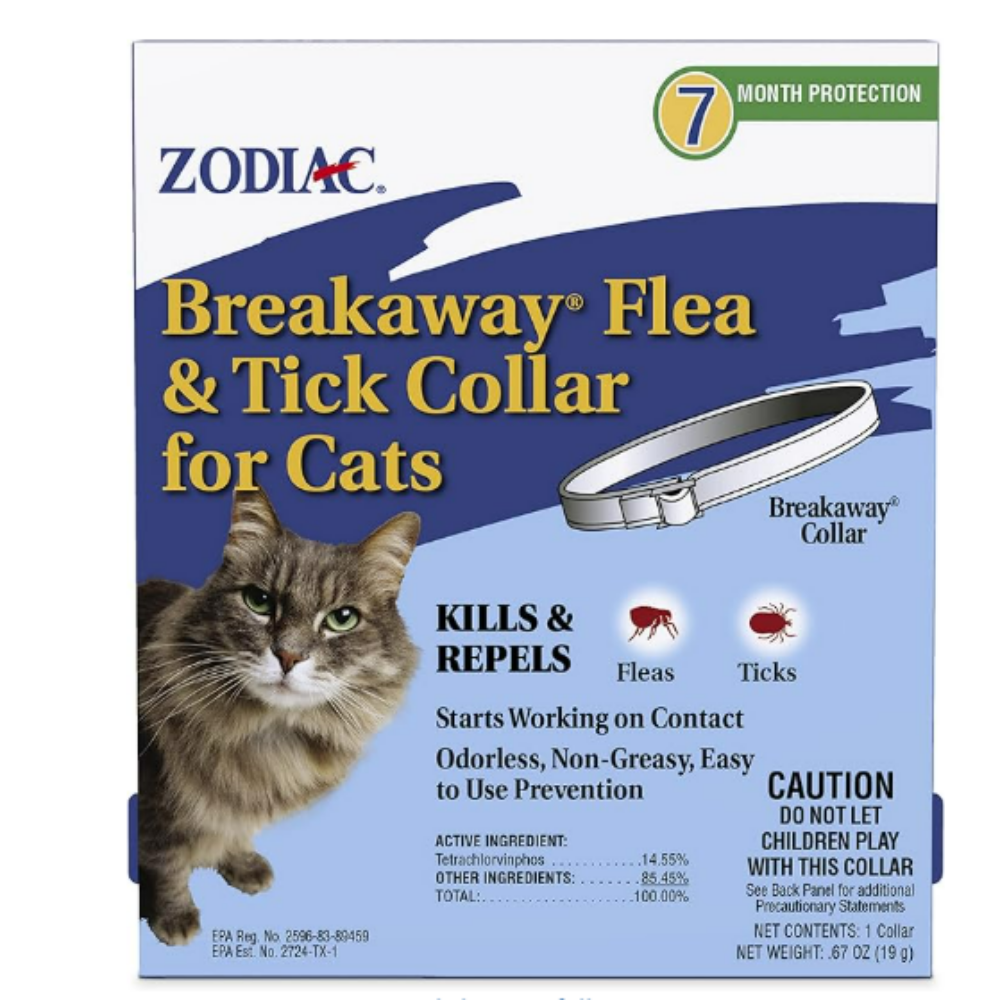
Flea collars protect cats by killing or repelling fleas. They release active ingredients that spread across the cat’s fur.
The ingredients attack fleas on contact or when fleas bite the cat. This helps stop fleas from causing irritation and spreading quickly.
Active Ingredients In Flea Collars
Flea collars contain chemicals that target fleas. Common ingredients include insecticides and repellents.
- Imidacloprid: Kills adult fleas quickly
- Flumethrin: Repels and kills ticks and fleas
- Permethrin: Affects flea nervous system
- Pyrethroids: Natural-like insecticides from chrysanthemum flowers
- Insect growth regulators (IGRs): Stop flea eggs and larvae from growing
Mechanism Of Action Against Fleas
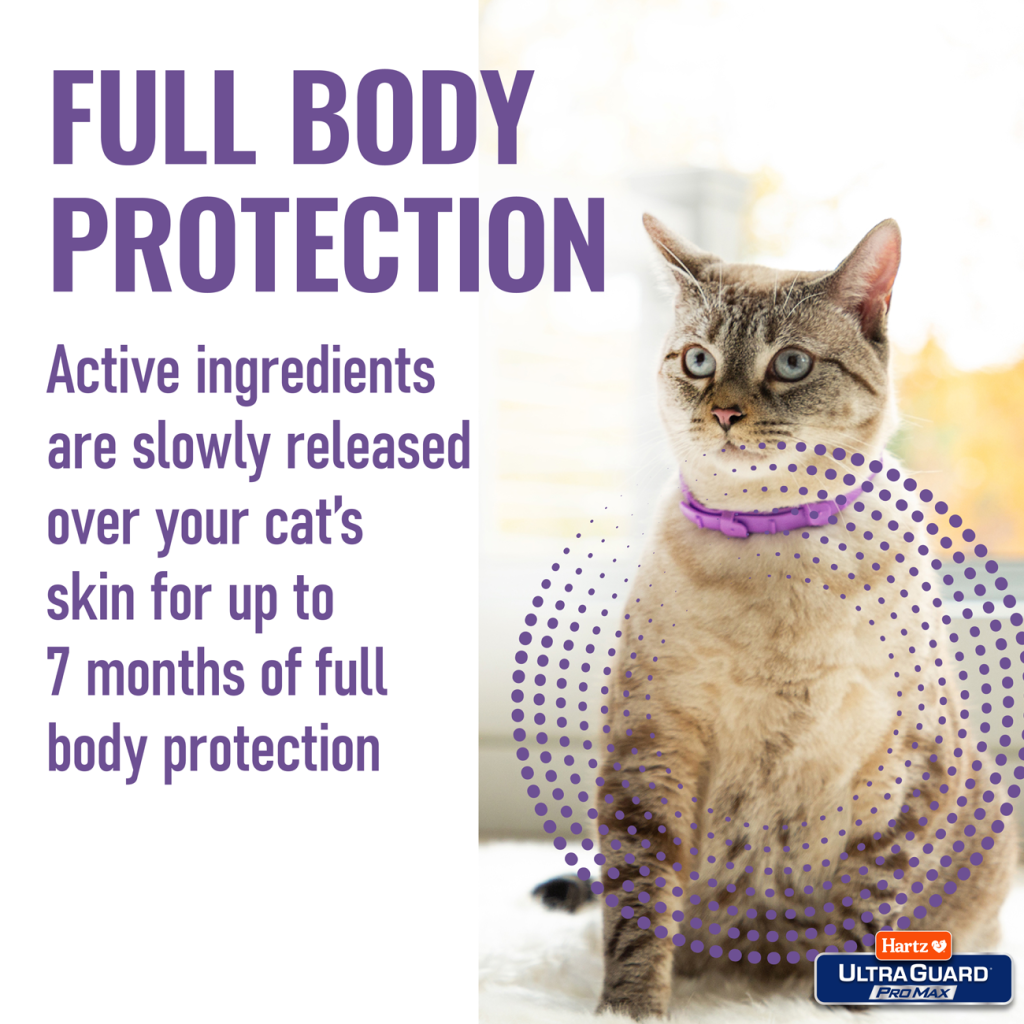
Active ingredients spread over the cat’s skin and fur. Fleas are exposed when they crawl or bite the cat.
These chemicals attack the flea’s nervous system, causing paralysis and death. Some stop flea eggs from hatching.
- Contact poisoning kills fleas on fur
- Ingested chemicals kill fleas biting the cat
- IGRs prevent flea reproduction and growth
Duration Of Effectiveness
Flea collars work for weeks to months. The exact time depends on the brand and ingredients.
Most collars keep releasing active ingredients slowly. This keeps protecting your cat over time.
- Short-term collars: 4 to 8 weeks of protection
- Long-term collars: Up to 6 months protection
- Water-resistant collars last longer even if wet
Credit: www.chewy.com
Types Of Cat Flea Collars
Cat flea collars come in different types. Each type works in its own way to protect your cat.
Knowing the types helps you pick the best collar for your pet’s needs and safety.
Chemical-based Collars
Chemical-based flea collars use insecticides to kill fleas and ticks. They release small amounts of chemicals over time.
- Contain ingredients like imidacloprid or flumethrin
- Last several weeks to months
- Start working quickly after putting on
- May cause side effects for sensitive cats
- Should be used with caution around kittens and pregnant cats
Natural And Herbal Options
Natural flea collars use plant oils and herbs to repel fleas. They do not kill fleas but keep them away.
| Ingredient | Effect |
| Lavender Oil | Repels fleas with strong scent |
| Cedarwood | Acts as natural flea deterrent |
| Neem Oil | Keeps insects away gently |
| Rosemary | Repels fleas and ticks |
Combination Collars
Combination collars mix chemical and natural ingredients. They aim to kill and repel fleas at the same time.
Common features of combination collars:
- Use synthetic insecticides with natural oils
- Provide longer protection against fleas
- May reduce chemical side effects
- Offer dual action: kill and repel
Choosing The Right Collar For Your Cat
Choosing a flea collar for your cat is important for its health and comfort. The right collar helps control fleas safely and effectively.
Not all collars work the same. You must find one that fits your cat’s needs and lifestyle.
Factors To Consider
Look at the collar’s ingredients and how it works. Some collars kill fleas quickly, others keep them away for months.
Check if the collar is waterproof or if it needs to be removed during baths. Also, see how long the collar lasts.
- Type of active ingredients
- Duration of effectiveness
- Water resistance
- Safety features like breakaway clasps
Cat Age And Health
Kittens and older cats need special care when using flea collars. Some collars are only safe for cats older than a certain age.
If your cat has health problems, talk to a vet before using a flea collar. Some ingredients may not be safe for sick cats.
- Check minimum age on the collar package
- Consider your cat’s weight and size
- Consult a vet for cats with health issues
Allergy And Sensitivity Issues
Some cats may have allergies or skin sensitivities to flea collar ingredients. Watch for signs like redness or itching.
Choose collars with natural ingredients if your cat has sensitive skin. Remove the collar if you see any bad reactions.
- Look for hypoallergenic options
- Test the collar on a small area first
- Stop use if skin irritation occurs
Proper Use And Safety Tips
Cat flea collars help protect your pet from fleas and ticks. Using them correctly keeps your cat safe and healthy.
Understanding how to use flea collars properly ensures they work well and avoid problems.
How To Fit A Flea Collar Correctly
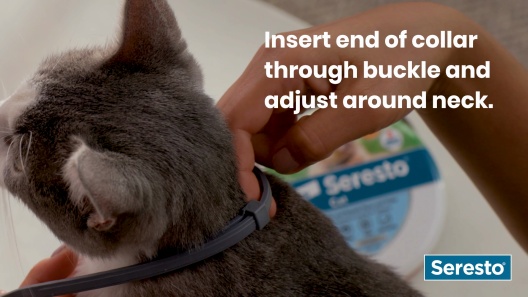
Place the collar around your cat’s neck so it fits snugly but not too tight. You should be able to fit two fingers between the collar and the neck.
Cut off any extra length to prevent your cat from getting caught on objects. Make sure the collar is not too loose or too tight.
- Measure your cat’s neck first
- Adjust collar to fit comfortably
- Trim excess length safely
- Check for comfort and mobility
Monitoring For Side Effects
Watch your cat closely after putting on a flea collar. Look for signs like redness, itching, or swelling around the neck.
If your cat scratches a lot or shows unusual behavior, remove the collar and talk to a vet.
- Check neck daily for irritation
- Observe changes in behavior
- Remove collar if problems appear
- Consult a vet if needed
When To Replace The Collar
Replace the flea collar according to the product’s instructions. Most collars work for several months before needing a new one.
Change the collar sooner if it gets dirty, damaged, or if your cat’s neck grows larger.
- Follow the label for replacement time
- Replace if collar is worn out
- Adjust size as your cat grows
- Keep using new collars regularly
Effectiveness Compared To Other Flea Treatments
Cat flea collars release ingredients that repel or kill fleas on your pet. They work continuously, offering protection over weeks or months. Many pet owners ask how collars compare with other common flea treatments.
This article looks at flea collars versus spot-on treatments and oral medications. It also explains how combining methods can improve flea control.
Flea Collars Vs Spot-on Treatments
Spot-on treatments are liquids applied to a small area on your cat’s skin. They spread over the body and kill fleas quickly. Flea collars release chemicals slowly and protect the neck and nearby areas.
- Spot-on treatments act faster than collars.
- Collars provide longer lasting protection without reapplication.
- Spot-ons cover the whole body better than collars.
- Some cats may react to spot-on chemicals on their skin.
Flea Collars Vs Oral Medications
Oral medications kill fleas when they bite your cat. They work from inside and usually act quickly. Flea collars work outside the body and repel fleas before biting.
| Type | Speed | Duration | Coverage |
| Flea Collar | Slow | Weeks to months | Neck area mainly |
| Oral Medication | Fast | Days to weeks | Whole body |
| Spot-On Treatment | Fast | Weeks | Whole body |
Combining Flea Control Methods
Using more than one flea control method can increase protection. For example, a flea collar plus oral medication may help in heavy flea infestations.
Here are common combinations:
- Collar + spot-on for long-term and fast action
- Oral medication + spot-on to cover inside and outside
- Collar + oral medication in severe cases
Common Myths About Flea Collars
Many cat owners have questions about flea collars. Some beliefs about them are not true. Knowing the facts helps you care for your cat better.
This guide clears up common myths about how flea collars work for cats.
Myth: Flea Collars Are Harmful To Cats
Some people think flea collars can hurt cats. Flea collars made for cats are tested for safety. They release small amounts of medicine that kill fleas but are safe for cats.
Still, it is important to follow the instructions. Do not use dog flea collars on cats. If your cat shows signs of irritation, remove the collar and talk to your vet.
Myth: Flea Collars Kill All Fleas Immediately
People often expect flea collars to kill fleas right away. Flea collars work by slowly releasing medicine. They stop fleas from biting and lay eggs. This helps control fleas over time.
- Flea collars reduce flea activity gradually.
- They do not kill fleas instantly.
- It may take days to see fewer fleas.
- Extra cleaning of your cat’s environment helps.
Myth: One Collar Lasts Forever
Some believe one flea collar works for a very long time. In reality, flea collars have a limited active period. Most collars work for about 8 months.
| Collar Brand | Active Duration |
| Brand A | 6 months |
| Brand B | 8 months |
| Brand C | Up to 7 months |
Always check the packaging for how long the collar will protect your cat. Replace the collar after this time for continuous protection.
Maintaining A Flea-free Home
Cat flea collars help protect your pet from fleas. Keeping your home flea-free is also important. Fleas can hide in carpets, furniture, and bedding.
Cleaning your home regularly and treating the environment can stop fleas from coming back. Outdoor cats need extra care to avoid bringing fleas inside.
Cleaning And Vacuuming Tips
Vacuum floors, carpets, and furniture often to remove flea eggs and larvae. Use a vacuum with strong suction to catch small flea parts.
Wash pet bedding and blankets in hot water weekly. This kills fleas and their eggs. Empty the vacuum bag or canister outside after vacuuming.
- Vacuum floors and furniture daily
- Wash pet bedding in hot water weekly
- Empty vacuum contents outside the home
Treating The Environment
Use flea sprays or powders on carpets and rugs to kill fleas. Follow the product instructions carefully for safety.
Flea treatments for your home help stop fleas from growing and spreading. Focus on places your cat visits often.
- Apply flea sprays to carpets and rugs
- Treat pet resting areas regularly
- Follow all safety guidelines on products
Preventive Measures For Outdoor Cats
Outdoor cats can pick up fleas easily. Use flea collars or other flea preventives before they go outside.
Check your cat’s fur for fleas after outdoor time. Grooming helps spot fleas early and keeps your cat clean.
- Put flea collars on outdoor cats
- Check your cat for fleas daily
- Brush your cat regularly to find fleas
Credit: vettoday.com
Frequently Asked Questions
How Do Cat Flea Collars Kill Fleas?
Cat flea collars release active ingredients that kill fleas on contact. These ingredients disrupt the flea’s nervous system, causing paralysis and death. The collar provides continuous protection by spreading the chemicals over the cat’s fur and skin. This keeps fleas from surviving or reproducing.
Are Flea Collars Safe For Cats?
Yes, most flea collars are safe when used as directed. They contain regulated insecticides designed specifically for cats. Always choose collars made for cats, not dogs. Avoid collars with toxic chemicals and monitor your cat for any allergic reactions or discomfort.
How Long Do Flea Collars Remain Effective?
Flea collars typically remain effective for 8 to 12 weeks. The exact duration depends on the brand and active ingredients. Some collars provide protection up to 7 months. Always check the product label for recommended replacement timing to ensure continuous flea control.
Can Flea Collars Prevent Flea Infestations Completely?
Flea collars help reduce flea infestations but may not eliminate all fleas alone. They work best combined with other flea control methods like regular grooming and cleaning. For severe infestations, consult a vet for comprehensive treatment plans.
Conclusion
Cat flea collars protect your pet by repelling and killing fleas. They release safe chemicals that spread over your cat’s fur. This stops fleas from biting and laying eggs. Regular use helps keep fleas away for weeks. Always choose a collar made for cats and follow instructions.
Flea collars offer a simple, easy way to protect your cat. A healthy cat is a happy cat. Keep your furry friend comfortable and flea-free.