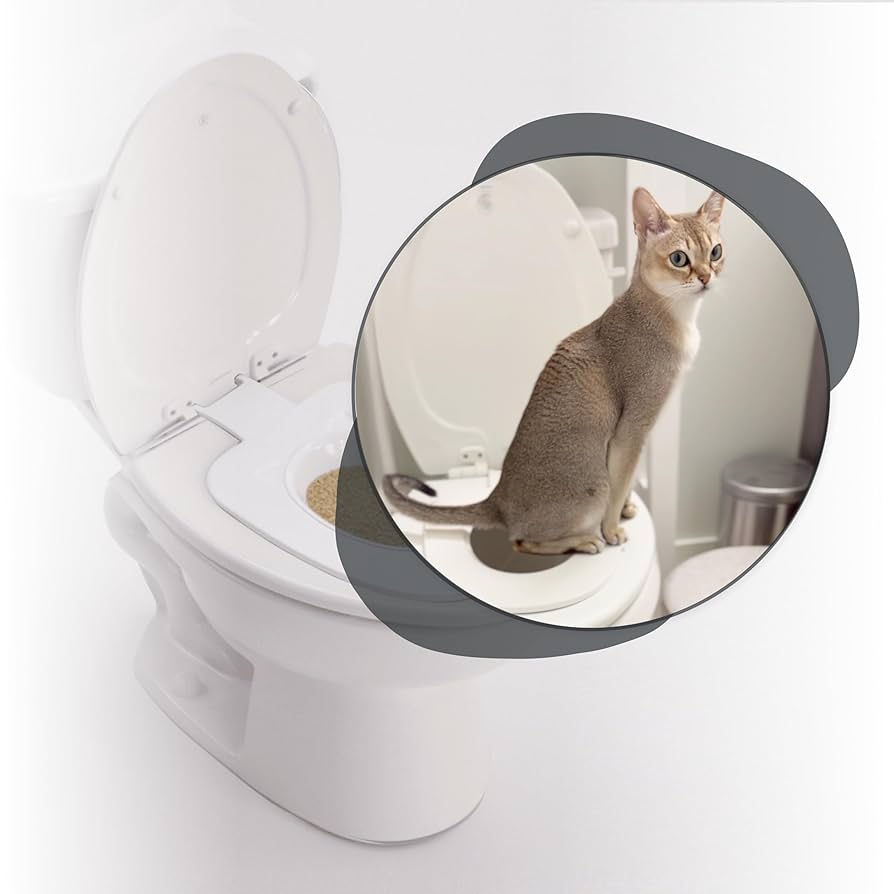
Are you tired of cleaning up after your cat or dealing with smelly litter boxes? Potty training your cat might sound like a dream, but it’s entirely possible!
Imagine the convenience of having a feline friend that uses the toilet just like you do. Not only will it save you time and effort, but it will also keep your home cleaner and fresher. Curious about how to achieve this?
You’re not alone. Many cat owners have successfully taught their cats to use the toilet, and you can too. This guide will walk you through the steps to make this transition smooth and effective. Discover the secrets to freeing yourself from litter box duties, and enjoy a tidier home without compromising your cat’s comfort. Stick around to learn how you can transform your cat’s bathroom habits and make your life easier.
Benefits Of Potty Training Cats
Potty training cats offers cleaner homes and reduces litter box odors. Teaching them involves gradual toilet introduction and rewards for progress. This method saves time on litter box maintenance and enhances pet hygiene.
Potty training cats has several benefits. It enhances cleanliness in your home. Cats can learn to use a toilet instead of a litter box. This reduces odors and mess. Training improves your pet’s hygiene and makes maintenance simpler. With a trained cat, you save on litter costs. It also reduces the need for constant cleaning.
Improved Hygiene
Potty-trained cats lead to cleaner homes. Litter boxes can be messy. Toilets eliminate waste contact. This reduces bacteria spread. Your cat stays cleaner too. Their paws remain free from litter residue. This boosts overall hygiene for your household.
Cost Savings
Toilet-trained cats save money. Litter expenses add up over time. Removing litter from your budget helps. You’ll also reduce cleaning supply costs. Less litter means fewer cleaning products. This saves money in the long run.
Environmental Benefits
Training cats to use toilets reduces litter waste. Most litter types are not biodegradable. They end up in landfills. Toilet use cuts down on litter production. It’s a more sustainable option. This helps the environment by reducing waste.
Convenience
Having a potty-trained cat is convenient. No more scooping litter daily. You avoid frequent litter box cleaning. This frees up time for other activities. It simplifies pet care routines. Your home stays tidier without much effort.
Enhanced Bonding
Training strengthens the bond with your cat. It requires patience and interaction. This builds trust between you and your pet. Positive reinforcement encourages good behavior. Your cat feels more connected to you. This enriches your relationship significantly.
Choosing The Right Equipment
Select a litter box that suits your cat’s size and comfort. Choose a quiet spot for the box to avoid distractions. Use cat-friendly litter to encourage natural instincts.
Choosing the right equipment is crucial for potty training your cat. You want to make the process smooth and successful. The right tools help your cat feel comfortable. They also ensure a clean and hygienic environment. Let’s explore the best options.
Litter Box Options
A suitable litter box is vital. Consider your cat’s size and age. Some cats prefer open boxes. Others may like a covered option. Options include:
- Open litter boxes: Easy access for your cat.
- Covered litter boxes: Provide privacy and contain odors.
- Self-cleaning boxes: Keep maintenance low and reduce mess.
Evaluate your space and your cat’s habits.
Litter Types
Choosing the right litter affects your cat’s comfort. Some cats have preferences. Common types include clumping and non-clumping. Popular choices:
- Clumping litter: Easy to scoop, controls odor well.
- Non-clumping litter: Often less dusty, needs regular changing.
- Natural or biodegradable litter: Eco-friendly and safe for cats.
Test a few options to see what your cat prefers.
Additional Accessories
Accessories can make training easier. A litter mat can catch stray litter. A scoop helps maintain cleanliness. Deodorizers keep the area fresh. Consider these extras:
- Litter mat: Keeps your floors clean from stray litter.
- Litter scoop: Essential for regular cleaning.
- Litter deodorizers: Help control unpleasant smells.
These tools can simplify the training process.
Creating A Positive Environment
Creating a positive environment is key to potty training a cat successfully. Use a clean, quiet space for the litter box, and reward your cat with gentle praise when they use it. Consistency and patience are essential for your cat to learn effectively.
Creating a positive environment is crucial for successful cat potty training. Cats are sensitive creatures and thrive in a comforting space. Establishing this environment boosts their confidence during training. It ensures they feel secure and willing to learn.
Location Selection
Choose a quiet spot for the litter box. Avoid busy areas like hallways. Cats need privacy to feel comfortable. A peaceful location helps them relax. It reduces stress during potty training.
Comfort And Accessibility
Ensure the litter box is easy to access. It should be in a spot they frequent. Avoid placing it in hard-to-reach areas. The box should be comfortable for them to enter. A suitable size makes it inviting. High sides can deter small cats. Consider their comfort and ease of use.
Step-by-step Training Process
Potty training a cat is a rewarding challenge. Cats are smart and can learn with patience. Following a step-by-step process makes it easier. Let’s explore how to train your cat efficiently.
Introducing The Litter Box
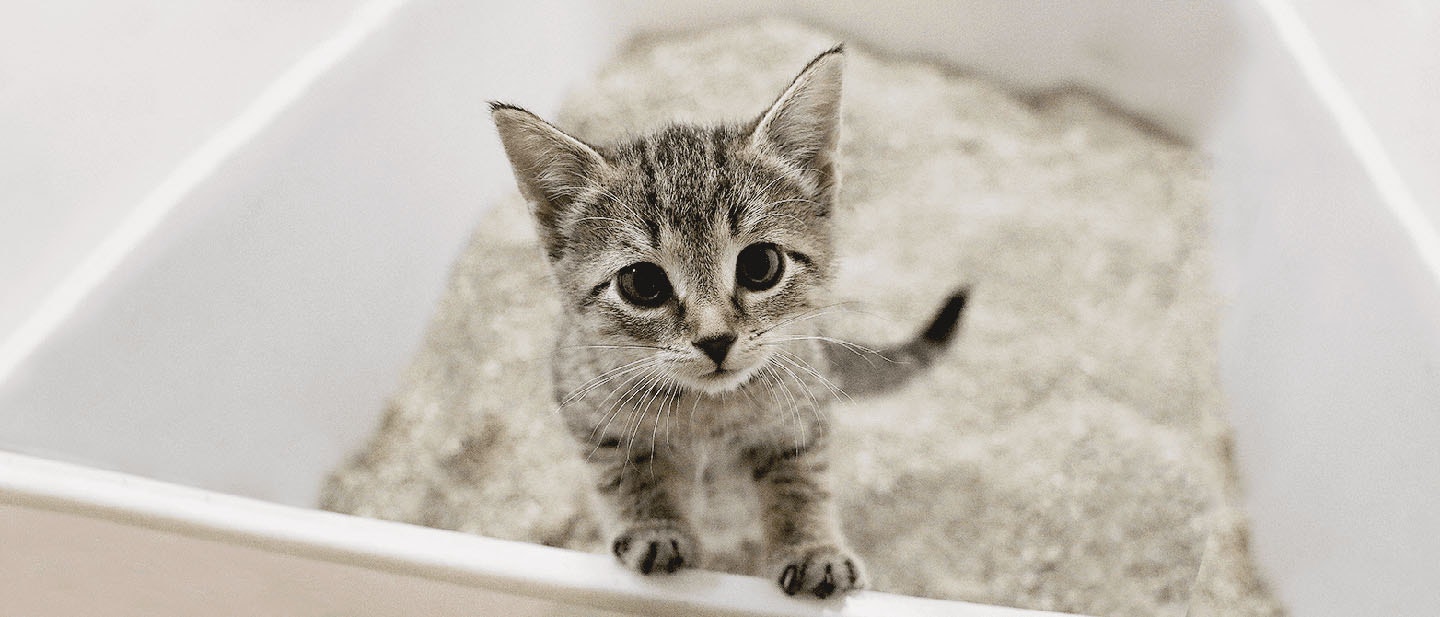
Start with the right litter box. Choose a size suitable for your cat. Place it in a quiet, accessible area. Make sure it’s away from food and water. Fill the box with unscented, clumping litter. Show your cat the box. Let them sniff and explore it. Encourage them with gentle praise.
Encouraging Usage
Observe your cat’s behavior. They often sniff or scratch before going. When you see this, guide them to the litter box. Use a calm voice and gentle gestures. Place them in the box. Praise them when they use it. Consistency is key. Repeat this process until it becomes a habit.
Managing Accidents
Accidents can happen. Stay calm and patient. Clean the area with an enzyme cleaner. This removes the scent and prevents repetition. Avoid scolding your cat. It can create fear and confusion. Instead, reinforce positive behavior. Offer treats and affection when they use the box correctly.
Common Challenges And Solutions
Potty training a cat can be a rewarding yet challenging experience. Cats are independent creatures, and adjusting to new habits might take time. Understanding common challenges and finding effective solutions is key to a successful transition. Let’s explore some typical obstacles you might face and how to address them.
Behavioral Issues
Cats may resist potty training due to their natural instincts. They prefer familiar routines and might feel stressed by changes. Some might refuse the litter box due to its location or type. Testing different litter types can help. Placing the box in a quiet spot encourages use. Gradual changes reduce stress and help your cat adapt.
Health Concerns
If your cat avoids the litter box, health issues might be the cause. Conditions like urinary tract infections can make potty training difficult. Regular vet check-ups ensure your cat is healthy. Monitor changes in behavior closely. Seek veterinary advice if your cat shows unusual symptoms. Addressing health concerns early aids successful potty training.

Credit: www.purina.com
Maintaining Consistency
Maintaining consistency is the cornerstone of successful cat potty training. Cats thrive on routine and clear expectations, and your persistence will help them adapt quickly. By establishing a consistent routine and maintaining a clean environment, you’re setting your feline friend up for success.
Routine Establishment
Consistency in routine helps your cat understand what is expected. Feed your cat at the same times each day. This regularity not only helps with their eating habits but also with predicting bathroom needs.
After meals, gently place your cat in their litter box to reinforce where they should go. Over time, they will start associating mealtime with bathroom breaks, similar to how you might after a hearty dinner!
Observe your cat’s natural schedule. If you notice they often need to go at certain times, gently guide them to the litter box during those moments. This consistency will create a natural habit for them.
Regular Cleaning
A clean litter box is a happy litter box. Cats are fastidious creatures and often refuse to use a dirty box. Make it a daily habit to scoop out waste and replace litter as needed.
Use a mild, unscented soap to wash the litter box weekly. Strong scents can deter cats from using the box. A friend once complained about her cat rejecting the litter box, only to realize it was due to a heavily scented cleaner.
Consider your cat’s preferences. Some cats are picky about the type of litter. Experiment with a few until you find one your cat prefers. Keeping the litter box clean and to their liking encourages regular use.
Have you ever noticed how your cat reacts to changes in their routine or environment? Maintaining consistency in their potty training can lead to surprising improvements in their behavior and comfort.
Expert Tips For Success
Training a cat to use the toilet begins with gradual steps. Start by placing a litter box near the bathroom. Slowly transition to placing the box on the toilet seat, removing it once your cat adjusts.
Training your cat to use the toilet can seem like an impossible task, but with the right approach, it can be a rewarding experience for both you and your furry friend. Expert tips can make the process smoother, turning what seems like a daunting task into a manageable routine. Let’s dive into some actionable insights that can lead you to success.
Patience And Persistence
When toilet training your cat, patience is your greatest ally. Cats are creatures of habit, and adapting to a new routine takes time. Expect setbacks and be prepared to handle them calmly. Consistency is key. Dedicate a little time each day to the training process. If your cat senses your frustration, it may become stressed, which can hinder progress. It’s normal for progress to be slow. Celebrate small victories, like when your cat first jumps onto the toilet seat. This encouragement boosts both your morale and your cat’s confidence.
Reward Systems
Positive reinforcement goes a long way in toilet training cats. Rewards can motivate your cat to embrace this new habit. Use treats or affection to reinforce good behavior. Create a reward chart to track progress. Each time your cat successfully uses the toilet, mark it with a sticker or note. This visual can help you see progress over time and keep you motivated. Avoid punishing mistakes. Cats don’t respond well to negative reinforcement. Instead, guide them gently back to the desired behavior with patience and encouragement. Remember, every cat is different. What works for one might not work for another. Be observant and flexible, adjusting your methods as needed to suit your cat’s unique personality. Can you think of what might motivate your cat?
Credit: www.whiskas.com.ph
When To Seek Professional Help
Potty training a cat can be challenging. Most cats adapt quickly, but some struggle. In such cases, seeking professional help is crucial. Knowing when to get help ensures your cat’s well-being and your peace of mind.
Identifying Serious Issues
Some cats refuse the litter box. This might indicate a serious issue. Watch for signs like urinating outside the box. If this persists, it signals a problem. Also, look for behavioral changes. If your cat seems stressed, it could need help. Constant scratching or biting may indicate anxiety.
Consulting A Veterinarian
A vet can diagnose underlying issues. Health problems often disrupt litter box habits. Urinary tract infections are common causes. A vet will provide necessary treatments. Also, they offer advice on behavioral issues. They can guide you in making your home cat-friendly. This ensures your cat feels comfortable using the litter box.
Credit: www.tiktok.com
Frequently Asked Questions
Are Cats Easy To Potty Train?
Cats are generally easy to potty train. They instinctively use litter boxes due to their natural burying behavior. Start with a clean, accessible litter box and choose a litter type they prefer. Consistency and positive reinforcement help reinforce good habits.
Most cats learn quickly with patience and guidance.
How Long Will It Take To Potty Train A Cat?
Potty training a cat can take anywhere from a few weeks to a couple of months. Consistency and patience are key for successful training. Every cat is different, so adapt your approach as needed. Use positive reinforcement to encourage your cat throughout the process.
How To Potty Train An Indoor Cat?
Start by placing the litter box in a quiet spot. Use unscented litter and show your cat the box. Reward them for using it correctly. Clean the box regularly to maintain hygiene. Gradually move the box to your preferred location, ensuring the cat adjusts comfortably.
How To Teach A Cat To Go Potty?
Start by placing the litter box in a quiet, accessible spot. Encourage your cat by gently placing them in it after meals. Praise them when they use it correctly. Keep the box clean to encourage regular use. Consistency and patience are key for successful potty training.
Conclusion
Potty training a cat takes time and patience. Start with the right tools. A shallow litter box is a good choice. Place it in a quiet spot. Gradually move it closer to the toilet. Reward your cat for using the box.
Slowly reduce the litter. Encourage them to jump on the toilet. Always praise their progress. Remember, every cat learns differently. Some adapt quickly, others need more time. Keep the process stress-free for your pet. Celebrate small successes along the way.
Potty training is possible with consistent effort. Enjoy the journey with your feline friend!