
If you’re a cat owner, you know how frustrating fleas can be. These tiny pests cause your furry friend discomfort and can even lead to health problems.
You might have heard that flea collars are a simple solution. But do flea collars really work on cats? Before you buy one, it’s important to understand how they work, their effectiveness, and any risks involved. Keep reading, and you’ll discover everything you need to know to keep your cat flea-free and happy.
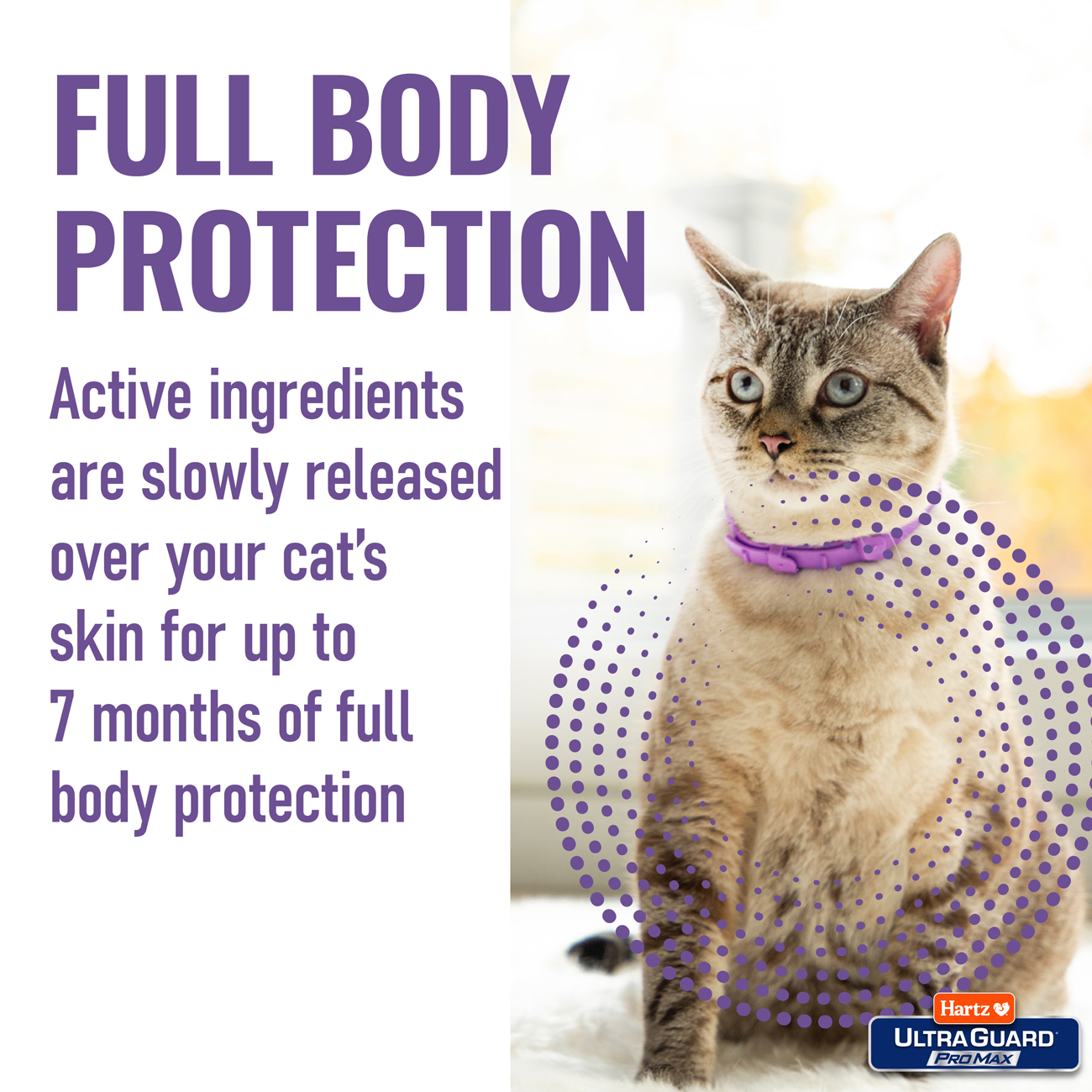
Credit: www.hartz.com
How Flea Collars Work
Flea collars are a common way to protect cats from fleas. They slowly release chemicals that repel or kill fleas.
Understanding how flea collars work helps you choose the right one for your cat’s needs.
Active Ingredients In Flea Collars
Flea collars contain different active ingredients. Each targets fleas in a unique way.
- Imidacloprid: Kills adult fleas by affecting their nervous system.
- Flumethrin: Repels fleas and ticks, preventing bites.
- Pyriproxyfen: Stops flea eggs from hatching and larvae from growing.
- Permethrin: Acts as an insecticide that kills fleas on contact (not safe for cats).
Mechanism Of Action On Fleas
Flea collars work by spreading active ingredients on your cat’s fur. These chemicals reach fleas when they try to bite.
| Action | Effect on Fleas |
| Neurotoxin | Paralyzes and kills adult fleas. |
| Growth Regulator | Prevents flea eggs and larvae from developing. |
| Repellent | Keeps fleas away from the cat’s skin. |
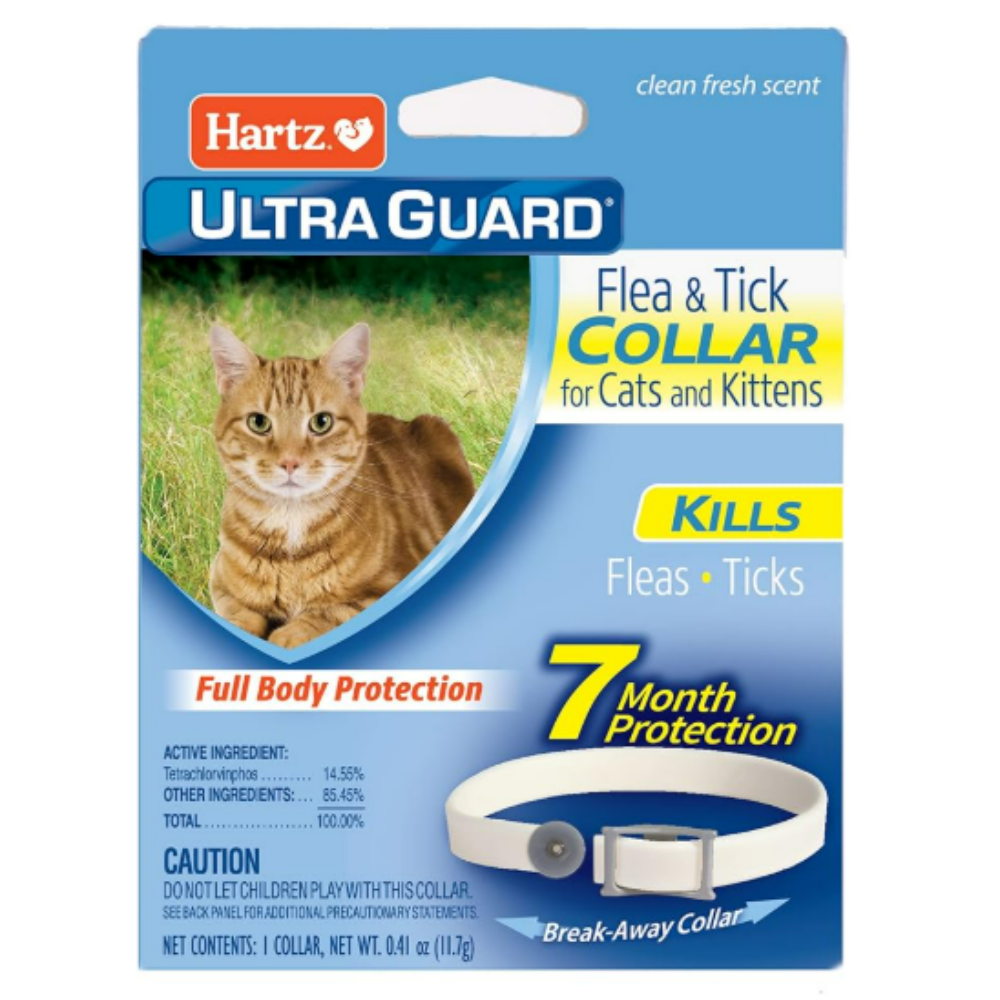
Credit: www.petsradar.com
Effectiveness Of Flea Collars On Cats
Flea collars are a common tool to protect cats from fleas. Many cat owners wonder if these collars really work well.
Some flea collars kill fleas, while others repel them. The effectiveness depends on several factors that we will explore.
Factors Influencing Performance
Not all flea collars work the same on every cat. The cat’s size and fur length can affect how well the collar works.
The type of chemicals in the collar also matters. Some collars use natural ingredients, while others have stronger chemicals.
- Cat’s fur thickness and length
- Cat’s size and weight
- Type and strength of active ingredients
- Proper fit of the collar on the cat
- Environmental factors like home and outdoor exposure
Duration Of Protection
Most flea collars provide protection for a limited time. This can range from a few weeks to several months.
It is important to check the product label for how long the collar lasts. Replace the collar when its protection ends.
- Short-term collars last about 4 to 6 weeks
- Long-term collars can protect up to 8 months
- Exposure to water or dirt may reduce collar effectiveness
- Regular checks ensure the collar is working properly
Safety Concerns For Cats
Flea collars are common tools to control fleas on cats. But some cat owners worry about their safety. It is important to learn about possible risks before use.
This section covers side effects and allergic reactions linked to flea collars on cats. Knowing these helps keep your cat safe.
Possible Side Effects
Some cats may show side effects from flea collars. These can include skin irritation and discomfort. Watch your cat closely after putting on a collar.
- Redness or swelling around the neck
- Excessive scratching or licking
- Hair loss near the collar area
- Changes in behavior or mood
If you see these signs, remove the collar and consult a vet. Not all cats react the same way to flea collars.
Allergic Reactions
Allergic reactions to flea collars can be mild or severe. They happen when a cat’s immune system reacts to chemicals in the collar.
| Symptom | Description | Action |
| Itchy Skin | Red, inflamed areas causing scratching | Remove collar and clean area |
| Swelling | Swollen neck or face | Seek vet help quickly |
| Breathing Issues | Difficulty breathing or wheezing | Emergency vet visit needed |
| Vomiting or Drooling | Signs of poisoning or strong reaction | Contact vet immediately |

Credit: www.hartz.com
Comparing Flea Collars To Other Treatments
Flea collars are a common way to protect cats from fleas. They offer continuous protection by slowly releasing chemicals. Other treatments work differently and have their own benefits and limits.
Choosing the right flea treatment depends on your cat’s needs and lifestyle. Understanding how different options work helps you decide what fits best.
Topical Solutions
Topical flea treatments are liquids applied to the cat’s skin. They kill fleas quickly and prevent new ones. These treatments work for about a month and are easy to apply.
They spread across the skin and coat, reaching fleas in different areas. Topicals can also help control ticks and other parasites.
- Fast acting
- Lasts up to 30 days
- Needs monthly application
- May cause skin irritation in some cats
Oral Medications
Oral flea medications come as pills or chewables. They work from inside the cat’s body. Fleas die after biting the treated cat.
These medicines often work fast and last for a month or more. They are easy to give but some cats may resist pills or treats.
- Effective flea kill
- Works systemically
- Lasts 1 month or longer
- Requires giving pills or treats
Natural Remedies
Natural flea treatments use herbal oils or powders. They aim to repel fleas without chemicals. Some owners prefer natural options for safety reasons.
Natural remedies may help reduce fleas but often do not kill them. They usually need frequent application and may not work as well as medicines.
- Uses plant-based ingredients
- Repels but may not kill fleas
- Needs frequent use
- Less risk of side effects
Choosing The Right Flea Collar
Flea collars can help protect cats from fleas. Picking the right one is important for your cat’s safety and comfort. This guide covers key points to consider before buying a flea collar.
Not all flea collars are the same. Some work better for certain cats. Reading about your cat’s needs will help you choose the best collar.
Cat Age And Size Considerations
Age and size affect which flea collar fits and works best. Young kittens and small cats need gentler options. Larger or older cats may need stronger protection.
- Kittens under 10 weeks should not wear flea collars.
- Small cats need collars that fit snugly but are not tight.
- Large cats may require collars with a longer length and more insecticide.
- Check the collar label for age and weight guidelines.
Brand Reputation And Reviews
Some brands are known for safe and effective flea collars. Reading reviews helps find collars that work well and cause fewer side effects.
| Brand | Effectiveness | Safety | User Rating |
| Brand A | High | Good for sensitive cats | 4.5/5 |
| Brand B | Moderate | Some chemical smell | 3.8/5 |
| Brand C | High | Water resistant | 4.7/5 |
| Brand D | Low | May cause irritation | 3.2/5 |
Tips For Proper Flea Collar Use
Flea collars can help control fleas on your cat. Using them the right way improves their effectiveness. Follow these tips to keep your cat safe and flea-free.
Improper use can cause discomfort or reduce protection. Learn how to place, maintain, and replace flea collars correctly.
Correct Placement
Put the flea collar around your cat’s neck. It should fit snugly but not too tight. You need space to fit two fingers between the collar and the neck.
Make sure the collar touches the skin. This helps the medicine spread properly. Avoid placing the collar over thick fur or loose skin.
- Check the collar fits well, not too loose or tight
- Place it directly on the cat’s neck skin
- Adjust the collar if your cat grows or gains weight
- Remove the collar before bathing your cat if recommended
Maintenance And Replacement
Keep the flea collar clean and dry. Dirt and moisture can reduce its power. Remove the collar if it becomes wet or dirty, and wipe it gently.
Replace the collar as the package says. Most collars last from one to eight months. Using an old collar may not protect your cat well.
- Check the collar regularly for damage or wear
- Replace the collar after the recommended time
- Dispose of old collars safely, away from children and pets
- Do not use more than one collar at a time
Frequently Asked Questions
Do Flea Collars Effectively Protect Cats From Fleas?
Flea collars can help repel and kill fleas on cats. Their effectiveness varies by brand and ingredients. Some collars provide long-lasting protection, while others offer limited results. Always choose collars specifically designed for cats and follow instructions carefully for best results.
Are Flea Collars Safe For All Cats?
Most flea collars are safe for healthy adult cats when used as directed. However, kittens, pregnant cats, and cats with skin conditions may be sensitive. Consult a veterinarian before use to avoid potential side effects or allergic reactions.
How Long Do Flea Collars Last On Cats?
Flea collars typically last between 4 to 8 months. Longevity depends on the collar’s brand and active ingredients. Check the product label for specific duration and replace the collar as recommended to maintain effective flea control.
Can Flea Collars Prevent Flea Infestations Indoors?
Flea collars primarily protect cats by killing fleas on their fur. They do not eliminate fleas in the home environment. For full control, combine collars with cleaning carpets, bedding, and using indoor flea treatments.
Conclusion
Choosing a flea collar for your cat requires careful thought. Many collars show effectiveness in keeping fleas away. Yet, not all collars suit every cat. Some might irritate sensitive skin. Always check your cat’s reaction. Consult a vet if unsure about which collar to pick.
Understand your cat’s needs and comfort. Remember, a flea-free cat is a happy cat. Regular checks and proper care ensure your cat stays healthy. Stay informed about new flea prevention options. Your cat’s well-being matters most.