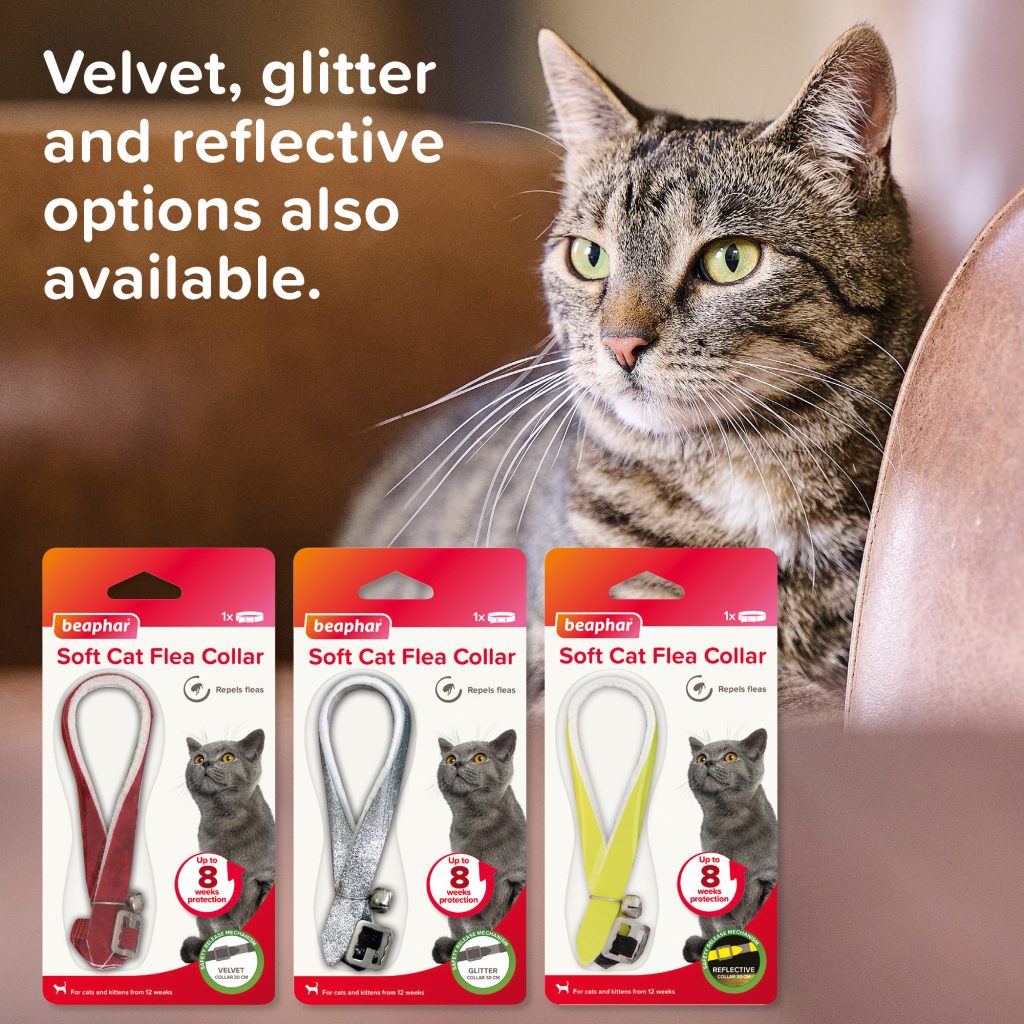
Are you tired of watching your beloved cat scratch and suffer from pesky fleas? You’re not alone.
Many pet owners struggle with finding the right solution to protect their furry friends. This is where flea collars come into play. But do flea collars really kill fleas on cats? We’ll dive into the effectiveness of flea collars, debunk common myths, and help you decide if this is the best option for your feline companion.
Stick around, because understanding how to keep your cat flea-free is crucial for their health and happiness. Plus, you’ll learn insider tips that might just save you time, money, and unnecessary stress.

Credit: www.hartz.com
How Flea Collars Work
Flea collars help protect cats from fleas. They release substances that stop fleas from biting or living on cats.
Understanding how flea collars work helps you choose the right one for your pet.
Active Ingredients In Flea Collars
Flea collars contain chemicals that kill or repel fleas. These ingredients spread around the cat’s body through the skin oils.
- Permethrin: A common insecticide that paralyzes fleas.
- Imidacloprid: Targets the nervous system of fleas to kill them.
- Flumethrin: Repels and kills ticks and fleas.
- Pyrethroids: Synthetic chemicals that affect flea nerves.
- Essential oils: Natural oils like lavender used in some collars to repel fleas.
Mechanism Of Action Against Fleas
The active ingredients in flea collars work by attacking the flea’s nervous system or creating a hostile environment.
| Action | Effect on Fleas |
| Paralysis | Stops flea movement and feeding |
| Repellent | Keeps fleas away from the cat |
| Death | Kills fleas on contact or after biting |
| Disruption | Prevents flea growth and reproduction |

Credit: www.amazon.co.uk
Effectiveness Of Flea Collars On Cats
Flea collars are a common tool to fight fleas on cats. They release chemicals that kill or repel fleas. Not all flea collars work the same way or with the same success.
This article looks at how well flea collars work on cats. It also explains what can change their success.
Success Rates And Limitations
Many flea collars kill fleas by spreading insecticides on the cat’s fur. Some collars kill fleas quickly, while others take time.
- Some collars kill fleas within hours.
- Others repel fleas but do not kill all of them.
- Collars may not work well if worn incorrectly.
- Effectiveness can drop over time as the chemicals run out.
- Some cats may react badly to certain collars.
Flea collars cannot always clear heavy flea infestations alone. They work best with other flea treatments.
Factors Influencing Performance
Several things affect how well flea collars work on cats. These factors can help owners choose the right product.
| Factor | Impact on Flea Collar Performance |
| Cat’s Size and Weight | Heavier cats may need stronger collars or extra treatments. |
| Cat’s Activity Level | Active cats can wear off chemicals faster. |
| Type of Flea Collar | Some use slow-release chemicals; others use natural repellents. |
| Environment | High flea areas require more frequent treatment. |
| Collar Fit | Loose collars reduce effectiveness; tight collars may irritate skin. |
Common Types Of Flea Collars
Flea collars help protect cats from fleas. They come in different types with various ingredients.
Understanding these types helps you choose the right collar for your cat’s needs.
Chemical-based Collars
Chemical flea collars use synthetic ingredients to kill fleas. They release chemicals that spread over the cat’s fur.
These collars often contain insecticides that stop fleas from biting or reproducing. They work fast and last for weeks.
- Common chemicals include imidacloprid and flumethrin
- Effective at killing and repelling fleas
- Usually waterproof and long-lasting
- Safe when used as directed
Natural And Herbal Options
Natural flea collars use plant oils and herbs to repel fleas. They do not kill fleas directly but keep them away.
These collars are gentle and may be better for cats with sensitive skin. They need more frequent replacement.
- Ingredients like citronella, eucalyptus, and lavender
- Repel fleas without harsh chemicals
- Usually safe for kittens and sensitive cats
- Require regular renewal for best effect
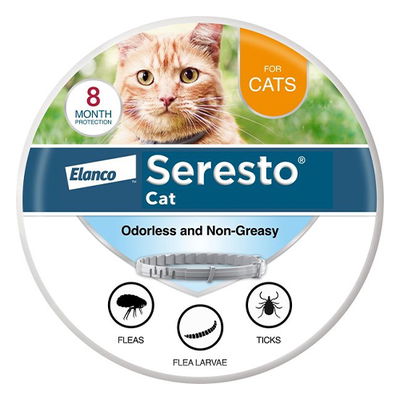
Credit: www.canadapetcare.com
Safety Concerns For Cats
Flea collars can help stop fleas on cats. But some collars have chemicals that may harm cats.
It is important to know the risks and how to use flea collars safely. This keeps your cat healthy.
Potential Side Effects
Some cats may react to flea collars with skin problems or other issues. Watch your cat closely after putting on a collar.
Common side effects include itching, redness, and hair loss around the neck. More serious signs are vomiting or trouble breathing.
- Itching and redness on the neck
- Hair loss near the collar area
- Vomiting or diarrhea
- Difficulty breathing or coughing
- Drooling or shaking the head
Proper Usage And Precautions
Always read the instructions before using a flea collar on your cat. Use only collars made for cats, not dogs.
Check your cat often for any signs of discomfort or side effects. Remove the collar if you notice any problems.
- Choose collars labeled safe for cats
- Fit the collar properly, not too tight
- Remove collar before bathing your cat
- Do not use more than one flea product at once
- Keep collar away from your cat’s eyes and mouth
- Consult a vet if unsure about use
Alternative Flea Control Methods
Flea collars are one way to fight fleas on cats. Some people want other options to keep their pets safe and comfortable.
There are several methods to control fleas without using collars. This guide covers topical treatments, oral medications, and environmental controls.
Topical Treatments
Topical treatments are liquids applied directly to your cat’s skin. They kill fleas quickly and prevent new ones from hatching. These treatments usually work for a month before needing reapplication.
- Easy to apply along the back of the neck
- Waterproof after drying
- Usually safe for most cats
- Can control other parasites like ticks
Oral Medications
Oral medications are pills or chewables your cat swallows. They kill fleas by affecting their nervous system after biting your cat. These meds act fast and can last from one month to three months.
| Medication Type | Duration | Common Form |
| Monthly Tablet | 30 days | Chewable pill |
| Extended Release | 90 days | Tablet |
| Prescription Required | Varies | Oral pill |
Environmental Controls
Fleas live in your home, not just on your cat. Cleaning your cat’s environment helps stop flea eggs and larvae from growing. This method is important to keep fleas away for good.
- Vacuum carpets and furniture often
- Wash pet bedding in hot water weekly
- Use flea sprays or powders on carpets
- Keep your yard clean and dry
Combining Flea Control Strategies
Flea collars can help reduce fleas on cats. They do not always kill every flea instantly. Using other flea control methods together works better.
Combining different strategies helps keep fleas away. It protects your cat and your home from flea problems.
Integrated Pest Management
Integrated Pest Management (IPM) uses many ways to control fleas. It targets fleas at different life stages. This approach reduces flea populations safely.
IPM includes cleaning your home, treating pets, and using insect growth regulators. It lowers flea numbers without relying on one method only.
- Use flea collars to repel and kill fleas
- Regularly vacuum carpets and furniture
- Wash pet bedding in hot water
- Apply flea treatments recommended by vets
- Use sprays or powders in the home if needed
Best Practices For Long-term Control
Long-term flea control needs ongoing care. Flea collars work best with regular cleaning and treatments. This keeps fleas from coming back.
Check your cat’s collar often. Replace it as the instructions say. Keep up with home cleaning to stop flea eggs from growing.
- Replace flea collars on time
- Vacuum floors and furniture weekly
- Wash pet bedding often
- Use vet-approved flea treatments regularly
- Watch your cat for signs of fleas
Frequently Asked Questions
Do Flea Collars Effectively Kill Fleas On Cats?
Yes, flea collars can kill fleas on cats by releasing insecticides. They work by either repelling or killing fleas on contact. Choose collars with proven ingredients like imidacloprid or flumethrin for best results. Always follow the manufacturer’s instructions for safe use.
How Long Do Flea Collars Remain Effective On Cats?
Most flea collars provide protection for about 8 months. Effectiveness depends on the brand and active ingredients used. Replace the collar once the protection period ends to ensure continuous flea control. Regularly check the collar for damage or dirt buildup.
Are Flea Collars Safe For All Cats?
Flea collars are generally safe for most cats but not all. Avoid using collars on kittens under 8 weeks or cats with skin sensitivities. Consult your vet before use if your cat has health issues or is pregnant. Always monitor for any adverse reactions.
Can Flea Collars Prevent Future Flea Infestations?
Yes, flea collars can help prevent future infestations by killing fleas before they reproduce. They release chemicals that disrupt flea life cycles. However, combine collars with regular cleaning and other flea treatments for optimal control. Prevention is key to managing flea problems.
Conclusion
Flea collars can help reduce fleas on cats. They work by killing or repelling fleas nearby. Not all collars are equally effective. Always choose a collar made for cats. Watch your pet for any skin irritation. Combine collars with regular grooming and cleaning.
Flea collars are one tool in flea control. Keeping your cat flea-free needs ongoing care. Stay patient and consistent for the best results. Your cat will feel happier and healthier.