If your cat has ever scratched nonstop or seemed uncomfortable, you might wonder if a flea collar could solve the problem. But do flea collars really work on cats, or are they just another product that promises more than it delivers?
You want the best for your furry friend, and you deserve a solution that’s both safe and effective. Keep reading to find out how flea collars work, what to watch out for, and whether this simple tool can truly protect your cat from those pesky fleas.
Your cat’s comfort and health depend on it.

Credit: www.hartz.com
How Flea Collars Work
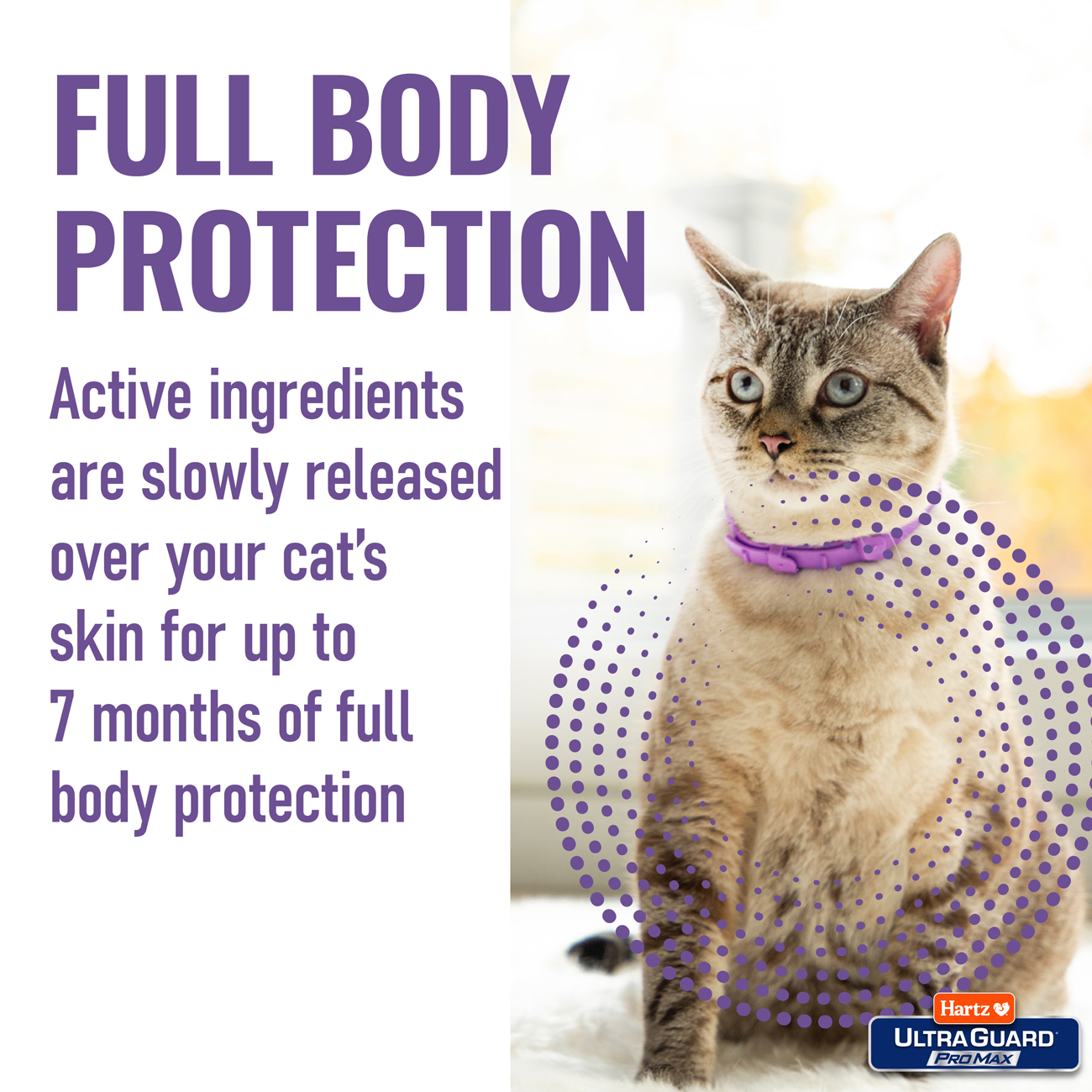
Flea collars help protect cats from fleas by releasing active ingredients. These ingredients spread over the cat’s fur and skin. They target fleas to stop them from biting and breeding.
Understanding how flea collars work helps cat owners choose the right type. It also shows how these collars keep cats free from fleas and discomfort.
Active Ingredients In Flea Collars
Flea collars use different chemicals that kill or repel fleas. Some common active ingredients include:
- Imidacloprid: Kills adult fleas on contact.
- Flumethrin: Repels and kills ticks and fleas.
- Pyriproxyfen: Stops flea eggs from hatching.
- Permethrin: Kills fleas but is toxic to cats, so usually avoided in cat collars.
Mechanism Of Action On Fleas
Flea collars work by slowly releasing chemicals into the cat’s fur. These chemicals spread over the skin surface. They attack fleas in several ways:
- Kill adult fleas on contact or when they bite the cat.
- Prevent flea eggs and larvae from growing into adults.
- Repel new fleas to stop them from jumping onto the cat.
Types Of Flea Collars For Cats
There are several types of flea collars available for cats. Each type works in a slightly different way and lasts for different times.
| Type | Active Ingredient | Duration | Notes |
|---|---|---|---|
| Insecticide Collars | Imidacloprid, Flumethrin | 6-8 months | Kills and repels fleas and ticks |
| Insect Growth Regulator Collars | Pyriproxyfen | Up to 6 months | Prevents flea eggs from hatching |
| Herbal or Natural Collars | Essential oils (e.g., citronella) | 1-2 months | Repels fleas but less effective in heavy infestations |
Credit: www.hartz.com
Effectiveness Of Flea Collars
Flea collars are a popular choice to protect cats from fleas. They are easy to use and can provide long-lasting protection.
Many pet owners wonder if flea collars actually work well on cats. This article looks at their effectiveness based on research and experience.
Scientific Studies And Evidence
Scientists have tested flea collars on cats to check how well they kill fleas. Most studies show flea collars reduce flea numbers.
Some flea collars release chemicals that repel or kill fleas. These chemicals spread over the cat’s fur to protect it.
- Studies confirm flea collars kill fleas on cats within days.
- Some collars protect for several weeks or months.
- Effectiveness depends on the active ingredient used.
Common Success Rates
Success rates of flea collars vary by brand and cat behavior. On average, flea collars reduce fleas by 70% to 90%.
Some cats respond better to flea collars than others. Flea collars work best when used with other flea control methods.
- About 80% of cats show fewer fleas after using a collar for 1 month.
- Some collars provide up to 8 months of protection.
- Regular checks help to improve flea control success.
Limitations And Challenges
Flea collars have limits. Some cats may not tolerate the collar well. It may cause skin irritation or discomfort.
Collars do not always kill fleas instantly. Fleas may survive for days after applying the collar. Some fleas can become resistant.
- Flea collars may not protect in very heavy infestations.
- Collars can lose effectiveness if wet or dirty.
- Some cats chew or remove their collars.
Safety Concerns For Cats
Flea collars are a popular way to protect cats from fleas. But not all flea collars are safe for every cat. It is important to know the risks before using one.
Some cats may have reactions to ingredients in flea collars. Knowing about safety helps keep your cat healthy and happy.
Possible Side Effects
Some cats may show side effects after wearing flea collars. Watch your cat closely for any changes in behavior or health.
Common side effects include skin irritation and itching where the collar touches the neck. Some cats may cough or sneeze.
- Red or swollen skin
- Hair loss around the collar area
- Excessive scratching or licking
- Breathing difficulties
- Vomiting or drooling
Toxic Ingredients To Avoid
Some flea collars contain chemicals that are harmful to cats. Avoid collars with these toxic ingredients to keep your cat safe.
- Organophosphates, which affect the nervous system
- Carbamates, toxic to cats and wildlife
- Permethrin, very dangerous for cats
- Propoxur, linked to poisoning cases
Look for collars made for cats only. Avoid dog flea collars as they may have unsafe chemicals for cats.
Proper Usage And Precautions
Use flea collars exactly as the instructions say. Wrong use can harm your cat or reduce the collar’s effectiveness.
Check the collar regularly for fit and condition. Remove the collar if your cat shows any side effects.
- Measure your cat’s neck before buying a collar
- Do not leave the collar on if your cat is sick
- Keep flea collars away from kittens under 10 weeks old
- Store flea collars out of your cat’s reach when not in use
- Consult your vet before using a flea collar on cats with health problems
Alternatives To Flea Collars
Flea collars are one way to protect cats from fleas. Some pet owners want other options to keep their cats safe. There are many alternatives that work well for flea control.
These alternatives include treatments applied on the skin, pills taken by mouth, and natural remedies. Each option has its own benefits and uses.
Topical Treatments
Topical treatments are liquids placed on the cat’s skin. They work by killing fleas quickly and preventing new ones. These treatments usually last for a month.
They are easy to apply and do not bother the cat much. You place the drops between the shoulder blades where the cat can’t lick them.
- Fast-acting and effective
- Lasts about 30 days
- Water-resistant after drying
- Needs monthly reapplication
Oral Medications
Oral medications come as pills or chewables given to cats. They stop fleas from biting or kill fleas after they bite. These medicines work from inside the cat’s body.
Many oral options work fast and protect for a month or more. They are good for cats that dislike topical drops or collars.
- Easy to give with food
- Works quickly against fleas
- Protects for several weeks
- Some require a vet prescription
Natural Remedies
Natural remedies use safe ingredients to repel or kill fleas. They include essential oils, herbal sprays, and powders. These can be less harsh than chemicals.
Natural options may help reduce fleas but might not be as strong as medicines. Always check that natural products are safe for cats before use.
- Essential oils like lavender or cedar
- Herbal flea sprays and powders
- Regular grooming with flea combs
- Keep cat’s environment clean
Choosing The Right Flea Control
Fleas can cause itching and discomfort for your cat. Choosing the right flea control helps keep your cat safe and healthy.
Many options exist, including flea collars. Each product works differently and suits different cats.
Factors To Consider
Think about your cat’s age, weight, and health before picking flea control. Some products are not safe for kittens or sick cats.
Also, consider how easy the product is to use and how long it lasts. Choose something that fits your lifestyle.
- Cat’s age and weight
- Health conditions
- Product duration
- Ease of application
- Safety for indoor or outdoor cats
Consulting Your Veterinarian
Your veterinarian knows your cat’s health history. They can suggest safe and effective flea control options.
Talk to your vet before trying new flea products. They can help avoid harmful reactions or allergies.
- Get advice on safe flea treatments
- Learn about possible side effects
- Discuss any current medications
- Ask about the best products for your cat’s lifestyle
Reading Product Labels
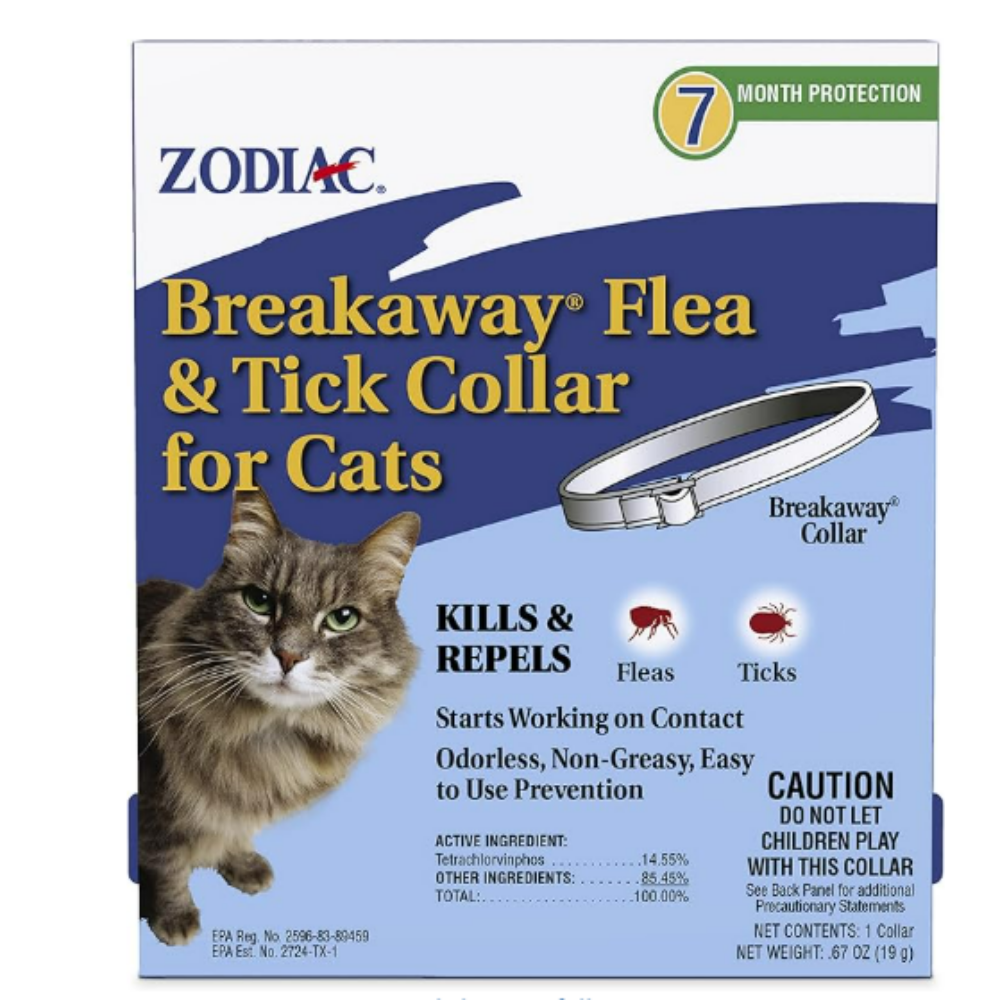
Check the product label carefully. It tells you what the flea control contains and how to use it correctly.
Look for instructions about the cat’s age and weight limits. Also, read safety warnings and side effects.
- Active ingredients
- Directions for use
- Warnings and precautions
- Age and weight recommendations
- How often to apply
Credit: www.petsradar.com
Frequently Asked Questions
Do Flea Collars Effectively Kill Fleas On Cats?
Yes, many flea collars contain insecticides that kill fleas on cats. They release chemicals that repel or eliminate fleas. Effectiveness varies by product and flea infestation severity. Always choose collars specifically made for cats and follow usage instructions carefully for best results.
How Long Do Flea Collars Last On Cats?
Most flea collars provide protection for 8 to 12 weeks. The duration depends on the brand and active ingredients used. Replace the collar after the recommended period to maintain flea control. Check product packaging for exact duration details.
Are Flea Collars Safe For Cats?
Flea collars are generally safe when used as directed. Some cats may experience mild skin irritation or allergic reactions. Avoid collars with harsh chemicals for sensitive cats. Consult your veterinarian before using a flea collar, especially on kittens or sick cats.
Can Flea Collars Prevent Flea Infestations On Cats?
Yes, flea collars can help prevent infestations by repelling fleas. They create a protective barrier that reduces flea attachment and breeding. However, collars work best when combined with other flea control methods like regular grooming and cleaning.
Conclusion
Flea collars can be a helpful tool for cat owners. They offer convenience and ease of use. But not all collars work the same. Some might not suit every cat. Always check for allergies or reactions. Consult your vet for the best advice.
Flea collars work best with other flea control methods. Remember, every cat is unique. Regular monitoring ensures your cat stays healthy and happy. Always choose a trusted brand for your pet’s safety. Flea collars are only part of the solution.
Keep your cat’s comfort and health a priority.