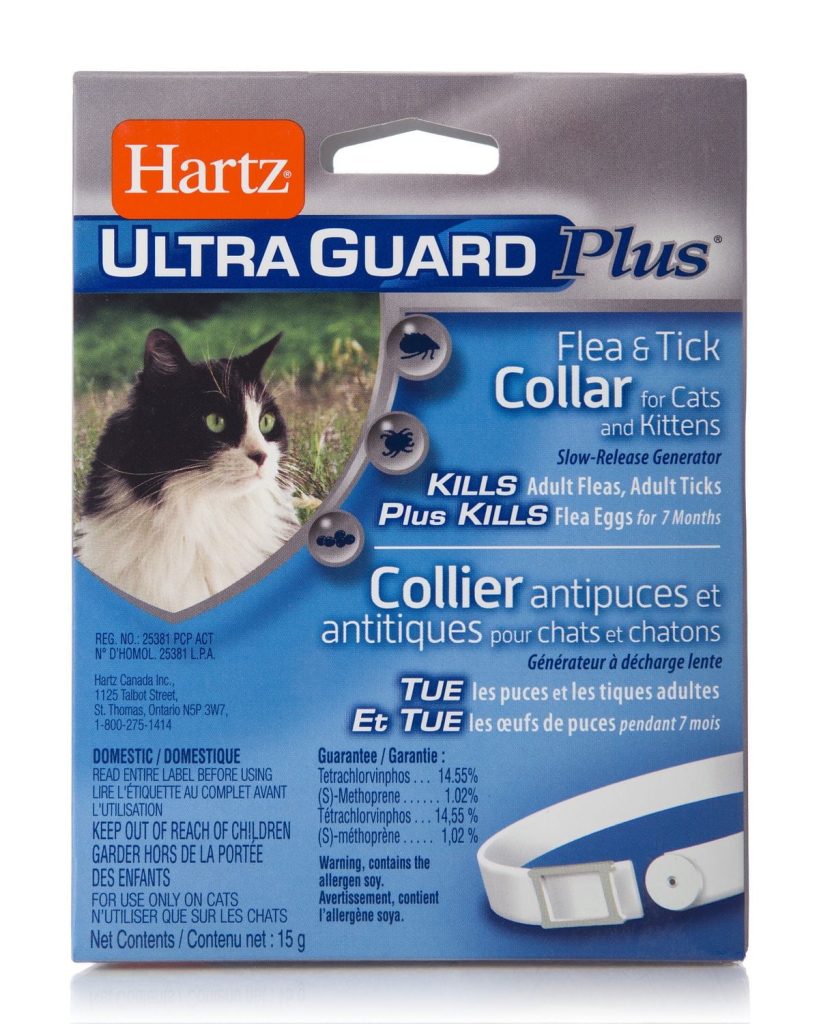
Are you worried about fleas on your cat but unsure if flea collars are safe? You want to protect your furry friend, but the question “Can flea collars kill cats?” might be holding you back.
It’s natural to be concerned about your pet’s health and safety. You’ll discover the facts you need to make the best choice for your cat. Keep reading to learn what flea collars really do, the risks involved, and how to keep your cat safe and flea-free.
Your cat’s well-being depends on the right information—and you’re about to get it.
How Flea Collars Work
Flea collars are a common tool to protect cats from fleas. They slowly release chemicals that kill or repel fleas. Understanding how these collars work helps cat owners use them safely.
The collars contain active ingredients that target fleas on your cat’s skin and fur. These ingredients either kill the fleas or stop them from growing. The collar works for weeks once placed around the cat’s neck.
Active Ingredients In Flea Collars
Flea collars contain several types of active ingredients. Each ingredient attacks fleas in a different way. Some ingredients are insecticides, while others block flea growth.
- Imidacloprid: Kills adult fleas quickly.
- Flumethrin: Repels and kills fleas and ticks.
- Permethrin: Effective insecticide but toxic to cats, often avoided.
- Insect Growth Regulators (IGRs): Prevent flea eggs and larvae from developing.
- Pyriproxyfen: Stops flea larvae from maturing into adults.
Mechanism Of Action On Parasites
Active ingredients affect fleas by targeting their nervous system or growth cycle. This stops fleas from biting or reproducing. The collar releases chemicals slowly over time.
| Action | Effect on Fleas |
| Neurotoxins | Paralyze and kill adult fleas. |
| Growth Regulators | Stop eggs and larvae from maturing. |
| Repellents | Keep fleas away from the cat’s skin. |
Common Flea Collar Types For Cats
Flea collars help protect cats from fleas and ticks. There are different types of collars. Some use chemicals, and others use natural ingredients.
It is important to know the differences before choosing a collar for your cat. Each type works in its own way.
Chemical-based Collars
Chemical flea collars use synthetic ingredients to kill fleas quickly. They often contain insecticides that stop fleas from biting or growing. These collars work fast but may cause side effects in some cats.
- Contain insecticides like imidacloprid or flumethrin
- Provide long-lasting protection, often up to 8 months
- Can cause skin irritation or allergic reactions
- Should be used with caution for kittens and sensitive cats
Natural And Organic Alternatives
Natural flea collars use plant-based ingredients. They repel fleas instead of killing them. These collars are gentler on cats but may not work as fast.
| Ingredient | Effect | Notes |
|---|---|---|
| Essential Oils (e.g., lavender, citronella) | Repel fleas | Safe if used properly, avoid direct contact with eyes |
| Neem Extract | Inhibits flea growth | Natural insect repellent |
| Herbal Blends | Repel and soothe skin | Good for sensitive cats |
Potential Dangers To Cats
Flea collars can protect cats from pests but they may also pose risks. Understanding these dangers helps keep your cat safe.
Some cats may react badly to the chemicals in flea collars. Watch for signs that something is wrong.
Toxicity Symptoms To Watch For
Poisoning from flea collars can cause serious health issues in cats. Early symptoms need quick attention.
- Drooling or foaming at the mouth
- Vomiting or diarrhea
- Tremors or shaking
- Difficulty walking or weakness
- Excessive drooling or licking
- Seizures in severe cases
- Loss of appetite
Allergic Reactions And Skin Irritation
Some cats get allergies from flea collars. Skin irritation is common and can be painful.
| Symptom | Description |
| Redness | Skin becomes red and inflamed where collar touches |
| Itching | Cat scratches or bites at neck area |
| Hair Loss | Fur falls out around the collar site |
| Swelling | Neck may swell due to irritation or allergic response |
| Rashes | Small bumps or sores develop on the skin |

Credit: www.ebay.ca
Cases Of Severe Reactions
Flea collars are common for controlling pests on cats. Most cats tolerate these collars well. Some cats, though, have severe reactions that can be dangerous.
Understanding these severe cases helps cat owners stay safe. This section covers reported fatalities linked to flea collars and factors that increase risk.
Reported Fatalities Linked To Flea Collars
There have been rare but serious reports of cat deaths after using flea collars. These cases often involve strong chemical reactions or poisoning.
| Case Detail | Description |
|---|---|
| Severe Skin Irritation | Some cats developed open sores and infections from collar chemicals. |
| Neurological Symptoms | Tremors, seizures, and loss of coordination were reported after exposure. |
| Respiratory Failure | In rare cases, cats had trouble breathing leading to fatal outcomes. |
| Systemic Poisoning | Ingesting parts of the collar caused internal damage and death. |
Factors Increasing Risk
Certain factors make severe reactions to flea collars more likely. Recognizing these helps prevent harm to cats.
- Young kittens with sensitive skin
- Older cats with weak immune systems
- Cats with pre-existing health problems
- Using collars with strong chemicals not made for cats
- Improper fit causing constant skin contact or swallowing
- Leaving collars on for too long without breaks
Safe Usage Tips
Flea collars help protect cats from fleas and ticks. Using them safely keeps your cat healthy. Follow simple tips to avoid harm and get good results.
Knowing how to pick and use flea collars is key. This guide covers safe choices and careful monitoring.
Choosing The Right Collar
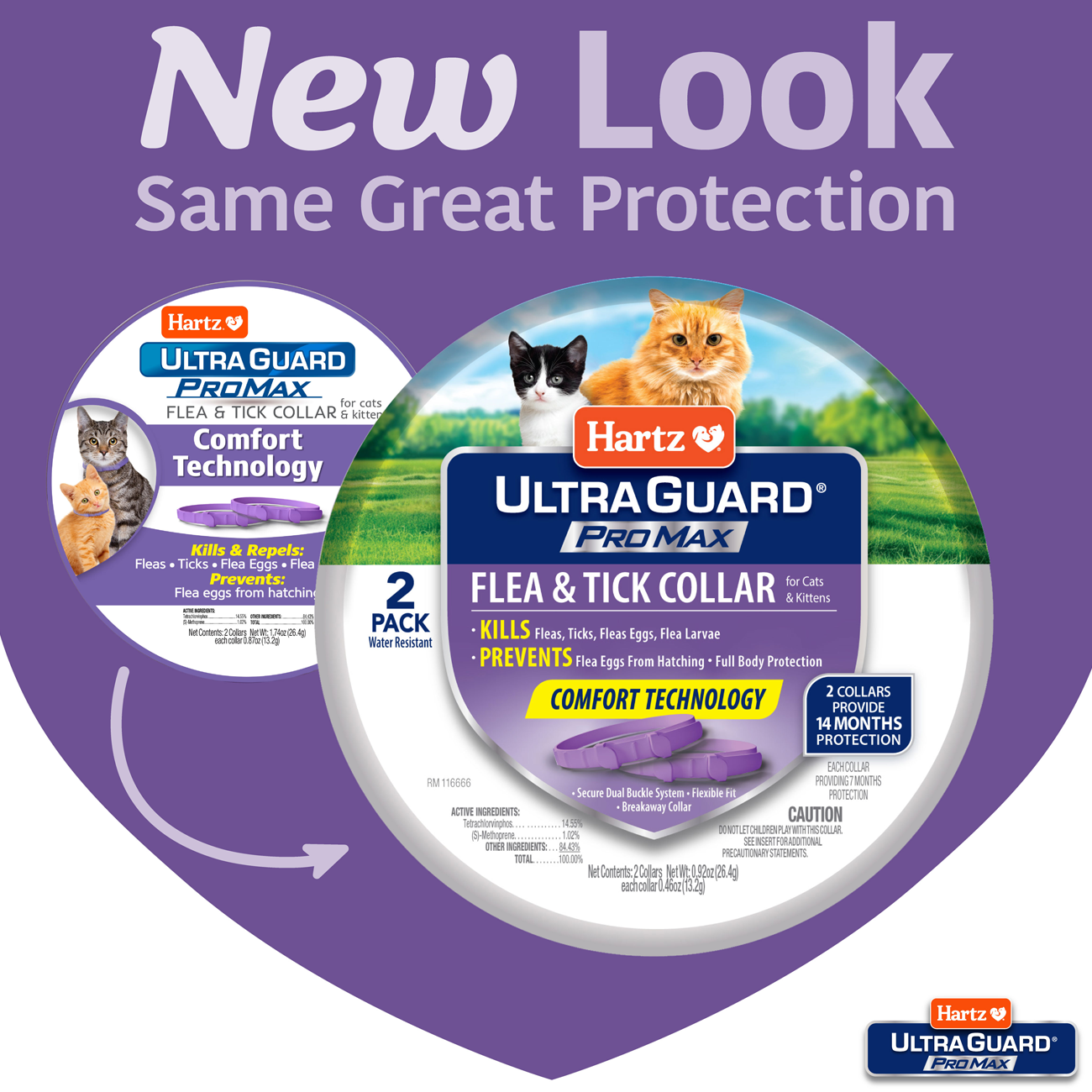
Select collars made for cats, not dogs. Cats need collars with safe ingredients and the right size. Check the label for age and weight recommendations.
- Look for collars approved by pet health experts.
- Choose collars with natural or less-toxic chemicals.
- Avoid collars with strong pesticides for young or small cats.
- Pick a collar that fits snugly but allows two fingers to fit under it.
- Replace collars after the time suggested by the maker.
Proper Application And Monitoring
Put the collar on your cat carefully. Watch your pet often to spot any problems. Remove the collar if your cat shows signs of sickness.
| Action | Details |
| Check collar fit | Two fingers should fit under the collar comfortably |
| Observe skin | Look for redness or hair loss under the collar |
| Monitor behavior | Watch for excessive scratching or lethargy |
| Remove if needed | Take off collar if irritation or illness appears |
Credit: www.hartz.com
Alternative Flea Control Methods
Flea collars can sometimes harm cats. Some cats have reactions to chemicals in collars. It is good to know other ways to control fleas safely.
There are several effective flea control methods. These methods can protect your cat without the risks of collars. Let’s look at some alternatives.
Topical Treatments
Topical treatments are drops placed on the cat’s skin. They kill fleas and stop their eggs from hatching. These treatments work for about a month.
Most topical treatments are easy to use. They spread over the cat’s body and stay effective for weeks.
Oral Medications
Oral medications are pills or chewables given to cats. They kill fleas inside the cat’s body. These medicines stop fleas from growing and reproducing.
- Easy to give and fast acting
- Work well for cats that dislike topical drops
- Usually last for a month
- Safe when used as directed by a vet
Environmental Control
Fleas can live in your home and yard. Cleaning these areas helps stop flea problems. Washing bedding and vacuuming floors remove flea eggs and larvae.
| Method | How It Helps |
| Vacuuming | Removes fleas and eggs from carpets |
| Washing Bedding | Kills fleas and eggs on cat’s bedding |
| Lawn Care | Reduces flea habitat outside |
| Insect Growth Regulators | Prevents flea eggs from hatching |
Veterinarian Recommendations
Flea collars can help control fleas on cats but may also carry risks. It is important to follow expert advice for your cat’s safety.
Your veterinarian can guide you on the best flea prevention methods. They consider your cat’s health and lifestyle when giving advice.
When To Seek Professional Advice
Contact your vet if your cat shows signs of flea collar issues or flea infestations. Early advice helps avoid serious problems.
- Skin irritation or redness around the collar
- Excessive scratching or hair loss
- Behavior changes like lethargy or hiding
- Signs of allergic reactions such as swelling
- Unusual drooling or vomiting
Tailored Flea Prevention Plans
Vets create flea prevention plans that fit your cat’s needs. These plans balance safety and effectiveness.
| Factor | Consideration |
| Age | Kittens and seniors need gentler products |
| Health | Check for allergies or medical conditions |
| Environment | Indoor or outdoor exposure affects risk |
| Other Pets | Use products safe for all household animals |

Credit: pet-supermarket.co.uk
Frequently Asked Questions
Can Flea Collars Harm Cats?
Yes, some flea collars contain chemicals harmful to cats. Always choose cat-specific collars and follow usage instructions carefully to avoid risks.
Are Flea Collars Toxic To Cats?
Certain flea collars can be toxic if ingested or used improperly. Always monitor your cat and consult a vet before use.
How To Use Flea Collars Safely On Cats?
Use only flea collars designed for cats. Remove collars if irritation occurs and avoid combining with other flea treatments without vet advice.
What Symptoms Indicate Flea Collar Poisoning In Cats?
Look for vomiting, drooling, lethargy, or skin irritation. Contact a veterinarian immediately if you notice these signs after collar use.
Conclusion
Flea collars can be risky for cats if used wrongly. Always choose collars made for cats, not dogs. Watch your cat closely after putting on a collar. Remove the collar if your cat shows any signs of sickness. Talk to your vet before using any flea treatment.
Safe flea control keeps your cat healthy and happy. Protect your pet with careful choices and good care.