
Are you worried about your cat constantly scratching or restless from pesky fleas? You’ve probably heard about flea collars and wondered, “Do cat flea collars really work?” It’s frustrating to see your furry friend uncomfortable and to spend money on products that might not help.
You’ll discover how flea collars work, whether they’re effective, and what you should look for to keep your cat flea-free. By the end, you’ll know exactly what to do to protect your cat and bring back their happy, itch-free days.
Keep reading to find the best solution for your beloved pet!

Credit: www.hartz.com
How Flea Collars Work
Flea collars protect cats by killing or repelling fleas. They release chemicals that affect fleas on contact or through the cat’s skin.
Understanding the ingredients and how they work helps you choose the right collar for your cat.
Active Ingredients Explained
Flea collars contain chemicals that stop fleas from biting or growing. Common active ingredients include:
- Imidacloprid: Kills adult fleas quickly
- Flumethrin: Repels and kills ticks and fleas
- Permethrin: Affects flea nervous system but is toxic to cats, so avoided in cat collars
- Spinosad: Causes flea paralysis and death
- Pyrethroids: Target flea nerves to kill them
Modes Of Action
Flea collars work by different methods to control fleas:
- Contact Kill: Chemicals spread on the cat’s fur and kill fleas on contact.
- Repellency: Some ingredients keep fleas away before they bite.
- Growth Disruption: Certain chemicals stop flea eggs and larvae from developing.
- Systemic Action: Some collars release chemicals absorbed through the skin to kill fleas in the bloodstream.
Duration Of Effectiveness
| Flea Collar Type | Duration | Notes |
| Standard Chemical Collars | 4 to 8 weeks | Needs replacement after this time |
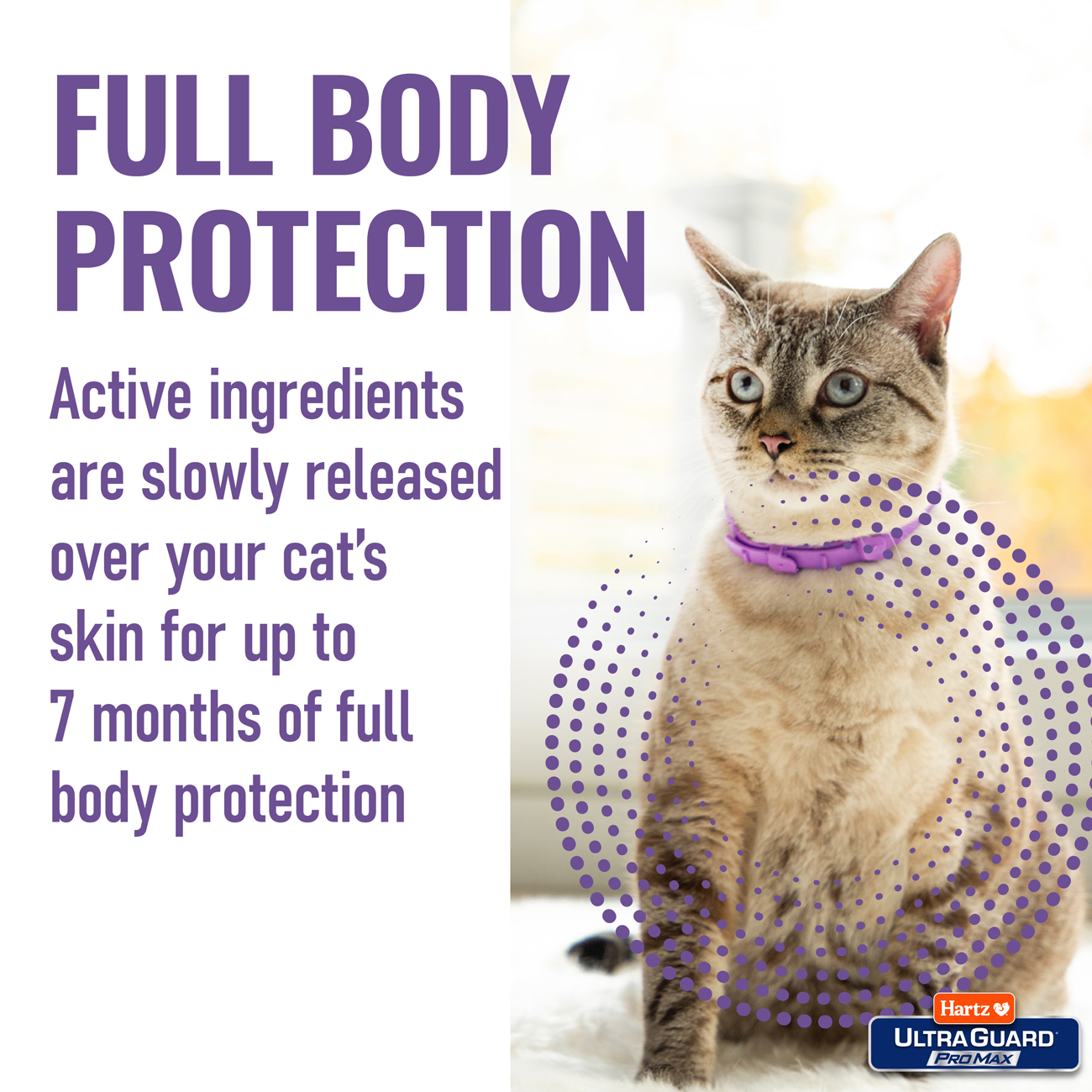
| Slow Release Collars | Up to 6 months | Steady chemical release |
| Natural Ingredient Collars | 1 to 3 months | Less potent, may need frequent changes |
| Combination Collars | 3 to 6 months | Combine repellents and insecticides |
Credit: www.hartz.com
Types Of Cat Flea Collars
Cat flea collars come in different types. Each type works in its own way to keep fleas away.
Knowing the types helps you choose the best collar for your cat’s needs and safety.
Chemical-based Collars
Chemical-based collars use pesticides to kill fleas and prevent them from biting your cat. These collars release chemicals slowly over time.
They are strong and often work fast. Some common chemicals used include imidacloprid and flumethrin.
- Effective at killing fleas and ticks
- Usually lasts several months
- May cause skin irritation for some cats
- Keep away from children and other pets while handling
Natural And Herbal Options
Natural flea collars use plant-based oils and herbs to repel fleas. They do not kill fleas but keep them away from your cat.
| Ingredient | Benefit |
| Lavender Oil | Repels fleas and has a pleasant scent |
| Cedarwood Oil | Acts as a natural insect repellent |
| Neem Oil | Known for anti-flea properties |
| Citronella | Keeps fleas and ticks away |
Combination Collars
Combination collars use both chemical and natural ingredients. They aim to kill fleas and repel them at the same time.
These collars may offer a balance between effectiveness and safety. Some cats tolerate them better than pure chemical collars.
- Contain low-dose chemicals and herbal oils
- Help reduce flea resistance to chemicals
- May last longer than natural-only collars
Effectiveness Of Flea Collars
Flea collars are a popular choice to protect cats from fleas. Many pet owners wonder if these collars really work. The answer depends on different factors, including the type of collar and how it is used.
This article looks at scientific studies, user experiences, and the limits of flea collars. Understanding these points helps pet owners make better decisions.
Scientific Studies And Findings
Research shows that some flea collars release chemicals that kill or repel fleas. The collars often work by spreading insecticide on the cat’s fur. The effectiveness varies based on the active ingredients and collar design.
- Some collars protect cats for up to eight months.
- They can reduce flea populations on the cat and in the environment.
- Not all collars are equally effective; newer formulas tend to work better.
- Some studies found collars less effective against flea eggs and larvae.
Real-world User Experiences
Many cat owners report mixed results with flea collars. Some see fewer fleas soon after use. Others find collars less helpful if their home has a high flea count.
| User Experience | Description |
| Quick Relief | Flea numbers drop within days after putting on the collar. |
| Limited Effect | Fleas return after a few weeks or months. |
| Allergic Reactions | Some cats show skin irritation from collar chemicals. |
| Ease of Use | Many find collars easy to apply and low-maintenance. |
Limitations And Challenges
Flea collars have limits and can face challenges. They do not always stop flea infestations completely. Some cats may not tolerate them well.
- Collars may lose effectiveness if damaged or worn incorrectly.
- They may not protect well against flea eggs or larvae in the environment.
- Some cats develop skin irritation or allergies from collar ingredients.
- Fleas can become resistant to the chemicals used in some collars.
Safety Concerns
Cat flea collars help keep fleas away, but safety matters a lot. It is important to know the risks before using one.
Some cats may react badly to flea collars. You should watch your cat closely when using one.
Potential Side Effects
Flea collars may cause skin irritation or redness on your cat’s neck. Some cats may scratch or bite the area.
Other side effects include hair loss or a bad smell from the collar. In rare cases, cats can feel sick or weak.
- Skin irritation or rash
- Excessive scratching or biting
- Hair loss near the collar
- Unpleasant odor from the collar
- Signs of sickness like weakness
Toxicity Risks
Flea collars use chemicals to kill fleas. Some chemicals can be toxic if your cat chews the collar.
Small or young cats are at higher risk of poisoning. Some collars have ingredients not safe for kittens or sensitive cats.
- Chewing the collar can cause poisoning
- Kittens and small cats are more sensitive
- Some collars use strong chemicals
- Always check if collar is safe for your cat’s age
Proper Usage Guidelines
Use flea collars exactly as the instructions say. Remove the collar if your cat shows signs of irritation or illness.
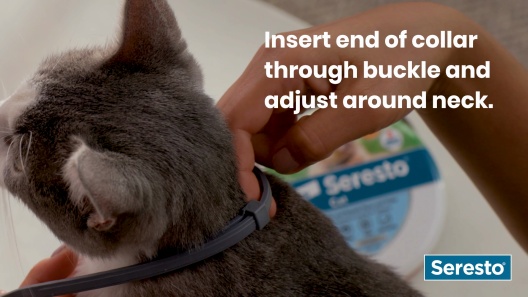
Do not leave a flea collar on a kitten under the recommended age. Check the fit often to avoid choking or discomfort.
- Follow package instructions closely
- Remove collar if skin problems appear
- Do not use on kittens under the age limit
- Adjust collar to fit comfortably
- Watch your cat for any bad reactions
Alternatives To Flea Collars
Flea collars are one way to protect cats from fleas. Some pet owners prefer other options. These alternatives can work well to keep fleas away.
Below are some common flea control methods besides collars. Each has its own benefits and uses.
Topical Treatments
Topical treatments are liquids applied to the cat’s skin. They kill fleas and stop their growth.
These treatments last for several weeks. They are easy to use and work quickly.
- Apply between the cat’s shoulder blades
- Use monthly for best results
- Check for any skin reactions
Oral Medications
Oral medications are pills or chewables given to cats. They kill fleas from inside the body.
These medicines work fast and last for weeks. They are easy to give but need a vet’s advice first.
- May require a prescription
- Effective at killing adult fleas
- Some also protect against ticks
Environmental Control Measures
Fleas live in the environment, not just on cats. Cleaning your home helps stop flea problems.
Use vacuuming, washing bedding, and insect sprays to reduce fleas at home.
- Vacuum carpets and furniture often
- Wash pet bedding in hot water weekly
- Use flea sprays on carpets and floors
- Keep your yard clean and dry
Credit: www.chewy.com
Choosing The Right Flea Collar
Flea collars can protect your cat from fleas and ticks. Picking the right one is important for your cat’s health and comfort.
Not all flea collars work the same. Some suit certain cats better than others. This guide helps you choose the best collar for your cat.
Factors To Consider
Look at these key factors before buying a flea collar for your cat. They affect how well the collar works and how safe it is.
- Cat’s age and size
- Allergy or skin sensitivities
- Active ingredients in the collar
- Duration of protection offered
- Water resistance
- Ease of use and fit
Matching Collar To Cat’s Needs
| Cat Type | Recommended Collar Features |
| Kittens under 12 weeks | Use mild, non-toxic collars made for young cats |
| Adult cats | Choose collars with strong, long-lasting flea control |
| Cats with sensitive skin | Look for hypoallergenic or natural ingredient collars |
| Outdoor cats | Pick water-resistant collars with broad protection |
Consulting Your Veterinarian
Your vet can help pick the safest and most effective flea collar. They know your cat’s health and needs best.
Ask your vet about:
- Potential side effects
- How to check if the collar fits well
- Other flea control options if collars are not suitable
Frequently Asked Questions
Do Cat Flea Collars Effectively Kill Fleas?
Yes, cat flea collars can kill fleas by releasing insecticides. They work best when used properly and consistently. Some collars offer long-lasting protection for several months. However, effectiveness varies with the collar brand and flea severity.
How Long Do Flea Collars Protect Cats?
Most flea collars protect cats for about 8 months. Some collars may last 3 to 7 months depending on the formula. Always check the product label for exact protection duration. Replace collars promptly to maintain flea control.
Are Flea Collars Safe For All Cats?
Flea collars are generally safe for healthy cats. However, kittens, pregnant cats, or those with skin sensitivity may react differently. Always consult a vet before use, especially with medical conditions or allergies. Follow manufacturer instructions carefully for safe use.
Can Flea Collars Prevent Flea Infestations Completely?
Flea collars help reduce flea infestations but may not eliminate all fleas. Use them along with regular grooming and cleaning your cat’s environment. Combining methods provides better flea control and prevents re-infestation.
Conclusion
Cat flea collars can be effective for flea control. They provide a convenient solution. But, not every collar suits all cats. Always check the ingredients. Some cats have allergies. Monitor your pet’s reaction closely. Consult a vet for the best advice.
Different products offer varied results. Choose wisely based on your cat’s needs. Remember, routine checks are important. Keep your pet comfortable and healthy. Consistent flea control is key. Happy cats mean happy owners.