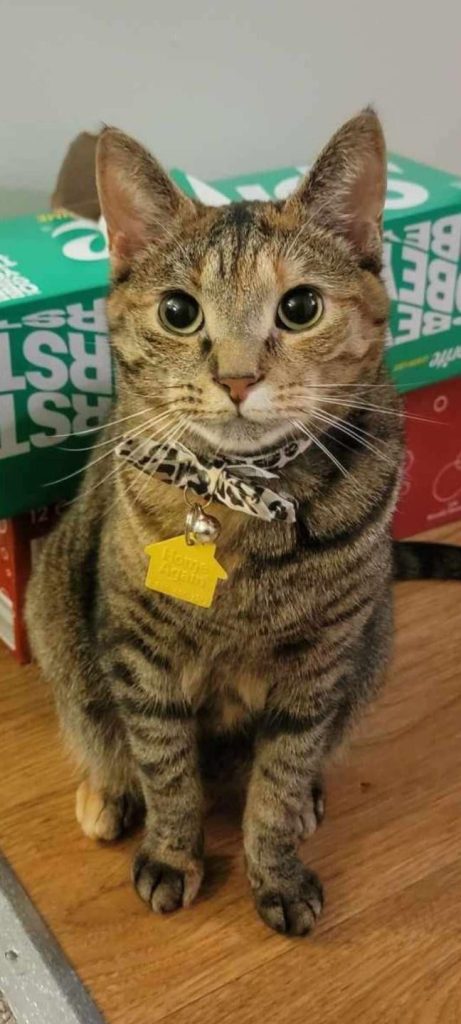
Have you ever wondered if collars really bother your cat? You want to keep your furry friend safe, but you also don’t want to cause them any discomfort.
It’s natural to worry about how your cat feels when wearing a collar. This article will help you understand what your cat might be experiencing and how to choose or adjust a collar so your pet stays happy and comfortable.
Keep reading to discover simple tips that make all the difference for your cat’s well-being.

Credit: www.reddit.com
Why Cats React To Collars
Cats often show strong reactions to wearing collars. This is because collars can affect their senses and comfort. Understanding why cats react helps owners choose better collars.
Some cats feel stressed or try to remove collars. This behavior comes from how collars change their normal feeling and movement.
Sensory Sensitivities
Cats have very sharp senses. A collar can bother their skin and touch senses. The feeling around their neck is new and strange. This can make them anxious or irritated.
- Collars may cause itching or tickling on the neck.
- The sound of a tag or bell can be loud and distracting.
- New smells from the collar material can be unpleasant.
- Some cats dislike anything touching their neck closely.
Movement Restrictions
Collars can limit a cat’s natural movements. Cats use their neck freely to jump, climb, and play. A collar may feel tight or heavy and slow them down.
| Movement Type | Effect of Collar |
| Jumping | Neck feels tight, less flexible |
| Climbing | Collar may catch on objects |
| Playing | Collar may cause discomfort or distraction |
| Grooming | Harder to reach neck area |
Material And Fit Issues
Not all collars fit well or use soft materials. Poor fit or rough materials can cause pain or skin problems. A collar that is too loose or too tight makes cats uncomfortable.
Common problems with collar materials and fit:
- Rough fabrics causing skin irritation
- Metal parts pressing into the skin
- Too tight collars restricting breathing
- Too loose collars slipping off or catching on things

Credit: www.reddit.com
Types Of Collars And Comfort Levels
Cats often wear collars for identification or safety. Choosing the right collar affects their comfort.
Different collar types offer various comfort levels and safety features. Knowing these helps keep cats safe and happy.
Breakaway Collars
Breakaway collars have a special clasp that opens if the collar gets caught. This design reduces the risk of choking.
They are usually made of soft, lightweight material. This makes them more comfortable for cats to wear all day.
Elastic Collars
Elastic collars stretch to fit around the cat’s neck. They give some flexibility if the cat pulls or moves quickly.
- Provide a snug but flexible fit
- Can prevent injury by stretching under tension
- May feel less tight than fixed collars
- Still require supervision to avoid accidents
Harness Alternatives
Some owners choose harnesses instead of collars for outdoor walks. Harnesses spread pressure evenly across the cat’s body.
| Type | Comfort Level | Safety Feature |
| Breakaway Collar | High | Quick-release clasp |
| Elastic Collar | Medium | Stretchable material |
| Harness | High | Full body support |
Signs Your Cat Dislikes The Collar
Some cats do not like wearing collars. They may show clear signs of discomfort. Watching for these signs helps keep your cat safe and happy.
Not all cats will react the same way. It is important to notice changes in their normal behavior after collar use.
Excessive Scratching
One common sign is when your cat scratches the collar area a lot. This can cause redness or hair loss on their neck.
- Repeated scratching or biting at the collar
- Swelling or irritation around the neck
- Trying to remove the collar with paws or teeth
Hiding Or Avoidance
Cats that dislike their collars may hide more than usual. They might avoid people or stay in quiet places.
Watch for these hiding signs:
- Choosing unusual hiding spots
- Refusing to come out for food or play
- Staying very still or frozen in one place
Changes In Behavior
Your cat may act differently if the collar bothers them. Look for signs in their daily routine.
| Behavior | Possible Sign |
| Reduced Appetite | Stress or discomfort |
| Less Grooming | Feeling irritated or anxious |
| Increased Meowing | Requesting help or attention |
Tips For Choosing The Right Collar
Choosing the right collar for your cat is important. A collar should be comfortable and safe. It should not bother your cat or cause harm.
Use these tips to find a collar that fits well and keeps your cat happy and safe.
Proper Sizing
Collars that are too tight can hurt your cat’s neck. Collars that are too loose can get caught on objects. Measure your cat’s neck before buying a collar.
Leave space for two fingers between the collar and your cat’s neck. This ensures the collar fits well without squeezing.
- Use a soft tape measure or string
- Measure around the base of the neck
- Check fit regularly as your cat grows
Soft And Lightweight Materials
Choose collars made from soft materials like nylon or cotton. Heavy collars can cause discomfort or irritate your cat’s skin. Lightweight collars reduce stress on the neck.
Avoid collars with rough edges or hard parts. They can scratch or rub your cat’s fur and skin.
- Look for padded collars for extra comfort
- Avoid collars with metal chains or heavy buckles
- Choose breathable materials to prevent sweating
Safety Features
Safety features help protect your cat from accidents. Breakaway collars release if the collar gets stuck. This prevents choking or injury.
Reflective strips improve visibility at night. This helps you see your cat in low light conditions.
- Choose collars with breakaway or quick-release clasps
- Pick collars with reflective material for night safety
- Avoid collars with heavy tags that can pull on the neck
Introducing Collars To Cats Smoothly
Many cat owners wonder if collars bother their pets. Introducing a collar can be new and strange for a cat. Taking it slow helps your cat get used to this new item without stress.
This guide shows how to introduce collars with care. It focuses on steps to help your cat accept the collar happily and safely.
Gradual Familiarization
Start by letting your cat see and smell the collar. Do not put it on right away. Place the collar near their favorite resting spot or toys.
- Leave the collar out for a few days.
- Watch your cat sniff and touch it.
- Try putting the collar on for a few seconds.
- Slowly increase the time your cat wears it each day.
Positive Reinforcement
Reward your cat for calm behavior with the collar on. Use treats, gentle petting, or soft praise. This builds a happy connection to wearing the collar.
| Action | Reward Type |
| Wearing collar calmly | Treats or petting |
| Allowing collar near face | Soft praise |
| Trying collar for a short time | Favorite toy play |
Monitoring Adjustment Period
Keep a close eye on your cat after fitting the collar. Check for signs of discomfort or stress. Some cats may scratch or try to remove it.
- Excessive scratching or biting at collar
- Hiding or avoiding contact
- Changes in eating or litter habits
- Restlessness or agitation
If any signs last more than a day, remove the collar and try again later.
When To Skip The Collar
Collars can help identify cats and keep them safe. But sometimes, collars might bother cats. It is important to know when skipping a collar is better for your cat’s comfort and safety.
Not all cats need collars. Some cats may find collars uncomfortable or even harmful. This guide explains when it is best to skip the collar.
Indoor-only Cats
Indoor-only cats usually stay inside all the time. They do not face the risks of getting lost outside. Because of this, collars might be unnecessary for them.
Skipping the collar can prevent your cat from feeling annoyed or stressed. Indoor cats also have less chance to get their collar caught on objects.
Cats With Skin Sensitivities
Some cats have skin problems or allergies. Collars can irritate their skin and cause discomfort. If your cat scratches or chews the collar, it could make skin issues worse.
It is better to skip collars for cats with skin sensitivities. Always check your cat’s neck for redness or hair loss if they wear a collar.
Alternative Identification Methods
There are other ways to identify your cat without a collar. Microchipping is a safe option that lasts a lifetime. It helps shelters find owners if a cat gets lost.
Other options include ID tags on harnesses or using breakaway collars that release under pressure. These methods keep your cat safe and comfortable.
- Microchip your cat for permanent ID
- Use a harness with ID tags
- Choose breakaway collars for safety

Credit: www.reddit.com
Frequently Asked Questions
Do Collars Cause Discomfort For Cats?
Yes, some cats may find collars uncomfortable initially. Proper fit and lightweight materials reduce discomfort significantly. Always monitor your cat when introducing a collar.
How Can I Tell If My Cat Dislikes Its Collar?
Look for scratching, biting, or trying to remove the collar. Excessive grooming and signs of distress also indicate discomfort.
Are Breakaway Collars Safer For Cats?
Breakaway collars are designed to release under pressure. They prevent choking hazards and make collars safer for active cats.
Can Collars Affect A Cat’s Behavior?
Collars may cause temporary stress or anxiety. Most cats adjust quickly, but persistent issues should be addressed by a vet.
Conclusion
Cats have unique preferences with collars. Some cats adjust quickly. Others find them uncomfortable. It’s important to observe your cat’s behavior. Watch for signs of distress or irritation. Experiment with different collar types. Soft materials might be more comfortable. Proper fitting is essential for safety.
A collar should not be too tight. Always ensure your cat can breathe easily. Regular checks help maintain comfort. Pay attention to your cat’s needs. Consider their individuality. A happy cat means a relaxed owner. Adjust as necessary for their comfort.
Prioritize their well-being. Your cat’s happiness matters most.