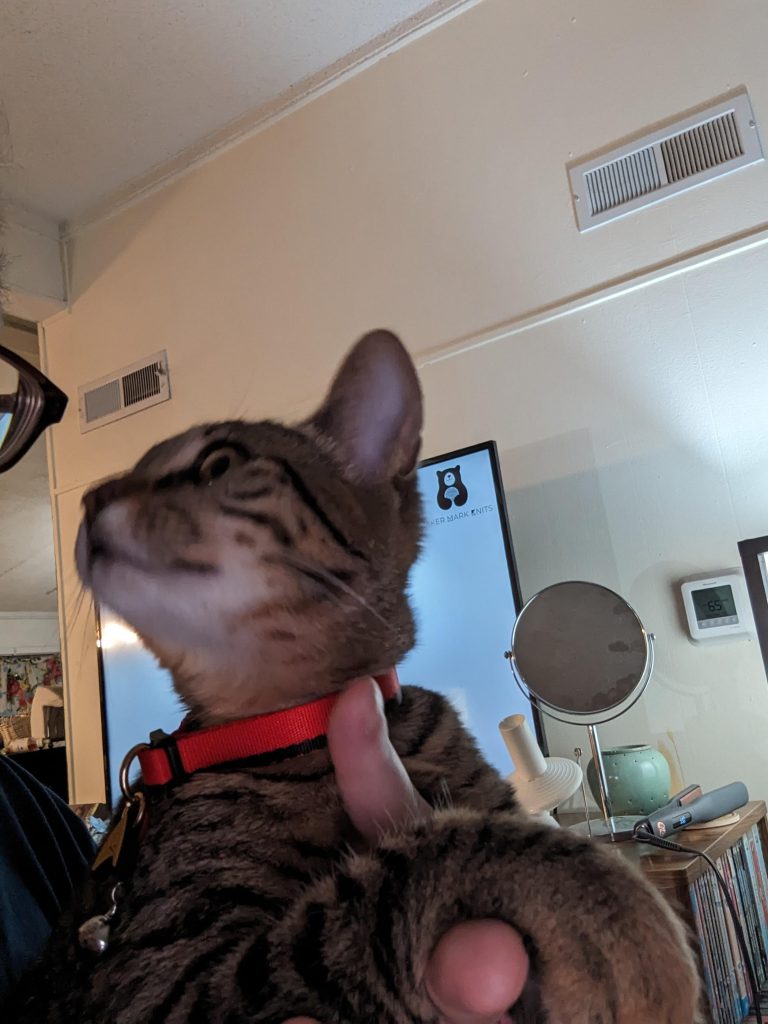
Have you ever wondered if your cat can wear a collar all day, every day? It’s a common question for many cat owners who want to keep their furry friends safe and stylish.
But is it really safe for your cat to have a collar on 24/7? Could it cause discomfort or even harm? You’ll discover the surprising facts about cats and collars, what experts say, and how to make the best choice for your pet’s comfort and safety.
Keep reading—you’ll want to know this before putting that collar on your cat again.
Cats And Collars
Many cat owners wonder if cats can wear collars all day. Collars help identify cats and keep them safe. It is important to know the benefits and types of collars for cats.
Choosing the right collar depends on your cat’s comfort and safety. Let’s explore the benefits of collars and common collar types for cats.
Benefits Of Wearing Collars
Collars offer many advantages for cats and their owners. They help with identification and can protect cats in different situations.
- Show ID tags with owner’s contact information
- Help return lost cats quickly
- Hold bells to warn birds and small animals
- Provide protection with breakaway features
- Allow attachment of GPS trackers for safety
Common Collar Types
There are several collar types for cats. Each type has different designs and safety features.
| Collar Type | Description | Safety Feature |
|---|---|---|
| Breakaway Collar | Releases when pulled hard to prevent choking | Yes |
| Buckle Collar | Has a buckle like a belt, less common for cats | No |
| Elastic Collar | Stretches to allow escape if caught | Partial |
| Martingale Collar | Tightens slightly but not enough to choke | Yes |

Credit: www.reddit.com
Risks Of 24/7 Collar Use
Many cat owners wonder if their pets can wear collars all the time. Wearing a collar 24 hours a day may seem harmless. It is important to know the risks before making this choice.
Collars can cause problems if not used carefully. Cats have sensitive skin and need freedom to move. Understanding the risks helps keep your cat safe and comfortable.
Potential Safety Hazards
Collars worn all day and night can catch on objects. This can cause choking or injury to your cat. Cats that roam outside face higher risks of accidents with collars.
Breakaway collars reduce risk but are not foolproof. Collars that are too tight can block breathing. Loose collars can slip off or get stuck.
- Collars can catch on tree branches or fences
- Choking hazard if collar does not break away
- Tight collars may restrict breathing or movement
- Loose collars can get lost or cause accidents
Skin Irritation And Discomfort
Wearing a collar all the time can irritate a cat’s skin. Sweat and dirt build up under the collar, causing rashes or sores. Cats may scratch or bite at the collar area.
Collars made of rough materials or wrong size cause discomfort. Cats may resist wearing collars if they feel pain. Regular checks and cleaning help prevent skin problems.
- Skin redness or sores under the collar
- Hair loss from constant rubbing
- Bad smell from sweat and dirt buildup
- Discomfort causing stress or behavior changes
Choosing The Right Collar
Choosing a collar for your cat is important for its comfort and safety. The right collar fits well and is made of good material.
This guide will help you pick a collar that your cat can wear safely and comfortably all day.
Material And Fit
Collar material affects how comfortable your cat feels. Soft, lightweight fabrics work best. Avoid stiff or rough materials that can irritate your cat’s skin.
- Nylon collars are strong and light.
- Leather collars look nice but need to be soft.
- Neoprene collars are soft and water-resistant.
- Choose a collar that is adjustable to fit your cat’s neck well.
- Make sure the collar is not too tight or too loose.
Breakaway And Safety Features
A breakaway collar releases if your cat gets caught on something. This feature prevents choking or injury. Always pick collars with safety features for your cat’s well-being.
| Feature | Benefit |
| Breakaway buckle | Releases under pressure to avoid strangling |
| Reflective strips | Makes cats visible in low light |
| ID tag ring | Holds identification tags for easy return |
| Elastic stretch | Allows movement without breaking |
When To Remove The Collar
Many cat owners wonder if their cats can wear collars all the time. It is important to know when to take the collar off. Removing the collar at the right times keeps your cat safe and comfortable.
Some situations need the collar to come off. This helps prevent accidents and skin problems. Read on to learn when to remove your cat’s collar.
During Sleep And Play
Cats should not wear collars while they sleep. Collars can cause discomfort or get caught in bedding. This can disturb their rest or cause injury.
When cats play, collars may get caught on objects. This can lead to choking or panic. Removing the collar during active play is safer for your cat.
- Take off the collar before bedtime
- Remove collar during rough play
- Check collar fit regularly to avoid tightness
Bathing And Grooming
Always remove your cat’s collar before a bath. Water and soap can irritate the collar material. A wet collar can also cause skin problems.
Grooming is easier without a collar. It allows you to check the skin and fur closely. Removing the collar helps prevent matting and discomfort.
- Take off the collar before bathing
- Remove collar during brushing and grooming
- Dry your cat well before putting the collar back on
Monitoring Your Cat’s Collar
Checking your cat’s collar often keeps your pet safe and comfortable. A collar can help identify your cat but needs careful watching.
Wearing a collar all day and night means you must watch for fit and any signs of harm. Regular checks stop problems early.
Regular Checks
Look at the collar every day. Make sure it is not too tight or too loose. You should be able to fit two fingers under the collar.
- Check for dirt and debris on the collar.
- Look for worn or broken parts.
- Make sure the ID tag is clear and attached well.
- Watch if the collar causes hair loss or skin irritation.
Signs Of Trouble
Notice any strange behavior or physical changes in your cat. These can mean the collar causes problems.
| Sign | What to Do |
| Red or sore skin | Remove collar and check skin |
| Swelling around neck | Take off collar and see a vet |
| Cat scratches collar area a lot | Check collar fit and material |
| Collar is tight or stuck | Loosen or replace collar immediately |
Alternative Identification Methods
Not all cats can wear collars all the time. Some cats do not like collars or can get hurt if collars are too tight.
There are other ways to identify your cat. These ways help keep your cat safe and easy to find.
Microchipping
Microchipping is a small chip placed under your cat’s skin. It stores an ID number that vets and shelters can scan.
This method lasts forever and cannot fall off or get lost. It helps find your cat even if it has no collar.
Id Tags
ID tags attach to collars or harnesses. They show your cat’s name and your phone number.
If your cat wears a collar sometimes, ID tags are helpful. They make it easy for others to contact you.
Harnesses
Some cats wear harnesses instead of collars. Harnesses can hold ID tags safely and are less likely to hurt your cat.
Harnesses also help if you take your cat outside. They keep your cat safe and allow you to attach a leash.
Tips For Introducing Collars
Many cat owners wonder if cats can wear collars all the time. Introducing a collar carefully helps your cat get used to it. This guide gives tips to make the process smooth.
Start slow and use gentle encouragement. Cats need time to feel comfortable wearing collars every day.
Gradual Introduction
Put the collar on your cat for a few minutes at first. Watch how your cat reacts. If your cat seems stressed, take the collar off and try again later.
Increase the time your cat wears the collar each day. Let your cat explore and move freely while wearing it. This helps your cat adjust to the new feeling.
- Start with 5-10 minutes
- Watch your cat closely
- Remove collar if your cat is upset
- Slowly add more wearing time daily
Positive Reinforcement
Use treats and praise when your cat wears the collar. Positive experiences help your cat accept the collar faster.
Give your cat a small treat after putting on the collar. Speak softly and pet your cat to make it feel safe and happy.
- Give treats right after collar is on
- Use gentle petting and calm voice
- Play with your cat to distract
- Be patient and consistent

Credit: www.reddit.com

Credit: www.reddit.com
Frequently Asked Questions
Can Cats Wear Collars Safely All Day?
Yes, cats can wear collars all day if the collar fits well. Choose a breakaway or elastic collar to prevent choking hazards. Regularly check the collar for comfort and signs of irritation. Remove collars during sleep or unsupervised times if unsure.
What Type Of Collar Is Best For Cats 24/7?
A breakaway collar is best for cats wearing collars 24/7. It releases quickly if the cat gets caught, preventing injury. Lightweight and adjustable collars ensure comfort. Avoid heavy or rigid collars to reduce stress and skin irritation.
How Often Should I Check My Cat’s Collar?
Check your cat’s collar daily for fit and wear. Ensure it’s not too tight or loose, allowing two fingers underneath. Look for signs of irritation, hair loss, or dirt buildup. Replace collars that show damage or become uncomfortable.
Can Collars Cause Harm If Worn Continuously?
Collars can harm cats if too tight or non-breakaway types. They may cause choking, skin irritation, or hair loss. Breakaway collars significantly reduce these risks. Always supervise your cat initially to ensure the collar is safe and comfortable.
Conclusion
Cats can wear collars daily, but comfort is key. Choose a soft, well-fitted collar. Check for irritation or discomfort regularly. Safety features like breakaway clasps are essential. Identification tags offer peace of mind. Monitor your cat’s behavior. Some cats might resist collars initially.
Patience and gradual introduction help. Always prioritize your cat’s well-being. Consider each cat’s unique needs. Proper collar usage ensures safety and identification. A happy cat means a happy home.