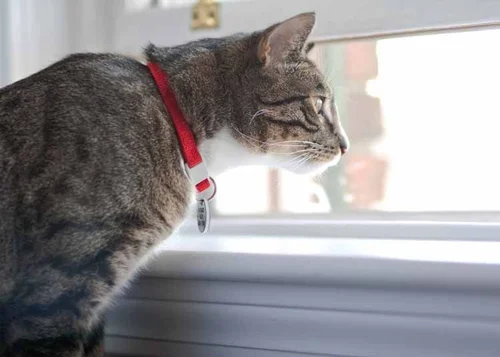
Are you a cat owner who wonders if your feline friend really needs a collar? You’re not alone.
Many pet owners grapple with this question, weighing the pros and cons of adorning their beloved cats with these simple, yet sometimes controversial accessories. You might be curious about the benefits a collar could bring or perhaps concerned about the potential risks it might pose.
This article will delve into the essential aspects of cat collars, providing you with the information you need to make an informed decision. Stay with us as we explore whether a collar is a must-have for your furry companion or just an optional accessory. Your cat’s comfort and safety might just depend on it.
Credit: felcana.com
Benefits Of Cat Collars
Cat collars are simple tools that help keep your pet safe. They offer many benefits beyond just looking nice.
Using a collar can make it easier to find your cat and give important information to others.
Identification And Contact Info
A collar with ID tags shows your cat’s name and your phone number. This helps people return your cat if it gets lost.
- Displays owner’s contact details
- Shows cat’s name for easy ID
- Helps neighbors and shelters return lost cats
Visibility And Safety
Bright or reflective collars make cats easier to see. This reduces the chance of accidents, especially at night.
| Collar Type | Safety Feature |
| Reflective Collar | Shines in car headlights |
| Bright Colored Collar | Easier to spot in grass |
| Breakaway Collar | Releases if caught on objects |
Medical Alerts
Some collars show if your cat has health issues. This info can help in emergencies.
- Diabetic cat
- Allergy to certain medicines
- Neutered or spayed
Types Of Cat Collars
Cat collars come in different types. Each type has a special use. Choosing the right collar keeps your cat safe and comfortable.
Here are common types of cat collars. Learn about their features and benefits to decide what fits your cat best.
Breakaway Collars
Breakaway collars have a special clasp that opens if your cat pulls hard. This helps prevent choking or injury. They are good for cats that go outside or climb trees.
- Safety clasp releases under pressure
- Made of soft materials for comfort
- Often includes a bell or ID tag
- Reduces risk of accidents
Elastic Collars
Elastic collars stretch if your cat gets caught on something. They fit snugly but allow some give. These collars help prevent sudden pulls and injuries.
| Feature | Benefit |
| Stretchy material | Prevents choking |
| Comfortable fit | Worn all day |
| Simple buckle | Easy to put on and off |
| Durable design | Lasts long |
Gps And Smart Collars
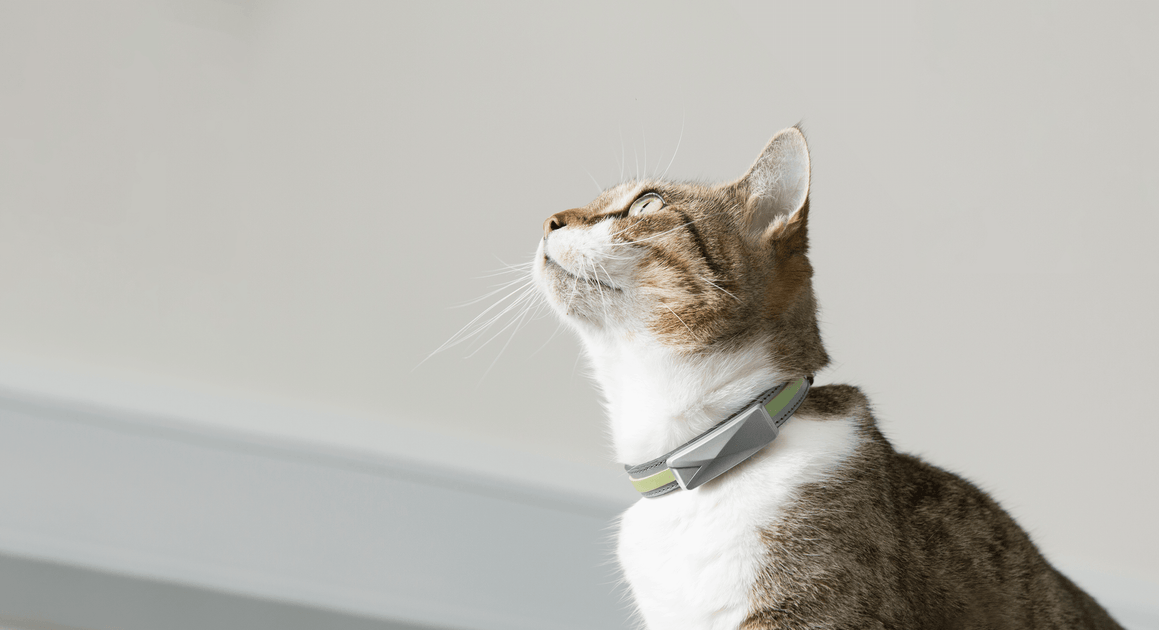
GPS collars help you track your cat’s location. Smart collars can also monitor health and activity. These collars use technology to keep your cat safe.
- Real-time location tracking
- Activity and health monitoring
- Lightweight and waterproof
- Long battery life
Potential Risks Of Collars
Collars can help identify cats, but they also carry risks. It is important to know these risks before using a collar.
This section covers three main dangers: choking hazards, allergic reactions, and getting caught or stuck.
Choking Hazards
Collars that do not fit well or are too tight can cause choking. Cats may also chew on collars, which can lead to swallowing small parts.
- Collars without safety breakaway features increase risk.
- Loose collars can get caught and tighten suddenly.
- Tags or charms may be swallowed accidentally.
Allergic Reactions
Some cats have sensitive skin that reacts to collar materials. Allergies can cause redness, itching, and hair loss.
| Material | Common Reaction |
| Nylon | Skin irritation |
| Leather | Dryness and redness |
| Metal parts | Contact dermatitis |
Getting Caught Or Stuck
Collars can get caught on fences, branches, or furniture. This can trap a cat and cause injury or panic.
Tips to avoid this risk include:
- Use collars with quick-release or breakaway features.
- Check the collar fit regularly to keep it snug but not tight.
- Remove collars when cats play in risky areas.

Credit: www.outdoorbengal.com
Choosing The Right Collar
Choosing the right collar is important for your cat’s safety and comfort. A good collar should fit well and feel soft on your cat’s neck.
There are many types of collars, so think about what works best for your cat’s needs and lifestyle.
Material And Comfort
Choose collars made from soft and lightweight materials. These are gentle on your cat’s skin and fur.
Materials like nylon and leather are common. Nylon is easy to clean, while leather can be more durable.
- Soft fabric prevents irritation
- Lightweight materials reduce discomfort
- Breathable materials keep skin healthy
Proper Fit And Size
The collar should fit snugly but not too tight. Your cat needs to breathe and move freely.
Measure your cat’s neck before buying a collar. Leave space to fit two fingers between the collar and neck.
- Too tight collars cause discomfort
- Loose collars can slip off
- Adjustable collars work best
Durability And Features
Durable collars last longer and withstand your cat’s activity. Look for strong stitching and tough materials.
Some collars have safety features like breakaway clasps. These release if the collar gets caught on something.
- Check for strong buckles or clasps
- Breakaway collars prevent choking hazards
- Reflective strips improve night visibility
Collar Safety Tips
Collars can help identify your cat and keep them safe. But collars must be used carefully. Safety is the top priority for every cat owner.
Read these tips to learn how to keep your cat safe while wearing a collar. Follow simple steps to avoid accidents and discomfort.
Regular Inspection And Maintenance
Check your cat’s collar every day. Look for signs of wear or damage. Make sure it is not too tight or too loose.
- Inspect the buckle and fasteners for damage.
- Ensure the collar fits snugly but allows two fingers to fit underneath.
- Look for dirt or debris that may irritate your cat’s skin.
- Clean the collar regularly with mild soap and water.
- Replace the collar if it shows signs of fraying or weakness.
When To Remove The Collar
Remove your cat’s collar in some situations to avoid harm. Knowing when to take it off is important for safety.
| Situation | Reason to Remove Collar |
| Sleeping | Prevent choking or snagging on bedding |
| Bathing | Keep collar dry and avoid skin irritation |
| Playing with Other Pets | Reduce risk of collar getting caught or pulled |
| Under Supervision Only | Allow collar off-time when safe |
Introducing Collars To Cats
Start slowly when putting a collar on your cat. Let them get used to the feeling. Patience helps avoid stress.
- Show the collar to your cat before putting it on.
- Allow your cat to sniff and play with the collar first.
- Put the collar on for short times at first.
- Offer treats and praise during collar time.
- Gradually increase how long the collar stays on.

Credit: www.familyhandyman.com
Alternatives To Collars
Many cat owners wonder if collars are necessary. Collars can cause problems if not used carefully. Some cats dislike wearing collars or might get hurt.
There are other ways to keep cats safe and identified. These options can work well instead of or along with collars.
Microchipping
Microchipping is a safe way to identify your cat. A small chip is placed under the skin by a vet. It carries a unique ID number.
If your cat gets lost, shelters and vets can scan the chip. They will find your contact information quickly.
Harnesses And Leashes
Harnesses give your cat freedom while keeping them safe outside. They are gentle and fit comfortably around your cat’s body. A leash attaches to the harness.
This method lets your cat explore without running away or getting lost. It also protects them from traffic or other dangers.
- Choose a harness made for cats
- Make sure it fits well and is secure
- Introduce the harness slowly and with treats
- Use a lightweight leash for control
Indoor Safety Measures
Keeping cats indoors reduces risks like accidents and fights. It also lowers chances of losing them. Indoor cats can be safe without collars.
Make your home interesting with toys and climbing areas. Keep windows and doors secure to prevent escapes.
- Provide scratching posts and toys
- Use window screens and secure doors
- Create safe outdoor spaces like catios
- Spend time playing to keep cats active
Frequently Asked Questions
Do Indoor Cats Need Collars?
Indoor cats usually don’t require collars since they stay safely inside. However, collars with ID tags can help if they accidentally escape. Choose breakaway collars to ensure safety and prevent choking hazards indoors.
What Are The Benefits Of Cat Collars?
Cat collars provide identification, helping lost cats return home quickly. They can also carry bells to alert birds and small animals. Collars offer a way to attach flea treatments or GPS trackers for added safety.
Are Cat Collars Safe For All Cats?
Yes, if you use breakaway collars designed to release under pressure. These collars prevent choking or injury if caught on objects. Always check collar fit regularly to ensure it is neither too tight nor too loose.
How To Choose The Right Collar For Cats?
Pick lightweight, adjustable, and breakaway collars for comfort and safety. Materials like nylon or soft fabric reduce irritation. Ensure the collar fits snugly but allows two fingers between the collar and neck.
Conclusion
Cats can benefit from wearing collars for safety and identification. A collar helps find lost cats and shows ownership. Choose a collar that fits well and is safe. Breakaway collars reduce the risk of injury. Not all cats like collars, so watch your pet’s comfort.
Regular checks keep collars in good condition. Collars are a simple step to protect your cat. Think about your cat’s lifestyle before deciding on a collar. Safety and care go hand in hand with collars.