
Have you ever wondered just how big the average house cat really is? You might think you know, but the answer could surprise you.
Understanding your feline friend’s size can help you take better care of them, from choosing the right toys to picking the perfect bed. You’ll discover the typical dimensions of house cats, why size matters, and what it means for your daily life with your furry companion.
Keep reading to learn facts that will change the way you see your cat forever.
Typical Size Range
House cats come in many sizes. Their size depends on breed, age, and health.
Knowing the average size helps understand what to expect from most cats.
Average Weight
Most house cats weigh between 8 and 10 pounds. Some small cats weigh less.
Large cats can weigh up to 15 pounds or more, especially males.
- Small cats: 5 to 7 pounds
- Average cats: 8 to 10 pounds
- Large cats: 11 to 15 pounds
Common Length Measurements
The length of a house cat usually ranges from 18 to 20 inches. This is from head to tail base.
With the tail included, cats can measure up to 30 inches long.
| Measurement | Length (inches) |
|---|---|
| Head to tail base | 18-20 |
| Head to tail tip | 24-30 |
Height Variations
Height at the shoulder usually varies from 9 to 10 inches. Some breeds are shorter or taller.
Height changes with age and body condition. Young cats are smaller and grow over time.
- Small breeds: 7 to 8 inches tall
- Average breeds: 9 to 10 inches tall
- Large breeds: 11 to 12 inches tall

Credit: www.reddit.com
Factors Influencing Size
The size of an average house cat varies due to several factors. These include breed, gender, and age. Each factor plays a role in how big or small a cat can grow.
Understanding these factors helps pet owners know what to expect from their cats. It also gives insight into the natural differences among cats.
Breed Differences
Cat breeds differ widely in size. Some breeds are naturally small, while others grow quite large. For example, Siamese cats are usually slender and light, but Maine Coons can be very big and heavy.
- Siamese:Usually small and slim, weighing 6-12 pounds.
- Maine Coon:One of the largest breeds, weighing 13-18 pounds or more.
- Persian:Medium-sized, with a weight of 7-12 pounds.
- Bengal:Athletic and muscular, weighing 8-15 pounds.
Gender Impact
Male cats tend to be larger than female cats. This size difference is true across most breeds. Males usually have broader bodies and weigh more.
| Gender | Average Weight Range (lbs) |
| Male | 9 – 18 |
| Female | 7 – 12 |
Age And Growth Patterns
Kittens grow quickly in their first year. Growth slows after 12 months but may continue until 2 years old. Different breeds mature at different rates.
Growth Stages of a Cat:
- Birth to 2 months: Rapid weight gain and size increase.
- 2 to 6 months: Major growth spurt, bones and muscles develop.
- 6 to 12 months: Growth slows, cat reaches most of its adult size.
- 12 to 24 months: Final growth phase, especially in large breeds.
Comparing House Cats To Wild Cats
House cats are small and familiar pets in many homes. Wild cats are bigger and live in nature.
This article looks at how house cats differ from wild cats in size. It also explains how their size changed over time.
Size Of Domestic Cats Vs. Wildcats
Domestic cats usually weigh between 8 and 10 pounds. Wild cats can weigh much more. For example, a bobcat weighs about 20 to 30 pounds. A cougar can weigh over 100 pounds.
| Type of Cat | Average Weight (lbs) | Average Length (inches) |
| House Cat | 8–10 | 18–20 |
| Bobcat | 20–30 | 30–40 |
| Cougar | 100–150 | 60–90 |
| Lynx | 25–40 | 30–40 |
Evolutionary Size Changes
House cats came from wild cats about 9,000 years ago. Over time, they became smaller. This helped them live near humans and hunt small animals.
- Wild cats are bigger because they hunt large prey.
- Domestic cats are smaller and more agile for indoor life.
- Human care reduced the need for large size in house cats.
- Evolution favored smaller size for house cats to adapt to homes.

Credit: www.reddit.com
Surprising Size Records
House cats come in many sizes, from tiny to very large. Many people think all house cats are small and similar. Yet, some cats have set surprising size records.
Knowing the biggest and smallest cats helps us see how different breeds can be. Let’s explore some of the largest and smallest house cats ever recorded.
Largest House Cats Ever Recorded
The biggest house cats can grow much larger than the average cat. Some cats weigh over 20 pounds and measure more than 40 inches long. These cats are often from large breeds or just natural giants.
| Cat Name | Breed | Weight | Length |
| Stewie | Maine Coon | 33 pounds | 48.5 inches |
| Barivel | Maine Coon | 22 pounds | 41.5 inches |
| Arcturus Aldebaran Powers | Norwegian Forest Cat | 21 pounds | 39 inches |
These cats are not only heavy but very long. Their size makes them look almost like small wildcats.
Smallest Cat Breeds
On the opposite side, some cat breeds are very small. These cats weigh just a few pounds and are much shorter than average cats.
- Singapura: One of the smallest cat breeds, weighing 4 to 8 pounds.
- Minskin: A tiny breed with short legs and a light body.
- Devon Rex: Small frame and short coat, usually under 10 pounds.
- American Curl: Small to medium size, often weighing 5 to 10 pounds.
Small breeds are popular for their cute looks and easy care. They fit well in small homes and apartments.
Size And Health
House cats come in many sizes, which can affect their health and lifespan. Understanding these effects helps owners care for their pets better.
This article looks at how a cat’s size impacts its life and common health problems linked to size differences.
How Size Affects Lifespan
Smaller cats usually live longer than larger cats. Their bodies put less stress on vital organs. This can lead to fewer health problems over time.
- Small cats often live 12 to 16 years or more.
- Large cats may have shorter lifespans, around 10 to 12 years.
- Weight control helps all cats live longer.
- Genetics also play a role in lifespan.
Common Health Issues Linked To Size
Size can influence which health problems a cat might face. Larger cats often deal with joint stress and heart problems more than smaller cats.
| Health Issue | More Common In | Effect |
| Obesity | Larger Cats | Leads to diabetes and joint stress |
| Arthritis | Larger Cats | Causes pain and less mobility |
| Heart Disease | Larger Cats | Can shorten lifespan |
| Respiratory Issues | Small Cats | May have delicate airways |
| Dental Problems | All Sizes | Needs regular care |
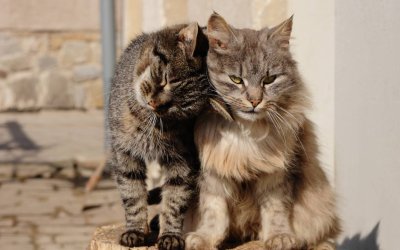
Credit: americanpaws.club
Frequently Asked Questions
How Big Do House Cats Typically Get?
House cats usually weigh between 8 to 10 pounds. Their length ranges from 18 to 20 inches, excluding the tail. Tail length can add an extra 10 to 12 inches. These measurements can vary based on factors like breed, diet, and overall health of the cat.
What Is The Average Height Of A House Cat?
The average height of a house cat is about 9 to 10 inches. This is measured from the ground to the shoulder. Some larger breeds might be slightly taller. Height can vary based on genetics and environmental factors.
How Much Do House Cats Weigh On Average?
On average, a house cat weighs between 8 to 10 pounds. Some breeds may be heavier or lighter. Proper diet and exercise are crucial for maintaining a healthy weight. Always consult a veterinarian for guidance on your cat’s weight.
Are Male House Cats Bigger Than Females?
Yes, male house cats are generally larger than females. Males tend to weigh more and have a longer body. However, this can vary based on breed and genetics. Always ensure both male and female cats maintain a healthy weight.
Conclusion
Average house cats usually weigh between 8 to 10 pounds. They measure about 18 inches long, not counting the tail. Size can vary based on breed, diet, and age. Small cats can still be very active and playful. Knowing their size helps with care and choosing the right toys.
Cats fit well in most homes due to their moderate size. Their size makes them easy to handle and love. Understanding cat size helps you enjoy your pet more.