
Are you passionate about cats and want to turn that passion into a rewarding skill? Getting certified in cat behavior can open doors to new opportunities, whether you want to help your own furry friend or build a career working with cats.
But how exactly do you get certified? What steps should you take, and what should you expect along the way? You’ll discover everything you need to know to become a certified cat behavior expert. Keep reading, and you’ll find clear, simple answers that make the process easy to understand and follow.
Your journey to mastering cat behavior starts here.
Choosing The Right Certification
Getting certified in cat behavior helps you work with cats professionally. Picking the right certification matters for your career and skills.
This guide covers popular certifications, their credibility, and what you need to qualify.
Popular Cat Behavior Certifications
Several organizations offer cat behavior certifications. Each has a focus and level of training.
- International Association of Animal Behavior Consultants (IAABC)
- American Association of Professional Cat Trainers (AAPCT)
- Certification Council for Professional Dog Trainers (CCPDT) – Cat Behavior Specialist
- Karen Pryor Academy Cat Trainer Certification
Accreditation And Credibility
Choose certifications recognized by animal behavior experts. Accreditation shows the program meets quality standards.
| Certification | Accredited By | Recognition |
| IAABC | IAABC Board | Highly respected in animal behavior |
| AAPCT | Self-governed | Popular among cat trainers |
| CCPDT | ANSI (American National Standards Institute) | Internationally recognized |
| Karen Pryor Academy | Karen Pryor Clicker Training | Known for positive reinforcement |
Certification Requirements
Each certification has specific steps to complete. These include education, exams, and practical experience.
- Complete required training courses or workshops
- Gain hands-on experience with cats
- Pass written and practical exams
- Submit case studies or work samples
- Maintain certification with continuing education

Credit: petsittersinternational.teachable.com
Preparing For Certification Exams
Getting certified in cat behavior shows you understand cats well. Preparing for the exam takes time and effort.
Study smart and practice often to do your best on the test. This guide helps you get ready.
Essential Study Materials
Use good books and articles about cat behavior. These materials explain cat body language and habits.
Study guides and past exam questions help you know what to expect on the test.
- Books on feline psychology
- Scientific articles on cat communication
- Study guides from certification bodies
- Sample questions from previous exams
Training Courses And Workshops
Attend classes or workshops to learn from experts. These sessions cover key topics and exam tips.
Courses often include videos and quizzes to help you understand better.
- Online courses on cat behavior
- Hands-on workshops with live cats
- Webinars by certified professionals
- Practice quizzes and group discussions
Practical Experience Tips
Spend time observing and working with cats. Real experience helps you apply what you learn.
Volunteer at shelters or work with cat owners to see different behaviors and problems.
- Watch cats in various environments
- Take notes on their behavior patterns
- Practice handling cats gently and safely
- Discuss cases with other cat behavior enthusiasts
Building Expertise In Cat Behavior
Learning about cat behavior helps you understand their needs and feelings. It is important for anyone who wants to work with cats or improve their care.
Getting certified in cat behavior shows that you know how to read and respond to cats correctly. This guide covers key areas to focus on.
Key Behavioral Concepts
Understanding basic cat behaviors is the first step. This includes how cats communicate and express emotions.
- Body language signals like tail position and ear movement
- Common vocal sounds and their meanings
- Social behaviors with other cats and humans
- Hunting and play instincts
- Stress and fear responses
Observation And Assessment Skills
Careful observation helps you notice small changes in behavior. This skill is needed to assess a cat’s mental and physical health.
| Skill | Description | Why It Matters |
| Watching body posture | Noting how a cat stands or sits | Shows comfort or stress levels |
| Listening to sounds | Identifying different meows or purrs | Helps understand needs and moods |
| Checking environment | Looking for triggers or safe spots | Improves behavior management |
| Recording changes | Keeping notes on behavior over time | Tracks progress and issues |
Handling Challenging Cases
Some cats show difficult behaviors like aggression or anxiety. Knowing how to handle these cases is key to helping them.
Try using these strategies:
- Stay calm and patient with the cat
- Use gentle, slow movements to avoid startling
- Provide hiding places and safe zones
- Work on gradual desensitization to triggers
- Consult with a certified cat behaviorist when needed
Exam Strategies For Success
Preparing for a cat behavior certification exam needs smart strategies. You should plan your time and know how to answer questions well.
Use tips that help you stay calm and focused during the test. This guide shares useful ways to improve your exam results.
Time Management Techniques
Manage your time to avoid rushing or leaving questions unanswered. Divide your exam time by the number of questions.
Keep an eye on the clock and move on if a question takes too long. Come back to it later if time allows.
- Set a time limit per question
- Answer easier questions first
- Leave harder questions for last
- Use remaining time to review answers
Answering Multiple-choice Questions
Read each question carefully. Look for keywords that tell you what the question asks.
Eliminate wrong answers to increase your chances. Choose the best answer, not just the first one that seems okay.
- Focus on one question at a time
- Cross out answers you know are incorrect
- Watch for words like “always” or “never”
- Trust your first guess if unsure
Practical Exam Tips
Get a good night’s sleep before the exam day. Eat a healthy meal to keep your energy up.
Bring necessary tools like a pencil and eraser. Read all instructions carefully before starting the exam.
- Arrive early to reduce stress
- Stay calm and breathe deeply
- Focus on one question at a time
- Check your answers if time permits
After Certification: Next Steps
Getting certified in cat behavior is just the start of your journey. After certification, you can grow your skills and connect with others in the field.
Taking the right steps after certification helps you build a strong foundation for your career and keeps you updated on new knowledge.
Continuing Education Options
Learning does not stop after certification. You can continue to improve by attending workshops, online courses, and conferences.
- Join specialized cat behavior webinars
- Take advanced training classes
- Read recent research and books
- Attend animal behavior conferences
Networking With Professionals
Building relationships with other cat behavior experts helps you learn and find job opportunities. Networking can be done online or in person.
- Join cat behavior forums and groups
- Attend local meetups and seminars
- Connect with veterinarians and trainers
- Volunteer with animal shelters
Building A Career In Cat Behavior
Creating a career in this field requires planning and effort. You can work as a consultant, trainer, or writer to share your knowledge.
| Career Path | Key Activities | Skills Needed |
| Consultant | Assess cats and advise owners | Communication, observation |
| Trainer | Teach behavior techniques | Patience, teaching |
| Writer | Create articles and books | Research, writing |
| Shelter Specialist | Help shelter cats adapt | Empathy, behavior knowledge |
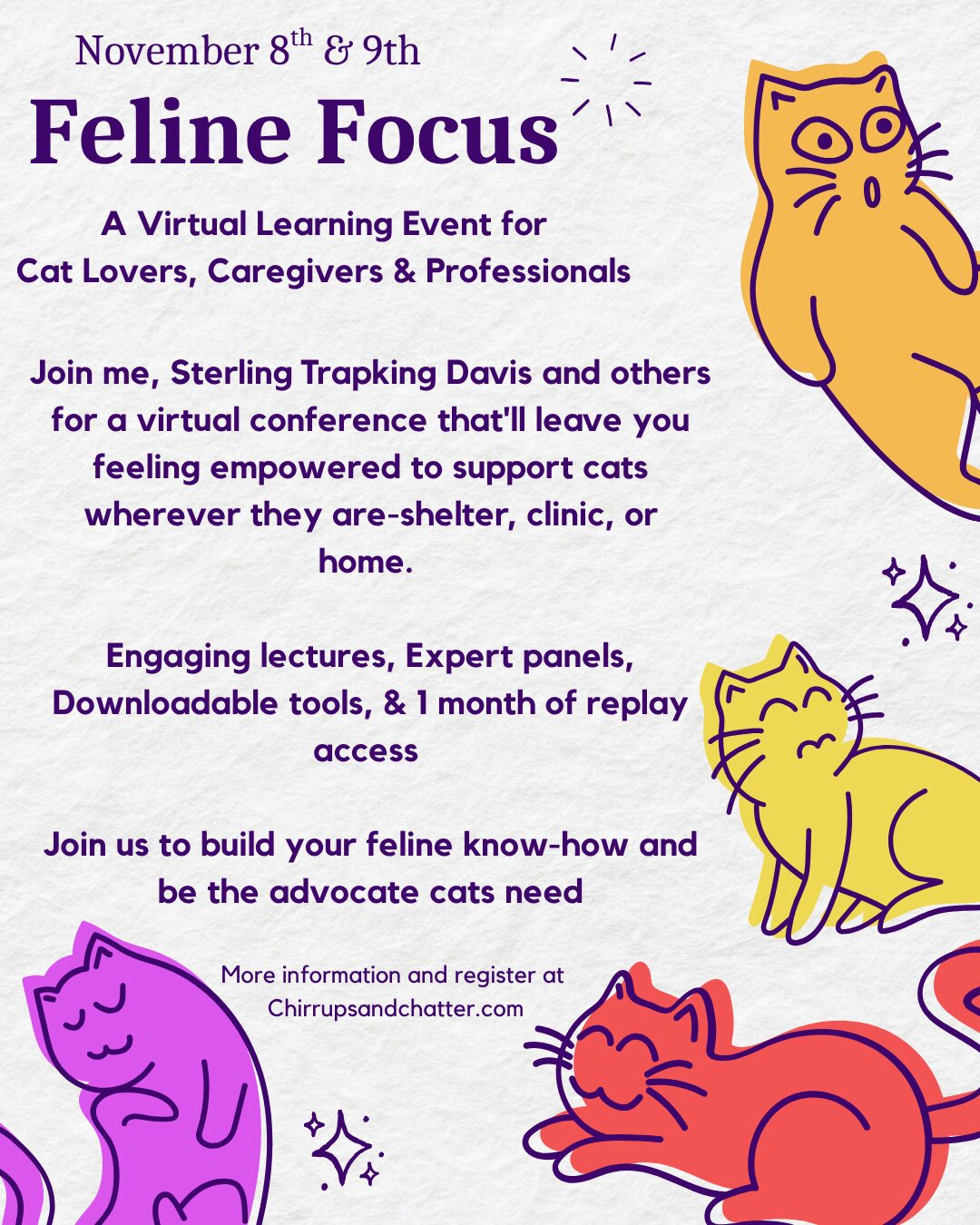
Credit: chirrupsandchatter.com
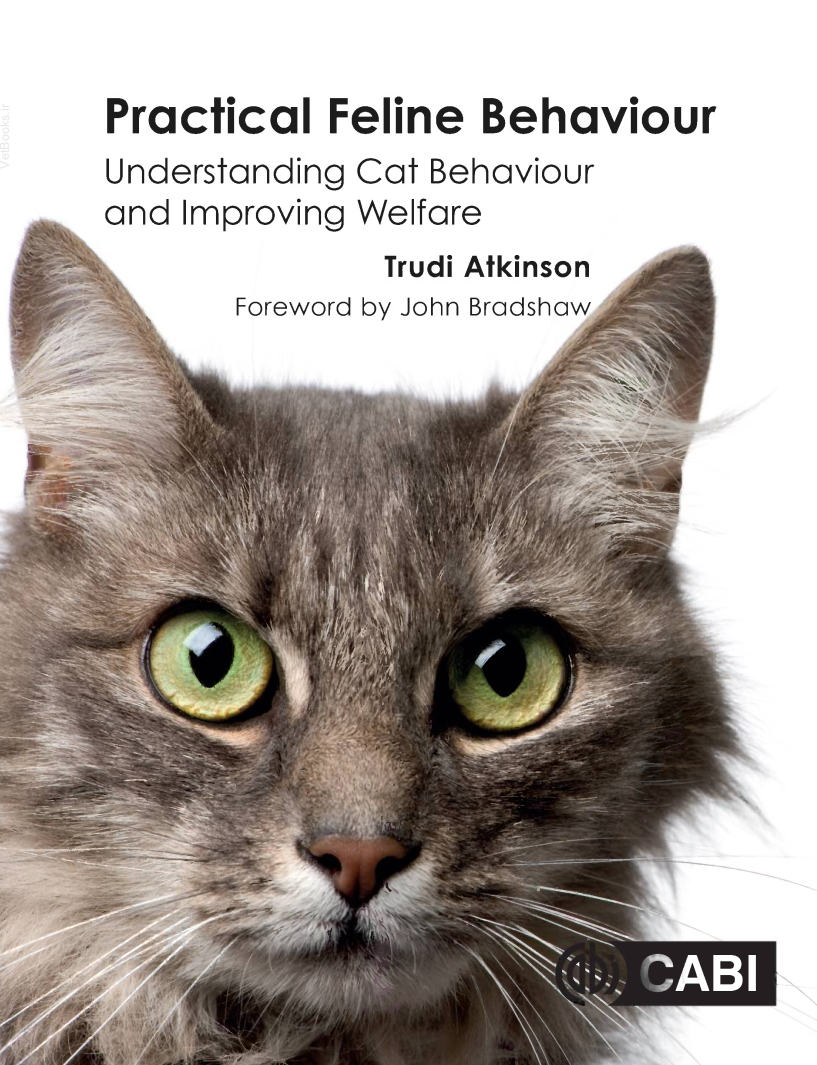
Credit: www.vet-ebooks.com
Frequently Asked Questions
What Is Cat Behavior Certification?
Cat behavior certification is a professional credential. It shows expertise in understanding and managing cat behavior. Certified individuals can advise on cat training, behavior issues, and welfare.
How Long Does Cat Behavior Certification Take?
Certification duration varies by program. Most courses take from a few weeks to several months. It depends on study pace and course requirements.
What Are The Requirements For Cat Behavior Certification?
Requirements include completing coursework, practical experience, and passing exams. Some programs require prior animal care knowledge. Check specific program details before applying.
Where Can I Get Certified In Cat Behavior?
Certification is available from universities, online platforms, and animal behavior organizations. Choose accredited programs recognized by professional bodies for credibility.
Conclusion
Earning a cat behavior certification can enhance your understanding of cats. It equips you with valuable skills to help both cats and owners. Courses are available online, making learning convenient and flexible. Choose a program that fits your schedule and goals.
Practical experience is also crucial. Volunteering at shelters or working with cats boosts your learning. Certification builds trust with potential clients seeking expert advice. Start your journey today and contribute to happier cat lives.