Have you ever wondered why your cat suddenly sprints across the room or knocks things off the counter? You’re not alone.
Understanding normal cat behavior can feel like trying to solve a delightful, yet puzzling mystery. Cats are fascinating creatures with their own unique set of habits and quirks. By learning more about these behaviors, you can better connect with your feline friend and ensure they’re living their happiest, healthiest life.
Get ready to dive into the world of whiskers, purrs, and playful antics, and discover what makes your cat tick. Unraveling these mysteries will not only satisfy your curiosity but also deepen the bond you share with your furry companion.
Credit: www.rd.com
Cat Communication
Cats use many ways to communicate with people and other animals. They show their feelings through body movements, sounds, and smells.
Understanding cat communication helps build a better bond with your pet. It shows what they want or how they feel.
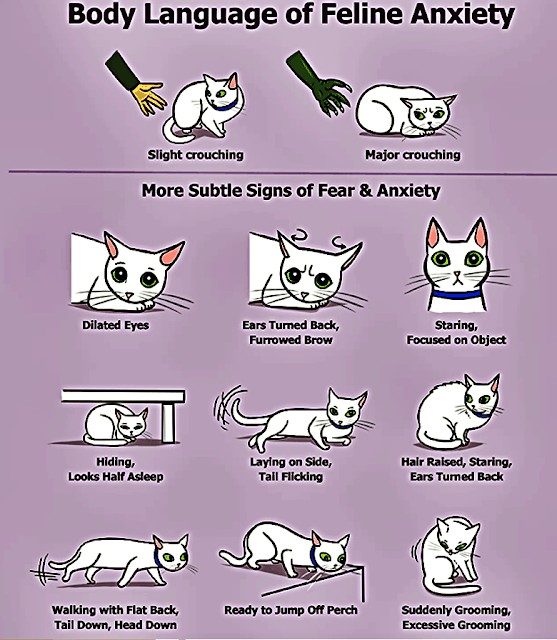
Body Language Signals
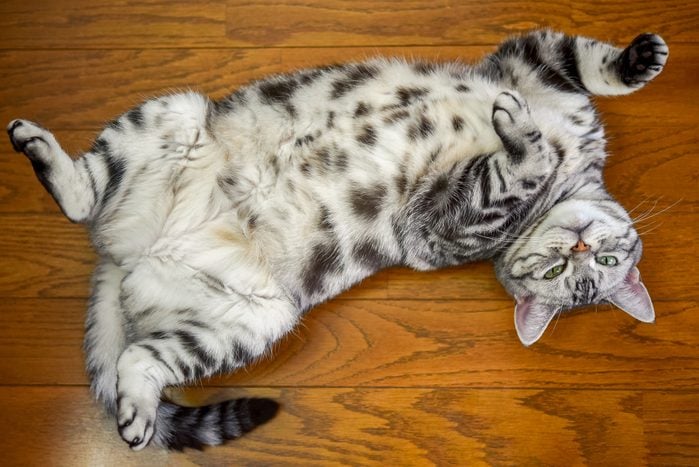
Cats use their body to send clear messages. Their tail, ears, and eyes all tell you what they feel.
- Tail:A raised tail means happiness. A puffed tail shows fear or anger.
- Ears:Forward ears show curiosity. Flattened ears signal fear or aggression.
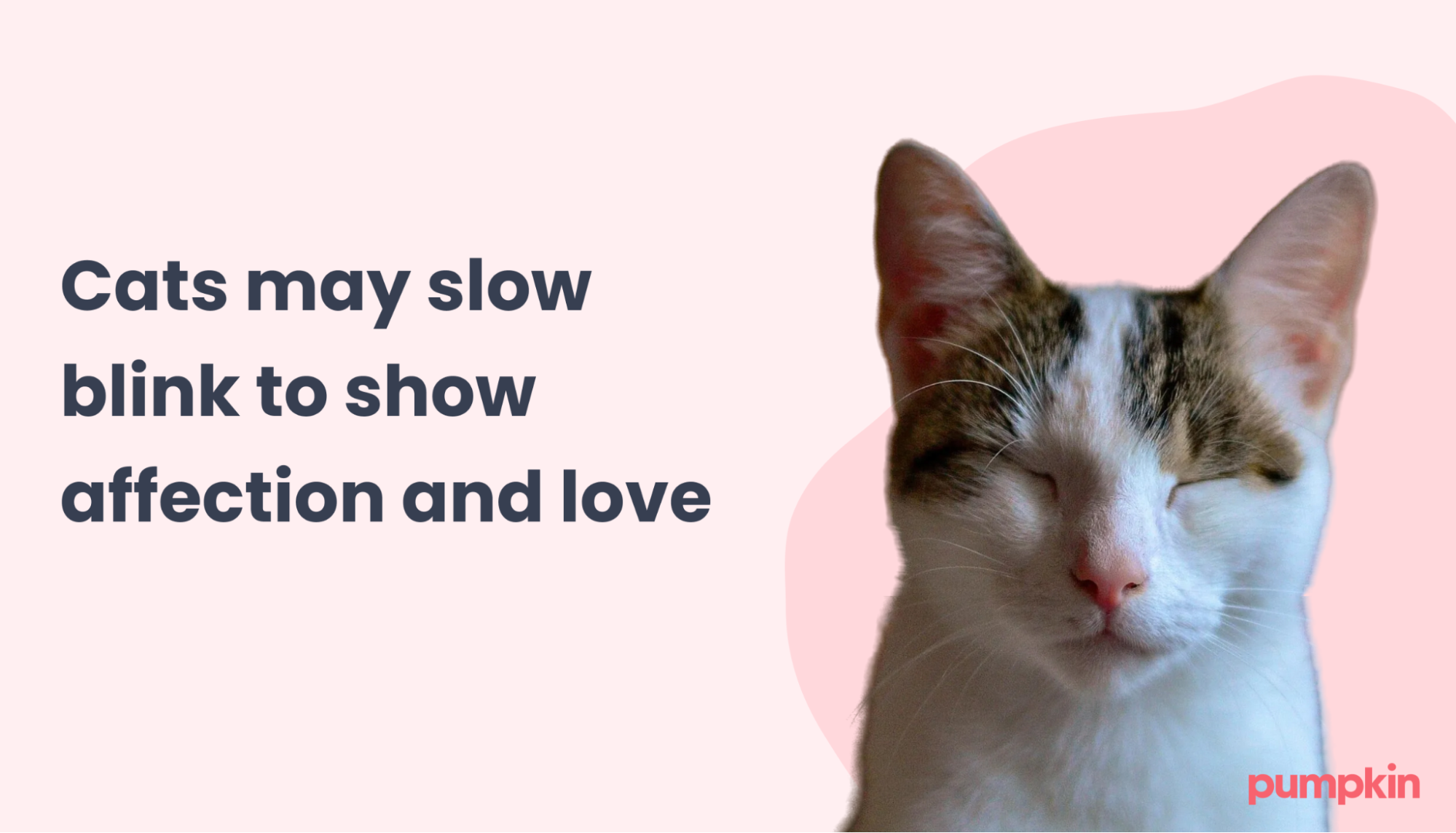
- Eyes:Slow blinking means trust. Wide eyes can mean surprise or fear.
- Body posture:Relaxed body means calm. Arched back shows defense or fear.
Vocalizations And Their Meanings
Cats use different sounds to express themselves. Each sound has a special meaning for their mood or needs.
| Sound | Meaning |
| Meow | Greeting or asking for attention |
| Hiss | Warning or feeling threatened |
| Purr | Contentment or comfort |
| Chirrup | Excitement or calling |
| Growl | Anger or fear |
Scent Marking Habits
Cats mark their space with scents to feel safe and communicate. They use their face, paws, and urine to leave marks.
Scent marking helps cats:
- Claim their territory
- Show they feel safe
- Send messages to other cats
- Find their way home
Daily Activity Patterns
Cats have unique daily habits that show their natural behavior. Understanding these patterns helps you care for them better.
They spend time sleeping, hunting, playing, and exploring their surroundings. Each activity is important for their well-being.
Sleep And Rest Cycles
Cats sleep a lot, usually between 12 and 16 hours every day. They rest to save energy for hunting and playing.
- Most sleep occurs during the day and early evening.
- They take many short naps instead of one long sleep.
- Older cats tend to sleep more than younger cats.
Hunting And Play Behavior
Cats are natural hunters. Even indoor cats show hunting instincts through play. They use stalking, pouncing, and chasing moves.
| Behavior | Description |
| Stalking | Quietly approaching prey or toy |
| Pouncing | Jumping on prey or object quickly |
| Chasing | Running after moving targets |
| Batting | Swatting toys with paws |
Exploration And Territory
Cats explore their area to find food, mates, and safe places. They mark their territory with scent glands on their face and paws.
- Rubbing their face on objects
- Scratching furniture or trees
- Walking around and investigating new smells
- Leaving urine marks in some cases
Social Interactions
Cats show many types of social behavior. They can be friendly, shy, or independent. Understanding their social habits helps us care for them better.
This section covers how cats bond with humans, interact with other pets, and their natural need for alone time.
Bonding With Humans
Cats form strong bonds with their owners. They use body language and sounds to communicate feelings. Purring, rubbing, and sitting close show trust and affection.
- Slow blinking to show comfort
- Head butting to mark as family
- Following owners around the house
- Bringing “gifts” like toys or prey
- Sleeping near or on their owner
Interactions With Other Pets
Cats can live well with other pets if introduced slowly. They use scent and posture to greet new animals. Some cats enjoy company, while others stay cautious.
| Behavior | Meaning |
| Sniffing another pet | Gathering information |
| Tail up | Friendly greeting |
| Hissing or growling | Warning to keep away |
| Playing together | Positive social bond |
Solitary Tendencies
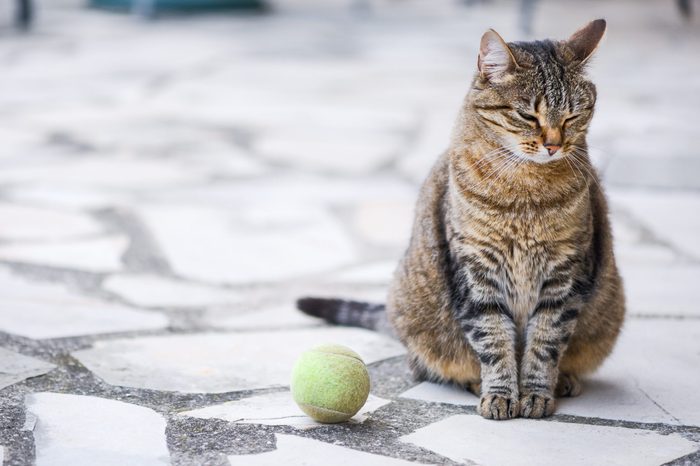
Cats often like time alone. They may hide or rest in quiet spots. Alone time helps them feel safe and reduces stress.
Signs of needing solitude:
- Finding a quiet corner
- Avoiding loud noises
- Not wanting to be touched
- Sleeping more than usual
Credit: www.rd.com
Feeding Behavior
Cats have unique feeding behaviors that show their natural instincts. Understanding these helps keep them healthy.
Their feeding habits reflect their hunting nature and energy needs. Watching these habits can tell you how your cat feels.
Eating Habits
Cats often eat many small meals during the day. They do not like to eat large amounts of food all at once.
They prefer quiet and safe places to eat. Cats may also hide their food or save some for later.
Food Preferences
Cats like meat-based foods because they are natural hunters. They need protein to stay strong and healthy.
Some cats prefer wet food while others like dry food. Texture and smell play a big role in their choice.
- Meat flavors such as chicken, fish, or beef
- Soft textures for easier chewing
- Strong smells that attract their attention
Hydration Practices
Cats usually drink small amounts of water many times a day. They get some water from wet food too.
They prefer fresh and clean water. Some cats like running water and may drink from a fountain or tap.
- Drink several small sips throughout the day
- Prefer clean, fresh water sources
- May avoid water near their food bowl
Grooming Rituals
Cats spend a lot of time grooming themselves and others. Grooming helps keep their fur clean and healthy.
These rituals are important for their comfort and social bonds. They also show how cats care for their well-being.
Self-grooming
Self-grooming means cats lick their fur to clean it. They use their rough tongues to remove dirt and loose hair.
This behavior helps cool their body and spreads natural oils to keep their coat shiny.
Mutual Grooming
Mutual grooming happens when cats groom each other. This shows trust and friendship between cats.
- It helps reduce stress in cats
- Strengthens social bonds
- Allows cats to reach spots they cannot groom alone
Grooming And Health
| Grooming Activity | Health Benefit |
| Self-grooming | Keeps fur clean and skin healthy |
| Mutual grooming | Reduces stress and strengthens bonds |
| Excessive grooming | May signal stress or skin problems |
Watching grooming habits can help spot health issues early. Changes in grooming may mean your cat needs a vet visit.
Signs Of Stress Or Illness
Cats often hide when they feel unwell or stressed. Knowing their normal behavior helps spot problems early.
Look for changes in how they act or their daily habits. These can be signs of stress or illness.
Behavioral Changes
Watch for shifts in your cat’s usual behavior. Sudden changes may show they are uncomfortable or sick.
- Less playing or hiding more than usual
- Changes in eating or drinking habits
- Excessive grooming or lack of grooming
- Aggression or unusual fearfulness
- Vocalizing more or less than normal
- Bathroom accidents outside the litter box
Common Stress Triggers
Stress can cause health problems in cats. Identifying triggers helps reduce their anxiety.
| Trigger | Effect on Cat |
| New pet or person in home | Fear, hiding, aggression |
| Loud noises or sudden changes | Startled behavior, hiding |
| Changes in routine or environment | Loss of appetite, restlessness |
| Illness or pain | Withdrawal, less activity |
When To Seek Veterinary Help
Some signs need quick veterinary attention to keep your cat safe and healthy.
- Continuous vomiting or diarrhea
- Difficulty breathing or coughing
- Sudden loss of appetite or water intake
- Severe changes in behavior or consciousness
- Injuries or bleeding
- Signs of pain like limping or crying
Credit: www.pumpkin.care
Frequently Asked Questions
What Are Common Normal Cat Behaviors?
Normal cat behaviors include grooming, sleeping, playing, and hunting instincts. Cats also show affection by purring and kneading. They mark territory by scratching and rubbing their scent glands. These behaviors indicate a healthy and content cat.
How Do Cats Communicate Their Feelings?
Cats communicate through body language, vocalizations, and facial expressions. Purring often means contentment, while hissing signals fear or aggression. Tail position and ear movement also reveal mood. Understanding these cues helps owners respond appropriately to their cat’s needs.
Why Do Cats Scratch Furniture?
Cats scratch to sharpen claws, mark territory, and stretch muscles. This natural behavior helps maintain claw health. Providing scratching posts redirects this action from furniture, protecting home items while satisfying the cat’s instinct.
Is Sleeping A Normal Cat Behavior?
Yes, cats typically sleep 12-16 hours daily. This conserves energy for hunting and play. Kittens and older cats sleep more. Regular sleep patterns indicate a well-adjusted, healthy cat.
Conclusion
Cats show many behaviors that help us understand their needs. They purr when happy and may hiss when scared. Playfulness and curiosity keep them active and healthy. Watching their body language helps us know their mood. Respecting their space builds trust and friendship.
Every cat is unique, so patience is key. Knowing normal cat behavior makes life easier for both. Caring for cats becomes more joyful with this knowledge. Enjoy your time with your furry friend!