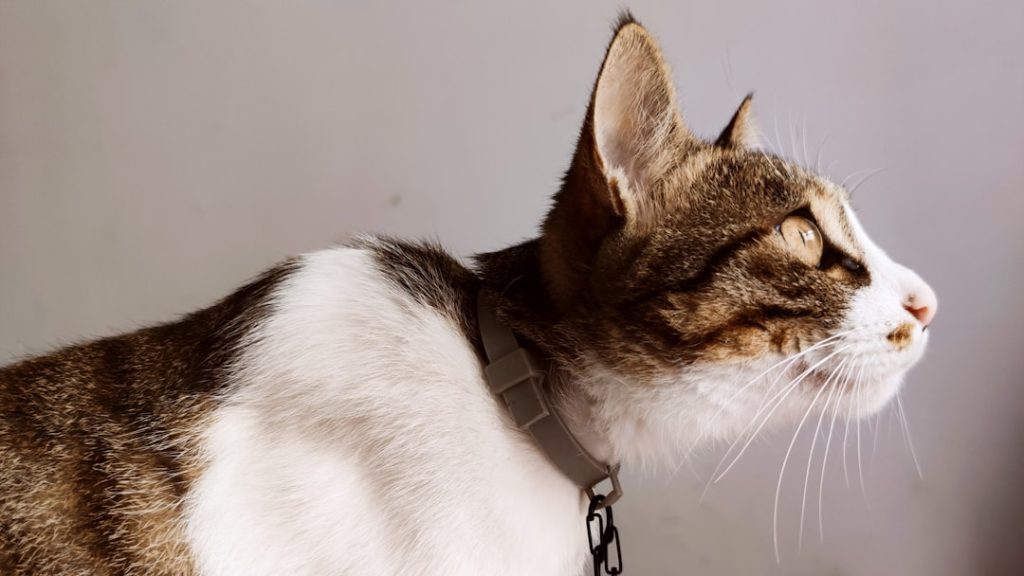
Are you worried about fleas bothering your cat? Fleas can make your furry friend uncomfortable and cause health problems.
You might be wondering if flea collars are the right solution. Are they really effective, or just a waste of money? You’ll discover the truth about flea collars for cats, how they work, and what you need to know before choosing one.
Keep reading to protect your cat and give them the comfort they deserve.
How Flea Collars Work
Flea collars help protect cats from fleas by releasing active substances. These substances spread over the cat’s skin and fur.
The collars provide a steady supply of flea-fighting ingredients. These ingredients either kill fleas or stop them from growing.
Active Ingredients Explained
Flea collars contain chemicals that target fleas in different ways. Common ingredients include:
- Imidacloprid – attacks the nervous system of fleas
- Flumethrin – repels and kills fleas and ticks
- Permethrin – paralyzes fleas but is toxic to cats, so rarely used
- Insect growth regulators (IGRs) – stop flea eggs and larvae from developing
Modes Of Action On Fleas
These active ingredients work by targeting fleas in different ways. Some attack the flea’s nervous system to kill them quickly.
Others prevent fleas from laying eggs or stop the eggs from hatching. This breaks the flea life cycle and reduces infestations.
| Mode of Action | Effect on Fleas |
| Neurotoxin | Kills adult fleas fast |
| Insect Growth Regulator | Stops eggs and larvae from developing |
| Repellent | Keeps fleas away from the cat |
Duration Of Effectiveness
Flea collars can protect cats for weeks or months. The exact time depends on the collar’s formula and brand.
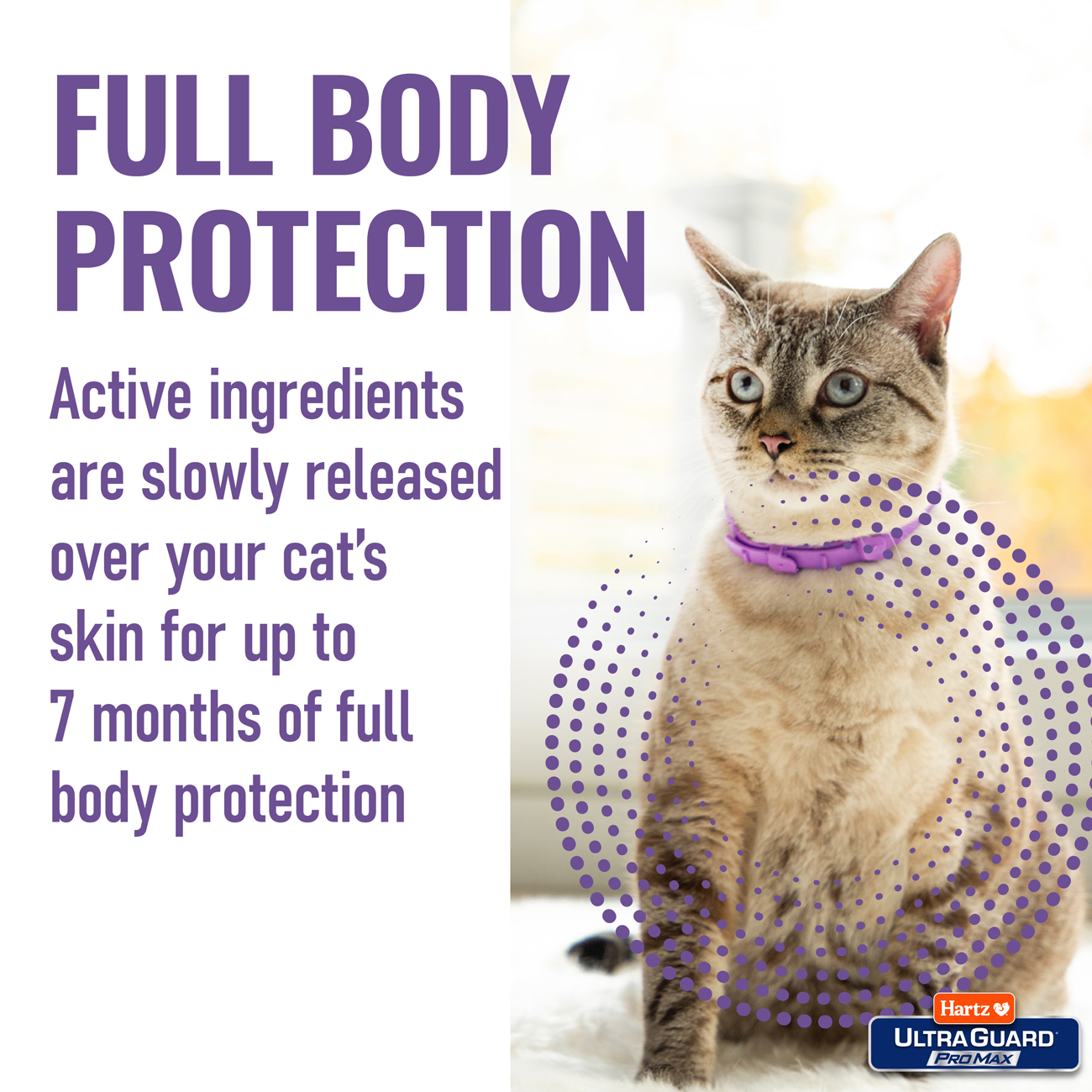
- Most collars work for 2 to 8 months.
- The collar slowly releases active ingredients over time.
- Collars should be replaced as the protection fades.
- Water, dirt, and wear can reduce how long collars last.

Credit: www.hartz.com
Benefits Of Flea Collars For Cats
Flea collars are a popular tool to protect cats from fleas. They offer several benefits that make flea control easier for cat owners.
Using a flea collar can help keep your cat comfortable and free from flea bites. Below are some key advantages of using flea collars.
Convenience And Ease Of Use
Flea collars are simple to put on. You only need to fasten the collar around your cat’s neck. There is no need for messy sprays or pills.
- Easy to wear and adjust
- No daily application needed
- Water-resistant options available
Continuous Protection
Flea collars provide ongoing protection. They slowly release ingredients that kill fleas and prevent new ones from settling on your cat.
| Benefit | Details |
| Long-lasting | Protection lasts for weeks or months |
| Prevents infestations | Stops fleas from multiplying on your cat |
| Works in all weather | Many collars remain effective even if your cat gets wet |
Cost-effectiveness
Flea collars can be less expensive than other flea treatments. They reduce the need for frequent purchases of sprays or medicines.
Cost benefits include:
- One purchase lasts for weeks
- Less need for extra flea products
- Reduced vet visits due to flea problems
Limitations And Risks
Flea collars for cats are widely used but come with some limits and risks. They do not always work perfectly for every situation. Understanding these can help cat owners make safer choices.
This section covers side effects, how well collars work on bad infestations, and possible allergies in cats.
Potential Side Effects
Flea collars can cause mild to serious side effects in cats. Some cats may experience skin irritation or hair loss where the collar sits.
- Redness or rash around the neck
- Excessive scratching or grooming
- Hair thinning near the collar area
- Possible vomiting or drooling in rare cases
Effectiveness Against Severe Infestations
Flea collars may not fully control heavy flea infestations. They release chemicals slowly and might not kill all fleas quickly. Other treatments may be needed for severe cases.
| Infestation Level | Flea Collar Effectiveness |
|---|---|
| Light | Usually effective |
| Moderate | Partially effective, may need extra treatment |
| Severe | Often not enough alone |
Allergic Reactions In Cats
Some cats are allergic to flea collar chemicals. Allergic reactions can cause itching and swelling. These signs need quick attention from a vet.
- Swelling of face or neck
- Continuous scratching or biting
- Hair loss in patches
- Changes in behavior like hiding or irritability
Credit: www.hartz.com
Alternatives To Flea Collars
Flea collars may not always work well for cats. Many cats find them uncomfortable or may have allergic reactions. There are other ways to keep your cat free from fleas.
Using different treatments can help control fleas better. These options can be safer and more effective for your cat.
Topical Treatments
Topical treatments are liquids you apply to your cat’s skin. They kill fleas and stop new ones from growing. These treatments usually last for one month.
They are easy to use and work fast. You put the drops on the back of the cat’s neck. This keeps the cat from licking the treatment off.
- Apply once a month for best results
- Check the cat’s skin for irritation
- Choose products made for cats only
Oral Medications
Oral medications come in tablets or chewables. Cats take these by mouth to kill fleas inside their bodies. These medicines stop fleas from laying eggs.
They work quickly and keep working for weeks. Some oral treatments also kill ticks and other parasites. Always follow the vet’s instructions for dosage.
- Give with food to avoid upset stomach
- Only use vet-approved flea pills
- Keep track of when to give the next dose
Environmental Control Measures
Fleas live in your home, not just on your cat. Cleaning your home helps remove flea eggs and larvae. This stops new fleas from hatching and spreading.
Vacuum floors, carpets, and furniture often. Wash your cat’s bedding in hot water weekly. Use flea sprays or powders safe for pets around the house.
- Vacuum daily to catch flea eggs and dirt
- Wash bedding in hot water every week
- Use pet-safe insect sprays on carpets and furniture
- Keep your yard clean and free of debris
Choosing The Right Flea Collar
Flea collars can protect your cat from fleas and ticks. Choosing the right one is important for your cat’s health and comfort. Not all flea collars work the same way or are safe for every cat.
Learn how to pick a flea collar that is safe and effective. Look at important factors before buying one for your cat.
Factors To Consider
Choose a flea collar that fits well and suits your cat’s age and weight. Some collars work better for indoor cats, while others suit outdoor cats. The collar should be water-resistant if your cat goes outside often.
- Size and fit of the collar
- Cat’s age and health condition
- Indoor or outdoor lifestyle
- Water resistance
- Duration of effectiveness
Safe Ingredients For Cats
Check that the flea collar contains safe ingredients for cats. Some chemicals can harm cats, especially kittens or cats with allergies. Natural or vet-approved ingredients reduce risks.
| Ingredient | Safe for Cats | Notes |
| Imidacloprid | Yes | Common and effective |
| Flumethrin | Yes | Usually combined with imidacloprid |
| Permethrin | No | Toxic to cats |
| Natural oils (e.g., cedar, citronella) | Sometimes | May cause allergies |
Reading Labels And Instructions
Always read the label before buying or using a flea collar. Instructions tell you how to use the collar safely and how long it works. Follow the directions to avoid harming your cat.
- Check the expiry date
- Read safety warnings
- Follow the fitting guide
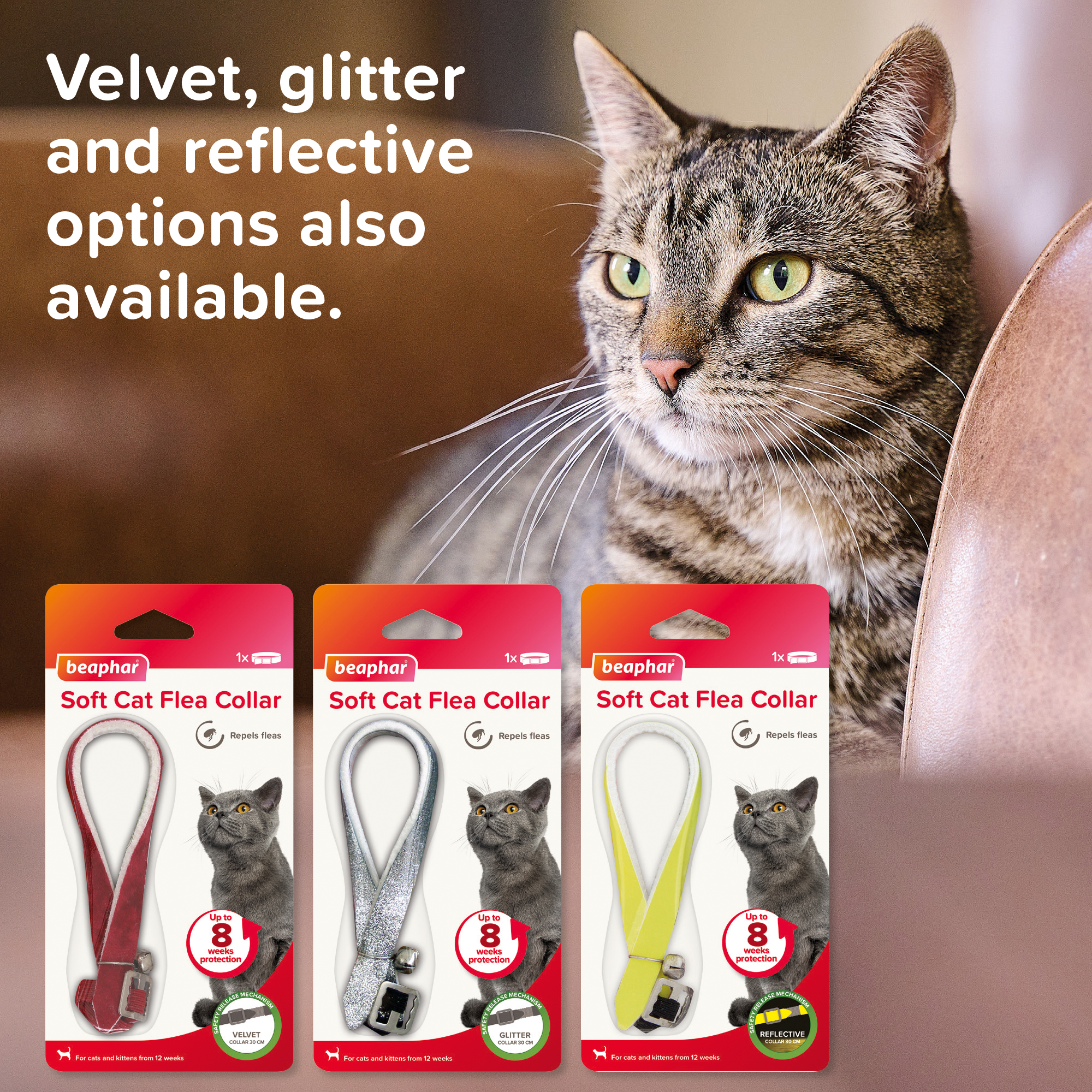
- Note the duration of effectiveness
- Look for signs of irritation after use
Credit: www.beaphar.co.uk
Tips For Maximizing Flea Collar Effectiveness
Flea collars can help keep your cat free from fleas. To get the best results, you need to use them the right way. This guide shares easy tips to boost how well flea collars work for your cat.
Following these simple steps will help protect your pet and reduce flea problems in your home.
Proper Fitting And Placement
Make sure the flea collar fits your cat well. It should be snug but not too tight. Place it around the neck so it touches the skin for better flea control.
- Measure your cat’s neck before buying a collar.
- Adjust the collar to fit comfortably.
- Trim any extra length to avoid catching on objects.
- Check that the collar is close to the skin, not loose.
Regular Monitoring And Replacement
Flea collars lose their power over time. Check the collar often and replace it as the label says. Keep an eye on your cat’s skin for any irritation.
| Action | How Often |
|---|---|
| Check collar fit and condition | Weekly |
| Look for skin redness or swelling | Weekly |
| Replace collar with new one | Every 3-6 months |
Combining With Other Flea Control Methods
Using a flea collar alone may not stop all fleas. Add other ways to fight fleas for better results. This helps protect your cat and home fully.
- Use flea combs to remove fleas manually.
- Wash your cat’s bedding often in hot water.
- Vacuum floors and furniture regularly.
- Talk to your vet about safe flea shampoos or treatments.
Frequently Asked Questions
Are Flea Collars Safe For Cats?
Flea collars are generally safe for cats when used correctly. Always choose collars made specifically for cats. Follow manufacturer instructions carefully to avoid irritation or toxicity. Consult a vet before use, especially for kittens or cats with health issues.
How Effective Are Flea Collars On Cats?
Flea collars can be effective in repelling and killing fleas. Their effectiveness varies by brand and active ingredients. Some collars provide long-lasting protection, while others work better combined with other flea treatments.
Can Flea Collars Cause Side Effects In Cats?
Yes, flea collars may cause side effects like skin irritation or allergic reactions. Watch for excessive scratching, redness, or hair loss. Remove the collar and consult a vet if any adverse reactions occur.
How Long Do Flea Collars Work On Cats?
Most flea collars provide protection for 4 to 8 months. The duration depends on the collar’s formula and the cat’s activity level. Replace the collar as recommended to ensure continuous flea control.
Conclusion
Flea collars can be effective for cats. They offer a convenient solution. Some cats may experience skin irritation. It’s important to monitor your cat’s reaction. Not all collars work the same. Choose one that suits your cat’s needs. Consult a vet for the best recommendation.
Regular check-ups ensure your cat stays healthy. A flea-free cat means a happier home. Consider your cat’s comfort and safety first. Always follow the collar’s instructions closely. Flea prevention is key to a healthy pet.