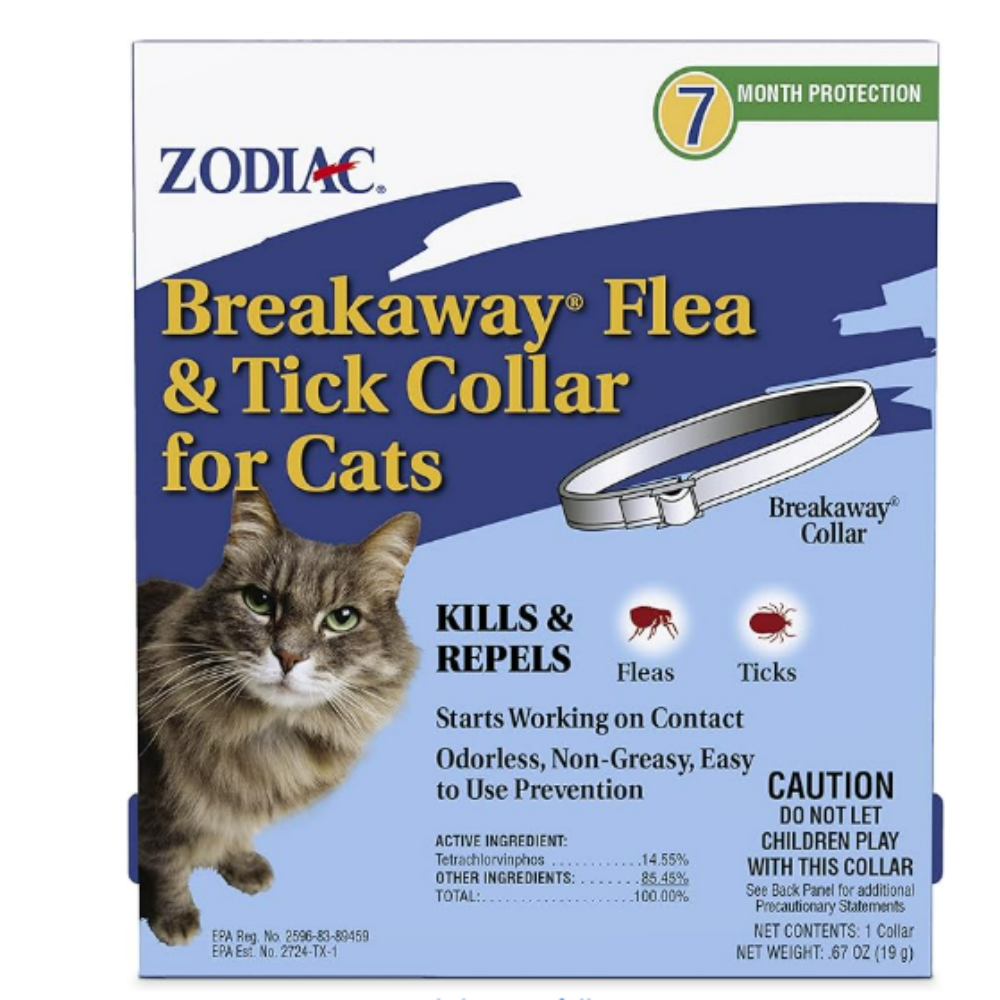
If you have a cat, you want to keep them safe and comfortable. Flea collars are a popular choice for protecting your furry friend from those pesky bugs.
But have you ever stopped to wonder—are flea collars harmful to cats? You might be surprised by what you don’t know. You’ll discover the truth about flea collars, how they work, and what risks they might pose to your cat’s health.
Keep reading to make the best decision for your beloved pet’s well-being.
Flea Collars And Cat Safety
Flea collars are common tools to protect cats from fleas. They release chemicals to kill or repel fleas. Some cat owners worry if these collars are safe for their pets.
This article explains how flea collars work and what ingredients they contain. Knowing this helps you decide if a flea collar is right for your cat.
How Flea Collars Work
Flea collars slowly release insecticides or repellents near your cat’s skin. The chemicals spread over the fur and skin to fight fleas. Some collars work by killing fleas, while others keep fleas away.
- Collars release chemicals in small amounts over weeks or months.
- Some collars use natural oils that repel fleas.
- Others contain synthetic chemicals that kill fleas on contact.
- The collar must fit well to work properly.
- It should not be too tight or too loose.
Common Ingredients In Flea Collars
Flea collars contain various chemicals to fight fleas. These can affect cats differently. Some ingredients are safer than others. Always check the label before buying a collar.
| Ingredient | Purpose | Notes on Safety |
| Permethrin | Kills fleas and ticks | Highly toxic to cats, avoid use |
| Imidacloprid | Paralyzes fleas | Generally safe when used as directed |
| Flumethrin | Repels and kills fleas | Safe for cats and dogs |
| Essential oils (e.g., citronella) | Repels fleas naturally | Can cause skin irritation or toxicity if misused |
| Pyrethroids | Kills fleas quickly | Use with caution; some are toxic to cats |
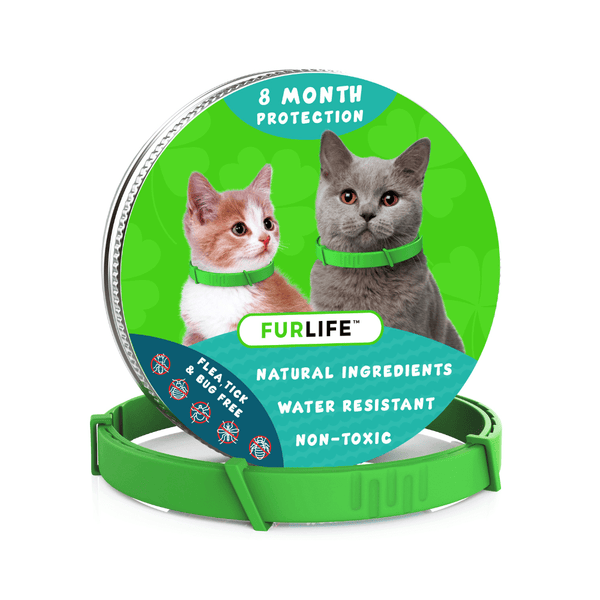
Credit: getfurlife.com
Health Risks For Cats
Flea collars can help protect cats from pests. They release chemicals that kill or repel fleas. But these chemicals may also harm your cat’s health.
It is important to know the possible risks flea collars pose. Some cats may have bad reactions or long-term problems.
Skin Reactions And Irritations
Flea collars can cause skin problems. The chemicals may irritate the cat’s skin around the neck. This can cause redness, itching, or swelling.
Some cats develop rashes or sores from wearing the collar. Scratching can make the skin worse and lead to infections.
- Red or inflamed skin near the collar
- Excessive scratching or biting
- Hair loss around the neck area
- Open sores or scabs
Toxicity Symptoms
Some flea collars contain chemicals that can be toxic if absorbed or ingested. Cats may show signs of poisoning after wearing a flea collar.
Watch for unusual behavior or health issues. These symptoms require quick attention from a vet.
- Vomiting or diarrhea
- Drooling or foaming at the mouth
- Tremors or shaking
- Weakness or difficulty walking
- Excessive drooling or pawing at the mouth
Long-term Effects
Continuous exposure to flea collar chemicals may cause long-term harm. These effects may take weeks or months to appear.
Some cats may develop chronic skin issues or organ damage after long use. It is important to monitor your cat’s health regularly.
- Chronic skin infections or hair loss
- Liver or kidney damage
- Behavior changes or lethargy
- Respiratory problems
Factors Influencing Harm
Flea collars can cause harm to cats depending on different factors. Knowing these helps keep your cat safe.
Not all flea collars are the same. Some are safer than others based on use and the cat’s condition.
Cat’s Age And Health
Young kittens and older cats may react badly to flea collars. Their skin can be more sensitive.
Cats with health problems might have trouble handling the chemicals in the collar.
- Kittens under 12 weeks should avoid flea collars
- Older cats may have weaker immune systems
- Ill cats may have skin irritation or allergies
Proper Usage And Fit
Correctly fitting the collar is key to safety. Too tight or too loose can cause issues.
Following the instructions ensures the collar works well and reduces harm risks.
- Check the collar fits snugly but not tight
- Remove the collar if the cat shows discomfort
- Replace the collar as per the product’s schedule
Quality Of The Collar
High-quality flea collars use safer ingredients. Low-quality collars may have harsh chemicals.
Choosing a collar from a trusted brand lowers the chance of side effects.
- Look for collars with natural or vet-approved ingredients
- Avoid collars with strong chemical smells
- Check for safety certifications on the package
Alternatives To Flea Collars
Flea collars can sometimes cause harm to cats. They may irritate the skin or cause allergic reactions. Many cat owners look for safer ways to protect their pets from fleas.
There are several alternatives to flea collars. These options offer different ways to keep fleas away without risking your cat’s health.
Topical Treatments
Topical treatments are liquids that you apply to your cat’s skin. They usually go on the back of the neck. These treatments kill fleas quickly and prevent new ones from growing.
They are easy to use and work well for many cats. Some topical treatments also protect against ticks and other pests.
Oral Medications
Oral medications come in pills or chewables. Your cat swallows the medicine, which kills fleas from the inside out. These medicines work fast and last for weeks.
Oral options are good for cats that do not like topical drops. Always follow the vet’s advice on the right dosage and type.
Natural Remedies
Natural remedies use safe ingredients to repel fleas. Some examples are apple cider vinegar and essential oils. These can be less harsh on your cat’s skin.
Natural remedies are gentle but may take longer to work. Always check if the remedy is safe for cats before use.
- Apple cider vinegar diluted with water
- Regular brushing to remove fleas
- Keeping your home clean and vacuumed
- Using cat-safe essential oils carefully
Preventing Flea Infestations Safely
Flea collars are common for cats, but some worry about their safety. Many safer ways exist to stop fleas without risks.
Keeping fleas off your cat needs care and simple habits. These help protect your cat and home from pests.
Regular Grooming
Groom your cat often to spot fleas early. Use a fine-toothed flea comb to check fur and skin closely.
- Comb your cat daily during flea season.
- Wash bedding and toys regularly.
- Look for flea dirt or small bugs.
- Use gentle shampoos made for cats.
Home Cleaning Tips
Clean your home well to reduce flea eggs and larvae. This stops fleas from returning after treatment.
| Cleaning Task | Frequency |
| Vacuum carpets and rugs | At least twice a week |
| Wash pet bedding | Weekly |
| Clean furniture and floors | Weekly |
| Seal cracks and crevices | Monthly |
Consulting A Veterinarian
Your vet can recommend safe flea control products. They know which options suit your cat’s age and health.
- Are flea collars safe for my cat?
- What flea treatments work best for kittens or seniors?
- Can flea prevention cause allergies or side effects?
- How often should I treat my cat for fleas?
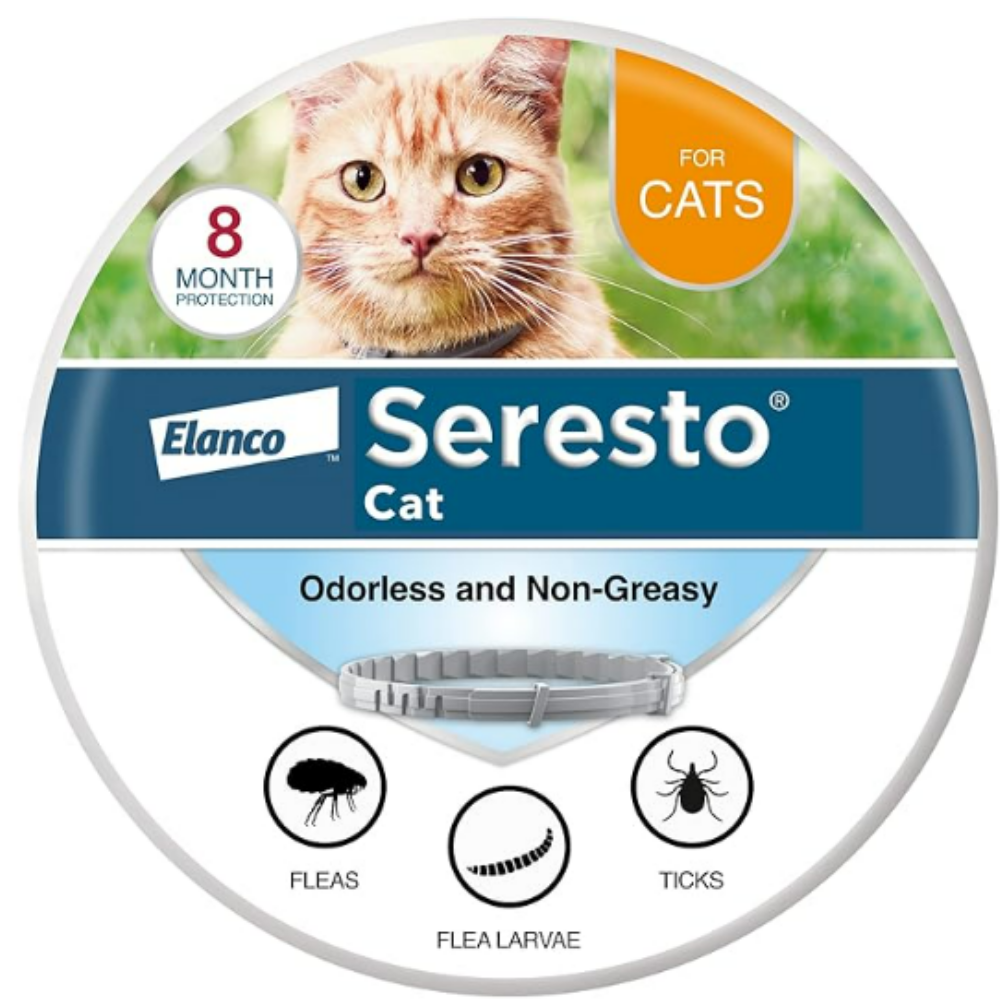
Credit: www.petsradar.com

Credit: movemamamove.com
Frequently Asked Questions
Are Flea Collars Safe For All Cats?
Flea collars can be safe if used properly. Always choose collars made specifically for cats. Avoid collars with harsh chemicals for sensitive cats. Consult your vet before use, especially for kittens or ill cats. Proper usage minimizes risks and protects your pet effectively.
What Are The Common Side Effects Of Flea Collars?
Common side effects include skin irritation, redness, and itching. Some cats may experience hair loss or mild allergic reactions. Severe reactions are rare but possible. Monitor your cat closely after applying a collar and remove it if any adverse effects occur.
How Do Flea Collars Work On Cats?
Flea collars release chemicals that repel or kill fleas. These chemicals spread over your cat’s fur and skin. They disrupt flea life cycles, preventing infestations. Some collars also protect against ticks. Effectiveness depends on the collar type and proper application.
Can Flea Collars Harm Kittens Or Elderly Cats?
Yes, flea collars can harm vulnerable cats like kittens or elderly pets. Their skin is more sensitive to chemicals. Always use vet-approved collars designed for these age groups. Consult a veterinarian for safer flea control alternatives tailored to your cat’s needs.
Conclusion
Flea collars can be risky for cats. Some collars contain strong chemicals. These chemicals may harm your cat’s health. Always read the label carefully. Choose collars with natural ingredients if possible. Regular vet check-ups are important. They help ensure your cat’s safety.
Talk to your vet for the best advice. They can guide you in protecting your pet. Always prioritize your cat’s well-being. Your cat deserves a safe and comfortable life. Keep them happy and healthy.