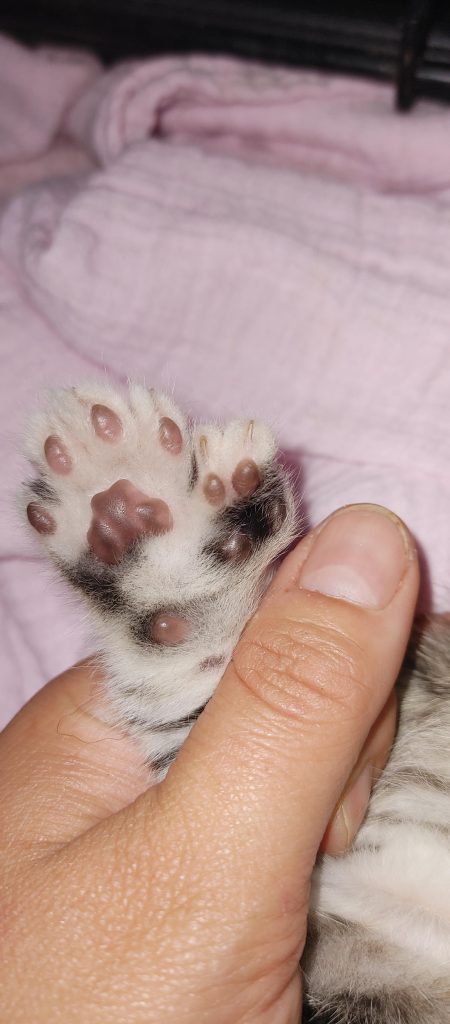
Have you ever seen a cat with extra toes and wondered if those extra digits come with hidden health problems? Polydactyl cats, known for their unique paws, often catch our eye with their unusual charm.
But you might be asking yourself, “Do these extra toes mean my furry friend will face health issues? ” If you care deeply about your cat’s well-being, it’s important to understand what polydactyly means for their health. Keep reading to discover the truth about these special cats and what you should watch for to keep your pet happy and healthy.
Credit: wopet.com
Polydactyl Cats Explained
Polydactyl cats have more toes than normal cats. This unique trait makes them stand out. People often wonder if extra toes cause health problems.
This article explains what polydactyly is and the genetics behind extra toes in cats.
What Is Polydactyly?
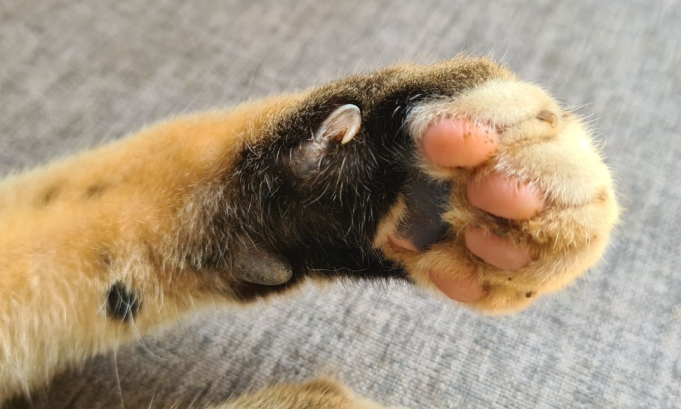
Polydactyly means having extra toes on one or more paws. Most cats have five toes on front paws and four on back paws. Polydactyl cats have extra toes beyond this number.
- Extra toes can be on front or back paws.
- Some cats have one or two extra toes.
- Others have many more, sometimes called “mitten paws.”
- The shape and number vary from cat to cat.
Genetics Behind Extra Toes
Extra toes in polydactyl cats come from changes in their genes. These genes control how the cat’s paws develop before birth.
| Gene Factor | Effect | Inheritance |
| Dominant gene | Causes extra toes | Passed from one parent |
| Mutation location | Affects paw shape | Varies by cat breed |
| Penetrance | Not all cats show extra toes | Depends on gene expression |
Credit: www.amcny.org
Common Myths About Polydactyl Cats
Polydactyl cats have extra toes on their paws. Many people believe some myths about their health and abilities. These myths can cause confusion about these unique cats.
This article clears up some common myths about polydactyl cats. Learn the truth about their mobility, comfort, and health risks.
Myth: Polydactyl Cats Have Limited Mobility
Some think that extra toes make it hard for polydactyl cats to move. This is not true. Their extra toes usually help them balance better.
Most polydactyl cats run, jump, and climb just like other cats. Their extra toes do not slow them down or cause problems.
Myth: Extra Toes Cause Pain Or Discomfort
People worry that extra toes might hurt or cause discomfort. Polydactyl cats do not feel pain from having more toes. Their paws grow normally around the extra digits.
- Extra toes are usually fully formed and functional.
- They do not cause joint or muscle pain.
- Most cats do not notice any difference in their paws.
- Owners should trim nails carefully to avoid snagging.
Myth: Polydactyl Cats Are Prone To Infections
Another myth is that extra toes lead to more infections. Polydactyl cats are not more likely to get infections than other cats. Their paws need the same care as normal paws.
| Myth | Fact |
| Limited mobility | Extra toes help with balance |
| Extra toes cause pain | No pain or discomfort from extra toes |
| More infections | Same infection risk as other cats |
Health Facts About Polydactyl Cats
Polydactyl cats have extra toes on their paws. This trait is genetic and mostly harmless. It can give them a unique look and sometimes extra grip.
Understanding how these extra toes work and any health concerns helps owners care for these special cats better.
Normal Functionality Of Extra Toes
Extra toes usually work like normal toes. They help cats climb and catch prey. Most polydactyl cats do not have trouble walking or running.
- Extra toes have bones and joints like regular toes.
- They can improve balance and climbing skills.
- Polydactyl cats often use these toes like thumbs.
Potential Minor Issues To Watch
Some polydactyl cats may face minor problems. Extra toes can sometimes cause nail issues or discomfort. Owners should watch for signs of pain or infection.
| Issue | Description |
| Ingrown Nails | Nails may grow into the paw pad, causing pain. |
| Infections | Extra toes can trap dirt and bacteria. |
| Injury | Extra toes might be more prone to cuts or bruises. |
Veterinary Care Recommendations
Regular vet visits help keep polydactyl cats healthy. Nail trimming is important to prevent problems. Check paws often for signs of injury or infection.
- Trim nails carefully, including extra toes.
- Clean paws regularly to avoid dirt buildup.
- Visit the vet if you see swelling or limping.
- Ask the vet about special care for extra toes.
Famous Polydactyl Cats In History
Polydactyl cats have extra toes on their paws. This unique trait has made some cats famous in history. People have admired these cats for their unusual look and charm.
Many polydactyl cats have interesting stories. They have appeared in homes, books, and even museums. Let’s look at some well-known polydactyl cats and their cultural importance.
Ernest Hemingway’s Cats
Ernest Hemingway, the famous writer, loved polydactyl cats. His home in Key West, Florida, is known for having many of these cats. They have six or more toes on each paw.
Hemingway’s cats are still living at his old house, now a museum. Visitors can see the cats and learn about their history. The cats are called “Hemingway cats” because of this connection.
Cultural Significance
Polydactyl cats have special meaning in many cultures. Sailors believed these cats brought good luck on ships. Their extra toes helped them climb and catch mice better.
In some places, people see polydactyl cats as symbols of fortune and protection. Their unique paws make them stand out and often bring smiles to people’s faces.
- Good luck charm for sailors
- Help with catching mice on ships
- Seen as special or lucky pets
- Often inspire stories and art
Caring For Polydactyl Cats
Polydactyl cats have extra toes on their paws. These unique toes need special care to stay healthy. This guide helps you care for your polydactyl cat properly.
Knowing how to groom, check health, and when to visit the vet can keep your cat happy and safe.
Grooming Tips For Extra Toes
Extra toes can collect dirt and debris. You must clean them carefully to avoid infections.
- Check between the toes daily for dirt or small objects.
- Trim the nails on extra toes regularly to prevent overgrowth.
- Use a damp cloth to clean the paws gently.
- Watch for redness or swelling around the extra toes.
- Keep your cat’s claws filed to avoid scratching injuries.
Regular Health Checks
Polydactyl cats need regular health checks to spot any problems early. Extra toes can sometimes cause discomfort or injury.
| Check Item | What to Look For |
| Extra Toes | Swelling, cuts, or nail issues |
| Paw Pads | Cracks or dryness |
| Walking | Favoring one paw or limping |
| Behavior | Excessive licking or biting paws |
When To Seek Veterinary Advice
Contact your vet if your cat shows signs of pain or infection in the extra toes. Early treatment prevents bigger problems.
- If the paw is swollen or red for more than two days.
- If your cat limps or avoids using a paw.
- If you see pus or discharge near the extra toes.
- If your cat frequently licks or chews the paw.
- If nails grow into the skin or break easily.
Credit: pethelpful.com
Frequently Asked Questions
Do Polydactyl Cats Have Common Health Problems?
Polydactyl cats generally do not have specific health problems. Extra toes rarely cause medical issues. Proper nail care prevents infections and injuries. Regular vet checkups ensure overall health and wellbeing.
Can Extra Toes Cause Mobility Issues In Polydactyl Cats?
Extra toes usually do not affect mobility. Most polydactyl cats walk and run normally. Rare cases of claw abnormalities may cause discomfort. Proper trimming and care help maintain paw health.
Are Polydactyl Cats Prone To Genetic Disorders?
Polydactyly is a genetic trait but not linked to diseases. These cats are as healthy as normal-toed cats. Responsible breeding reduces risk of inherited conditions.
How To Care For Polydactyl Cats’ Extra Toes?
Trim extra claws regularly to prevent overgrowth and injury. Keep paws clean and check for infections. Consult a vet if you notice swelling or discomfort.
Conclusion
Polydactyl cats often enjoy good health and active lives. Their extra toes rarely cause problems. Regular vet visits help keep them healthy. Owners should watch for any unusual signs. Simple care ensures these cats thrive happily. Their unique paws make them special and lovable.
These cats often become cherished family members. A little attention keeps them content and joyful. Understanding their needs helps them live well. Remember, every cat deserves love and care. Embrace their uniqueness. Enjoy their playful nature. Celebrate your polydactyl cat’s charm every day.
A happy cat is a healthy cat.