Have you ever wondered if orange cats face more health problems than other cats? If you own or plan to adopt a bright orange feline friend, this question might be on your mind.
Understanding your cat’s health is key to giving them a long, happy life. You’ll discover surprising facts about orange cats and their health risks. Knowing these can help you spot issues early and keep your furry companion feeling their best.
Keep reading to learn what every orange cat owner needs to know!

Credit: www.yahoo.com
Orange Cat Genetics
Orange cats are known for their bright, warm coat color. Their color comes from specific genes that control fur color.
Understanding orange cat genetics helps explain their health and traits. It also shows why some cats are orange and others are not.
Coat Color And Gene Link
The orange color in cats comes from the O gene on the X chromosome. This gene changes black fur to orange.
The O gene is sex-linked. This means it behaves differently in male and female cats because males have one X chromosome, females have two.
- The O gene turns fur orange.
- It is found only on the X chromosome.
- Males need one O gene to be orange.
- Females need two O genes to be fully orange.
Male Vs Female Orange Cats
Most orange cats are male because they only need one O gene. Females need two, so orange females are rarer.
Male orange cats can have more health issues linked to their single X chromosome. Females have two X chromosomes, which can protect them.
- Males have one X and one Y chromosome.
- Females have two X chromosomes.
- Male orange cats are more common.
- Female orange cats are less common but can be healthier.

Credit: www.sciencenews.org
Common Health Issues In Orange Cats
Orange cats are loved for their bright color and playful nature. Like all cats, they can have health problems. Some health issues appear more often in orange cats.
Knowing these health risks helps owners take good care of their orange cats. This guide explains common concerns and how to watch for them.
Predisposition To Obesity
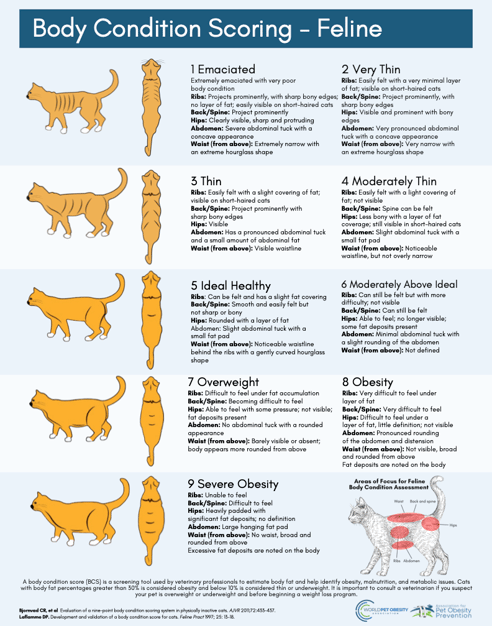
Orange cats may gain weight easily. This can lead to obesity, which causes many health problems. Overfeeding and lack of exercise increase the risk.
Obesity can make orange cats less active and cause joint pain. It also lowers their quality of life and shortens lifespan.
- Feed measured portions of food
- Provide regular play and exercise
- Choose healthy cat food options
- Watch for signs of weight gain
Risk Of Diabetes
Obesity raises the chance of diabetes in orange cats. Diabetes causes high blood sugar and can harm many organs. It needs medical care and diet control.
Symptoms include more thirst, urination, and weight loss. Early diagnosis helps manage diabetes well and keeps cats healthy.
- Monitor water and food intake
- Check for frequent urination
- Keep a healthy weight
- Visit the vet regularly
Skin And Allergies Concerns
Orange cats can have sensitive skin. They may develop allergies to food, fleas, or the environment. Allergies cause itching, redness, and hair loss.
Proper grooming and vet care help manage skin problems. Identifying allergens and avoiding them reduces discomfort for the cat.
- Brush the cat’s fur regularly
- Use flea prevention treatments
- Feed hypoallergenic food if needed
- Consult a vet for skin tests
Behavioral Traits And Health
Orange cats often catch attention with their bright coat and friendly nature. Many pet owners wonder if these cats have special health needs. Understanding their behavior helps in knowing how it affects their health.
Behavior influences a cat’s wellbeing. Activity levels and stress can change how healthy an orange cat stays. Let’s explore these factors and their impact on health.
Activity Levels And Weight
Orange cats usually show high energy and curiosity. Their activity level helps keep their weight in check. Active cats tend to have fewer weight problems.
- Regular playtime boosts their fitness.
- Less active cats may gain extra weight.
- Obesity can lead to joint and heart issues.
- Balanced diet supports healthy weight.
Stress Factors Affecting Health
Stress affects orange cats’ health by lowering their immune system. Common stress causes include loud noises, new pets, or changes in their home.
| Stress Factor | Possible Health Effects |
| Loud environments | Increased anxiety, grooming issues |
| New pets or people | Behavior changes, loss of appetite |
| Change in routine | Digestive problems, sleep disturbances |
Comparing Orange Cats To Other Colors
Orange cats have a unique coat color that many people find appealing. Their health compared to cats of other colors is a topic of interest to many cat owners.
This article looks at health stats and lifespan differences between orange cats and cats with other coat colors.
Health Stats By Coat Color
Some studies suggest coat color can link to certain health risks in cats. Orange cats may have specific health traits compared to others.
- Orange cats are often male due to genetics.
- They may have a higher risk of certain cancers.
- Other colors like black or calico cats show fewer breed-specific health issues.
- White cats can be prone to deafness more than orange cats.
These points show how color might influence some health aspects but does not guarantee problems.
Lifespan Differences
| Coat Color | Average Lifespan (Years) | Notes |
| Orange | 12-15 | Some risk of cancer in males |
| Black | 14-16 | Generally healthy, fewer color-linked issues |
| White | 10-13 | Higher risk of deafness |
| Calico | 13-16 | Mostly healthy, mostly female cats |
Lifespan varies more by care and genetics than color alone. Orange cats live about as long as many other cats.
Preventive Care Tips
Orange cats can be just as healthy as other cats. Careful attention helps keep them strong. Preventive care reduces health risks and helps catch problems early.
Follow these tips to support your orange cat’s long life. Focus on diet, vet visits, and managing weight and stress.
Diet And Exercise Recommendations
Feed your orange cat a balanced diet with all needed nutrients. Exercise helps keep their body and mind active.
- Choose high-quality cat food recommended by your vet
- Provide fresh water at all times
- Play daily with toys or engage in active games
- Offer healthy treats in moderation
- Limit free feeding to avoid overeating
Regular Vet Checkups
Take your orange cat to the vet at least once a year. Older cats or those with health issues need more frequent visits.
| Checkup Type | Frequency | Purpose |
| General Exam | Yearly | Detect illness early |
| Dental Cleaning | Yearly | Prevent gum disease |
| Vaccinations | As advised | Protect from infections |
| Blood Tests | Annually or as needed | Check organ health |
Managing Weight And Stress
Keep your orange cat’s weight in a healthy range. Stress can weaken their immune system and cause illness.
Tips to manage weight and stress:
- Monitor food portions and body condition regularly
- Provide quiet, safe spaces for rest
- Maintain a regular routine to reduce anxiety
- Use interactive toys to keep your cat mentally active
- Avoid sudden changes in environment or diet
Credit: pethelpful.com
Myths Vs Facts
Many people wonder if orange cats have more health problems than other cats. Some believe this is true, but facts tell a clearer story. Let’s look at myths and facts about orange cats and their health.
This article breaks down common misconceptions and shares scientific findings. It helps you understand if orange cats face special health risks or not.
Common Misconceptions
One common myth is that orange cats get sick more often. Some think their color links to health problems. Others say orange cats have shorter lives. These ideas come from stories, not science.
- Orange cats are more prone to obesity.
- They suffer from more skin diseases.
- Orange cats have weaker immune systems.
- Their lifespan is shorter than other cats.
Scientific Findings
Studies show coat color alone does not cause health problems. Orange cats do not have special health issues linked only to their color. Genetics and care matter more than fur color.
| Health Aspect | Orange Cats | Other Cats |
| Obesity Risk | Similar | Similar |
| Skin Disease | No Higher Risk | No Higher Risk |
| Immune System | Normal | Normal |
| Average Lifespan | 12-16 years | 12-16 years |
Good nutrition, regular vet visits, and safe living are key for all cats. Orange cats do well with proper care, just like any other cat.
Frequently Asked Questions
Do Orange Cats Have More Health Problems Than Others?
No, orange cats do not have more health problems. Their coat color does not affect health risks or lifespan compared to other cats.
Are Orange Cats Prone To Genetic Diseases?
Orange cats are not specifically prone to genetic diseases. Health issues depend more on breed and genetics than fur color.
Does Orange Fur Indicate Any Health Issues In Cats?
Orange fur does not indicate health problems. It is simply a coat color determined by genetics and has no health implications.
Are Male Orange Cats Healthier Than Females?
Male orange cats are more common but not healthier. Health depends on genetics, diet, and care, not gender or color.
Conclusion
Orange cats charm us with their unique personalities. Some believe they face more health issues, but this isn’t always true. Like all pets, regular vet check-ups are vital. Every cat is different. Care and attention matter most. A balanced diet and loving environment help them thrive.
Observe any unusual behavior. Quick action ensures their well-being. Keep them happy and healthy. Enjoy their company. They bring joy and warmth to homes. Understanding their needs leads to a fulfilling bond. Orange cats can live long, happy lives with proper care.
Cherish every moment with your furry friend.