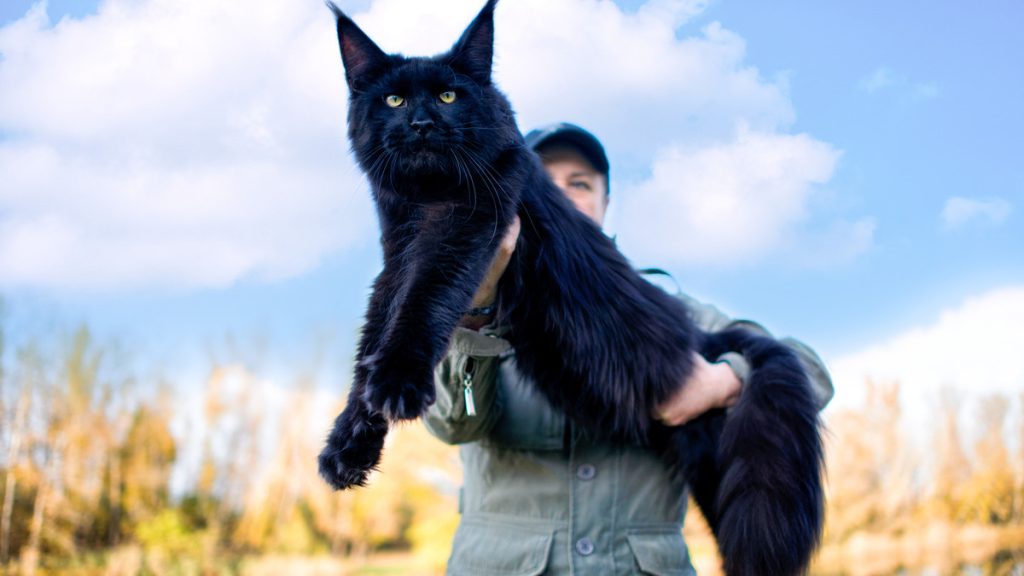
Have you ever wondered just how big a house cat can get? If you think your furry friend is large, you might be surprised by some of the biggest house cats out there.
Understanding what makes these cats so large can change the way you see your own pet. You’ll discover the largest breeds, what sets them apart, and why size matters more than you think. Keep reading to find out if your cat could be one of the biggest!
Largest House Cat Breeds
Many cat lovers want to know which house cats grow the biggest. Some cat breeds are known for their large size. These cats often look like little lions or wild cats.
Below are some of the largest house cat breeds. Each breed has special traits and a unique look. Learn about their size, traits, and what makes them stand out.
Maine Coon Giants
Maine Coons are one of the biggest domestic cat breeds. They have long, thick fur and large tufted ears. Males can weigh up to 18 pounds or more.
These cats are friendly and playful. Their size and gentle nature make them popular pets.
Savannah Cats
Savannah cats look wild because they have spots like a leopard. They are a cross between a domestic cat and a serval, a wild African cat.
- Height: 14 to 17 inches tall
- Weight: 12 to 25 pounds
- Very active and playful
- Strong and agile hunters
- Require lots of attention
Norwegian Forest Cats
Norwegian Forest cats have thick coats to survive cold weather. They are strong with muscular bodies. Males often weigh between 13 and 22 pounds.
They love climbing and are very curious. Their bushy tails and large paws help them in winter.
Ragdoll Size And Traits
| Trait | Description |
| Size | Large and heavy, males up to 20 pounds |
| Temperament | Calm, gentle, and relaxed |
| Coat | Soft, semi-long hair |
| Eye Color | Bright blue |
| Behavior | Often goes limp when held |
Ragdolls get their name from their relaxed nature. They are big cats but very calm and loving.
Chausie Characteristics
Chausies are a mix between domestic cats and jungle cats. They look wild but can live indoors.
- Weight: 15 to 20 pounds
- Long legs and slim body
- Very active and smart
- Need lots of exercise and play

Credit: www.lovinglynx.com
Physical Features Of Giant Cats
Giant house cats are larger than regular cats. They have unique physical traits. These traits help tell them apart.
We will look at their weight and length, coat types, and eye and ear shapes. This helps understand their size and look.
Weight And Length Comparison
Giant cats weigh more and grow longer than normal cats. They can reach double or triple the size of an average house cat.
| Cat Type | Average Weight (lbs) | Average Length (inches) |
| Regular House Cat | 8-10 | 18-20 |
| Maine Coon | 13-18 | 28-40 |
| Savannah Cat | 12-25 | 20-30 |
Coat Types And Colors
Giant cats have thick and long fur. Their coats can be many colors and patterns. This gives each cat a unique look.
- Solid colors like black, white, or gray
- Tabby stripes in different shades
- Spotted or rosetted patterns
- Mixed colors like calico or tortoiseshell
Eye And Ear Shapes
Giant cats often have large eyes and ears. Their eyes are bright and clear. Ears can be pointed or rounded.
Eye and Ear Features:
- Eyes: Large, round, and expressive
- Colors: Green, gold, amber, or blue
- Ears: Tall and pointed or slightly rounded
- Whiskers: Long and thick
Temperament And Behavior
The biggest house cats have unique temperaments and behaviors. Understanding these traits helps owners care for them better.
These cats often show different social needs and activity levels than smaller breeds. Their interaction with families is special too.
Social Nature
Large house cats tend to be friendly and social. They enjoy company and often seek attention from humans.
- They like spending time near family members.
- Many enjoy playing with other pets.
- Some can be shy but warm up with patience.
Activity Levels
Big house cats are usually active but less hyper than small cats. They enjoy exercise but prefer calm play.
| Activity Type | Behavior |
| Play | Moderate; likes toys and chasing games |
| Rest | Long periods of sleep and relaxation |
| Exploration | Curious but cautious in new places |
Interaction With Families
Big cats form strong bonds with their families. They can be gentle and protective with children.
Tips for positive interactions:
- Spend daily time petting and talking.
- Provide safe spaces for rest.
- Encourage gentle play with kids.
- Respect their need for quiet moments.
Care Tips For Large Cats
Large house cats need special care to stay healthy and happy. Their size affects what they eat, how they exercise, and their health needs.
Understanding these care tips helps owners give the best support to big cats. Let’s explore diet, exercise, and health for large cats.
Diet And Nutrition Needs
Large cats need more calories than smaller cats. Their food must have enough protein and nutrients to support their size.
Choose high-quality cat food made for bigger cats. Avoid overfeeding to prevent obesity, which can cause health problems.
- Feed measured portions twice a day
- Include wet and dry food for variety
- Provide fresh water at all times
- Consult a vet for special dietary needs
Exercise And Play
Large cats need regular exercise to stay fit and avoid weight gain. Playtime helps them stay active and alert.
Use toys that encourage movement, like feather wands or laser pointers. Create safe spaces for climbing and jumping.
- Play at least 15 minutes twice a day
- Provide scratching posts and climbing trees
- Rotate toys to keep interest high
- Encourage interactive play with owners
Health Considerations
Large cats can have health issues like joint problems and heart disease. Regular check-ups help catch problems early.
Keep an eye on your cat’s weight and behavior. Watch for signs of pain or difficulty moving and ask your vet for advice.
- Schedule vet visits twice a year
- Monitor weight and body condition
- Check for arthritis signs in older cats
- Keep vaccinations and parasite control up to date
Choosing The Right Giant Cat
Giant house cats need special care and space. They are bigger than normal cats and need more room to move.
Before getting a giant cat, think about your home and lifestyle. This helps your cat feel happy and safe.
Space Requirements
Big cats need large areas to roam and play. Small homes may feel cramped for them. Make sure you have enough room for a big cat to stretch and explore.
- Provide tall cat trees for climbing
- Clear space for running and jumping
- Set up cozy resting spots
- Offer multiple litter boxes in large areas
Time Commitment
Giant cats need daily attention and playtime. They can be more active and social than smaller cats. Plan for regular feeding, grooming, and interaction.
| Activity | Daily Time Needed |
| Feeding | 30 minutes |
| Grooming | 15 minutes |
| Playtime | 45 minutes |
| Cleaning Litter Box | 10 minutes |
Compatibility With Other Pets
Not all pets get along with giant cats. Some cats may be gentle, but others can be dominant. Watch their behavior closely when they meet other animals.
Tips for Introducing Giant Cats to Other Pets:
- Keep first meetings short and supervised
- Use separate feeding areas
- Give each pet its own space
- Watch for signs of stress or aggression
- Be patient; some pets need time to adjust
Credit: www.pets4homes.co.uk

Credit: worldanimalfoundation.org
Frequently Asked Questions
What Is The Biggest Breed Of House Cat?
The Maine Coon is the biggest breed of house cat. Males can weigh up to 18 pounds. They have long, tufted fur and large paws.
How Large Can A House Cat Grow?
Most house cats weigh between 8 and 15 pounds. Some breeds, like the Maine Coon, can exceed 18 pounds. Size varies by breed and diet.
Are Maine Coons The Largest Domestic Cats?
Yes, Maine Coons are considered the largest domestic cats. They are known for their impressive size and friendly nature.
How Does The Size Of House Cats Compare To Wild Cats?
House cats are smaller than wild cats like bobcats or lynxes. Domestic breeds rarely exceed 20 pounds, while wild cats can be much larger.
Conclusion
Big house cats capture our fascination with their size and grace. Maine Coons and Savannah Cats stand out as some of the largest. Each breed has unique traits and needs. Owning a big cat means understanding its care and lifestyle.
These majestic felines bring joy and companionship to many homes. Their playful nature and gentle demeanor make them lovable pets. Always research before choosing a big cat for your family. Consider your living space and commitment level. Ready for a furry friend?
A big house cat might be the perfect addition.