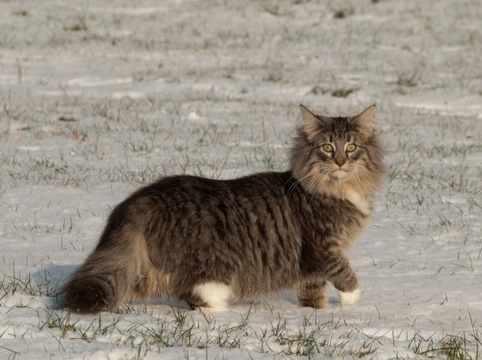
Have you ever wondered which domestic cats are truly giants among their kind? If you’re curious about the largest breeds of house cats, you’re in the right place.
These big cats aren’t just impressive in size—they have unique personalities and charm that might surprise you. Whether you’re thinking about adding a feline friend to your home or just love learning cool facts about animals, discovering these giant breeds will captivate your attention.
Keep reading to find out which cats stand out for their size and why they might be the perfect match for you.

Credit: worldanimalfoundation.org
Giant Cat Breeds
Giant cat breeds are known for their large size and friendly nature. These cats are not just big but also gentle and loving.
They often weigh much more than average cats and have thick fur. Let’s explore some of the largest domestic cat breeds.
Maine Coon
The Maine Coon is one of the largest domestic cat breeds. It can weigh between 13 and 18 pounds, with some males even heavier.
This breed has a long, thick coat and a bushy tail. Maine Coons are friendly and good with families and other pets.
Savannah
Savannah cats are a mix of domestic cats and wild servals. They are tall and slim but very strong and fast.
These cats can weigh from 12 to 25 pounds. They have large ears and spotted coats that look wild but they are social pets.
Ragdoll
Ragdolls are large cats that can weigh 15 to 20 pounds. They have soft, silky fur and blue eyes.
They get their name because they relax completely when held. Ragdolls are calm and enjoy being around people.
Norwegian Forest Cat
The Norwegian Forest Cat is a strong and big breed. It can weigh up to 16 pounds and has a thick double coat.
This cat is built for cold weather and is very playful. Norwegian Forest Cats are friendly and good climbers.
Physical Traits Of Large Cats
Large domestic cat breeds have distinct physical traits. These traits help them stand out from smaller cats. Their size, coat, and face all show unique features.
Understanding these traits helps cat lovers know what to expect. It also shows how these cats adapt to their environment.
Body Size And Weight
Large cat breeds can weigh between 15 to 25 pounds or more. Their bodies are muscular and strong. These cats often have longer legs and bigger paws than average cats.
| Breed | Average Weight (lbs) | Body Length (inches) |
| Maine Coon | 15-25 | 30-40 |
| Siberian | 15-20 | 27-32 |
| Norwegian Forest Cat | 13-22 | 25-32 |
| Ragdoll | 15-20 | 28-36 |
Coat And Color Patterns
Large cats have thick and long coats. This helps protect them from cold weather. Their fur can come in many colors and patterns.
- Tabby patterns with stripes or spots
- Solid colors like black, white, or gray
- Bi-color or tri-color mixes
- Colorpoint patterns with darker ears and tail
Facial Features
Large cat breeds often have broad heads and high cheekbones. Their eyes are big and round, giving a friendly look. Some have tufted ears and bushy whiskers.
Common Facial Traits in Large Cats
- Wide set eyes
- Strong jawline
- Ear tufts for warmth
- Thick whisker pads
Temperament And Personality
Large cat breeds have unique personalities that make them special pets. Their temperament can vary from gentle giants to playful friends.
Understanding their nature helps owners provide the best care and build strong bonds with these big cats.
Social Behavior
Large cat breeds are often very social and enjoy company. They like to be near their humans and other pets.
They may follow you around and want attention without being too demanding.
- Friendly with family members
- Can get along with other cats
- Enjoy playtime and interaction
Activity Levels
Despite their size, many large cats are active and playful. They love exploring and chasing toys.
Some large breeds prefer calm activities, while others enjoy more vigorous play.
- Regular play keeps them healthy
- Provide climbing spaces and toys
- Enjoy interactive games with owners
Compatibility With Families
Large cat breeds can fit well into many family types. They usually adapt to homes with kids and other pets.
Their gentle nature makes them good companions for children and adults alike.
- Patient with children
- Good with other pets if introduced properly
- Require attention and affection

Credit: uk.style.yahoo.com
Care Needs For Large Cats
Large domestic cats need special care to stay healthy and happy. Their size affects how much food they eat and the space they require.
Understanding their diet, exercise, and grooming helps owners provide the best care for these gentle giants.
Diet And Nutrition
Large cats need more calories and balanced nutrients than smaller breeds. Their diet should support muscle health and energy.
- Feed high-quality protein to maintain strong muscles.
- Include fats for energy and coat health.
- Provide fresh water at all times.
- Avoid overfeeding to prevent obesity.
Exercise And Play
Big cats need daily exercise to stay fit. Playtime also helps reduce stress and boredom.
| Activity | Benefits |
| Interactive toys | Stimulate the mind |
| Climbing trees or shelves | Build muscle strength |
| Fetch games | Increase agility |
| Chasing laser pointers | Encourage movement |
Grooming Requirements
Large cats often have thick coats that need regular grooming. It prevents mats and skin problems.
Tips for grooming large cats:
- Brush at least twice a week to remove loose hair.
- Check ears and eyes for dirt or infection.
- Trim nails carefully to avoid injury.
- Use gentle shampoos during baths if needed.
Health Concerns In Large Breeds
Large domestic cat breeds have unique health needs. Their size affects their bodies and care requirements. Knowing these concerns helps owners keep cats healthy.
This article covers common medical issues, how to prevent problems, and what to expect in their lifespan.
Common Medical Issues
Big cats often face joint and heart problems. Their weight can stress bones and organs. Early signs need attention to avoid serious illness.
- Hip dysplasia causing pain and movement trouble
- Heart disease such as hypertrophic cardiomyopathy
- Obesity leading to diabetes and arthritis
- Dental problems from plaque buildup
Preventive Care
Good care lowers health risks in large cats. Regular vet visits and a balanced diet help keep them strong. Exercise is key for weight control.
| Care Aspect | Recommended Actions |
| Diet | Feed high-quality food with controlled calories |
| Exercise | Play daily to maintain muscle and joint health |
| Vet Visits | Check-ups every 6-12 months for early issue detection |
| Dental Care | Brush teeth or provide dental treats regularly |
Lifespan Expectations
Large cat breeds usually live 10 to 15 years. Good care and early problem treatment can extend their life. Genetics also play a role in longevity.
- Provide a healthy diet and exercise
- Watch for signs of illness and visit the vet
- Maintain dental hygiene
- Give plenty of love and attention

Credit: worldanimalfoundation.org
Choosing The Right Large Cat
Large cat breeds are beautiful and strong pets. They need special care and space to live happily.
Before choosing a big cat, learn about their needs. This helps you give them a good home.
Lifestyle Considerations
Big cats need time and attention. They enjoy playing and being with their owners.
Think about your daily schedule. Make sure you have time for feeding, grooming, and playing.
- Large cats need regular exercise
- They may require more grooming
- Some breeds like being social
- Others prefer quiet and calm homes
Space And Environment
Big cats need enough room to move and explore. Small apartments can be hard for them.
Provide climbing places and toys to keep them active. A safe outdoor space is a good idea too.
- Large cats need wide areas to roam
- High shelves or cat trees offer exercise
- Quiet spaces help them rest well
- Keep dangerous items out of reach
Adoption Tips
Look for shelters or breeders who care about big cats. Ask about the cat’s health and history.
Meet the cat first. See if its personality fits your home and family.
- Choose a cat with a good temperament
- Check for health clearances and vaccinations
- Ask about the cat’s favorite activities
- Prepare your home before bringing the cat in
Frequently Asked Questions
What Are The Biggest Domestic Cat Breeds?
The Maine Coon, Savannah, and Ragdoll are among the largest domestic cat breeds. They often weigh over 15 pounds and can grow up to 40 inches long. These breeds are known for their size, friendly nature, and distinctive appearances.
How Large Can Maine Coon Cats Grow?
Maine Coons can weigh between 13 to 18 pounds, with some males reaching up to 25 pounds. They can measure up to 40 inches in length, including their tail. Their large size and tufted ears make them very distinctive.
Are Savannah Cats Considered Large Domestic Cats?
Yes, Savannah cats are one of the largest domestic breeds. They can weigh between 12 to 25 pounds and stand tall due to their long legs. Their wild appearance comes from their serval ancestry, making them a unique large breed.
What Makes Ragdoll Cats Large In Size?
Ragdolls are large because of their muscular build and long bodies. They typically weigh 10 to 20 pounds. Their relaxed and docile temperament complements their substantial size, making them popular as gentle giants in homes.
Conclusion
Exploring the largest cat breeds reveals their unique charm. These majestic felines offer companionship like no other. Their size and beauty captivate cat lovers worldwide. Each breed has its own distinct characteristics. Maine Coons, Ragdolls, and Savannahs stand out. They blend elegance with playfulness.
These gentle giants bring joy to many homes. Understanding them helps in choosing the right pet. Large cat breeds suit families seeking friendly companions. Remember, they need space and care. Their larger-than-life presence enriches lives. Adopting one means adding a special friend to your family.
Enjoy the adventure with your feline companion!