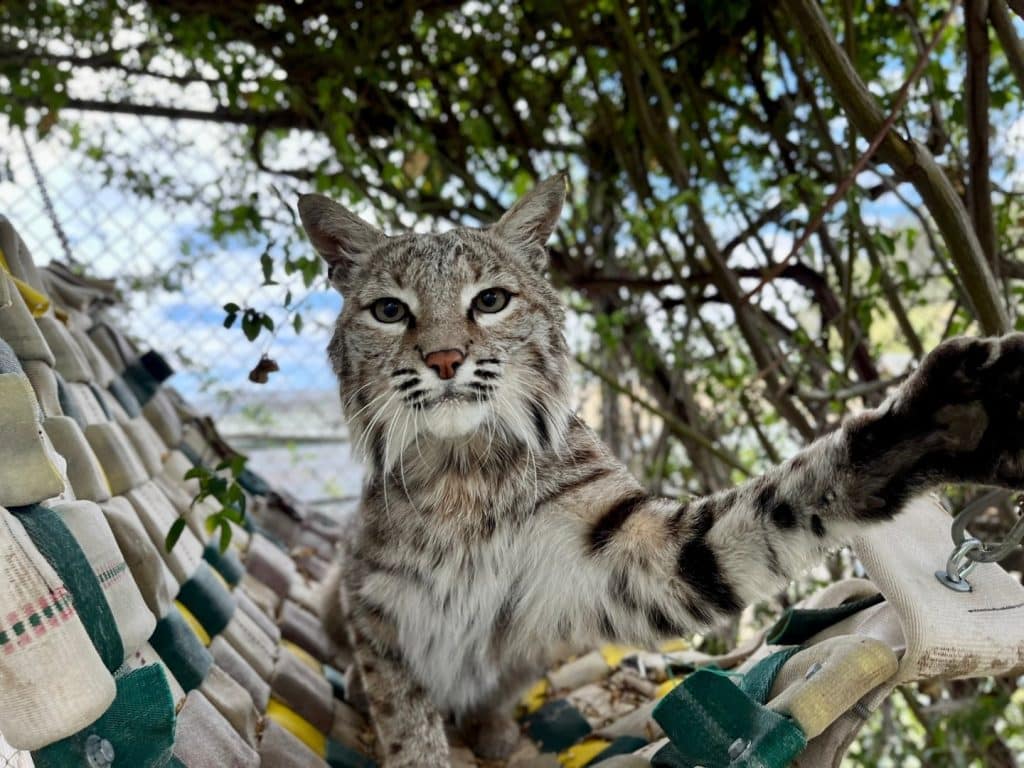
Have you ever wondered what big cats are really called? You might think it’s just “big cats,” but there’s more to these powerful creatures than meets the eye.
Understanding their names can unlock a whole new level of appreciation for these majestic animals. Whether you’re a wildlife lover or just curious, this article will clear up the mystery and give you surprising facts you didn’t know before. Keep reading, and you’ll see big cats in a brand new light!
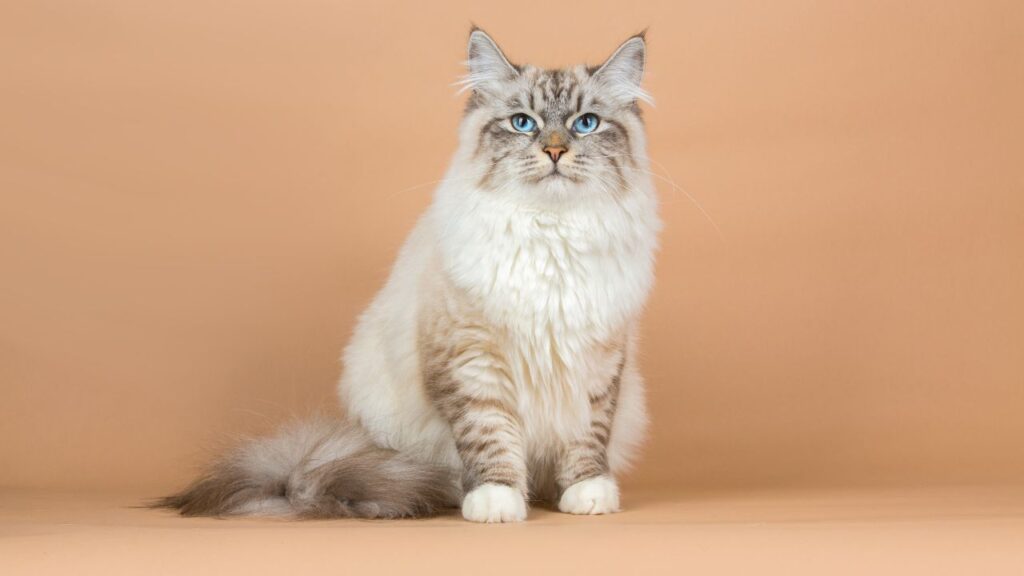
Credit: worldanimalfoundation.org
Big Cats Defined
Big cats are large wild cats known for their strength and hunting skills. They belong to the Panthera genus.
These animals are different from smaller wild cats because of their size and roar ability.
Characteristics Of Big Cats
Big cats have strong bodies and sharp claws. They use their power to catch prey and defend themselves.
Most big cats can roar, which helps them communicate and mark their territory.
- Large size and muscular build
- Sharp retractable claws
- Powerful jaws and teeth
- Ability to roar (except some species)
- Excellent night vision
Species Included
Big cats include several well-known species. Each lives in different parts of the world.
They are some of the top predators in their environments.
- Lion (Panthera leo)
- Tiger (Panthera tigris)
- Leopard (Panthera pardus)
- Jaguar (Panthera onca)
- Snow Leopard (Panthera uncia)

Credit: worldanimalfoundation.org
Common Big Cat Species
Big cats are some of the largest and most powerful members of the cat family. They live in various parts of the world. These cats are known for their strength, speed, and hunting skills.
Let’s explore some common big cat species and learn what makes each one special.
Lions
Lions live mostly in Africa, with a small group in India. They are called the “king of the jungle.” Lions live in groups called prides. Male lions have thick manes around their necks.
Tigers
Tigers are the largest big cats. They have orange fur with black stripes. Tigers are strong swimmers and like to live near water. They mostly live in Asia.
Leopards
Leopards have golden fur with black spots. They are very good climbers. Leopards can carry their food up trees to keep it safe from others. They live in Africa and parts of Asia.
Jaguars
Jaguars live in Central and South America. They have a strong bite and can crush turtle shells. Their fur is yellow with black rosettes. Jaguars like to swim in rivers and lakes.
Cheetahs
Cheetahs are the fastest land animals. They can run up to 60 miles per hour. Their fur is tan with black spots. Cheetahs live in Africa and hunt during the day.
- Fastest big cat
- Spots help with camouflage
- Lean body for speed
Snow Leopards
Snow leopards live in cold mountain areas of Central Asia. They have thick fur to keep warm. Their tail is long and helps with balance on rocky slopes.
Pumas
Pumas are also called mountain lions or cougars. They live in North and South America. Pumas have plain tan fur and are very good jumpers. They prefer forests and mountains.
| Big Cat | Habitat | Special Feature |
| Lion | Africa, India | Lives in prides, mane on males |
| Tiger | Asia | Largest big cat, strong swimmer |
| Leopard | Africa, Asia | Climbs trees, black spots |
| Jaguar | Central and South America | Strong bite, swims well |
| Cheetah | Africa | Fastest land animal |
| Snow Leopard | Central Asian mountains | Thick fur, long tail |
| Puma | North and South America | Good jumper, plain tan fur |
Habitat And Distribution
Big cats live in many types of places around the world. Their homes depend on the species and the food they need.
We find big cats in forests, grasslands, and mountains. Each place offers different challenges and chances to survive.
Forests And Jungles
Many big cats like tigers and jaguars live in forests and jungles. These areas have thick trees and many animals to hunt.
- Tigers hide well in dense forests and hunt at night.
- Jaguars live in rainforests of South America and swim well.
- Leopards use trees to rest and watch for prey.
Savannas And Grasslands
Lions mostly live in savannas and grasslands. These open lands have tall grass and few trees.
| Big Cat | Region | Habitat Type |
| Lion | Africa | Savannas and Grasslands |
| Cheetah | Africa | Open Grasslands |
| Puma | North and South America | Grasslands and Forest Edges |
Mountain Regions
Some big cats live in high mountain areas with rocky slopes and cold weather. Snow leopards are the best example.
Snow leopards live in mountains of Central Asia. They have thick fur and strong legs to move on rocks.
- Found in rocky cliffs and steep valleys
- Hunt wild sheep and goats
- Camouflage helps them blend in snow and rocks
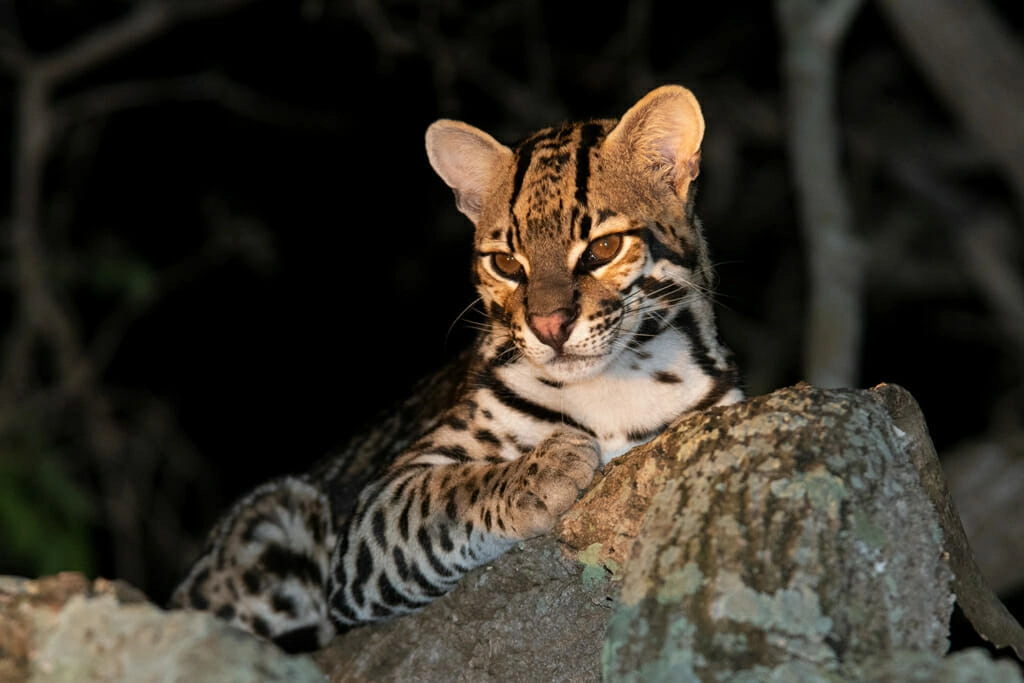
Credit: www.thewildlifediaries.com
Physical Traits And Adaptations
Big cats are powerful animals with unique traits. Their bodies help them survive in the wild.
These traits include size, coat patterns, and hunting skills. Each helps big cats live and hunt well.
Size And Strength
Big cats are known for their large size and strong muscles. This strength helps them catch and hold their prey.
| Big Cat | Average Weight | Strength Feature |
| Lion | 330 to 550 lbs | Powerful jaws and strong legs |
| Tiger | 220 to 660 lbs | Muscular build and sharp claws |
| Leopard | 66 to 176 lbs | Agile body and strong bite |
| Jaguar | 100 to 250 lbs | Strong neck and jaw muscles |
Camouflage And Coat Patterns
Big cats have different coat colors and patterns. These help them blend into their environment and hide from prey.
- Lions have tawny coats that match dry grasslands.
- Tigers show stripes that break up their shape in forests.
- Leopards have rosettes that look like shadows on leaves.
- Jaguars have bigger rosettes with spots inside, helping in dense jungles.
Hunting Skills
Big cats use their senses and strength to hunt. They stalk quietly and use fast bursts of speed to catch prey.
- They use sharp claws to hold prey tight.
- Strong jaws deliver a quick bite to the neck.
- Big cats often hunt at night to surprise their prey.
- They rely on stealth and patience before attacking.
Behavior And Social Structure
Big cats are known for their strength and beauty. Their behavior and social life vary widely.
Understanding these traits helps us learn how they live and survive in the wild.
Solitary Vs Social Animals
Most big cats like tigers and leopards live alone. They hunt and rest by themselves.
Lions are an exception. They live in groups called prides. These groups have several females, their young, and a few males.
- Tigers: solitary hunters
- Leopards: usually alone
- Lions: social, live in prides
- Jaguars: mostly solitary
Territorial Marking
Big cats mark their territory to keep other cats away. This helps them avoid fights.
They use scent marks, scratches, and vocal sounds to show their presence.
- Scent marking with urine or gland secretions
- Scratching trees and ground with claws
- Roaring or growling to warn others
Communication Methods
Big cats talk to each other using sounds and body language. This helps them find mates and warn danger.
They use roars, growls, purrs, and even facial expressions to share messages.
- Roaring to show strength or call others
- Growling to warn or scare enemies
- Purring to show comfort or calm
- Facial expressions to show mood
Conservation Status
Big cats are large wild cats like lions, tigers, leopards, and jaguars. Many of these cats face risks that affect their survival. Understanding their conservation status helps protect them.
Conservation status shows how close a species is to extinction. It helps governments and groups make plans to save these animals.
Threats To Big Cats
Big cats face many dangers that reduce their numbers. Loss of habitat and hunting are the biggest problems. People also kill them to protect livestock or for their body parts.
- Habitat loss from farming and cities
- Poaching for fur, bones, and other parts
- Conflict with humans over animals killed
- Illegal wildlife trade
Protection Efforts
Many groups work to protect big cats. They create parks and safe places for cats to live. Laws help stop hunting and trading of these animals.
People also teach others why big cats are important. This helps reduce conflicts and support for their protection grows.
- Creating wildlife reserves and national parks
- Enforcing anti-poaching laws
- Raising awareness in local communities
- Supporting breeding programs in zoos
Role In Ecosystems
Big cats play a key role in nature. They keep animal numbers balanced by hunting prey. This helps plants and other animals thrive.
Without big cats, some prey animals can grow too many. This can harm forests and grasslands where many species live.
- Control prey populations to maintain balance
- Help keep healthy ecosystems
- Support biodiversity by protecting habitats
Big Cats In Culture
Big cats have fascinated humans for centuries. They appear in stories, art, and traditions worldwide.
This article explores how big cats are seen in culture through symbolism, media, and human interactions.
Symbolism And Mythology
Big cats often symbolize power, courage, and mystery in myths and legends. Different cultures give them special meanings.
- Lions represent strength and royalty in many cultures.
- Tigers symbolize bravery and protection in Asian stories.
- Leopards often stand for agility and stealth in African tales.
- In some myths, big cats are guardians of the spirit world.
Representation In Media
Big cats appear in books, movies, and cartoons. They often play important roles as heroes or villains.
| Media Type | Example | Role of Big Cats |
| Film | The Lion King | King and leader |
| Literature | The Jungle Book | Wise and strong friend |
| Cartoons | Tiger from Winnie the Pooh | Energetic and playful |
| Video Games | Panther in Black Panther | Hero and protector |
Human Interactions
Humans have had close and complex relationships with big cats. These animals can inspire fear and respect.
Here are some ways people interact with big cats:
- Big cats live in zoos and wildlife parks for education and protection.
- Some cultures use big cats in traditional dances and ceremonies.
- Conservation efforts help protect big cats from extinction.
- Unfortunately, conflicts happen when big cats enter human areas.
Frequently Asked Questions
What Animals Are Classified As Big Cats?
Big cats include lions, tigers, leopards, jaguars, and snow leopards. These species are larger and more powerful than typical cats. They belong to the Panthera genus and are known for their strength and hunting skills.
Why Are Some Cats Called “big Cats”?
They are called big cats due to their large size, strength, and ability to roar. Unlike smaller cats, big cats have a specialized larynx and vocal cords that enable roaring. This trait distinguishes them within the Felidae family.
Do All Big Cats Roar?
No, not all big cats roar. Lions, tigers, leopards, and jaguars can roar. Snow leopards cannot roar but make other vocal sounds. Roaring helps big cats communicate and establish territory.
How Do Big Cats Differ From Small Cats?
Big cats are larger, stronger, and can roar. Small cats lack the ability to roar and usually have smaller bodies. Big cats also tend to be apex predators with powerful hunting skills.
Conclusion
Big cats are fascinating creatures with unique names. Lions, tigers, leopards, and jaguars stand out in the animal kingdom. Each has distinct features and habitats. These majestic animals play crucial roles in ecosystems. They inspire awe and respect worldwide. Understanding their names helps us appreciate their diversity.
It reminds us of their importance in nature. Protecting these big cats ensures ecological balance. It also preserves their beauty for future generations. Stay curious about these amazing animals. Keep learning and sharing their stories. Our awareness can make a difference in their survival.