
If you’re a cat owner, you know how frustrating fleas can be for your furry friend—and for you. Flea collars are one of the most common solutions, but you might be wondering: Are flea collars really effective for cats?
You want to keep your pet safe and comfortable, but you also don’t want to waste money or expose your cat to unnecessary chemicals. You’ll discover the truth about flea collars, how they work, and what you should consider before choosing one.
Keep reading to find out how to protect your cat from those pesky pests once and for all.
How Flea Collars Work
Flea collars are designed to protect cats from fleas. They release chemicals that kill or repel fleas.
The collar works over time to reduce flea problems on your cat’s fur and skin.
Active Ingredients Explained
Flea collars contain chemicals that target fleas. These ingredients vary by brand and type.
Common active ingredients include insecticides and repellents. They help stop fleas from biting and growing.
- Imidacloprid: Kills adult fleas quickly
- Flumethrin: Repels and kills ticks and fleas
- Permethrin: Kills fleas but is toxic to cats if ingested
- Essential oils: Natural repellents but less powerful
Mechanism Of Action On Fleas
The collar slowly releases chemicals into the cat’s fur. These chemicals spread over the skin and hair.
The active ingredients affect fleas in different ways. They can kill fleas or stop their growth.
- Kill adult fleas by attacking their nervous system
- Stop flea larvae from developing into adults
- Repel fleas so they avoid the cat
- Prevent flea eggs from hatching
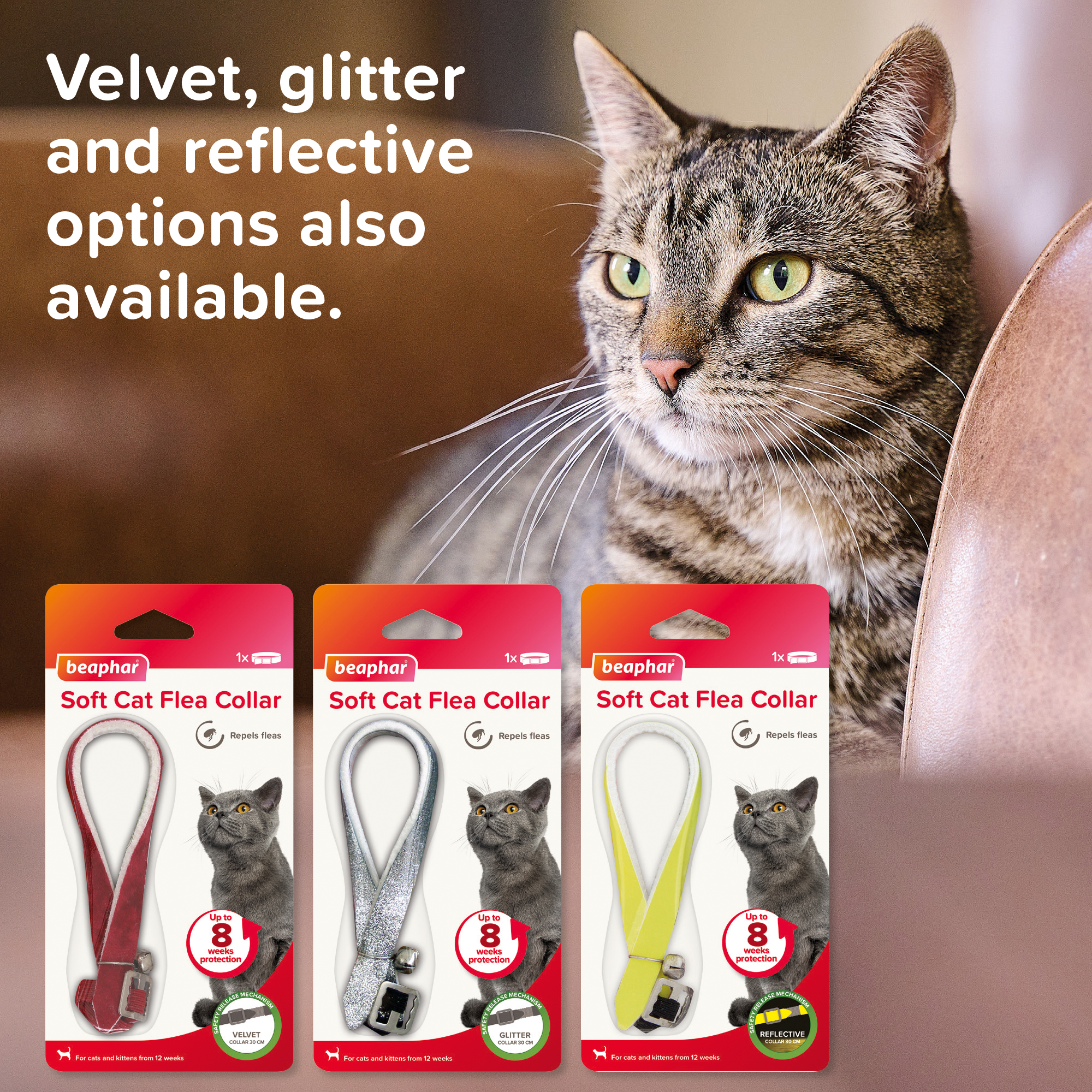
Credit: www.beaphar.co.uk
Types Of Flea Collars For Cats
Flea collars help protect cats from fleas. They come in different types. Each type works in a unique way to stop fleas.
Choosing the right flea collar depends on your cat’s needs and your preferences. Learn about the main types below.
Chemical-based Collars
Chemical flea collars release insecticides that kill fleas and prevent new ones. They often use ingredients like imidacloprid or flumethrin. These collars can be very effective but may cause side effects for some cats.
Natural And Herbal Options
Natural flea collars use plant oils and herbal extracts. They avoid harsh chemicals and can be safer for sensitive cats. These collars repel fleas instead of killing them.
- Essential oils like lavender or cedarwood
- Neem oil, known for insect-repelling properties
- Rosemary and eucalyptus extracts
- Non-toxic and eco-friendly materials
Long-lasting Vs Short-term Collars
| Type | Duration | Best Use |
| Long-Lasting | Up to 8 months | Continuous protection for active cats |
| Short-Term | Up to 2 months | Temporary use or trial periods |
Long-lasting collars give steady protection but cost more upfront. Short-term collars allow testing for allergies or effectiveness. Choose based on your cat’s lifestyle.
Effectiveness Of Flea Collars
Flea collars are a common tool to protect cats from fleas. They release chemicals to kill or repel fleas around the cat’s neck.
Many cat owners wonder if these collars really work. Effectiveness depends on several factors like collar type and flea severity.
Scientific Studies And Findings
Studies have tested flea collars to measure how well they prevent flea bites. Some collars show good results in lab tests.
Many collars use chemicals like imidacloprid or flumethrin. These substances kill fleas quickly on contact.
- Flea collars reduce flea numbers in controlled environments
- Some collars provide up to 8 months of protection
- Effectiveness varies by flea species and collar brand
Real-world User Experiences
Many cat owners report mixed results using flea collars. Some see fewer fleas, while others notice little change.
User reviews mention that collars work best when combined with other flea control methods. Some cats also dislike wearing collars.
- Some cats have fewer fleas after wearing collars for weeks
- Collars may lose effectiveness if worn too long or get dirty
- Collars do not remove fleas already on the cat immediately
Factors Influencing Performance
Several factors affect how well flea collars work on cats. Fit, collar type, and the cat’s environment matter.
Some fleas live in the home, not just on the cat. Collars alone may not stop infestations if the home is not treated.
- Proper collar fit ensures chemicals spread evenly
- Water exposure can reduce collar effectiveness
- High flea pressure may require additional treatments
- Age and health of the cat can affect flea control
Safety Concerns And Risks
Flea collars are common tools to protect cats from fleas. Many cat owners wonder if these collars are safe to use. It is important to know the possible risks involved.
Understanding safety concerns can help you decide if a flea collar is right for your cat. This guide covers side effects, toxicity, and how to use collars properly.
Potential Side Effects
Some cats may experience side effects from flea collars. These can include skin irritation or discomfort around the neck. Cats might scratch or rub the collar area more than usual.
In rare cases, cats show signs of tiredness or loss of appetite. Watch your cat closely after putting on a collar. Remove the collar if any severe reactions appear.
- Redness or swelling on the neck
- Hair loss near the collar
- Excessive scratching or biting at the collar
- Changes in behavior or appetite
Toxicity And Allergic Reactions
Flea collars contain chemicals that can be toxic if ingested or absorbed too much. Some cats are allergic to these chemicals. Allergic reactions might cause itching, swelling, or breathing problems.
Keep the collar away from your cat’s mouth and eyes. Do not use a flea collar on kittens younger than eight weeks. Always check the ingredients for known allergens.
- Watch for drooling or vomiting
- Look for swelling around the face or neck
- Notice if your cat coughs or has trouble breathing
- Remove the collar and contact a vet if needed
Proper Usage Guidelines
Use flea collars exactly as the instructions say. Do not leave collars on longer than recommended. Remove the collar before bathing your cat.
Check the collar often for signs of damage or wear. Replace the collar when it stops working or after the time limit ends. Keep collars out of reach of children and other pets.
- Choose the right size collar for your cat
- Fasten the collar snugly but not too tight
- Remove the collar before grooming or bathing
- Replace collars regularly as per label instructions
- Store unused collars in a safe place
Alternatives To Flea Collars
Flea collars are one way to protect cats from fleas. Some cat owners look for other options. Different methods can help keep fleas away safely and effectively.
This guide covers three main alternatives: topical treatments, oral medications, and environmental control measures. Each has its own advantages for flea control.
Topical Treatments
Topical treatments are liquids applied to a cat’s skin. Usually, they go on the back of the neck. These treatments kill fleas quickly and stop new ones from growing.
- Easy to apply once a month
- Water-resistant after drying
- Works well for cats that swim or get wet
- May also kill ticks and other pests
Oral Medications
Oral medications come in tablets or chewables. Cats swallow them, and the medicine moves through the bloodstream. Fleas die when they bite the treated cat.
| Type | How It Works | Duration |
| Monthly Tablets | Kills fleas and prevents eggs | 30 days |
| Quarterly Pills | Long-lasting flea and tick control | 90 days |
| Chewables | Tasty and easy to give | 30 days |
Environmental Control Measures
Fleas live in carpets, bedding, and furniture. Cleaning your home helps stop fleas from returning. Use these methods to control the environment.
- Vacuum floors and furniture often
- Wash pet bedding weekly in hot water
- Use flea sprays or powders for the home
- Keep outdoor areas clean and free of debris

Credit: www.amazon.com
Tips For Choosing The Right Flea Collar
Choosing the right flea collar for your cat keeps them safe and comfortable. Not all collars work the same for every cat. It is important to pick one that fits your cat’s needs.
Consider your cat’s age, health, and any other treatments they are using. Look at the brand and read reviews before buying. This helps you make a good choice.
Age And Health Considerations
Young kittens and older cats may have different needs for flea collars. Some collars are too strong for small or sick cats. Always check the label for age limits and health warnings.
- Do not use flea collars on kittens under a certain age.
- Consult a vet if your cat has health issues.
- Watch for skin irritation or allergies after putting on the collar.
- Remove the collar if your cat shows signs of discomfort.
Compatibility With Other Treatments
Some flea collars may not work well with other flea treatments. Using many treatments at once can harm your cat. Check if the collar is safe to use with shampoos, sprays, or pills.
| Type of Treatment | Safe to Use with Flea Collar? |
| Topical spot-on treatments | Usually no |
| Oral flea medications | Often yes |
| Flea shampoos | Depends on product |
| Natural remedies | Check ingredients |
Brand Reputation And Reviews
Choose flea collars from brands with good reputations. Read reviews from other cat owners. This can help you find safe and effective collars. Avoid brands with many complaints about side effects or poor results.
- Look for reviews on trusted pet care websites.
- Check if the collar worked for cats similar to yours.
- Note any repeated problems mentioned by users.
- Ask your vet for brand recommendations.

Credit: www.hartz.com
Frequently Asked Questions
Are Flea Collars Safe For Cats?
Yes, flea collars designed for cats are generally safe. Always choose collars specifically made for cats and follow instructions carefully. Consult a vet if your cat has allergies or skin sensitivities before use.
How Effective Are Flea Collars For Cats?
Flea collars can be effective in repelling and killing fleas. Their efficiency depends on the active ingredients and proper fit. Some collars provide months-long protection, while others need frequent replacement.
Can Flea Collars Protect Cats From Ticks?
Many flea collars also protect against ticks. Look for collars labeled as effective for both fleas and ticks. This dual protection is especially useful for outdoor cats in tick-prone areas.
How Long Does A Flea Collar Last On Cats?
Most flea collars last between 3 to 8 months. Duration varies by brand and ingredients. Replace the collar as per manufacturer’s recommendation to maintain continuous protection.
Conclusion
Flea collars can be effective for cats, but results vary. Some collars repel fleas well. Others might not suit all cats. Consider your cat’s needs and lifestyle. Consult your vet before choosing a collar. Always monitor your cat for any reactions.
Check the collar’s ingredients for safety. Remember, a collar is just one option. Regular grooming and a clean environment help too. Balance these methods for best results. Keep your furry friend comfortable and flea-free.