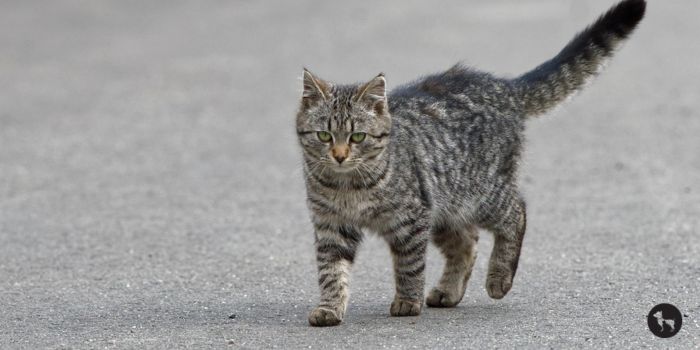
Have you ever stopped to really notice what makes a cat so unique? If you think you know what a cat looks like, you might be surprised by the details you’ve missed.
Understanding a cat’s appearance isn’t just about spotting whiskers and fur—it’s about seeing the little things that make each cat special. You’ll discover the features that define a cat’s look and why they matter. Keep reading, and you’ll start seeing cats in a whole new way.

Credit: www.reddit.com
Physical Traits
Cats have many physical traits that make them unique. These traits help us recognize different cats.
We will look at four main traits: body size and shape, fur patterns and colors, eye colors and shapes, and ear types and positions.
Body Size And Shape
Cats come in many sizes, from small to large. Their shapes can be slim or round.
Some cats have long bodies and legs. Others have short legs and compact bodies.
- Small cats weigh around 5 pounds
- Large cats can weigh over 15 pounds
- Some have muscular builds
- Others look sleek and delicate
Fur Patterns And Colors
Cats have many fur patterns and colors. These patterns can be solid, striped, spotted, or mixed.
Common colors include black, white, gray, orange, and brown. Some cats have combinations of these colors.
- Tabby: stripes or spots with an “M” on the forehead
- Solid: one color all over the body
- Calico: white, black, and orange patches
- Tortoiseshell: mixed black and orange colors
- Pointed: lighter body with darker ears, face, paws, and tail
Eye Colors And Shapes
Cats have many eye colors, including green, yellow, blue, and copper. Some eyes can look very bright.
The shapes of cat eyes are usually round or almond-shaped. Their pupils can change size quickly.
- Green eyes are common in many cats
- Blue eyes often appear in white or pointed cats
- Yellow and copper eyes can look very warm
- Vertical pupils help cats see in low light
Ear Types And Positions
Cats have pointed ears that can move in many directions. Their ears help them hear well.
Some cats have straight ears, while others have folded or curled ears. Ear size also varies.
- Straight ears are the most common
- Folded ears bend forward or down
- Curled ears curve backward
- Large ears help hear quiet sounds
- Small ears may protect from cold
Distinctive Facial Features
Cats have many unique facial features. These help them see, smell, and sense their world.
Their face shape and parts can vary by breed and individual cat. This makes each one special.
Whiskers And Their Role
Whiskers are thick, long hairs on a cat’s face. They are very sensitive to touch and air.
Whiskers help cats measure spaces and detect nearby objects. They guide cats in the dark.
- Located above the eyes, on cheeks, and chin
- Sense small changes in air currents
- Help with balance and movement
Nose Shapes And Colors
A cat’s nose varies in shape and color. Some are flat, some are pointed, and others are rounded.
Nose colors can be pink, black, or spotted. The color often matches the cat’s fur patterns.
- Shape affects how cats sniff and breathe
- Color does not affect smell or health
- Spotting or patterns are common in some breeds
Mouth And Teeth Structure
Cats have sharp teeth designed for eating meat. Their mouths are small but strong.
Their teeth help them catch prey and chew food. Cats also use their mouths to groom themselves.
- Sharp canine teeth for biting
- Smaller teeth for cutting meat
- Strong jaw muscles for chewing
- Flexible lips for precise movements
Tail Variations
Cats have many types of tails. Their tails help them balance and communicate. Tail shapes and lengths differ by breed and individual cats.
Understanding tail variations helps us learn more about a cat’s mood and health. Let’s look at two important features: tail length and tail movements.
Tail Length Differences
Cat tails come in many lengths. Some cats have very long tails, while others have short or even no tails. Tail length can show a cat’s breed or genetics.
| Tail Type | Description | Example Breeds |
| Long Tail | Full length, usually 10 to 12 inches | Maine Coon, Siamese |
| Short Tail | Shortened tail, less than 6 inches | Manx, Japanese Bobtail |
| No Tail | Almost no tail or a small stump | Manx |
| Curled Tail | Tail curls over the back or to the side | American Bobtail |
Tail Movements And Meanings
Cats use their tails to show feelings. The way a tail moves can tell you if a cat is happy, scared, or angry.
- Upright Tail:A happy and confident cat.
- Low Tail:A scared or shy cat.
- Swishing Tail:A cat that is annoyed or excited.
- Fluffed Tail:A frightened or defensive cat.
- Slow Wagging Tail:A cat that is focused or curious.

Credit: www.yahoo.com
Paw And Claw Characteristics
The paws and claws of a cat are important for its daily activities. They help cats walk silently and catch prey. These features also protect the cat and aid in climbing.
Understanding the size of a cat’s paw and how its claws work gives insight into its behavior and abilities.
Paw Size And Pads
A cat’s paw size varies by breed and age. Paw pads are soft and cushion the feet. They help absorb shock and provide grip on surfaces.
- Paw pads contain sweat glands to help with cooling.
- They protect bones and joints from hard surfaces.
- The texture of pads allows silent movement.
- Different cats have different paw shapes and sizes.
Claw Retraction And Uses
Cats can retract their claws to keep them sharp. This means claws stay hidden inside the paw when not in use. They extend claws to climb, hunt, and defend themselves.
| Claw Feature | Purpose |
|---|---|
| Retracted Claws | Keep claws sharp and avoid damage |
| Extended Claws | Climbing trees and catching prey |
| Sharp Tips | Hold on to surfaces and prey firmly |
| Curved Shape | Helps in gripping and climbing |
Coat Textures
Cats have different coat textures that affect how they look and feel. Their fur can be soft, rough, thick, or thin.
Understanding coat textures helps you appreciate the beauty and variety of cats.
Short Vs. Long Fur
Short fur cats have sleek coats that are easy to care for. Their fur lies close to the skin and feels smooth.
Long fur cats have thick, flowing coats. Their fur can be fluffy and soft but needs more grooming to avoid tangles.
- Short fur: less shedding, less grooming
- Long fur: more shedding, regular brushing needed
- Short fur: often shiny and sleek
- Long fur: can trap dirt and mats
Curly And Hairless Varieties
Some cats have curly fur that feels soft and springy. These curls give them a unique look and texture.
Hairless cats have very little or no fur. Their skin feels warm and smooth. They need special care to stay healthy.
- Curly fur: soft, wavy, or tightly curled
- Hairless cats: skin exposed, needs protection from cold
- Curly cats often have less shedding
- Hairless cats require gentle cleaning
Breed-specific Features
Cats come in many breeds, each with unique physical traits. These features help identify their breed and personality.
Knowing breed-specific features can help owners understand their cats better. It also shows the beauty of each breed’s design.
Common Breed Traits
Most cat breeds share some common traits. These include body size, ear shape, and fur length. These traits are easy to spot and compare.
- Body Size:Some breeds are large and muscular, like Maine Coons. Others are small and slim, like Siamese cats.
- Ear Shape:Scottish Folds have folded ears, while many cats have pointy ears.
- Fur Length:Persian cats have long, thick fur. Burmese cats usually have short, sleek coats.
- Eye Color:Some breeds have striking blue eyes, such as the Ragdoll. Others may have green or amber eyes.
- Tail:Manx cats often have short or no tails, which is unusual for most breeds.
Unique Breed Markings
Many breeds have special markings that make them stand out. These patterns are part of their breed identity.
| Breed | Marking | Description |
|---|---|---|
| Bengal | Rosetted spots | Spots shaped like roses, giving a wild look |
| Siamese | Color points | Darker colors on ears, face, paws, and tail |
| Calico | Tricolor patches | Large patches of white, black, and orange |
| Tabby | M-shaped forehead | Distinctive ‘M’ shape on the forehead with striped body |
| Sphynx | Wrinkled skin | Hairless with visible skin folds and wrinkles |
Movement And Posture
Cats move with grace and control. Their posture shows their mood and health clearly.
Watching a cat’s movement helps understand its feelings and intentions. This includes how it walks and holds its body.
Typical Gait And Flexibility
Cats walk with a smooth, silent gait. They place their paws carefully, one in front of the other.
They are very flexible, able to twist and stretch their bodies easily. This helps them jump and climb well.
- Walk softly and quietly
- Move with balance and precision
- Bend their spine to fit in small spaces
- Stretch long after waking up
Body Language Signals
Cats use posture to show feelings. A raised tail means confidence or happiness.
When scared or angry, cats lower their bodies and flatten their ears. Their movements become quick and sharp.
- Relaxed body and slow movements mean calm
- Stiff posture and staring show alertness
- Curved back and puffed fur signal fear
- Slow blinking is a sign of trust

Credit: www.youtube.com
Frequently Asked Questions
What Are The Common Physical Features Of A Cat?
Cats typically have soft fur, sharp eyes, pointed ears, and whiskers. Their bodies are flexible, with retractable claws and a long tail for balance. Colors and patterns vary widely among breeds, but these features are common in most domestic cats.
How Can You Identify A Cat’s Breed By Appearance?
Breed identification depends on fur length, color patterns, ear shape, and body size. Some breeds have distinctive traits like the Siamese’s slim body or the Persian’s flat face. Observing these traits helps distinguish one breed from another easily.
Why Do Cats Have Different Fur Colors And Patterns?
Fur colors and patterns result from genetics. Different genes control pigment type and distribution. This diversity helps cats blend into their environment or stand out, depending on natural selection and breeding.
What Is The Significance Of A Cat’s Whiskers?
Whiskers help cats sense their surroundings. They detect changes in air currents and objects nearby. This aids in navigation, hunting, and avoiding obstacles, especially in low-light conditions.
Conclusion
Cats are truly fascinating creatures. Their sleek bodies and expressive eyes captivate us. Whiskers twitch, telling tales of curiosity. Soft fur invites gentle touch and comfort. Their playful nature brings joy and laughter. Mysterious yet loving, cats hold our hearts.
Each cat, unique in looks and personality. They adapt, showing resilience in every environment. Observing them is a delightful experience. Understanding their features deepens our bond. These furry companions bring peace and happiness. Cherish the beauty and charm of cats daily.
They enrich our lives in countless ways. Enjoy the company of these wonderful animals.