Have you ever walked into your bedroom, ready to relax, only to find an unpleasant surprise on your bed courtesy of your feline friend? It’s a scenario that can leave any cat owner puzzled and frustrated.
If you’re wondering why your beloved cat chooses this unexpected spot to do their business, you’re not alone. This behavior is more common than you might think, and understanding the reasons behind it is key to finding a solution. We’ll uncover the mysteries of why cats sometimes poop on beds, helping you get to the root of the problem and restore harmony in your home.
Stick around because what you learn could transform your relationship with your cat and your peace of mind.
Common Causes
It’s a scenario no cat owner wants to face: discovering that your beloved feline has used your bed as a bathroom. Understanding why cats exhibit this behavior requires diving into various causes, from health issues to behavioral quirks. By pinpointing the reasons, you can take steps to prevent these unwelcome surprises and ensure your kitty feels content and secure in their environment.
Health Issues
Health problems are often the first suspects when a cat starts pooping outside their litter box. Conditions like urinary tract infections, constipation, or even arthritis can make it difficult for cats to access or use their litter box comfortably. Imagine trying to reach a bathroom when you’re in pain—your cat might be feeling similarly.
If your cat suddenly starts using your bed as a toilet, a trip to the vet is advisable. A thorough check-up can rule out medical conditions that may be causing discomfort. Your vet might suggest dietary changes or medications to help your cat feel better.
Behavioral Problems
Behavioral issues can also lead to unexpected deposits on your bed. Cats are creatures of habit, and disruptions to their routine can trigger stress-related behaviors. Changes like a new pet, different work schedule, or even moving furniture can unsettle them.
Think about your own reactions to stress. Just like you might lash out or seek comfort, cats may express their anxiety by pooping in inappropriate places. Understanding what’s changed in their environment can help you address the underlying issue.
Litter Box Aversion
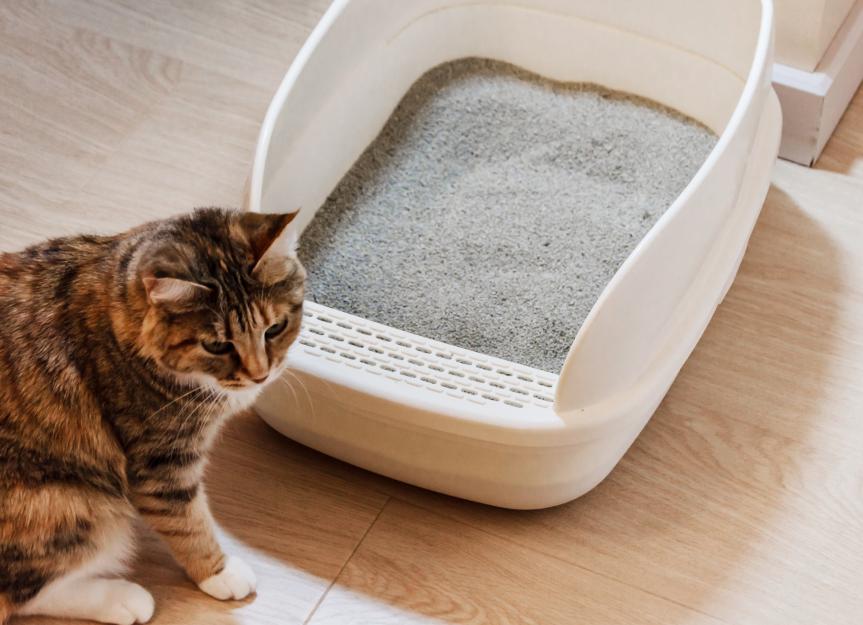
Litter box aversion is another common cause. Cats can develop a dislike for their litter box due to factors like cleanliness, location, or type of litter. Would you want to use a dirty, smelly bathroom? Neither does your cat.
Ensure the litter box is clean and placed in a quiet, accessible spot. Experiment with different litters to find one your cat prefers. Small changes can make a big difference in their comfort level.
As you explore these causes, remember that every cat is unique. What works for one might not work for another. But by identifying the reason behind your cat’s behavior, you can create a happier, healthier environment for both of you.

Credit: www.reddit.com
Health Concerns
When your feline friend starts to poop on your bed, it can be alarming. While behavioral reasons are often considered, health concerns should not be overlooked. Cats may be signaling that something is amiss with their health. Understanding these concerns can help you address the issue and ensure your pet’s well-being.
Urinary Tract Infections
Urinary tract infections (UTIs) can cause discomfort and pain for cats, leading them to avoid the litter box. The pain associated with urination might prompt your cat to seek softer surfaces like your bed. Have you noticed frequent urination or unusual smells? These could be signs of a UTI, warranting a visit to the vet.
Gastrointestinal Disorders
Digestive problems can disrupt your cat’s normal bathroom habits. Conditions like constipation or diarrhea might make it difficult for your cat to reach the litter box in time. Have you observed changes in your cat’s diet or bowel movements? These could point to gastrointestinal issues that require medical attention.
Arthritis And Mobility Issues
As cats age, arthritis and mobility issues can make accessing the litter box challenging. Your bed might be an easier option for your arthritic cat. Have you noticed your cat avoiding jumping or climbing? This could indicate joint pain and a need for a more accessible litter box.
Addressing these health concerns can not only keep your bed clean but also improve your cat’s quality of life. Regular vet check-ups and attentive observation can help you catch these issues early. Are you aware of the subtle signs your cat might be showing? Taking proactive measures can prevent future accidents and ensure a happy, healthy pet.
Behavioral Factors
Cats may poop on beds due to stress or territorial disputes. Changes in their environment can trigger this behavior. Understanding these factors helps address the issue effectively.
Cats are fascinating creatures, often described as mysterious and unpredictable. When a cat decides to poop on your bed, it can be both bewildering and frustrating. Understanding the behavioral factors behind this unusual habit can shed light on why this occurs and how you can address it. Let’s explore some key behavioral reasons that might be causing this situation.
Stress And Anxiety
Cats are sensitive animals, and changes in their environment can lead to stress and anxiety. Have you recently moved, had a new family member join, or introduced another pet? Such changes can unsettle your feline friend. When stressed, a cat might poop on your bed as a way to express discomfort. Imagine the bed as a safe haven; your scent offers comfort and familiarity. If your cat is feeling anxious, this behavior might be its way of seeking solace in your presence.
Territorial Marking
Cats are territorial by nature. They use various methods to mark their space, including scent marking through urine and feces. If your cat perceives a threat to its territory, perhaps from another pet or even a visiting guest, it might choose your bed as a strategic location to assert dominance. This behavior isn’t just about marking territory; it’s about making a statement. Your bed is often seen as a prime spot due to its elevated position and central location in the home.
Attention-seeking Behavior
Cats sometimes engage in undesirable behaviors to get your attention. Have you been busy or away from home more than usual? Your cat might be feeling neglected and uses pooping on the bed as a dramatic way to grab your attention. It’s like a child acting out to ensure you notice them. While it may seem like a strange tactic, it’s effective; you’re certainly not ignoring the issue when faced with such a mess. Understanding these behavioral factors can help you identify the root cause of your cat’s actions. Is your cat stressed, feeling territorial, or simply seeking your attention? Addressing the underlying issue will be key in resolving this peculiar habit.
Credit: www.petmd.com
Environmental Influences
Cats are sensitive creatures. Environmental changes can upset them. This might lead to unexpected behavior, like pooping on the bed. Understanding these influences can help address the issue effectively.
Dirty Litter Box
Cats prefer a clean space for their needs. A dirty litter box can deter them. They might choose your bed if the box is unclean. Regular cleaning is essential. Scoop the litter daily and change it weekly. A clean box invites them back.
Unsuitable Litter Type
Cats have preferences. They may dislike certain litter types. Some litters are too rough or scented. This discomfort can lead them to your bed. Experiment with different types. Find one that suits your cat’s liking. This small change can make a big difference.
Changes In Routine Or Environment
Routine changes can stress cats. New furniture, guests, or moving can upset them. These disruptions might cause litter box avoidance. Maintain a consistent routine. Provide comfort during changes. Familiar smells or toys can help reassure them.
Training And Solutions
Cats might poop on beds due to stress, medical issues, or territorial behavior. Providing a clean litter box and understanding their needs can help address this issue. Identifying the root cause is key to finding effective solutions.
Cats pooping on beds can be a puzzling behavior. It often leaves pet owners frustrated. Understanding why cats do this is crucial. Training and solutions can help address this issue effectively. Below are some methods to improve your cat’s bathroom habits.
Positive Reinforcement
Positive reinforcement can be a powerful tool. Reward your cat for using the litter box. Use treats or affection as rewards. This helps build a positive association. Consistency is key in this method. Cats respond well to regular positive feedback. Avoid punishing your cat for accidents. It can lead to anxiety and worsen the problem.
Litter Box Training
Litter box placement is important. Ensure it’s in a quiet, accessible spot. Clean the litter box regularly. Cats prefer clean areas for elimination. Try different types of litter. Some cats are picky about texture or scent. Provide enough litter boxes for all your cats. A general rule is one box per cat plus one. Observe your cat’s litter box habits closely.
Consulting A Veterinarian
Unusual elimination behavior might indicate health issues. Consulting a veterinarian is wise. They can rule out medical problems. Conditions like urinary infections can affect litter habits. A vet can offer advice on diet or medications. They might suggest behavioral therapy if needed. Catching health issues early can prevent future problems. Regular vet check-ups are beneficial for your cat’s well-being.

Credit: vetic.in
Preventive Measures
Understanding why cats poop on beds is key to prevention. Stress, medical issues, or litter box problems can trigger this behavior. Ensure your cat feels secure and consult a vet for health concerns.
Preventive Measures Cats pooping on the bed can be a frustrating issue. But with a bit of understanding and effort, you can prevent this unpleasant behavior. By focusing on maintaining their comfort and health, you can ensure your feline friend feels secure enough to use their litter box consistently.
Maintaining A Clean Litter Box
Cats are famously finicky about cleanliness. A dirty litter box might push them to seek alternative spots, like your bed. Make it a routine to clean the litter box daily. Use clumping litter for easier removal of waste. Consider having multiple litter boxes if you have more than one cat. Cats appreciate options, and this can reduce territorial disputes.
Providing Safe Spaces
Cats need their own safe havens. They may feel stressed or threatened and seek refuge on your bed. Create cozy, quiet spaces just for them. Place these areas away from noisy household activity. Add soft bedding or blankets to make it inviting. A cat tree or elevated perch can also provide a sense of security.
Regular Health Check-ups
Sometimes, the issue is health-related. Cats might poop outside their litter box due to medical concerns. Schedule regular vet visits to catch any underlying health issues early. Look for signs of discomfort or unusual behavior. A professional can provide insights into behavioral changes linked to health. Could a check-up be the missing piece to your puzzle? Every cat is unique, and addressing their needs can prevent bed mishaps. What adjustments will you make today to keep your bed poop-free?
Frequently Asked Questions
How Do I Stop My Cat From Pooping On My Bed?
Ensure your cat’s litter box is clean and accessible. Block bed access with a closed door or deterrent. Provide a stress-free environment. Consider consulting a vet to rule out medical issues. Reinforce positive behavior by rewarding your cat when using the litter box.
Should I Punish My Cat For Pooping On My Bed?
Avoid punishing your cat for pooping on the bed. Punishment can create fear and stress. Identify the cause, like health issues or litter box problems, and address it. Clean the area thoroughly to remove scent cues. Encourage proper behavior by keeping the litter box clean and accessible.
Why Does My Cat Poop On My Bed When I’m Not Home?
Your cat may poop on your bed due to stress, territorial marking, or medical issues. Ensure a clean litter box and consult a vet for health concerns. Providing a secure, stress-free environment can help prevent this behavior.
How Do You Discipline A Cat For Pooping Outside The Litter Box?
Ensure the litter box is clean and accessible. Consult a vet for health issues. Use positive reinforcement for proper usage. Avoid punishment, as it can cause stress. Gradually retrain your cat with patience and consistency.
Conclusion
Understanding why cats poop on the bed helps solve the issue. Stress or medical problems often cause this behavior. Addressing these concerns can prevent future accidents. Create a safe, comfortable environment for your cat. Check their health regularly. Provide a litter box that’s clean and accessible.
Establish a routine that reassures them. Cats need love and patience to adapt. Pay attention to their needs and signals. Your bed should be a place of rest, not a litter box. With care, you can restore peace in your home.
Your bond with your cat will grow stronger.