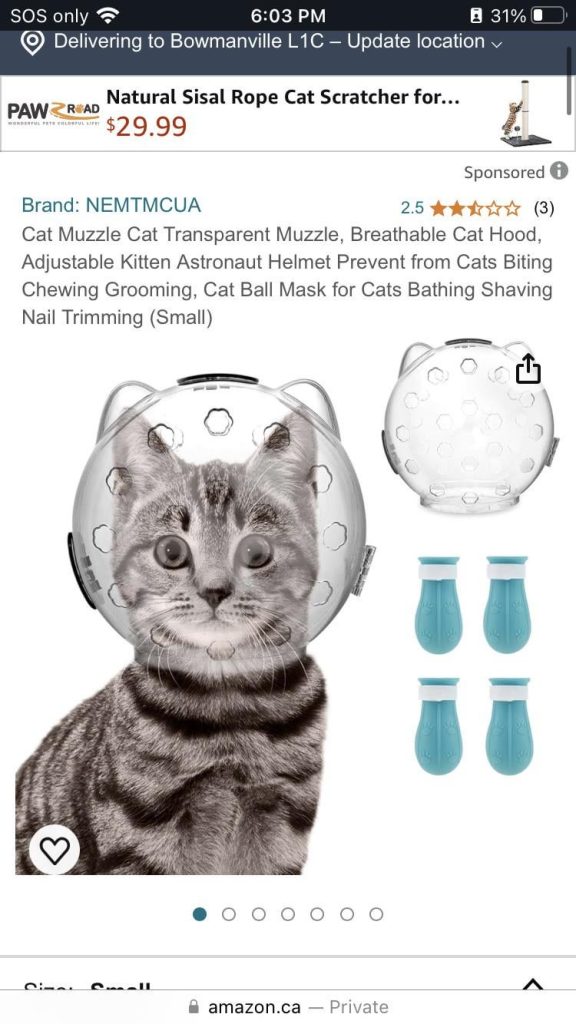
Have you noticed your cat licking or biting its fur more than usual? Over grooming can cause painful skin problems and stress for your furry friend.
But don’t worry—you can take simple steps to stop this behavior before it gets worse. You’ll discover easy and effective ways to prevent over grooming in cats. Keep reading to protect your cat’s health and happiness.

Credit: www.ebay.com
Causes Of Over Grooming
Over grooming in cats means they lick or scratch themselves too much. This can cause skin problems and hair loss. Knowing what causes this helps you stop it early.
Several reasons make cats groom too much. These reasons include health issues and changes in their environment.
Stress And Anxiety
Cats can feel stressed from loud noises, new pets, or changes at home. Stress makes cats lick or scratch to calm themselves down. This can turn into over grooming.
Signs of stress include hiding, loss of appetite, and restlessness. Over grooming can be one way cats show they are upset.
Allergies And Skin Conditions
Cats may have allergies to food, dust, or pollen. These allergies cause itching and irritation. Skin conditions like eczema or fungal infections also cause discomfort.
When cats feel itchy or irritated, they groom more to try to feel better. This can lead to sore spots and hair loss.
Parasites And Infections
Parasites like fleas and mites cause itching and irritation on a cat’s skin. Infections from bacteria or fungi can also cause discomfort. Cats scratch or lick to ease the pain.
Unchecked parasites or infections make cats groom too much. This can worsen skin damage and lead to more problems.
Boredom And Environmental Factors
Cats need mental and physical activity to stay healthy. Bored cats may groom themselves to pass time. A dull environment can cause over grooming as a coping habit.
Changes like moving to a new home or lack of play can increase grooming. Providing toys and attention helps reduce boredom and over grooming.

Credit: danspetcare.com
Identifying Over Grooming Signs
Over grooming in cats means they lick or chew their fur too much. This can cause damage to their skin and fur. Spotting the signs early helps you take action fast.
Pay close attention to your cat’s body and behavior. This guide covers key signs to watch for, so you know when your cat needs help.
Hair Loss Patterns
Look for patches of missing fur on your cat’s body. These spots often appear on their belly, legs, or near the tail. The hair loss may be uneven or in small round shapes.
- Bald spots on one or both sides of the body
- Thinning fur in certain areas
- Broken or rough fur near the affected spots
Skin Irritation And Redness
Check your cat’s skin for signs of irritation. Redness or swelling can show where the cat has been licking or biting too much. Sometimes, the skin might have scabs or sores.
| Symptom | What to Look For |
| Redness | Skin looks pink or red in certain spots |
| Swelling | Raised areas under the skin |
| Sores | Open wounds or scabs from biting |
| Dryness | Flaky or cracked skin near the fur |
Behavioral Changes
Notice if your cat acts differently. Over grooming can link to stress or discomfort. Your cat may lick more after stressful events or seem restless.
Common behavior signs include:
- Excessive licking or chewing on certain spots
- Hiding or avoiding interaction
- Restlessness or pacing
- Increased irritability or agitation
Veterinary Diagnosis
Over grooming in cats can cause hair loss and skin damage. A vet helps find the cause. Early diagnosis stops the problem from getting worse.
Veterinary diagnosis uses tests and exams. These steps help find allergies, parasites, or other issues causing over grooming.
Physical Examination
The vet checks the cat’s skin and fur carefully. They look for wounds, redness, or hair loss spots. This exam shows where the cat grooms too much.
The vet also checks the cat’s behavior and body condition. This helps find pain or stress that can cause over grooming.
Allergy Testing
Allergies often cause itching and over grooming. The vet tests for allergies to food, pollen, dust, or fleas. Testing helps find what triggers the problem.
Tests may include blood tests or skin prick tests. These show if the cat’s immune system reacts to certain substances.
Parasite Screening
Parasites like fleas or mites cause itching and skin problems. The vet checks the cat’s fur and skin for parasites. This can explain over grooming behavior.
- Flea combing to find fleas or flea dirt
- Skin scrapings to detect mites
- Fecal tests to check for intestinal parasites
Environmental Adjustments
Over grooming in cats can be caused by stress or boredom. Changing your cat’s environment helps reduce this behavior. Small changes can create a calm and happy space for your cat.
Focus on making your home peaceful and interesting for your cat. This stops them from licking or biting their fur too much.
Creating A Calm Space
Give your cat a quiet spot away from noise and busy areas. Soft bedding and hiding places help your cat feel safe. Keep this space clean and cozy.
- Use soft blankets or cushions
- Place the area in a low-traffic room
- Add a covered bed or box for hiding
- Keep the space tidy and free of clutter
Providing Enrichment And Toys
Cats need fun activities to stay busy. Toys and puzzles keep their minds active. Regular playtime helps reduce stress and stops over grooming.
| Type of Toy | Purpose |
| Interactive toys | Stimulate hunting instincts |
| Catnip toys | Relax and entertain |
| Scratching posts | Allow natural scratching |
| Puzzle feeders | Challenge the cat’s brain |
Routine And Consistency
Cats feel safe with a steady schedule. Feed, play, and rest times should be regular. This lowers anxiety and helps stop over grooming.
- Feed your cat at the same times daily
- Play with your cat for at least 15 minutes twice a day
- Keep litter boxes clean and in quiet places
- Maintain a calm home environment
Behavioral Interventions
Over grooming in cats can be caused by stress or anxiety. Behavioral changes can help reduce this problem.
These interventions focus on creating a calm environment and encouraging positive habits.
Reducing Stress Triggers
Cats often over groom when they feel stressed. Removing or lowering these triggers helps calm them.
Common stress triggers include loud noises, new pets, or changes in the home.
- Keep a quiet and safe space for your cat
- Avoid sudden changes in routine
- Limit exposure to other aggressive pets
- Provide hiding spots and vertical spaces
Using Pheromone Products
Pheromone products release calming scents that cats recognize. These scents help reduce anxiety.
They come in sprays, diffusers, or collars and are safe for cats to use at home.
- Place diffusers in areas your cat spends time
- Spray bedding or favorite resting spots
- Use collars if your cat is comfortable wearing them
- Consistent use improves results
Positive Reinforcement Training
Reward your cat when it stops over grooming or stays calm. This encourages good behavior.
Use treats, petting, or praise immediately after your cat shows calm behavior.
- Give treats after relaxed grooming or play
- Avoid punishment; it may increase stress
- Use toys to distract from over grooming
- Be patient and consistent with rewards

Credit: www.reddit.com
Medical Treatments
Over grooming in cats can lead to skin damage and discomfort. Medical treatments help reduce this behavior safely.
Your vet can recommend the best treatment based on the cause of over grooming.
Medications For Allergies
Allergies often cause itching that leads to over grooming. Medicines can reduce allergic reactions.
- Antihistamines to stop itching
- Steroids to reduce inflammation
- Special allergy shots for long-term relief
Anti-anxiety Drugs
Stress and anxiety can cause cats to groom too much. Anti-anxiety drugs help calm them.
| Drug Name | Effect | Usage |
| Fluoxetine | Reduces anxiety | Daily pill |
| Clomipramine | Calms nerves | Daily pill |
| Trazodone | Relieves stress | As needed |
Topical Treatments
Topical treatments soothe irritated skin and stop cats from licking or biting.
Common topical treatments include:
- Medicated shampoos to clean and calm skin
- Anti-itch creams to reduce irritation
- Sprays with calming scents to ease stress
Preventive Care Tips
Over grooming in cats can cause skin problems and discomfort. Taking steps to prevent it helps keep your cat healthy.
Simple care routines reduce stress and improve your cat’s well-being. Follow these tips to avoid over grooming.
Regular Vet Check-ups
Schedule vet visits at least once a year. The vet can spot skin issues or health problems early.
Check-ups help find allergies or infections that may cause your cat to groom too much.
Parasite Control
Parasites like fleas and mites irritate your cat’s skin. This leads to excessive grooming.
- Use flea prevention treatments regularly.
- Keep your cat’s bedding clean.
- Check your cat’s fur for signs of parasites weekly.
- Talk to your vet about safe parasite control products.
Balanced Nutrition
Good nutrition supports healthy skin and coat. Poor diet can cause itching and hair loss.
| Nutrient | Benefit |
| Omega-3 Fatty Acids | Reduces inflammation and soothes skin |
| Protein | Supports hair growth and repair |
| Vitamins A and E | Maintain skin health and barrier |
| Water | Prevents dryness and irritation |
When To Seek Professional Help
Over grooming in cats can cause serious problems. Sometimes, you need expert advice to help your cat.
Knowing when to see a vet or a behaviorist can protect your cat’s health and comfort.
Persistent Over Grooming
If your cat keeps over grooming for many days, it is a sign of trouble. The behavior may not stop on its own.
Persistent licking or biting can cause pain and stress. A vet can find the cause and suggest treatment.
Severe Skin Damage
Look for wounds, bald spots, or bleeding from over grooming. These signs show serious skin damage.
Severe damage needs medical care. A vet can treat infections and heal the skin properly.
- Open sores or wounds
- Red or swollen skin
- Hair loss in large patches
- Scabs or crusts on skin
Behavioral Concerns
Over grooming can be a sign of stress or anxiety. Behavioral problems need attention from a specialist.
A behaviorist can help find triggers. They teach ways to reduce your cat’s stress and stop over grooming.
Frequently Asked Questions
What Causes Over Grooming In Cats?
Over grooming in cats often results from stress, allergies, parasites, or skin infections. Identifying the cause helps treat the behavior effectively and prevents further harm.
How Can I Stop My Cat’s Over Grooming?
Reduce stress, provide environmental enrichment, and consult a vet for allergies or infections. Regular grooming and interactive play also help minimize over grooming.
Is Over Grooming Harmful To Cats?
Yes, over grooming can cause skin irritation, hair loss, and infections. Prompt treatment prevents complications and ensures your cat stays healthy and comfortable.
Can Diet Affect A Cat’s Grooming Habits?
Yes, poor nutrition may lead to skin issues, triggering over grooming. A balanced diet supports healthy skin and reduces excessive grooming behaviors.
Conclusion
Preventing over-grooming in cats requires patience and understanding. Regular vet check-ups help identify health issues early. Balanced nutrition keeps your cat healthy and happy. Provide engaging toys to distract them from over-grooming. Ensure a stress-free environment for your feline friend.
Spend quality time with them to strengthen your bond. Understanding their needs can make a huge difference. Watch for changes in behavior and act promptly. Your care can ensure a happier, healthier cat. Keep these tips in mind for a contented kitty.
Remember, a little effort goes a long way. Your cat will thank you for it!