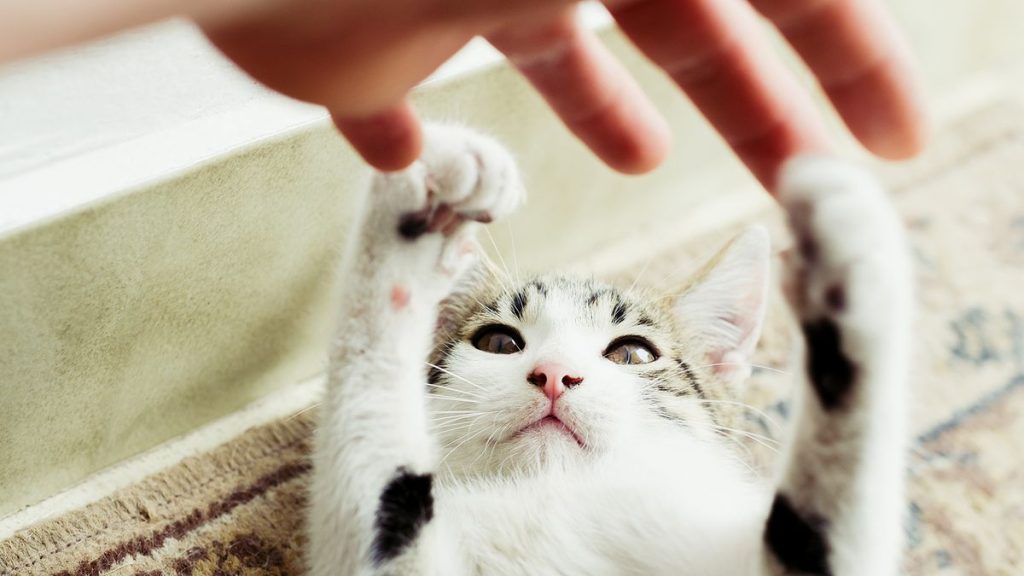
Is your cat scratching the furniture or knocking things off the table? You love your furry friend, but bad behavior can be frustrating.
You want to correct these actions without harming your bond. The good news is, there are effective ways to guide your cat toward better habits. You’ll discover simple, practical methods to gently and wisely discourage bad behavior. Keep reading to learn how you can create a happier, calmer home for both you and your cat.
Credit: animals.howstuffworks.com
Common Bad Behaviors
Cats sometimes act in ways that can be hard to handle. Knowing these behaviors helps owners find solutions.
This guide covers usual bad behaviors and ways to understand them better.
Scratching Furniture
Cats scratch to mark territory and keep their claws sharp. It can damage your furniture.
- Provide scratching posts near favorite spots.
- Use cat-safe deterrent sprays on furniture.
- Trim your cat’s nails regularly.
- Reward your cat when it uses the post.
Aggression Toward People
Some cats show aggression by biting or scratching people. This may happen from fear or stress.
Watch for signs like growling or hissing. Give your cat space and time to calm down.
Litter Box Issues
Cats may avoid the litter box for many reasons. It could be dirty or in a noisy place.
| Cause | Solution |
| Dirty box | Clean daily |
| Wrong location | Move to quiet spot |
| Health problems | Visit the vet |
| Type of litter | Try different types |
Excessive Meowing
Cats meow to talk with people. Too much meowing can mean hunger or boredom.
Ways to reduce meowing:
- Feed at regular times
- Play daily to burn energy
- Ignore meows that seek attention
- Check for health issues with a vet

Credit: www.youtube.com
Why Punishment Alone Fails
Many people try to stop bad cat behavior with punishment. This often does not work well. Punishing a cat can cause problems instead of fixing them.
Understanding why punishment alone fails helps us find better ways to teach cats good behavior.
Stress And Fear Effects
Punishment can make cats feel scared or stressed. Stress harms their health and happiness. A stressed cat may hide or act aggressively.
Fear makes cats avoid people or places. This stops learning and causes more bad behavior.
Damaging Trust
Punishing a cat can break the trust between you and your pet. Cats may stop coming close or showing affection.
Trust is key for a healthy relationship. Without trust, cats feel unsafe and confused.
Ineffective Behavior Change
Punishment often fails to teach cats what to do. Cats may stop the bad behavior only when no one is watching.
Good behavior comes from positive rewards and clear guidance, not fear or pain.
Positive Reinforcement Strategies
Positive reinforcement helps change bad cat behavior gently. It uses rewards to encourage good actions.
This method builds trust and teaches your cat what you want. It works better than punishment.
Rewarding Good Behavior
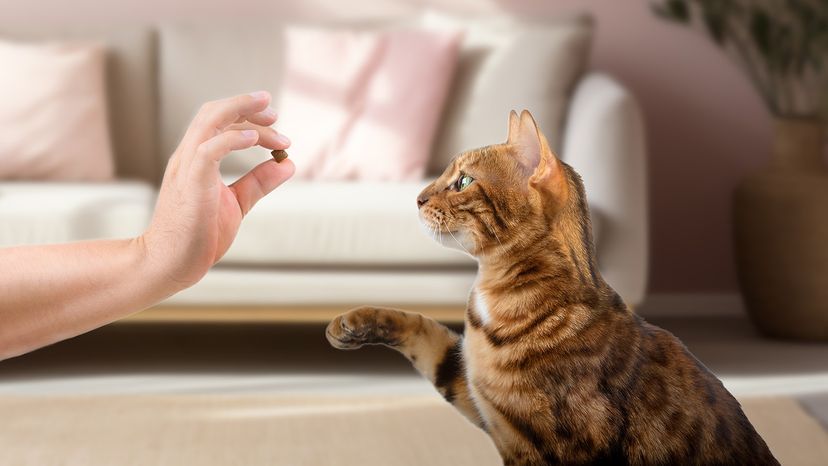
Reward your cat right after good behavior. This helps your cat link the action with the reward.
- Praise your cat with a soft voice.
- Give gentle petting or stroking.
- Offer small treats or favorite toys.
- Use clicker sounds if you have trained your cat.
Using Treats And Toys
Treats and toys motivate cats to repeat good behavior. Use them wisely to keep your cat interested.
| Treats | Examples |
| Healthy Snacks | Small pieces of cooked chicken or commercial cat treats |
| Toys | Feather wands, laser pointers, and small balls |
| Timing | Give immediately after good behavior |
Consistent Training Sessions
Regular short training sessions help your cat learn faster. Be patient and keep sessions fun.
- Set a quiet time daily for training.
- Use the same commands and rewards.
- Keep sessions short, about 5 to 10 minutes.
- End with a treat or playtime.
- Repeat often to reinforce learning.
Safe Correction Techniques
Correcting bad cat behavior helps keep your cat safe and happy. Use gentle, safe methods to guide your cat.
Harsh punishments can harm your relationship. Choose correction techniques that teach your cat without fear.
Time-outs
Time-outs give cats a break from activities that cause bad behavior. They help cats calm down and rethink their actions.
Place your cat in a quiet, safe room for a few minutes. Avoid using the time-out as punishment but as a calm pause.
- Keep the time-out short, about 3 to 5 minutes
- Choose a calm space without toys or distractions
- Do not shout or scare your cat during time-outs
Using Deterrents
Deterrents help stop unwanted actions by making them unpleasant. Use safe, non-harmful tools to discourage bad behavior.
Examples include noise makers or harmless sprays. These remind cats that certain actions are not okay.
- Use a gentle air spray to stop scratching
- Make a soft noise to interrupt biting or jumping
- Place double-sided tape on furniture to discourage scratching
Redirecting Attention
Redirecting attention means guiding your cat away from bad behavior to good behavior. This teaches your cat what is okay.
Offer toys or treats to distract your cat. Praise your cat when it plays or behaves well to encourage good habits.
- Use a toy to pull your cat away from forbidden areas
- Offer a treat for using the scratching post
- Play with your cat to reduce boredom and bad behavior
Environmental Adjustments
Changing your cat’s environment helps reduce bad behavior. Cats react to their surroundings.
Simple changes can guide your cat to act better and stay calm.
Providing Scratching Posts
Cats need to scratch to keep their claws healthy. Provide scratching posts to stop them from scratching furniture.
- Place posts in places your cat visits often
- Use different materials like sisal or carpet
- Keep posts stable so they do not fall
- Reward your cat when it uses the post
Creating Safe Spaces
Safe spaces help cats feel secure. A quiet corner or a cozy bed works well.
| Safe Space | Why It Helps |
| Cozy Bed | Gives comfort and rest |
| High Perch | Offers a good view and safety |
| Quiet Corner | Reduces stress and noise |
Adjusting Feeding And Playtime
Feeding and playtime affect your cat’s mood. Set regular times to keep them balanced.
Try this daily schedule:
- Feed your cat in the morning and evening
- Play with toys for 10-15 minutes after feeding
- Offer fresh water at all times
- Keep feeding area clean and quiet
When To Seek Professional Help
Sometimes, bad cat behavior needs more than simple training at home. Knowing when to ask for help is important for your cat’s health and your peace.
If your cat shows signs of stress, aggression, or sudden changes, a professional can guide you. They can find the root cause and suggest solutions.
Behavioral Specialists
Behavioral specialists study cat actions and habits. They help when your cat acts out in ways you cannot manage.
- Persistent aggression toward people or other pets
- Excessive scratching or biting
- Sudden changes in litter box use
- Destructive behaviors without clear reason
- Stress-related actions like over-grooming
Veterinary Advice
Health problems can cause bad behavior. Your vet checks if pain or illness is the cause. They can suggest medical treatments or tests.
| Behavior | Possible Medical Issue |
| Sudden aggression | Pain or neurological problem |
| Excessive hiding | Infection or injury |
| Loss of appetite | Dental or digestive issue |
| Changes in litter habits | Urinary tract infection |
Training Classes
Training classes teach you how to guide your cat’s behavior. Experts show safe, kind ways to correct bad habits and reward good ones.
Training can help with:
- Stopping scratching on furniture
- Reducing aggressive play
- Improving social skills with people and pets
- Teaching commands and tricks
Credit: animals.howstuffworks.com
Frequently Asked Questions
What Are Effective Ways To Punish Bad Cat Behavior?
Effective punishment involves gentle redirection, using deterrents, and consistent boundaries. Avoid physical punishment, as it harms trust. Positive reinforcement of good behavior works best for lasting change.
Can Time-outs Help Correct A Cat’s Bad Behavior?
Yes, time-outs can help. Place your cat in a quiet, safe space for a few minutes. This breaks the unwanted behavior cycle and teaches limits without causing fear.
How To Stop Cats From Scratching Furniture?
Provide scratching posts near furniture. Use deterrent sprays and cover furniture with protective materials. Reward your cat when they use the posts to encourage good habits.
Is Yelling Effective In Punishing Bad Cat Behavior?
No, yelling frightens cats and damages your bond. Cats respond better to calm, consistent training and positive reinforcement rather than loud reprimands.
Conclusion
Understanding your cat’s behavior takes patience and kindness. Consistency is key. Offer positive reinforcement for good actions. Redirect their attention when they misbehave. Avoid harsh punishments that can harm trust. Use gentle discipline techniques for better results. Cats need love, attention, and understanding.
Build a strong bond with your feline friend. Address issues calmly to see improvement over time. Remember, every cat is unique. What works for one may not work for another. Keep trying different methods to see what fits best. Happy cat, happy home.