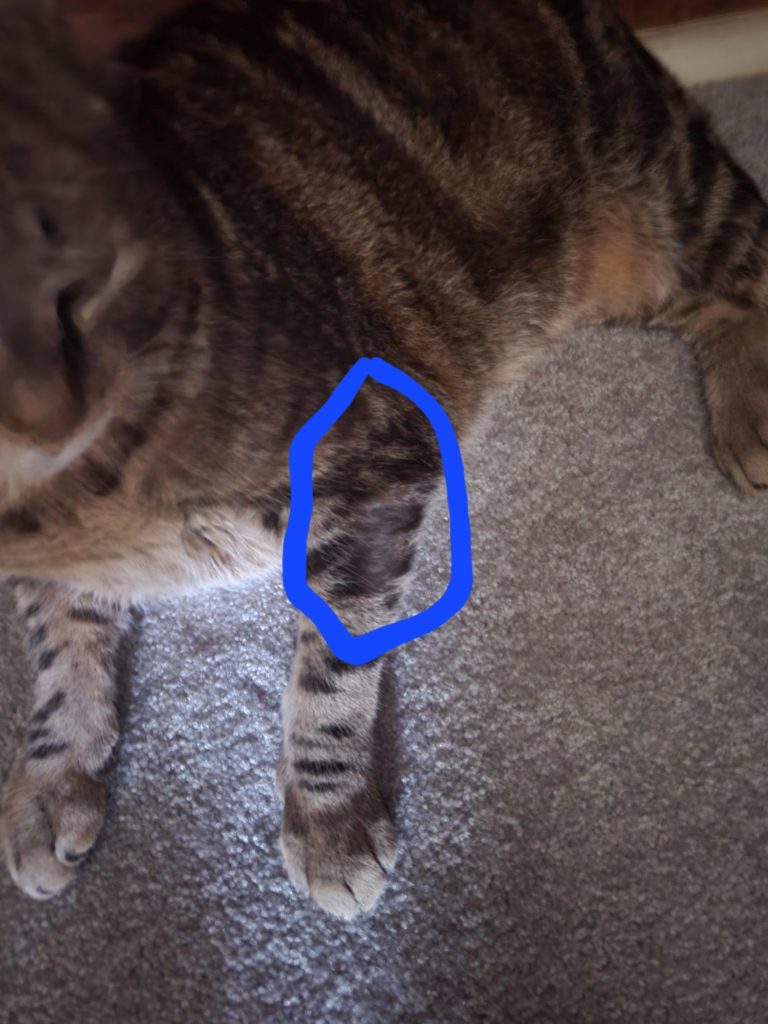
Have you noticed your cat spending more time licking and cleaning than usual? You might be wondering, “Why is my cat constantly grooming?” It’s natural to think of grooming as a normal cat behavior, but when it becomes excessive, it could be a sign of something deeper.
Understanding why your furry friend is over-grooming can help you keep them healthy and happy. You’ll discover the common reasons behind this behavior and what you can do to help your cat feel better. Keep reading to learn how to spot the signs and take action before it becomes a bigger problem.
Normal Grooming Habits
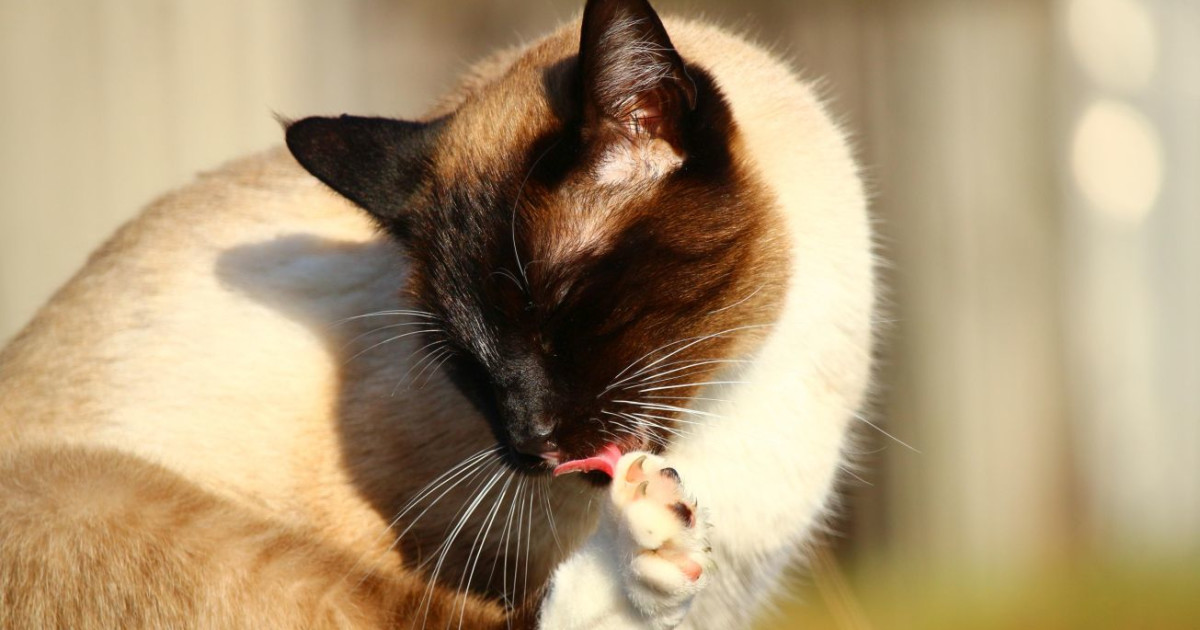
Cats groom themselves many times a day. This behavior keeps them clean and healthy. Grooming is a natural habit for all cats.
Understanding normal grooming helps you know when your cat is well or needs help. Let’s look at how cats groom and why they do it.
How Cats Groom Themselves
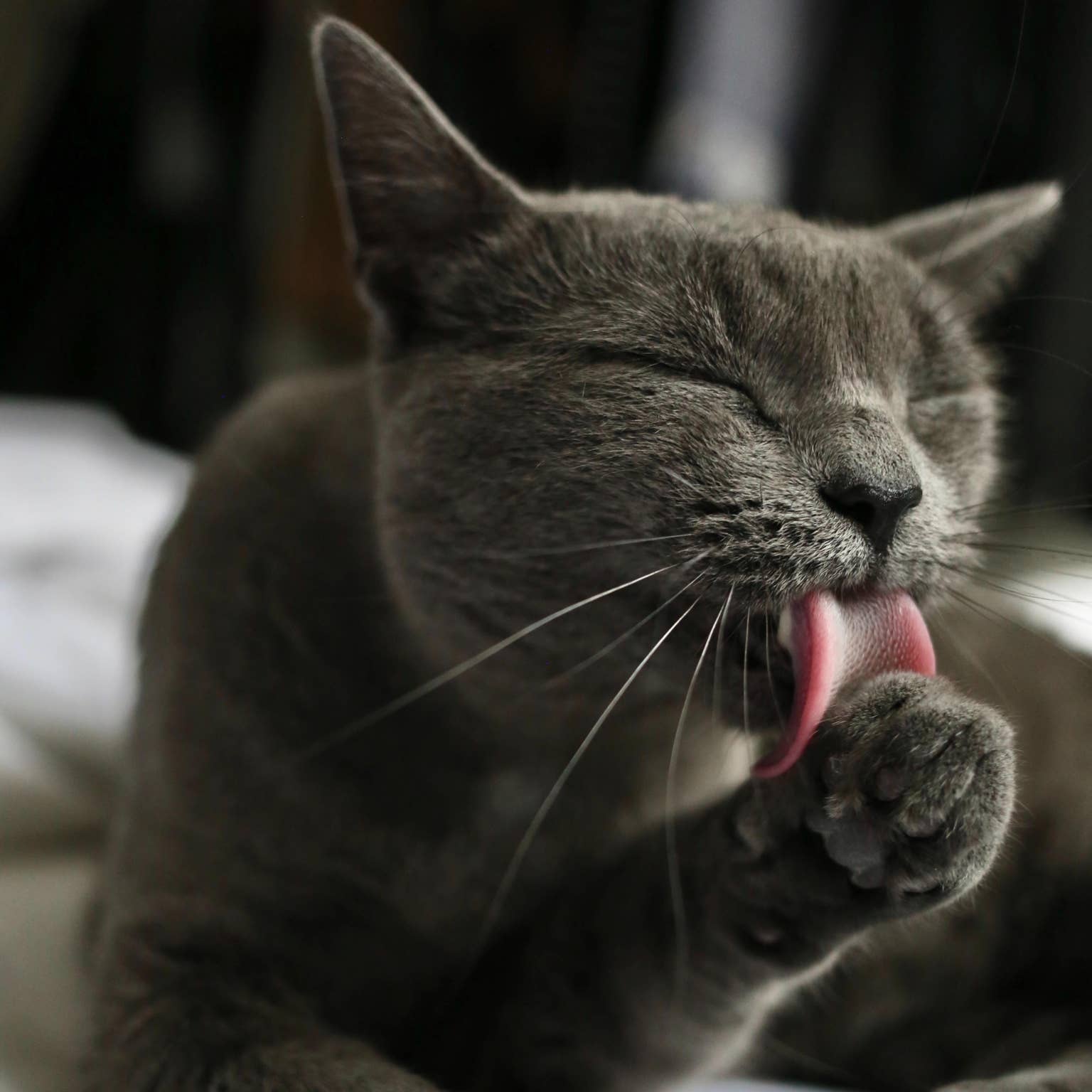
Cats use their tongues, paws, and teeth to clean their fur. Their tongues have tiny, rough hooks that help remove dirt and loose hair.
- Cats lick their fur to remove dirt and loose hair.
- They use their front paws to wipe their face and ears.
- Teeth help to clean stubborn spots or untangle fur.
- Grooming also cools them down and relaxes their muscles.
Benefits Of Grooming
| Benefit | Description |
| Keeps Fur Clean | Removes dirt, dust, and parasites from the coat. |
| Controls Shedding | Reduces loose hair around the house. |
| Regulates Body Temperature | Spreading saliva cools the cat in hot weather. |
| Stimulates Blood Flow | Improves skin and coat health. |
| Reduces Stress | Grooming calms the cat and lowers anxiety. |
Credit: pethelpful.com
Medical Reasons For Excessive Grooming
Cats groom themselves to stay clean and healthy. Sometimes, they groom too much. This can signal a medical problem.
Excessive grooming may cause skin damage and discomfort. Understanding medical causes helps you care for your cat.
Skin Allergies And Irritations
Cats can have allergies to food, dust, or pollen. These allergies cause itchy and red skin. Your cat may lick or bite to relieve the itch.
Skin irritations from chemicals or grooming products can also make your cat groom more. Check your cat’s skin for redness or sores.
Parasites And Fleas
Fleas and mites make cats feel itchy and uncomfortable. These parasites cause your cat to groom constantly. Flea bites irritate the skin and cause hair loss.
Check your cat for fleas or flea dirt. Treating the parasites usually stops the excessive grooming.
- Fleas
- Mites
- Ticks
- Other skin parasites
Pain Or Discomfort
Your cat may groom more if it feels pain. Injuries or arthritis can cause discomfort. Grooming helps your cat soothe the pain.
Look for swelling, limping, or sensitive spots. A vet can find the cause and suggest pain relief.
Hormonal Imbalances
Hormonal changes can affect your cat’s skin and behavior. Conditions like hyperthyroidism make cats restless and groom more.
Hormonal imbalances also change skin texture. This can lead to overgrooming to ease discomfort.
Behavioral Causes
Cats groom themselves for many reasons beyond cleanliness. Sometimes, their grooming habits reflect their feelings and environment. Understanding behavioral causes helps you know why your cat grooms constantly.
Excessive grooming can indicate stress, boredom, or compulsive behavior. Each cause needs attention to keep your cat happy and healthy.
Stress And Anxiety
Stress or anxiety can make cats groom more than usual. Grooming helps them calm down and feel safe. Changes in their home or routine often trigger this behavior.
- Moving to a new house
- New pets or family members
- Loud noises or unfamiliar visitors
- Separation from owners
Watching for these signs can help you reduce your cat’s stress and improve their well-being.
Boredom And Lack Of Stimulation
Cats need mental and physical activity to stay balanced. Without enough play or attention, they may groom themselves out of boredom. This can lead to over-grooming and skin problems.
| Signs of Boredom | How to Help |
| Restlessness | Provide toys and playtime |
| Excessive grooming | Introduce new activities |
| Destructive behavior | Offer scratching posts |
Compulsive Grooming
Some cats groom compulsively. This means they groom so much it harms their skin. Compulsive grooming may come from stress, allergies, or pain.
Signs of compulsive grooming include:
- Bald spots or wounds
- Repeated licking or chewing
- Restlessness or irritability
If you see these signs, consult a vet to find the cause and get proper care.
Environmental Triggers
Cats groom themselves to stay clean and calm. Sometimes, changes around them cause extra grooming.
Environmental triggers can make cats groom more than usual. These triggers affect their mood and comfort.
Changes In Household
Moving furniture or redecorating can stress cats. They may groom more to feel safe.
New noises or different lighting can also bother cats. Grooming helps them cope with these changes.
New Pets Or People
Introducing a new pet or person can make a cat nervous. Grooming increases to reduce anxiety.
Cats need time to adjust to new family members. Grooming acts as a calming behavior during this time.
Cleaning Products And Scents
Strong smells from cleaning products can upset cats. They may groom to remove scents from their fur.
Using unscented or pet-safe cleaners helps avoid this problem. It keeps cats comfortable in their home.
Signs To Watch For
Cats groom themselves to stay clean and healthy. But constant grooming can mean problems. Watch your cat closely to catch signs of trouble early.
Not all grooming is bad, but if it gets extreme, it may cause damage or show stress. Look for changes in your cat’s behavior and skin.
Bald Patches And Sores
Too much grooming can cause bald spots or sores on your cat’s skin. These signs show your cat may be hurting or irritated.
Check your cat’s fur and skin often. If you see bald patches or red sores, your cat needs care. These can come from allergies, fleas, or skin infections.
Changes In Eating Or Sleeping
Stress or illness that causes over-grooming can also change your cat’s eating or sleeping habits. Notice if your cat eats less or more than usual.
Watch for tiredness or restlessness. These changes may mean your cat feels pain or anxiety. Both can cause constant grooming.
Aggression Or Withdrawal
A cat that grooms too much might also act different toward people or other pets. Some cats become angry or bite more.
Other cats hide or avoid contact. These behavior changes can show stress, fear, or discomfort that leads to grooming problems.
When To Visit The Vet
Cats groom themselves to stay clean and healthy. But too much grooming can mean a problem. Knowing when to see the vet helps your cat get care fast.
Watch your cat closely. If grooming seems constant or causes harm, it is time to get professional advice.
Identifying Serious Symptoms
Look for signs that show your cat needs a vet visit. These symptoms might point to illness or stress.
- Red, swollen, or bleeding skin
- Hair loss or bald spots
- Constant scratching or biting at the skin
- Behavior changes like hiding or aggression
- Scabs or open wounds
Diagnostic Tests
The vet may run tests to find the cause of your cat’s grooming. These tests help rule out infections or allergies.
| Test | Purpose |
| Skin scraping | Check for mites or parasites |
| Allergy test | Identify allergic reactions |
| Blood test | Detect infections or diseases |
| Fungal culture | Find fungal infections |
Treatment Options
Treatment depends on the cause found by the vet. It can include medicines or changes at home.
- Medicated shampoos or creams for skin problems
- Antibiotics for infections
- Anti-parasite treatments
- Diet changes to reduce allergies
- Stress reduction techniques and environment enrichment
Preventing Excessive Grooming
Cats groom themselves to stay clean and healthy. Sometimes, they groom too much. This can cause skin problems and discomfort.
It is important to find ways to reduce your cat’s excessive grooming. This helps keep your cat happy and healthy.
Enrichment And Play
Cats need mental and physical activities every day. Play helps reduce boredom and stress. Bored cats may groom too much.
Provide toys and activities that match your cat’s interests. Try puzzles, climbing trees, and interactive toys.
- Use feather toys or laser pointers for chasing games
- Offer scratching posts to keep claws busy
- Rotate toys to keep your cat interested
- Play with your cat at least 10-15 minutes daily
Regular Vet Checkups
Visit the vet regularly to check your cat’s health. Skin allergies or parasites can cause extra grooming. The vet can find these problems early.
Your vet may suggest treatments if your cat has a skin issue. Regular checkups help prevent serious problems and keep your cat comfortable.
Stress Reduction Techniques
Stress can cause cats to groom too much. Create a calm and safe space for your cat. Quiet places help your cat relax.
Try using calming tools like pheromone diffusers or soft music. Keep a routine with feeding and playtime. This helps your cat feel secure.
- Provide hiding spots where your cat feels safe
- Keep loud noises and sudden changes to a minimum
- Use calming sprays or diffusers designed for cats
- Stick to regular feeding and play schedules
Credit: pethelpful.com

Credit: urbananimalveterinary.com
Frequently Asked Questions
Why Does My Cat Groom So Much?
Cats groom frequently to maintain cleanliness and remove loose fur. Excessive grooming may indicate stress, allergies, or skin issues. Observe your cat for signs of irritation or hair loss. Consult a veterinarian if the grooming seems excessive or if you notice any skin problems.
Is Constant Grooming A Sign Of Stress?
Yes, excessive grooming can be a stress response in cats. Cats may groom to self-soothe when anxious or bored. Identifying and reducing stressors in your cat’s environment can help. Ensure your cat has plenty of mental and physical stimulation to alleviate stress.
Can Allergies Cause My Cat To Over-groom?
Yes, allergies can lead to over-grooming in cats. Cats may groom excessively due to itchy skin caused by allergens. Common allergens include food, pollen, and dust. Identifying the allergen and consulting a vet for treatment can help reduce over-grooming.
How Can I Stop My Cat From Over-grooming?
To reduce over-grooming, identify and address underlying causes. Provide mental and physical stimulation to keep your cat engaged. Consult a veterinarian to rule out medical issues. Reducing stress and ensuring a balanced diet can also help manage over-grooming.
Conclusion
Cats groom for many reasons: cleanliness, stress relief, or health issues. Watch your cat’s behavior closely to spot any changes. Too much grooming might mean skin problems or anxiety. A vet visit can help find the cause and offer treatment.
Keep your cat happy and healthy by understanding its grooming habits. Simple care and attention go a long way. Remember, grooming is normal—but balance is key.