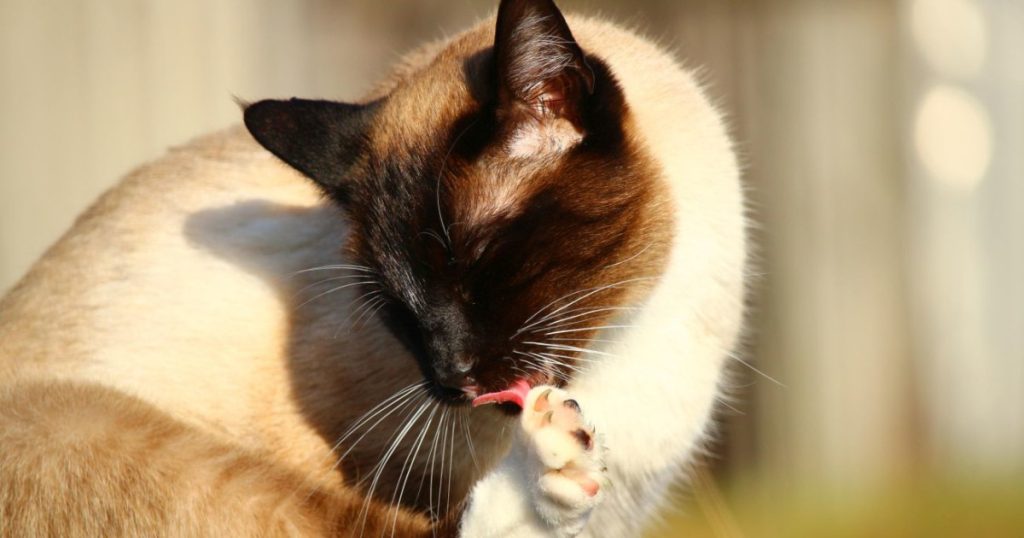
Have you ever noticed your cat licking itself so much that it seems almost obsessed? You might wonder, “Why do cats over groom themselves?” It’s not just a quirky habit.
When your furry friend spends too much time cleaning, it could be a sign that something is off. Understanding why your cat over grooms can help you protect their health and happiness. Keep reading to discover the surprising reasons behind this behavior and what you can do to help your beloved pet feel better.
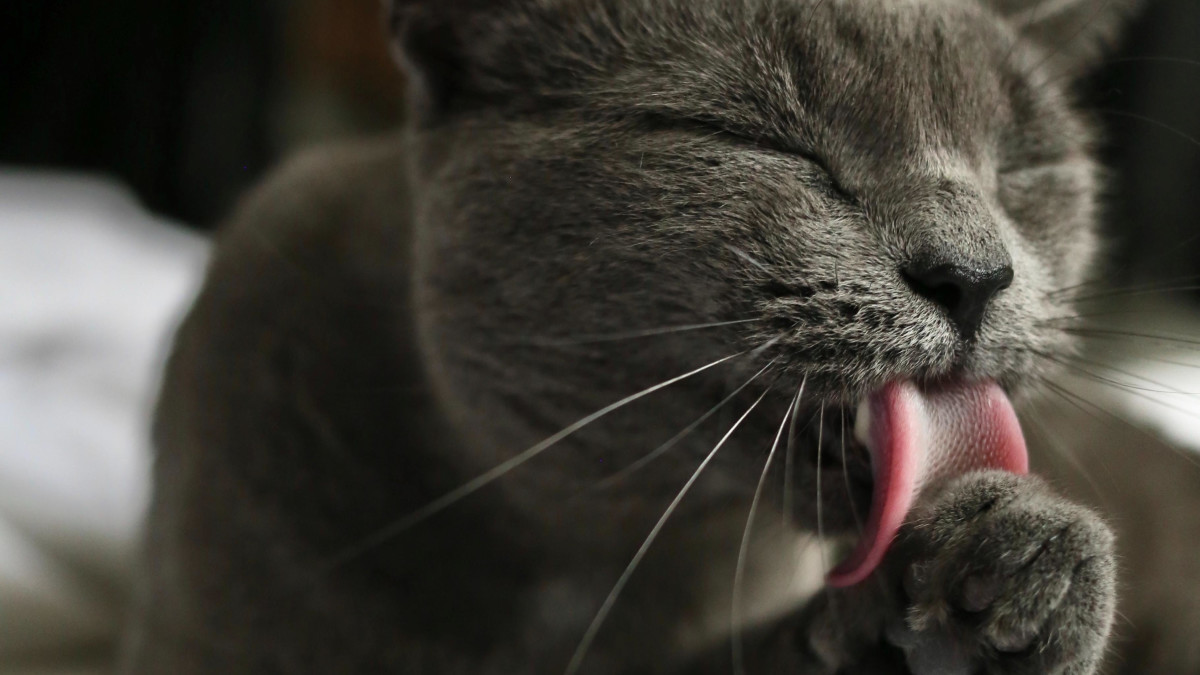
Credit: pethelpful.com
Common Grooming Habits
Cats spend a lot of time grooming themselves. Grooming helps keep their fur clean and healthy. It also helps them relax and feel calm.
Sometimes cats groom too much. This can cause problems for their skin and fur. Understanding normal grooming helps spot when grooming is too much.
Normal Grooming Patterns
Most cats groom several times a day. They lick their fur to remove dirt and loose hair. Grooming also spreads natural oils to keep the coat shiny.
Cats usually groom after eating, after waking up, and before sleeping. Grooming sessions last from a few minutes to about half an hour.
- Grooming helps control body temperature
- Cats clean hard-to-reach places
- It removes parasites like fleas
- Grooming is part of social bonding in groups
How Much Grooming Is Too Much
Grooming becomes a problem if a cat does it nonstop. Over grooming can cause bald spots and skin wounds. It may also lead to infections.
Excessive grooming may happen if the cat is stressed, bored, or has allergies. It can also be a sign of pain or parasites.
- Grooming more than one hour daily is often too much
- Look for redness, scabs, or hair loss
- Watch for repeated licking or biting the same spot
- Check if behavior changes with new stress or environment
Stress And Anxiety
Cats groom themselves to stay clean and comfortable. Sometimes, they groom too much. Over grooming can be a sign of stress and anxiety in cats.
When cats feel nervous or scared, they may lick their fur more than usual. This helps them calm down but can cause skin problems.
Triggers For Over Grooming
Several things can trigger a cat to over groom. Changes in their environment often cause stress. Loud noises, new pets, or moving homes can upset cats.
Other triggers include boredom and lack of attention. Cats may groom to fill the time or get comfort. Medical issues like allergies or pain can also cause over grooming.
- Changes in home or routine
- Loud sounds or new people
- Introduction of new pets
- Boredom and lack of play
- Skin allergies or irritation
- Physical pain or discomfort
Behavioral Signs To Watch
Notice if your cat spends too much time licking or biting their fur. They may have bald spots or red skin from over grooming. This behavior can happen daily or in short bursts.
Other signs include restlessness, hiding, or less interest in playing. These behaviors show your cat may feel stressed or anxious.
- Excessive licking or biting fur
- Bald patches or sore skin
- Restlessness or pacing
- Hiding more than usual
- Less interest in toys or people
Allergies And Skin Issues
Cats can over groom themselves due to allergies and skin problems. This behavior helps them relieve itching and discomfort.
Understanding what causes these allergies or skin issues is important to help your cat feel better.
Food Allergies Impact
Food allergies can cause skin irritation in cats. Common triggers include proteins like beef, chicken, or dairy.
- Redness and inflammation of the skin
- Itching around the face, paws, and belly
- Hair loss due to constant licking
- Digestive issues may also appear
Environmental Irritants
Dust, pollen, and mold in the environment can irritate a cat’s skin. These irritants cause allergic reactions.
| Type of Irritant | Common Sources | Symptoms in Cats |
| Dust Mites | House dust | Itching, sneezing, red skin |
| Pollen | Outdoor plants | Hair loss, scratching, watery eyes |
| Mold | Moist areas indoors | Skin redness, inflammation |
Parasites And Infections
Parasites like fleas and mites cause intense itching. Bacterial or fungal infections also lead to skin problems.
Signs of parasites and infections include:
- Visible fleas or flea dirt
- Small scabs or sores on the skin
- Foul odor from infected areas
- Excessive licking or biting

Credit: www.reddit.com
Medical Conditions
Cats often groom themselves to stay clean. Sometimes, they groom too much. This can be a sign of medical problems.
Over grooming may cause skin damage or hair loss. Understanding medical causes helps owners seek help.
Hormonal Imbalances
Hormones control many body functions in cats. An imbalance can cause stress and discomfort. This may lead to over grooming.
Thyroid problems and diabetes are common hormonal issues. These can make cats lick or bite their fur too much.
- Hyperthyroidism increases grooming behavior
- Diabetes can cause skin changes
- Hormonal shifts may cause itchiness
Pain And Discomfort
When cats feel pain, they may lick the painful area. This can become excessive grooming. It helps them try to relieve discomfort.
Injuries, infections, or allergies often cause pain. Cats focus on these areas and groom more than usual.
- Arthritis causes joint pain
- Skin infections cause itching
- Allergies lead to irritated skin
Neurological Factors
Some brain or nerve problems can make cats groom too much. This is called compulsive grooming. It is like a nervous habit.
Conditions like seizures or brain injuries can change grooming behavior. Cats may lick or bite themselves without clear reason.
- Seizure disorders affect grooming control
- Brain injuries may cause repetitive licking
- Stress can trigger compulsive grooming
Boredom And Lack Of Stimulation
Cats often groom themselves to stay clean and healthy. Sometimes, they groom too much. This can happen because they feel bored or have nothing to do.
When cats do not get enough attention or activities, they might over groom. This behavior helps them feel calm but can cause skin problems.
Importance Of Playtime
Playtime is very important to keep cats happy. It helps reduce stress and stops them from feeling bored. Active cats are less likely to over groom.
- Play with toys like feathers or balls
- Spend time moving toys to mimic prey
- Use puzzle feeders to make cats think
- Rotate toys to keep them interesting
- Include short, frequent play sessions daily
Environmental Enrichment Tips
Environmental enrichment means adding things to your cat’s space that keep them busy. This helps reduce boredom and limits over grooming.
| Enrichment Item | Benefit |
| Cat Trees | Encourages climbing and exercise |
| Window Perches | Offers outside views for mental stimulation |
| Interactive Toys | Keeps cats engaged and active |
| Scratching Posts | Helps release energy and stress |
| Hide and Seek Spots | Provides safe places to explore |
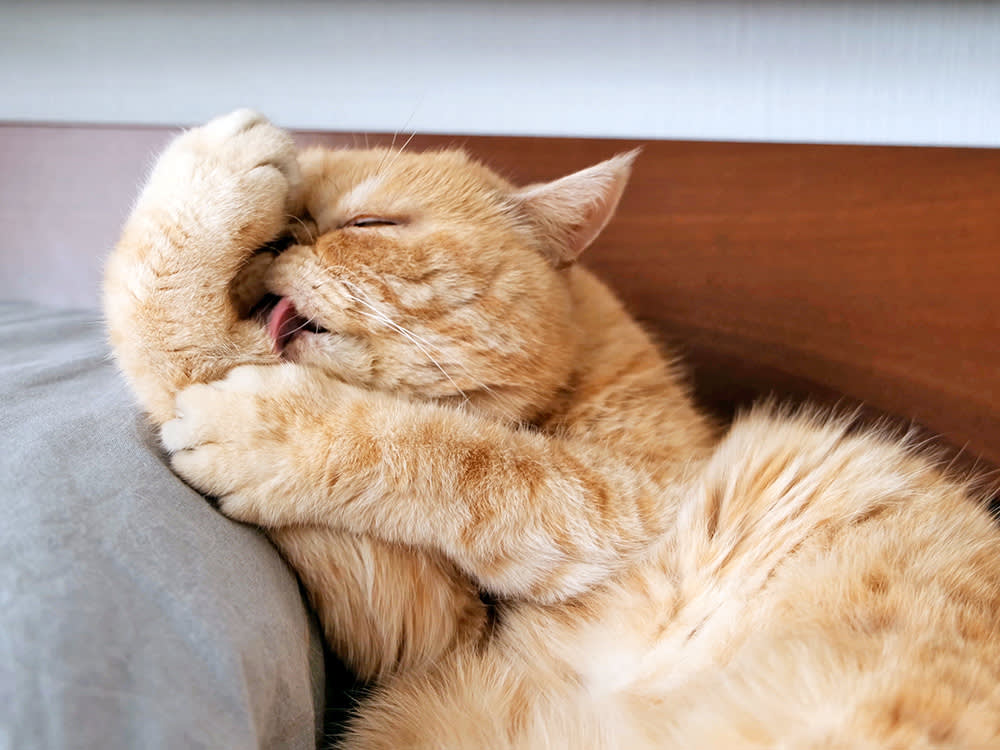
Credit: www.kinship.com
Preventing Over Grooming
Cats groom themselves to stay clean and healthy. Sometimes, they groom too much. This can cause skin problems and hair loss.
Stopping over grooming helps keep cats happy and healthy. Here are ways to prevent it.
Regular Vet Checkups
Take your cat to the vet regularly. A vet can find skin issues or allergies early. Treating these helps reduce over grooming.
Regular checkups also catch parasites like fleas. Fleas cause itching and make cats groom more.
Managing Stress Levels
Stress can make cats groom too much. Loud noises, new pets, or changes in the home can cause stress.
Keep your cat calm by giving a quiet space. Play and gentle petting also help lower stress.
- Provide hiding spots
- Keep a daily routine
- Use calming sprays or diffusers
Proper Nutrition And Care
Good food supports healthy skin and fur. Poor diet can cause itching and over grooming.
Feed your cat balanced meals. Keep their coat clean by brushing regularly.
- Choose quality cat food
- Give fresh water every day
- Brush your cat’s fur often
When To Seek Veterinary Help
Over grooming in cats can cause skin damage and pain. Knowing when to see a vet helps protect your cat’s health.
If your cat keeps licking or scratching too much, it may need professional care. Watch for signs that show a problem.
Warning Signs
Look for these signs to know if your cat needs a vet visit soon:
- Bald patches or thin fur spots
- Red, swollen, or scabby skin
- Constant licking or chewing that does not stop
- Changes in behavior like hiding or aggression
- Open sores or wounds on the skin
- Signs of pain when touched
Treatment Options
Veterinarians offer different treatments based on the cause of over grooming. Here is a simple guide:
| Treatment | Description | Purpose |
| Medication | Antibiotics or anti-inflammatory drugs | Reduce infection and pain |
| Flea Control | Topical or oral flea treatments | Stop flea bites causing irritation |
| Behavioral Therapy | Changes in environment or stress relief | Reduce anxiety-driven grooming |
| Diet Adjustment | Special food for allergies | Limit allergic reactions |
| Skin Care | Medicated shampoos or ointments | Heal damaged skin |
Frequently Asked Questions
Why Do Cats Groom Themselves Excessively?
Cats groom excessively due to stress, allergies, or skin irritations. Over grooming helps them soothe discomfort but may cause hair loss and sores. Identifying the cause is essential to provide proper care and prevent further health issues.
Can Over Grooming Indicate Health Problems In Cats?
Yes, over grooming can signal health problems like parasites, infections, or allergies. It may also reflect psychological stress or boredom. Consult a vet if your cat grooms obsessively to diagnose and treat the underlying cause.
How Can I Stop My Cat From Over Grooming?
To stop over grooming, address stress, allergies, or skin conditions. Provide environmental enrichment and regular vet checkups. Using calming products or medications may help if recommended by your vet. Early intervention prevents complications and improves your cat’s wellbeing.
Is Over Grooming Harmful To Cats?
Over grooming can harm cats by causing hair loss, skin infections, and wounds. Persistent licking damages the skin’s protective barrier, leading to pain and discomfort. Seek veterinary advice if your cat shows signs of excessive grooming to prevent serious harm.
Conclusion
Understanding why cats over-groom helps in caring for them better. Stress or allergies might cause this behavior. Always observe changes in your cat’s grooming habits. A visit to the vet can provide clarity and guidance. Consider environmental changes if stress is suspected.
Engage your cat with play to reduce anxiety. Healthy grooming means a healthy, happy cat. Your attention can make a big difference. Always prioritize your cat’s well-being. With the right care, your feline friend can thrive. Stay attentive, stay informed.
Your cat deserves the best care possible.