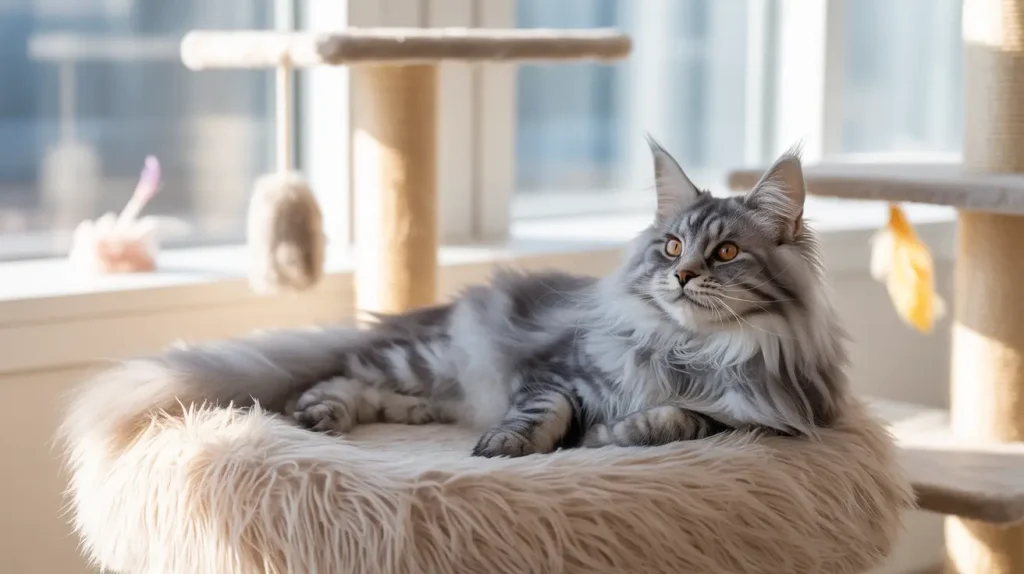
Are you passionate about cats and thinking of turning that love into a rewarding career? Becoming a cat breeder can be exciting, but it takes more than just adoring felines.
You need the right knowledge, skills, and commitment to ensure healthy, happy kittens. In this guide, you’ll discover clear steps to start your journey as a successful cat breeder. By the end, you’ll know exactly what it takes to create a safe and loving environment for your cats—and how to build a trusted reputation.
Ready to learn how to make your dream a reality? Let’s dive in.

Credit: www.purrfectlyfold.com
Starting As A Cat Breeder
Becoming a cat breeder takes patience and care. It is important to learn the basics first.
You need to understand the breed, health needs, and goals before you start breeding cats.
Choosing The Right Breed
Pick a breed that fits your lifestyle and interests. Some breeds need more care than others.
- Consider the cat’s personality and energy levels
- Think about grooming needs and health issues
- Check if the breed is popular or rare
- Decide if you want a pedigree or mixed breed
Researching Breed Standards
Breed standards describe the ideal look and behavior of cats. They help keep the breed healthy and pure.
| Breed | Coat Type | Eye Color | Size |
| Siamese | Short, sleek | Blue | Medium |
| Persian | Long, thick | Varies | Large |
| Maine Coon | Long, shaggy | Green or gold | Large |
Setting Clear Goals
Set goals to guide your breeding work. Clear goals help you focus on health and quality.
- Decide how many litters you want each year
- Plan for the health checks and vaccinations
- Set standards for temperament and appearance
- Prepare for finding good homes for kittens
Preparing Your Breeding Space
Setting up a proper space is important before you start breeding cats. It helps keep the cats safe and healthy.
This guide explains how to prepare your breeding space to create a good home for your cats.
Creating A Safe Environment
Make sure the breeding area is quiet and free from dangers. Avoid places with loud noises or strong smells.
Check for small objects or wires that cats could chew or swallow. Keep the area away from other pets that may cause stress.
- Use secure doors and windows to prevent escapes
- Remove toxic plants and chemicals
- Provide soft bedding for comfort
- Keep the room temperature steady
Essential Supplies And Equipment
Gather all supplies before bringing your cats into the breeding space. This helps keep everything ready and organized.
Important items include food and water bowls, litter boxes, and comfortable resting places. You will also need grooming tools and health care supplies.
- Separate food and water bowls for each cat
- Clean litter boxes placed in quiet corners
- Soft beds or blankets for resting
- Brushes and nail clippers for grooming
- First aid kit for emergencies
Maintaining Cleanliness And Hygiene
Cleanliness is key to prevent disease and keep cats healthy. Clean the breeding area every day to remove dirt and waste.
Disinfect food bowls and litter boxes often. Wash bedding regularly and keep fresh air flowing in the room.
- Change litter daily and dispose of waste properly
- Wash food and water bowls with hot water
- Clean floors and surfaces with pet-safe cleaners
- Replace bedding weekly or when soiled
- Ventilate the room to reduce odors
Health And Genetics
Being a cat breeder means caring for cats’ health and genetics. Good health and strong genes help produce happy kittens. Understanding these basics is important for every breeder.
Keeping cats healthy and testing their genes helps avoid diseases. It also improves the quality of the breed. Let’s look at how to select healthy cats, test genetics, and manage vet care.
Selecting Healthy Cats
Choose cats that look and act healthy. Check their eyes, coat, and weight. Healthy cats are active and alert, not tired or sick.
Ask for health records from the cat’s previous owner or breeder. Avoid cats with a history of illness or poor care. This helps protect your breeding program.
- Clear eyes without discharge
- Shiny, clean coat
- Normal weight and body condition
- Good appetite and energy
- No signs of illness or injury
Genetic Testing And Screening
Genetic testing finds hidden diseases and traits in cats. It helps prevent passing bad genes to kittens. Screen for common breed issues before breeding.
Tests can check for gene mutations, blood types, and inherited conditions. Use the results to choose the healthiest breeding pairs. This improves the breed’s future health.
- Test for breed-specific genetic diseases
- Check blood type compatibility
- Screen for inherited health problems
- Use test results to avoid genetic defects
Vaccinations And Vet Care
Vaccinations protect cats from many serious diseases. Keep vaccines up to date for all breeding cats. This keeps them and their kittens safe.
Regular vet checkups catch health problems early. A vet can give advice on diet, care, and breeding timing. Good vet care supports strong cats and healthy litters.
- Keep vaccinations current for all cats
- Schedule regular vet exams
- Follow vet advice on health and breeding
- Watch for signs of illness and act fast
Breeding Process
Becoming a cat breeder involves understanding the breeding process well. You need to know about timing, mating, and caring for the pregnant cat.
This guide covers important parts of breeding cats. It helps you prepare for each stage safely.
Timing And Heat Cycles
Female cats go into heat every few weeks during breeding season. This is when they are ready to mate.
Heat cycles last about 4 to 7 days. You must watch for signs to know the best time to breed.
- Restlessness and vocalizing
- Rubbing against objects
- Lifting the rear when touched
- Increased affection
Mating Techniques
Introduce the male and female cat slowly. Let them meet in a calm, quiet place.
Supervise the mating to avoid fights. Mating may take several sessions over a few days.
- Keep cats in separate rooms before introduction
- Use a neutral area for first meeting
- Watch body language for stress or aggression
- Allow breaks between mating attempts
Pregnancy And Whelping
Cat pregnancy lasts about 63 to 67 days. Provide a quiet and safe space for the mother.
Prepare a nesting box for the mother to give birth. Monitor her health and behavior closely.
- Keep the nesting box warm and clean
- Watch for signs of labor like restlessness
- Help if the mother has trouble delivering
- Contact a vet if there are complications
Caring For Kittens
Caring for kittens is a key part of becoming a cat breeder. Kittens need gentle care and attention from birth.
Proper care helps kittens grow healthy and strong. It also prepares them for a happy life.
Neonatal Care
Newborn kittens are very fragile. They need warmth and help with feeding in the first weeks.
Keep their environment clean and warm. Use heating pads or warm blankets but avoid direct heat.
- Check kittens every two hours for feeding
- Keep bedding dry and clean
- Watch for signs of illness like coldness or weakness
Socialization And Handling
Handle kittens gently from an early age. This helps them get used to people and reduces fear.
Spend time playing and talking to kittens. This builds their confidence and social skills.
- Hold kittens for short periods daily
- Introduce new sounds and sights carefully
- Allow kittens to interact with their mother and siblings
Nutrition And Growth Monitoring
Feed kittens mother’s milk or kitten formula if needed. Good nutrition supports healthy growth.
Weigh kittens regularly to track growth. Healthy kittens gain weight steadily each day.
- Use a kitchen scale to weigh kittens daily
- Feed every two to three hours in the first weeks
- Start introducing wet food after four weeks
Marketing And Selling Kittens
Marketing and selling kittens is an important part of being a cat breeder. You need to connect with good buyers and show your cats in the best way.
This guide covers how to build a good reputation, advertise kittens well, and check buyers carefully.
Building A Reputation
Good reputation helps you sell kittens faster and at better prices. Always be honest about your cats’ health and behavior.
Answer questions quickly and treat buyers with respect. Happy buyers will tell others about you.
Effective Advertising Strategies
Use clear photos and detailed descriptions in your ads. Show the kittens’ personality and care routines.
- Post on social media with good pictures
- Use local pet groups and forums
- Create a simple website with kitten info
- Attend cat shows to meet buyers
- Offer to answer questions by phone or email
Screening Potential Buyers
Make sure buyers can give good homes to your kittens. Ask about their experience and living situation.
| Question | Why It Matters |
| Do you have other pets? | To check if kittens will fit in well |
| Where will the kitten live? | To ensure a safe and clean home |
| Are you prepared for vet care? | To confirm they can meet health needs |
| Who will care for the kitten daily? | To see if they can give enough attention |
Legal And Ethical Considerations
Becoming a cat breeder requires following laws and rules. You must care for cats responsibly. This helps keep cats healthy and safe.
Knowing legal and ethical points protects you and the cats. It builds trust with buyers and the community.
Licensing And Permits
Many places need a license to breed cats. You should check local rules before starting. This keeps your breeding legal.
Permits may require inspections and fees. Some areas limit the number of cats you can own. Follow these rules to avoid fines.
- Apply for a breeding license from local government
- Pay any required fees on time
- Prepare for possible inspections of your facility
- Follow limits on cat numbers if set by law
Animal Welfare Laws
Animal welfare laws protect cats from harm and neglect. You must provide clean, safe, and healthy homes for cats. These laws cover food, water, shelter, and medical care.
Failing to meet these laws can lead to penalties or losing your breeding license. Always treat cats with kindness and respect.
- Provide fresh water and nutritious food daily
- Keep living spaces clean and free of hazards
- Give regular health checks and vet visits
- Avoid overcrowding and stress
Ethical Breeding Practices
Ethical breeding means putting cats’ welfare first. Avoid breeding cats with health problems or bad traits. This helps keep future cats healthy.
Only breed cats that have good temperaments and strong health. Take time to learn about genetics and breed standards. This shows you care about cats’ well-being.
- Test cats for common genetic diseases
- Breed only healthy cats with good behavior
- Do not overbreed; allow rest between litters
- Find good homes for all kittens
Maximizing Profit
Becoming a cat breeder can be rewarding and profitable. To earn well, you must manage costs and set good prices.
Growing your breeding program carefully helps increase income over time. Planning is key to success.
Cost Management
Keep track of all expenses to avoid losing money. Include food, vet visits, and supplies in your budget.
Buy quality items in bulk to save money. Always check your spending and cut unnecessary costs.
- Track daily and monthly expenses
- Buy food and litter in bulk
- Schedule vet visits to prevent health issues
- Use durable cages and toys
- Limit expensive decorations
Pricing Your Cats
Set prices based on breed, age, and health. Research local market prices to stay competitive.
Offer different price points for kittens and adult cats. Add value with health checks and vaccinations.
- Compare prices from other breeders
- Charge more for rare breeds
- Include vet care in the price
- Offer discounts for early buyers
- Adjust prices based on demand
Expanding Your Breeding Program
Add more cats slowly to avoid high costs. Choose breeding pairs with good health and traits.
Keep detailed records of each cat. This helps improve your breeding choices and increase profits.
- Buy healthy breeding cats
- Monitor kitten growth and health
- Invest in training and care
- Use records to plan breedings
- Sell cats at the right age
Common Challenges And Solutions
Becoming a cat breeder brings many joys and challenges. Understanding common problems helps you prepare better.
Here are some key challenges breeders face and ways to handle them effectively.
Dealing With Health Issues
Health problems in cats can appear suddenly. Early detection and care are very important.
- Keep regular vet check-ups for all cats
- Vaccinate cats against common diseases
- Maintain clean living areas to prevent infections
- Isolate sick cats to avoid spreading illness
- Provide a balanced diet to boost immunity
Managing Behavioral Problems
Behavior issues can affect breeding success. Understanding cat behavior helps solve many problems.
| Behavior | Possible Cause | Solution |
|---|---|---|
| Aggression | Stress or fear | Provide a quiet space and gradual socialization |
| Scratching furniture | Natural instinct | Use scratching posts and trim nails regularly |
| Excessive meowing | Boredom or hunger | Give toys and feed on time |
Handling Unexpected Costs
Unexpected costs can disrupt your breeding plans. Planning helps reduce financial stress.
- Set aside an emergency fund for vet bills
- Buy pet insurance for your breeding cats
- Track daily expenses to find savings
- Compare prices for food and supplies
- Plan for costs of vaccinations and health tests

Credit: www.catbreedingforbeginners.com

Credit: www.purrfectlyfold.com
Frequently Asked Questions
What Skills Are Needed To Become A Successful Cat Breeder?
Successful cat breeders need knowledge of genetics, animal care, and breeding ethics. Patience and strong organizational skills are essential. Understanding cat health and behavior ensures quality breeding and happy cats.
How Do I Start A Cat Breeding Business Legally?
Research local laws and obtain necessary licenses or permits. Register your cattery with a recognized cat breeding association. Follow all regulations for animal welfare and business operations to ensure legality.
What Are The Costs Involved In Cat Breeding?
Costs include purchasing breeding cats, veterinary care, vaccinations, and proper housing. Expect expenses for food, grooming, and marketing your kittens. Initial investment can vary based on breed and scale.
How Can I Ensure The Health Of Breeding Cats?
Regular veterinary check-ups and vaccinations are crucial. Maintain a clean environment and provide balanced nutrition. Screen cats for genetic diseases to prevent passing issues to kittens.
Conclusion
Becoming a cat breeder takes dedication and love for cats. It’s crucial to research and learn from experienced breeders. Always prioritize the well-being and health of your cats. Build a strong network with other breeders for support. Stay informed about breeding standards and best practices.
Consider the time and effort involved before starting. Breeding cats is a rewarding journey but requires responsibility. Remember, patience and passion are your best tools. With care and commitment, you can succeed in this fulfilling endeavor. Enjoy the adventure of raising happy, healthy cats!