Have you ever wondered which domesticated cat holds the title for being the largest? If you’re curious about big cats you can actually have at home, you’re in the right place.
Understanding more about the largest breed of domesticated cat can surprise you and change the way you see these furry companions. Keep reading, because what you’ll learn might just inspire your next pet choice or deepen your love for cats in a way you never expected.
Credit: worldanimalfoundation.org
Largest Cat Breeds
Some domestic cats grow much larger than typical house cats. Their size can surprise many people.
This guide shares details about some of the largest cat breeds. These cats have unique looks and friendly personalities.
Maine Coon
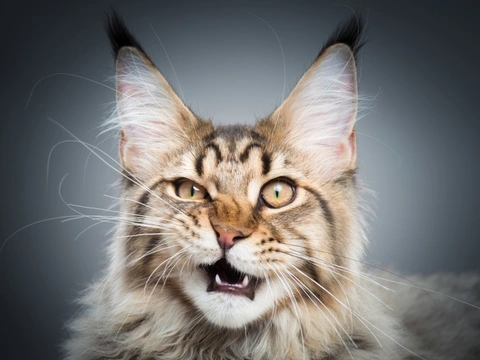
The Maine Coon is one of the largest domesticated cat breeds. They have long fur and tufted ears.
Male Maine Coons can weigh up to 18 pounds or more. They are known for their gentle nature and intelligence.
Savannah Cat
The Savannah Cat is a cross between a domestic cat and a wild African serval. It is tall and slender.
- Can weigh between 12 and 25 pounds
- Has long legs and large ears
- Very active and playful
Ragdoll
Ragdolls are large cats with striking blue eyes and soft coats. They are known for their calm personality.
| Trait | Description |
| Weight | 10 to 20 pounds |
| Coat | Long and silky |
| Temperament | Relaxed and friendly |
Norwegian Forest Cat
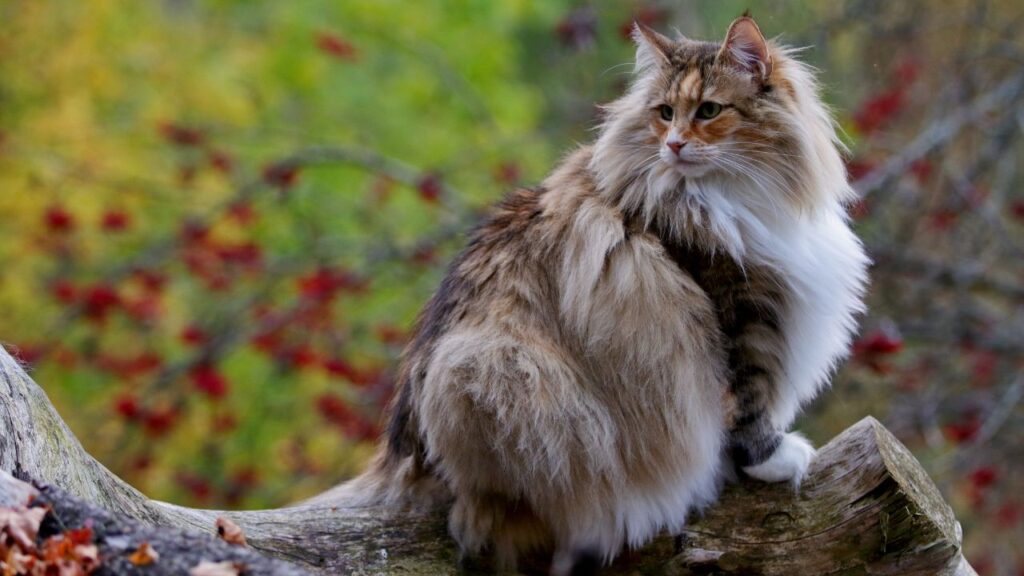
This breed has a thick, water-resistant coat. It helps them live in cold climates.
The Norwegian Forest Cat’s size details:
- Weight: 13 to 22 pounds
- Height: 10 to 16 inches tall
- Body: Muscular and strong

Credit: headsupfortails.com
Measuring Cat Size
Measuring the size of domesticated cats helps identify the largest breeds. Size includes weight, length, and height. It also depends on muscle and bone.
Understanding these factors shows why some cats are bigger than others. This guide explains how experts measure cat size.
Weight Range
The weight of large cat breeds varies a lot. Some weigh over 20 pounds. This weight shows how big and strong the cat is.
- Maine Coon males weigh 13 to 18 pounds.
- Siberian cats range from 15 to 20 pounds.
- Norwegian Forest cats can reach 16 to 22 pounds.
Length And Height
Length measures from the nose to the base of the tail. Height is from paws to shoulders. These numbers show the cat’s overall size.
| Breed | Length (inches) | Height (inches) |
|---|---|---|
| Maine Coon | 18 to 40 | 10 to 16 |
| Siberian | 17 to 21 | 9 to 11 |
| Norwegian Forest | 16 to 25 | 10 to 14 |
Muscle Mass Vs. Bone Structure
Big cats have strong muscles and thick bones. Muscle mass adds to the cat’s bulk. Bone structure supports the weight and size.
Key differences between muscle and bone:
- Muscle Mass:Adds strength and bulk.
- Bone Structure:Provides frame and support.
- Some cats look bigger because of thick bones.
- Others have more muscle, making them heavier.
Factors Affecting Cat Size
The size of a domesticated cat depends on many factors. These factors work together to shape a cat’s final size and weight.
Understanding these factors helps explain why some cat breeds grow larger than others. Genetics, diet, and environment all play key roles.
Genetics
Genetics determine the potential size a cat can reach. Large cat breeds carry genes for bigger bones and muscles.
Breeds like the Maine Coon and Savannah have genes that make them naturally larger than average cats.
- Inherited traits affect bone structure
- Growth rates vary by breed
- Some genes influence muscle and fat distribution
Diet And Nutrition
A cat’s diet affects its growth and overall size. Proper nutrition helps cats reach their genetic potential.
Protein, vitamins, and minerals support bone and muscle growth. Poor diet can stunt growth or cause health issues.
- High-quality protein builds strong muscles
- Balanced vitamins support healthy bones
- Too many calories can lead to obesity
Environment And Lifestyle
A cat’s environment affects its size and health. Active cats tend to have better muscle tone and weight control.
Stress, space, and exercise opportunities influence growth. Cats kept indoors with little activity may gain excess weight.
- Regular exercise builds muscle and strength
- Stress can reduce appetite and growth
- Space to roam helps maintain healthy weight

Credit: worldanimalfoundation.org
Largest Domestic Cat Records
Domestic cats come in many sizes and breeds. Some cats grow much larger than usual. These cats have set records for their size.
This article explores the heaviest, longest, and most notable large domestic cats ever recorded.
Heaviest Cats
The heaviest domestic cats can weigh more than most dogs. Some breeds are known for their large size.
- Maine Coon cats often weigh 13 to 18 pounds.
- Some individual cats have reached over 30 pounds.
- Heavyweight cats need special care to stay healthy.
Longest Cats
Length is measured from the nose to the tip of the tail. Some cats grow very long bodies and tails.
| Name | Length (inches) | Breed |
| Stewie | 48.5 | Maine Coon |
| Arcturus Aldebaran Powers | 44.66 | Maine Coon |
| Barivel | 41.5 | Maine Coon |
Notable Individual Cats
Some cats are famous for their size or story. These cats often appear in records and news.
Notable Cats:
- Himmy– The heaviest cat recorded, weighing 46.8 pounds.
- Stewie– Holds the record for the longest domestic cat.
- Arcturus Aldebaran Powers– Known for large size and length.
Choosing A Large Cat Breed
Large cat breeds are popular for their impressive size and gentle nature. They can be great pets if you have enough space and time.
The largest domesticated cat breeds include Maine Coon, Savannah, and Ragdoll. Each breed has unique traits to consider.
Temperament And Personality
Large cats often have calm and friendly personalities. They enjoy spending time with their owners and other pets.
These cats are usually playful but not overly active. They like gentle play and cuddling more than rough games.
- Maine Coons are known for being social and affectionate.
- Savannah cats are curious and intelligent.
- Ragdolls are relaxed and love to be held.
Care Requirements
Large cats need regular grooming due to their thick fur. Brushing helps prevent mats and hairballs.
They require a balanced diet to support their size and energy. Fresh water should always be available.
- Brush coats at least twice a week.
- Feed high-quality cat food suitable for large breeds.
- Provide regular vet check-ups.
- Offer toys to keep them mentally active.
Suitability For Families
Large cat breeds usually do well with families. They are gentle and patient with children.
These cats can adapt to homes with other pets. They enjoy company but also like quiet time.
- Good with kids if taught to be gentle.
- Can live with other cats or dogs.
- Need space to move and play safely.
- Best for families willing to spend time daily.
Frequently Asked Questions
What Is The Largest Domesticated Cat Breed?
The Maine Coon is the largest domesticated cat breed. Males weigh 13-18 pounds on average, with some exceeding 20 pounds. They are known for their long fur, bushy tail, and friendly nature. Their size and gentle temperament make them popular pets worldwide.
How Big Do Maine Coon Cats Get?
Maine Coons can grow up to 40 inches long including the tail. Adult males weigh between 13 to 18 pounds. Females are slightly smaller, usually 8 to 12 pounds. Their large size is complemented by strong bone structure and thick fur, making them appear even bigger.
Why Are Maine Coons So Large?
Maine Coons’ large size is due to genetics and natural adaptation. They evolved in cold climates, so their size helps retain heat. Selective breeding also emphasized size and strength. Their sturdy build and dense fur protect them, supporting their survival and growth as a large breed.
Are There Other Large Cat Breeds Besides Maine Coons?
Yes, other large cat breeds include the Savannah, Norwegian Forest, and Ragdoll. Savannah cats are known for their tall, lean bodies. Norwegian Forest cats have thick fur and muscular builds. Ragdolls are large but more docile. Maine Coons remain the largest by overall size and weight.
Conclusion
The Maine Coon holds the title for the largest domesticated cat breed. Its size and gentle nature make it unique and adored. Families find them great companions due to their friendly behavior. Their impressive size often surprises new cat owners.
Caring for such large cats requires space and commitment. But the rewards are worth it. They fit well in loving homes. Understanding their needs ensures a happy, healthy pet. Consider adopting a Maine Coon if space allows. They bring joy and companionship to any household.