
Are you struggling with your cat’s behavior around your new baby? It can be tough when your furry friend starts acting out or seems stressed by the changes in your home.
But don’t worry—understanding why your cat behaves this way and learning simple ways to help can make a big difference. You’ll discover easy, effective tips to fix common cat behavior problems when a baby arrives. Keep reading to create a peaceful, happy environment for both your little one and your beloved pet.
Common Cat Behavior Issues
Cats can show behaviors that confuse or upset their owners. Understanding these actions helps improve your cat’s life and your bond.
Below are common problems cats face and ways to handle them gently and safely.
Aggression And Biting
Aggression can come from fear, pain, or play. Biting might seem normal but can hurt you. Watch your cat’s body language for signs of stress.
To reduce biting:
- Use toys to play, not your hands
- Give your cat a safe space to relax
- Ignore biting to avoid reward
- Offer treats for calm behavior
Scratching Furniture
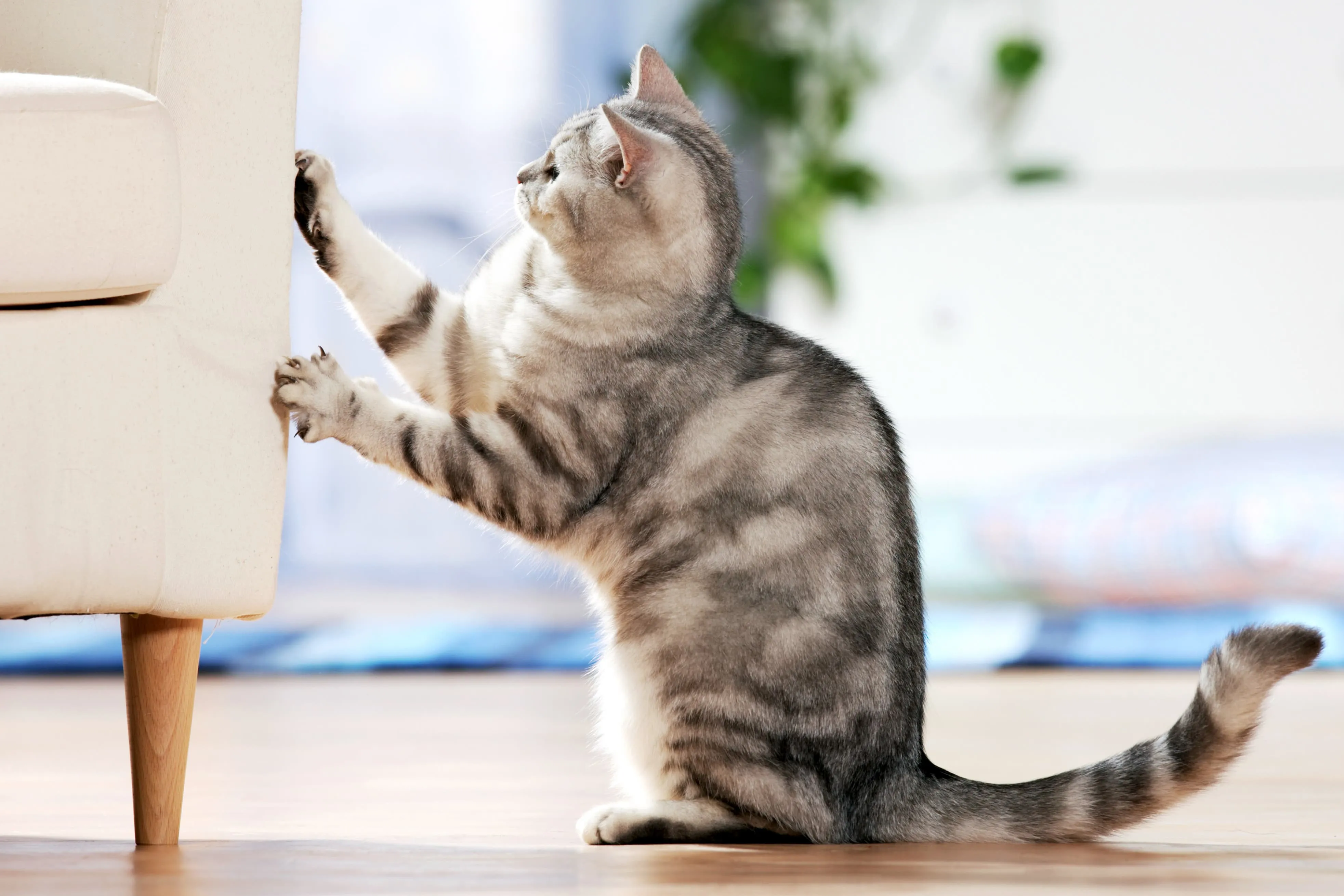
Scratching is natural for cats. It helps them stretch and mark territory. Protect your furniture by offering alternatives.
Try these tips to stop unwanted scratching:
- Place scratching posts near favorite spots
- Use catnip or toys on posts
- Trim your cat’s nails regularly
- Cover furniture with protective sheets
Litter Box Problems
Cats may refuse the litter box due to cleanliness, location, or health issues. Watch for signs of illness if problems start suddenly.
| Problem | Possible Cause | Solution |
| Refusing box | Dirty litter | Clean box daily |
| Going outside box | Box location | Move to quiet area |
| Frequent urination | Health issue | Visit vet |
Excessive Meowing
Some cats meow a lot to get attention, food, or because they feel lonely. Learn what your cat wants by watching closely.
To reduce meowing:
- Feed on a schedule
- Give plenty of playtime
- Ignore meows that ask for attention
- Use calm voices to talk to your cat
Clinginess And Separation Anxiety
Some cats get very attached to owners. They may follow you or act stressed when you leave. This is separation anxiety.
Help your cat feel better with these tips:
- Give toys to keep your cat busy
- Practice short separations daily
- Create a cozy resting spot
- Stay calm when leaving and arriving
Reasons Behind Behavior Problems
Understanding why your baby cat acts out helps solve behavior problems. Many causes affect how cats behave.
Some reasons are easy to fix once you know what is wrong. This guide explains common causes of behavior issues.
Stress And Anxiety
Cats feel stress from loud noises, strangers, or other pets. Anxiety makes them hide or scratch furniture.
Signs of stress include:
- Excessive meowing or growling
- Hiding or avoiding people
- Changes in eating habits
- Over-grooming or hair loss
Health Concerns
Illness or pain can cause bad behavior. Cats may bite or avoid litter boxes if they feel sick.
| Health Issue | Possible Behavior |
| Urinary infection | Not using the litter box |
| Dental pain | Aggression or hiding |
| Skin allergies | Scratching or biting |
Lack Of Stimulation
Bored cats often act out. They need toys, playtime, and attention to stay happy.
Ways to keep cats active:
- Offer new toys regularly
- Play for at least 15 minutes daily
- Use puzzle feeders to challenge them
- Create safe climbing spots
Inconsistent Training
If you change rules often, cats get confused. They need the same training every day.
Set clear rules for scratching, biting, and litter use. Reward good behavior with treats or praise.
Changes In Environment
Moving to a new home or adding pets can upset cats. They may act out to show stress.
Give cats time to adjust. Keep their food, bed, and litter box in quiet, familiar spots.
Quick Fixes For Aggression
Cat aggression can be tough to handle, especially with young cats. Quick fixes can help calm your cat and improve behavior fast.
Understanding simple techniques can stop aggressive actions and make your home safer for everyone.
Redirecting Play
Cats often show aggression because they want to play or hunt. Giving them the right toys can help.
- Use feather wands or laser pointers to focus their energy.
- Offer stuffed toys for biting and clawing.
- Change toys often to keep interest high.
- Play with your cat daily to reduce boredom.
Using Calming Aids
Calming aids can lower your cat’s stress and reduce aggression quickly.
| Calming Aid | How It Works | Example |
| Diffusers | Release calming pheromones | Feliway |
| Supplements | Support relaxation naturally | Fish oil, CBD |
| Calming collars | Continuous pheromone release | Comfort Zone Collar |
Positive Reinforcement
Reward calm behavior to help your cat learn good habits.
- Give treats for gentle play and quiet moments.
- Praise your cat with soft voices and pets.
- Use clicker training to mark good behavior.
- Be consistent with rewards to build trust.
Avoiding Punishment
Punishing your cat can make aggression worse. Avoid yelling or hitting.
Use these ideas instead:
- Ignore minor aggressive acts to avoid attention.
- Remove yourself calmly from the situation.
- Provide a safe space for your cat to retreat.
- Use redirection, not punishment, to guide behavior.

Credit: www.catster.com
Stopping Furniture Scratching
Cats often scratch furniture to mark their space and sharpen their claws. This behavior can damage your home and cause frustration.
Stopping furniture scratching needs patience and the right tools. You can guide your cat to scratch the right places.
Providing Scratching Posts
Give your cat scratching posts made of materials like sisal or cardboard. These posts should be tall and sturdy for climbing and scratching.
Place the posts near the furniture your cat scratches. This helps your cat learn where to scratch instead.
- Choose posts with rough textures
- Place them in favorite cat spots
- Replace worn-out posts regularly
Using Deterrents
Use safe deterrents to make furniture less appealing. Cats dislike certain smells and textures on their scratching areas.
Try double-sided tape or citrus sprays on furniture edges. These help stop your cat from scratching there.
- Apply double-sided tape on furniture
- Use pet-safe citrus or vinegar sprays
- Cover furniture with plastic sheets temporarily
Regular Nail Trimming
Trim your cat’s nails often to reduce damage from scratching. Short nails cause less harm to furniture and people.
Use sharp nail clippers made for cats. If your cat is nervous, trim one or two nails at a time.
- Trim nails every two to three weeks
- Avoid cutting into the pink quick
- Reward your cat after trimming
Rewarding Good Behavior
Give your cat treats or praise when it uses the scratching post. This teaches your cat good scratching habits.
Ignore or gently redirect your cat when it scratches furniture. Consistency helps your cat learn faster.
- Offer treats near scratching posts
- Use gentle petting as a reward
- Redirect to post without yelling
Solving Litter Box Issues
Many cat behavior problems start with litter box troubles. Fixing these issues helps your cat stay happy and healthy. This guide covers key steps to solve litter box problems.
Understanding the right cleaning, litter choice, box placement, and medical checks can stop unwanted behaviors.
Cleaning And Maintenance
Keep the litter box clean to encourage your cat to use it. Scoop waste daily and change litter weekly. Wash the box with mild soap and water to avoid smells.
- Scoop waste every day
- Change litter at least once a week
- Clean the box with mild soap
- Use unscented cleaning products
- Have one more box than the number of cats
Choosing The Right Litter
Pick litter your cat likes. Some prefer clumping, others non-clumping. Avoid strong scents that may repel your cat.
| Litter Type | Advantages | Considerations |
| Clumping | Easy to scoop | May cause dust |
| Non-Clumping | Less dusty | Needs frequent changing |
| Silica Gel | Controls odor well | Some cats dislike texture |
| Natural (wood, paper) | Eco-friendly | May not clump |
Proper Box Placement
Place the box in a quiet, low-traffic area. Avoid spots near food or loud machines. Cats want privacy and easy access.
- Choose a calm, private spot
- Avoid noisy areas
- Keep away from food and water bowls
- Ensure easy access for your cat
- Place multiple boxes in multi-cat homes
Addressing Medical Problems
Sometimes litter box issues stem from health problems. Urinary tract infections or pain can cause accidents. See a vet if problems start suddenly.
Signs to watch for:
- Frequent attempts to use the box
- Straining or crying when urinating
- Accidents outside the box
- Changes in appetite or behavior
Early vet care can fix many medical causes.
Managing Excessive Meowing
Excessive meowing can be stressful for both cats and owners. It is important to understand why your kitten meows too much.
By managing this behavior early, you can help your cat feel calm and safe. This guide explains key ways to reduce meowing.
Identifying Triggers
First, watch what happens before your cat starts meowing. Triggers can cause your kitten to meow more often.
Common triggers include hunger, loneliness, or boredom. Knowing these helps you stop meowing early.
- Hunger or thirst
- Wanting attention or play
- Stress from loud noises
- Changes in environment
Meeting Needs Promptly
Respond quickly when your kitten meows for food or water. This builds trust and lowers anxiety.
Make sure your cat has toys and a cozy place to rest. Meeting needs stops meowing caused by discomfort.
- Feed your kitten on a regular schedule
- Provide fresh water daily
- Offer toys to keep your cat busy
- Give a quiet, warm sleeping spot
Training Quiet Behavior
Teach your cat to be quiet by rewarding silence. Use treats and praise when your kitten stops meowing.
Ignore meowing that is just for attention. This helps your cat learn that quiet behavior gets rewards.
- Wait for silence before giving treats
- Use a calm voice to praise quiet moments
- Do not respond to loud meows
- Be patient and consistent every day
Avoiding Reinforcement Of Meowing
Do not give attention when your cat meows loudly. This can make the behavior worse over time.
Stay calm and wait for quiet before interacting. This stops meowing from becoming a habit.
- Ignore loud meows for attention
- Do not give food during noisy meowing
- Keep calm and patient
- Reward only quiet behavior
Reducing Separation Anxiety
Separation anxiety can make cats feel scared or stressed when alone. This behavior can cause scratching, meowing, or hiding. You can help your cat feel calm and safe by using simple methods.
Try different ways to reduce your cat’s anxiety step by step. These tips focus on creating comfort and distraction during your absences.
Gradual Departure Training
Help your cat get used to being alone slowly. Start with short separations and increase time away little by little. This training teaches your cat that you will always come back.
- Leave the room for a few seconds while your cat watches.
- Increase the time to one or two minutes after your cat stays calm.
- Gradually extend the separation to longer periods over days.
- Return calmly and quietly to avoid making leaving a big event.
- Practice daily to build your cat’s confidence.
Creating Safe Spaces
Provide a quiet area where your cat feels safe. This can be a cozy bed, a box, or a small room. Cats like places where they can hide and relax.
- Choose a warm and soft spot away from noise.
- Include familiar blankets or toys with your scent.
- Keep food and water nearby to avoid stress.
- Keep the space tidy and comfortable.
Providing Interactive Toys
Interactive toys help distract your cat and keep it busy while you are gone. Toys that move or make sounds can reduce boredom and anxiety.
| Toy Type | Benefits |
|---|---|
| Puzzle Feeders | Stimulate mind and slow down eating |
| Battery-operated Toys | Encourage play with movement |
| Catnip-filled Toys | Relax and calm your cat |
| Interactive Laser Pointers | Promote exercise and focus |
Using Pheromone Diffusers
Pheromone diffusers release calming scents that cats sense but humans do not. These scents can reduce stress and help your cat feel safe in your absence.
- Place the diffuser in the room your cat uses most.
- Use it a few days before planned separations.
- Keep it plugged in continuously for best results.
- Check for any signs of allergies or discomfort.

Credit: animals.howstuffworks.com
When To Seek Professional Help
Fixing behavior problems in baby cats can be tricky. Sometimes, you need extra help.
Knowing when to get a professional can save your cat from stress and keep your home peaceful.
Recognizing Serious Issues
Some behaviors show bigger problems. If your cat bites hard or scratches often, watch closely.
Other signs include not eating, hiding all day, or loud crying. These need quick attention.
- Frequent aggression or biting
- Loss of appetite or refusal to eat
- Hiding or avoiding people
- Excessive vocalizing or crying
- Destructive behavior beyond normal play
Choosing A Behaviorist
A behaviorist studies animal actions and helps solve problems. Pick one with good reviews.
Look for someone certified in cat behavior. They know how to handle young cats well.
- Check for certified animal behaviorist credentials
- Ask if they specialize in cats
- Read reviews from other cat owners
- Ensure they use positive training methods
Veterinary Consultations
Some behavior problems come from health issues. A vet can check if your cat feels pain or illness.
Discuss your cat’s behavior with the vet. They may suggest tests or treatments to help.
- Rule out medical causes for behavior
- Get advice on diet and health
- Ask about medication if needed
- Follow vet’s care plan strictly
Long-term Behavior Plans
Fixing behavior takes time. Work with experts to create a plan that lasts.
Plans include daily routines, training, and rewards. Stay patient and consistent for best results.
- Set clear rules and limits
- Use positive reinforcement
- Keep a regular feeding and play schedule
- Track progress and adjust as needed
Credit: www.webmd.com
Frequently Asked Questions
How To Stop A Cat From Biting Babies?
Redirect your cat’s biting behavior with gentle play and toys. Provide plenty of attention and avoid rough handling. Use positive reinforcement to reward calm behavior around babies. Consult a vet if biting persists.
Why Does My Cat Behave Aggressively Around My Baby?
Cats may feel stressed or territorial near babies. Sudden noises and movements can trigger fear or aggression. Gradually introduce the cat to the baby and create safe spaces. Patience and positive reinforcement help ease tension.
How Can I Train My Cat To Be Gentle With My Baby?
Use treats and praise when your cat behaves gently near the baby. Set clear boundaries with firm but kind commands. Supervise all interactions and never leave them alone. Consistent training builds trust and reduces unwanted behavior.
What Are Common Cat Behavior Problems With Babies?
Common issues include scratching, biting, and jealousy. Cats may also vocalize loudly or hide. Understanding your cat’s needs and providing enrichment helps prevent problems. Early socialization and gradual introductions are key.
Conclusion
Understanding your cat’s behavior makes life easier. Patience is key in training. Observe your cat’s actions daily. Gentle methods work best for behavior issues. Try giving treats for good behavior. This builds trust with your pet. Spend time playing with your cat.
It reduces stress and unwanted actions. Never punish harshly; it causes fear. Instead, redirect with toys or treats. Consistency helps enforce positive habits. Enjoy the journey of learning together. Your bond will grow strong over time. Cats are loving creatures when understood well.
Keep practicing and enjoy the rewards.