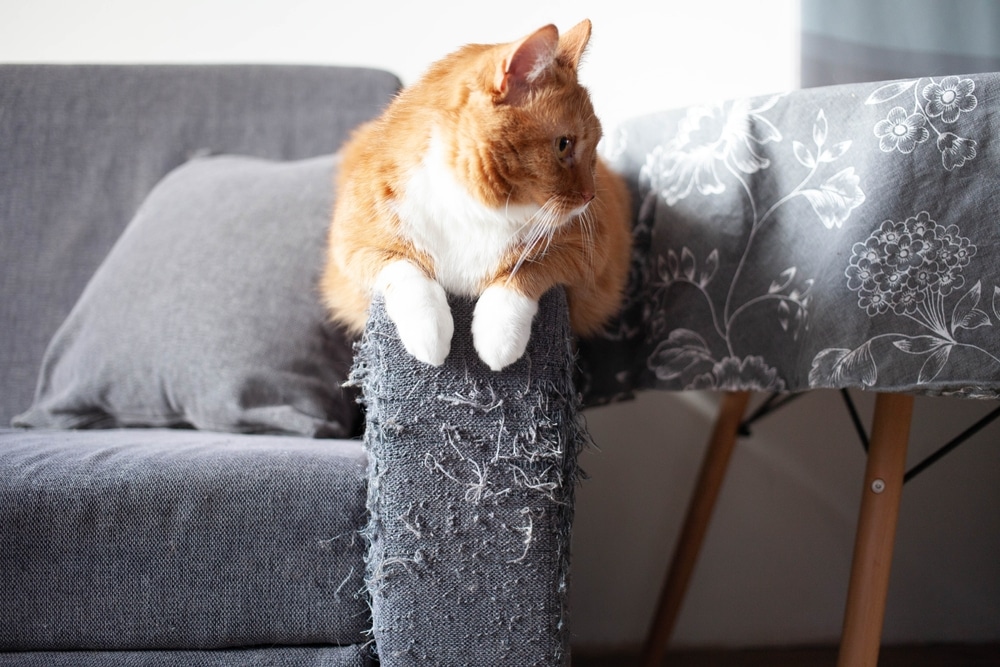
Is your cat scratching the furniture, biting your hands, or knocking things off the table? You’re not alone—many cat owners struggle with bad cat behavior that can be frustrating and confusing.
But here’s the good news: you can fix these problems. Understanding why your cat acts this way and learning simple, effective techniques will help you turn those bad habits into positive ones. Keep reading, and you’ll discover easy steps to bring peace back to your home and enjoy a happier relationship with your furry friend.

Credit: justcatsclinic.com
Common Cat Behavior Issues
Cats sometimes show behavior that can be hard to handle. Understanding these actions helps fix problems fast.
This guide covers common cat behavior issues and ways to improve them.
Aggression And Biting
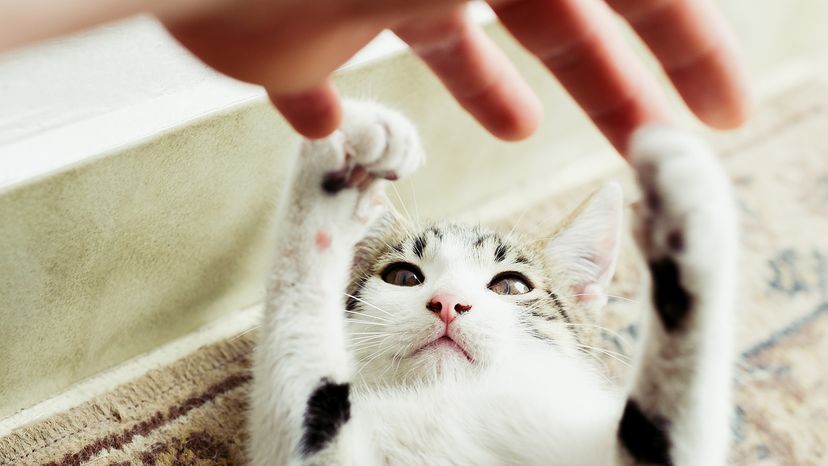
Aggression and biting can happen if a cat feels scared or annoyed. It may also be a way to play roughly.
Watch your cat’s body language to see when it feels stressed. Teach your cat gentle play habits.
- Do not use hands as toys
- Give plenty of toys to bite
- Stop play if biting starts
- Reward calm behavior
Scratching Furniture
Scratching is normal for cats. It helps them stretch and mark their space. Furniture can get damaged.
Provide scratching posts in places your cat likes. Use catnip or toys to attract your cat to posts.
- Place scratching posts near furniture
- Use different materials like carpet or sisal
- Trim your cat’s nails regularly
- Cover furniture with protective covers
Litter Box Problems
Cats may avoid the litter box if it is dirty or in a noisy area. Some cats dislike certain litter types.
Keep the box clean and in a quiet spot. Try different litter types to find what your cat prefers.
- Clean the box daily
- Use unscented, clumping litter
- Have one box per cat plus one extra
- Place boxes in calm, private areas
Excessive Meowing
Some cats meow a lot to get attention or food. It can also mean they feel lonely or bored.
Give your cat attention and playtime every day. Avoid feeding or reacting to meows for attention.
- Set regular play sessions
- Feed meals on a schedule
- Ignore meows for attention
- Provide toys and climbing spaces

Credit: www.youtube.com
Identifying Behavior Triggers
Bad behavior in cats often starts from specific triggers. Knowing these triggers helps you fix problems early. It also keeps your cat happy and calm.
Some triggers come from the cat’s environment, health, feelings, or changes at home. Watch your cat closely to find what causes the behavior.
Environmental Factors
Many cats react to things around them. Noise, new pets, or visitors can cause stress. Even smells or furniture changes can upset cats.
- Loud noises from TV or construction
- Strange animals or pets in the house
- New furniture or moved items
- Strong smells like cleaning products
- Too little or too much light
Health Concerns
Bad behavior can show a sick cat. Pain or illness makes cats act out. Watch for signs like hiding or licking a spot often.
| Health Issue | Possible Behavior |
| Urinary problems | Spraying or avoiding litter box |
| Dental pain | Aggression or biting |
| Arthritis | Less movement, irritability |
| Parasites | Scratching and restlessness |
Stress And Anxiety
Cats feel stress from many things. Changes in the home or loud noises can cause anxiety. Stress makes cats hide, scratch, or bite more.
Common signs of cat stress include:
- Excessive grooming or hair loss
- Hiding or avoiding people
- Sudden aggression or growling
- Loss of appetite or over-eating
Changes In Routine
Cats like a steady routine. Changes in feeding times, play, or sleep can upset them. Moving to a new house or new family members also cause stress.
- New feeding schedule
- Different play or sleep times
- Moving to a new home
- New people or pets in the house
- Changes in owner’s daily habits
Effective Training Techniques
Bad cat behavior can be frustrating for pet owners. Training your cat helps build a better relationship.
Using clear and gentle techniques will guide your cat to behave well. Patience and care are important.
Positive Reinforcement
Reward good behavior with treats or praise. This teaches your cat what you want them to do.
Use a calm voice and gentle petting as a reward. This helps your cat feel safe and happy.
- Give a treat right after good behavior
- Use a clicker or sound to mark the behavior
- Keep rewards small and consistent
Redirecting Negative Behavior
Stop bad actions by gently moving your cat to a different activity. Avoid shouting or hitting.
Offer toys or scratching posts to replace unwanted behavior. This helps your cat focus on good habits.
- Use toys to distract from bad behavior
- Guide your cat to a scratching post
- Stay calm and patient during redirection
Using Deterrents Safely
Use safe tools like double-sided tape or citrus scents to keep cats away from certain areas.
Do not use sprays or devices that scare or hurt your cat. This can cause fear or stress.
- Place tape on furniture to protect it
- Use scents cats dislike but are harmless
- Avoid loud noises or physical punishment
Consistency And Patience
Training takes time. Repeat the same rules every day to help your cat learn.
Be patient and stay calm. Cats respond better to gentle, steady guidance.
- Use the same commands and signals
- Reward good behavior every time
- Ignore minor mistakes and try again
Creating A Cat-friendly Environment
Cats need a safe and stimulating space to feel happy. Creating a cat-friendly environment helps reduce bad behavior. It keeps your cat active and calm.
Simple changes in your home can make a big difference. Focus on toys, scratching posts, hiding spots, and a clean litter area.
Providing Enrichment And Toys
Enrichment helps your cat stay busy and healthy. Toys encourage play and exercise. Rotate toys often to keep your cat interested.
- Use interactive toys like feather wands or laser pointers
- Offer puzzle feeders to challenge your cat
- Provide balls or small plush toys for solo play
- Change toys every few days to prevent boredom
Setting Up Scratching Posts
Scratching posts protect your furniture and let cats express natural behavior. Place posts in areas your cat likes to scratch. Use different materials like sisal or carpet.
| Type of Scratching Post | Material | Best Location |
|---|---|---|
| Vertical Post | Sisal Rope | Near Living Room |
| Horizontal Mat | Carpet or Cardboard | Cat’s Favorite Nap Spot |
| Multi-level Tower | Mixed Materials | Quiet Corner |
Safe Spaces And Hiding Spots
Cats feel secure when they have quiet places to hide. Create cozy spots with blankets or boxes. High perches also make good safe spaces.
- Use cat beds or soft blankets in secluded corners
- Provide cardboard boxes or covered cat tents
- Set up shelves or window perches for climbing
- Keep these areas away from loud noise and heavy traffic
Maintaining A Clean Litter Area
A clean litter box stops unwanted behaviors like urinating outside the box. Scoop daily and change litter regularly. Keep the box in a quiet, easy-to-reach spot.
- Use unscented, clumping litter
- Clean the litter box with mild soap weekly
- Have one more litter box than the number of cats
- Place litter boxes away from food and water bowls
When To Seek Professional Help
Bad behavior in cats can be frustrating for owners. Sometimes, it is hard to fix these problems alone.
Knowing when to get help can save time and improve your cat’s well-being quickly.
Behavioral Specialists
Behavioral specialists understand cat actions deeply. They help find the root cause of bad behavior.
These experts create tailored plans to change your cat’s habits in a positive way.
- Assess your cat’s environment and triggers
- Teach you training techniques
- Help reduce anxiety and fear
Veterinary Consultation
Health issues can cause bad behavior in cats. A vet can check for pain or illness.
If your cat acts strange suddenly, visit a vet to rule out medical problems.
- Check for infections or injuries
- Test for neurological conditions
- Discuss diet and lifestyle changes
Medication Options
Sometimes, medication helps control behavior linked to anxiety or stress. Your vet can advise on this.
Medication is usually a short-term aid while training or therapy continues.
- Anti-anxiety drugs
- Anti-depressants for mood issues
- Medications to calm aggression
Ongoing Support
Fixing bad behavior takes time and patience. Regular check-ins with a specialist help track progress.
Support groups or online forums can offer advice and encouragement from other cat owners.
- Follow-up visits with your vet or specialist
- Adjusting training plans as needed
- Sharing experiences with other pet owners
Credit: animals.howstuffworks.com
Frequently Asked Questions
How Can I Stop My Cat From Scratching Furniture?
Provide scratching posts and use deterrents like double-sided tape. Trim your cat’s nails regularly. Reward good behavior to encourage scratching on appropriate items.
Why Does My Cat Suddenly Bite Or Scratch?
Cats may bite or scratch due to stress, fear, or overstimulation. Identify triggers and create a calm environment. Avoid rough play and provide interactive toys.
What Are Effective Ways To Train Bad Cat Behavior?
Use positive reinforcement with treats and praise. Consistently redirect unwanted actions to acceptable alternatives. Avoid punishment, as it may increase anxiety and aggression.
How Do I Manage My Cat’s Aggressive Behavior?
Identify causes like pain or territorial disputes. Provide safe spaces and avoid stressful situations. Consult a vet or behaviorist for persistent aggression.
Conclusion
Taming bad cat behavior takes patience and understanding. Start with small changes. Notice your cat’s triggers. Offer consistent rewards for good behavior. Create a safe and engaging environment. Playtime can reduce stress and aggression. Use gentle correction methods. Avoid harsh punishments that can cause fear.
Consult a vet if issues persist. Sometimes health problems affect behavior. Building a strong bond helps. Your cat needs love and care. Remember, every cat is unique. Find what works best for yours. With time, you can enjoy a well-behaved furry friend.
Keep learning and adapting. Your efforts will pay off.