
Are you ready to make a real difference in the lives of cats in need? Setting up a cat rescue might seem overwhelming at first, but with the right steps, you can create a safe haven for homeless and abandoned cats.
Imagine the satisfaction of saving lives and giving these animals a second chance. In this guide, you’ll discover simple, practical tips to get your cat rescue up and running smoothly. Keep reading, and learn how you can turn your passion for cats into a powerful force for good.

Credit: www.reddit.com
Planning Your Rescue
Starting a cat rescue takes careful planning. You need to think about the needs of your community. Planning helps you save more cats and use resources well.
In this guide, learn how to assess community needs, set clear goals, and choose the best rescue model.
Assessing Community Needs
Look around to find out how many cats need help. Talk to neighbors, shelters, and vets to get a clear picture. This helps you know where to focus your efforts.
- Count stray and feral cats in your area
- Ask local shelters about their cat intake
- Identify common cat health problems
- Find out if there are enough resources for cats
- See if there are other rescue groups nearby
Setting Clear Goals
Goals keep your rescue focused and organized. Decide what you want to achieve in the short and long term. Clear goals help you measure success and plan activities.
- Save a certain number of cats each year
- Provide medical care for all rescued cats
- Find loving homes through adoption programs
- Educate the community about cat care
- Build partnerships with local vets and shelters
Choosing A Rescue Model
Pick a rescue model that fits your resources and goals. Some models need more space or funding than others. Choose one that matches your community’s needs.
| Rescue Model | Description | Key Needs |
|---|---|---|
| Foster-Based | Cats live in volunteers’ homes until adopted. | Volunteers, transport, vet care |
| Shelter-Based | Cats stay in a central shelter facility. | Building, staff, funding |
| Trap-Neuter-Return (TNR) | Trap feral cats, fix them, then return to area. | Traps, vet services, volunteers |
| Combination | Mix of foster and shelter models. | Flexible resources and volunteers |
Legal And Financial Setup
Starting a cat rescue needs more than love for animals. You must plan legal and financial steps carefully.
Following laws and managing money well helps your rescue work smoothly. This guide covers key parts of setup.
Registering Your Organization
Register your rescue as a legal entity to operate officially. Choose the right structure for your goals.
- Decide if your rescue will be a nonprofit or a charity
- File registration paperwork with state or local government
- Apply for tax-exempt status if available
- Get an Employer Identification Number (EIN) from the IRS
- Open a bank account under the rescue’s name
Understanding Licensing Requirements
Licenses keep your rescue legal and safe for cats. Rules differ by location and rescue size.
| License Type | Description | Who Needs It |
| Animal Shelter License | Allows operation of a rescue facility | All rescues with housing |
| Nonprofit Charity License | Needed to raise funds legally | Rescues accepting donations |
| Health and Safety Permits | Ensure clean and safe conditions | All rescues with public access |
| Transportation Permits | For moving animals between locations | Rescues that transport cats often |
Budgeting And Fundraising
Plan your budget to cover food, vet care, and shelter. Fundraising supports these costs.
- Estimate monthly expenses like food and medical bills
- Track one-time costs such as equipment and renovations
- Create a fundraising plan with events and donation drives
- Use social media and community outreach to find donors
- Keep clear records of income and expenses
Finding And Preparing A Facility
Setting up a cat rescue starts with finding the right place. The facility needs to be safe and comfortable for cats.
This guide covers picking a location, making it secure, and gathering supplies.
Selecting A Suitable Location
Choose a quiet area away from busy roads. The location should have good ventilation and enough space for many cats.
- Easy access for volunteers and vets
- Room for separate cat areas
- Nearby water and electricity supply
- Safe from harsh weather conditions
Creating A Safe Environment
Safety is key to keep cats healthy and calm. The area must protect them from harm and stress.
| Safety Feature | Reason |
| Secure doors and windows | Prevent cats from escaping |
| Separate feeding areas | Reduce fights and stress |
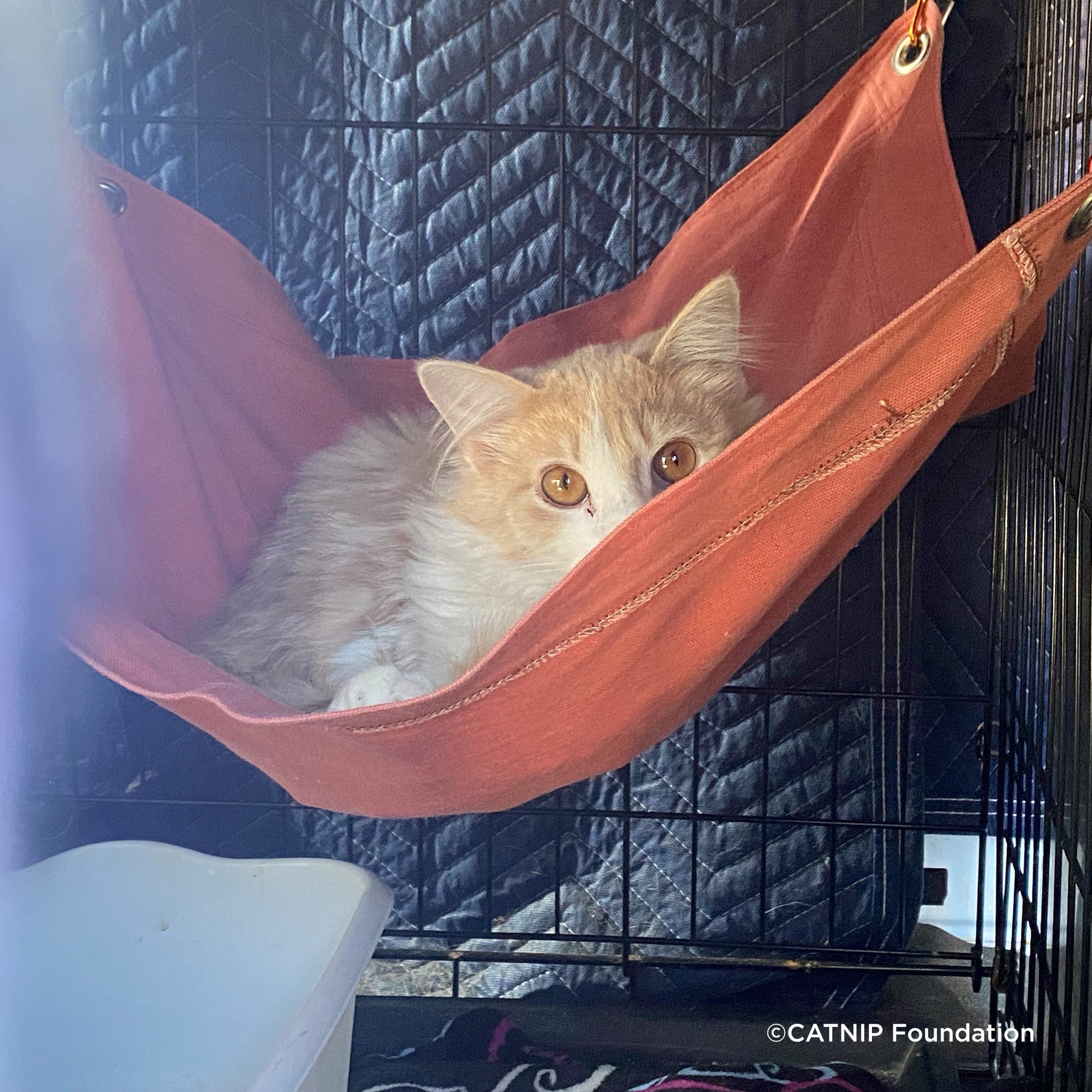
| Soft bedding spots | Provide comfort and rest |
| Easy-to-clean floors | Maintain hygiene |
Essential Supplies And Equipment
Collect all needed items before bringing cats in. This helps keep the rescue running smoothly.
- Food and water bowls
- Litter boxes and litter
- Toys and scratching posts
- Cleaning supplies
- Cat carriers and cages
- First aid kit for emergencies
Credit: theanimalrescuesite.com
Building A Support Team
Setting up a cat rescue needs a strong team. A good team helps care for cats and runs daily tasks.
Building a support team means finding the right people and giving them clear roles. Training is key to success.
Recruiting Volunteers And Staff
Look for people who love cats and want to help. Volunteers and staff can do many tasks, like feeding and cleaning.
Use local ads, social media, and word of mouth to find helpers. Ask about their experience and availability.
- Seek people with patience and kindness
- Include those with animal care experience
- Find reliable and committed helpers
- Welcome people with different skills
Training For Animal Care
Training helps volunteers and staff care for cats safely. Teach how to handle cats and spot health problems.
Include lessons on feeding, cleaning, and cleaning supplies. Show how to keep cats calm and happy.
- Proper cat handling techniques
- Identifying signs of illness
- Feeding and nutrition basics
- Cleaning cages and living spaces
- Using medical supplies correctly
Establishing Roles And Responsibilities
Clear roles keep your team organized. Everyone must know their tasks and who to report to.
Assign roles like cat care, cleaning, adoption support, and fundraising. Write down duties for each role.
- Cat care: feeding and health checks
- Cleaning: cages and common areas
- Adoption support: meeting adopters
- Fundraising: organizing events and donations
- Team leader: coordinating activities
Cat Intake And Care
Setting up a cat rescue requires careful planning for cat intake and care. Proper steps help keep cats safe and healthy.
This guide covers how to screen new cats, provide medical care, and help cats adjust socially.
Screening And Intake Procedures
Screen each cat before accepting it into the rescue. Ask about its history and health status.
Check for signs of illness or injury. Record all information clearly for future care.
- Ask about vaccination and medical history
- Note age, sex, and temperament
- Check for visible injuries or diseases
- Use a form to keep intake details
Medical Care And Quarantine
Place new cats in a quarantine area to stop disease spread. Keep them separate from other cats.
Provide a full health check with a vet. Treat any illnesses and update vaccinations.
- Isolate new cats for 2 to 4 weeks
- Perform physical exams and tests
- Give vaccines and parasite treatment
- Monitor behavior and appetite daily
Behavioral Assessment And Socialization
Observe cats to learn about their behavior and needs. This helps place them in good homes later.
Spend time with shy or scared cats. Use toys and gentle talk to build trust.
- Watch how cats react to people and other cats
- Note signs of fear or aggression
- Provide quiet space for nervous cats
- Encourage play and gentle handling
Adoption Process
Setting up a cat rescue involves careful planning for adoption. The adoption process helps find good homes for cats.
Each step ensures cats go to safe and loving families. This guide covers key parts of the process.
Marketing Cats For Adoption
Marketing helps more people see cats ready for adoption. Use clear photos and honest descriptions of each cat.
Share stories about the cats’ personalities. Post on social media, websites, and community boards to reach many people.
- Use bright, clear photos
- Describe each cat’s behavior
- Post regularly on social media
- Attend local events with cats
- Keep information updated
Screening Potential Adopters
Screening helps match cats with the right owners. Ask questions to learn about the adopter’s home and lifestyle.
Check if the adopter can care for the cat’s needs. Verify their experience with pets and their commitment to care.
- Ask about home environment
- Check pet care experience
- Discuss daily care plans
- Confirm willingness for vet visits
- Ensure no history of animal neglect
Follow-up And Support
Follow-up keeps cats safe after adoption. Contact adopters to see how the cat is adjusting to the new home.
Offer advice and help if problems arise. Support builds trust and helps keep cats happy and healthy.
- Make calls or visits after adoption
- Provide care tips and advice
- Help solve behavior issues
- Encourage regular vet care
- Stay available for questions
Community Engagement
Building a cat rescue needs strong community support. Engaging people helps the rescue grow.
Working with others and sharing knowledge brings more care for cats in need.
Partnering With Local Organizations
Find local groups that care about animals. These can be shelters, vets, or pet stores.
Working together helps share resources and reach more people who want to help cats.
- Contact animal shelters for support and advice
- Ask vets to help with health checks
- Work with pet stores to spread awareness
- Join local animal welfare groups
Educational Outreach
Teach the community about caring for cats. Good knowledge helps reduce cat abandonment.
Use simple talks, flyers, or social media to share tips on feeding and sheltering cats.
- Host workshops about cat care
- Distribute easy-to-read guides
- Share posts with tips on social media
- Visit schools to talk about kindness to animals
Hosting Fundraising Events
Raising money helps pay for food, medicine, and shelter for cats. Events bring people together.
Plan simple events like bake sales or car washes to get funds and spread your message.
- Organize bake sales with volunteers
- Hold car wash days in your neighborhood
- Set up donation boxes at local shops
- Run small auctions or raffles

Credit: www.youtube.com
Sustainability And Growth
Setting up a cat rescue takes planning for long-term success. You want your rescue to help many cats over time.
Focus on ways to keep your rescue strong and growing. This helps more cats find safe homes.
Tracking Success Metrics
Track important numbers to see how well your rescue works. These numbers show if you meet your goals.
Keep records on cats saved, adopted, and cared for. This helps you improve your rescue over time.
- Number of cats rescued each month
- Adoption rates and times
- Volunteer hours and involvement
- Funds raised and spent
Expanding Resources
Find ways to get more resources for your rescue. More resources mean you can help more cats.
Look for donations, grants, and partnerships. Build a network of helpers and supporters.
- Ask local businesses for supplies or money
- Create fundraising events or online campaigns
- Work with vets for low-cost care
- Recruit volunteers for daily tasks
Adapting To Challenges
Challenges will come as your rescue grows. You must change plans to handle new problems.
Stay flexible and ready to try new ideas. Learn from mistakes and improve your rescue work.
- Adjust care routines for sick or injured cats
- Find new spaces if shelter gets crowded
- Train volunteers for better support
- Update fundraising approaches if needed
Frequently Asked Questions
What Are The First Steps To Start A Cat Rescue?
Begin by researching local laws and requirements for animal rescue. Register your organization legally. Find a suitable space and gather supplies. Build a network of volunteers and vets. Plan fundraising and community outreach activities to support your rescue.
How Do I Find Cats In Need Of Rescue?
Connect with local shelters, animal control, and community members. Use social media to spread awareness. Attend local events and monitor stray cat populations. Build relationships with neighbors to identify cats needing help. Rescue cats from unsafe environments responsibly.
What Essential Supplies Are Needed For A Cat Rescue?
You will need cages, food, litter, bedding, and cleaning supplies. Have medical supplies like flea treatments and vaccines. Prepare feeding bowls, toys, and scratching posts. Ensure you have a safe quarantine area for sick cats. Stock up on paperwork for tracking and adoption.
How Can I Fundraise For A Cat Rescue Organization?
Organize events like bake sales, charity runs, or auctions. Use social media platforms for crowdfunding campaigns. Partner with local businesses for sponsorships and donations. Apply for grants focused on animal welfare. Encourage community involvement to increase support.
Conclusion
Starting a cat rescue is a rewarding journey. It requires dedication and love. Gather a passionate team. Secure a safe space for cats. Fundraising is crucial for success. Engage with your community and spread awareness. Build strong partnerships with local vets.
Remember, every little effort counts. Each rescued cat finds hope and comfort. Your hard work brings joy and change. Keep learning and adapting strategies. Stay patient and persistent. Your impact will grow over time. Cherish each victory, big or small.
Make the world better for our feline friends. You can truly make a difference.