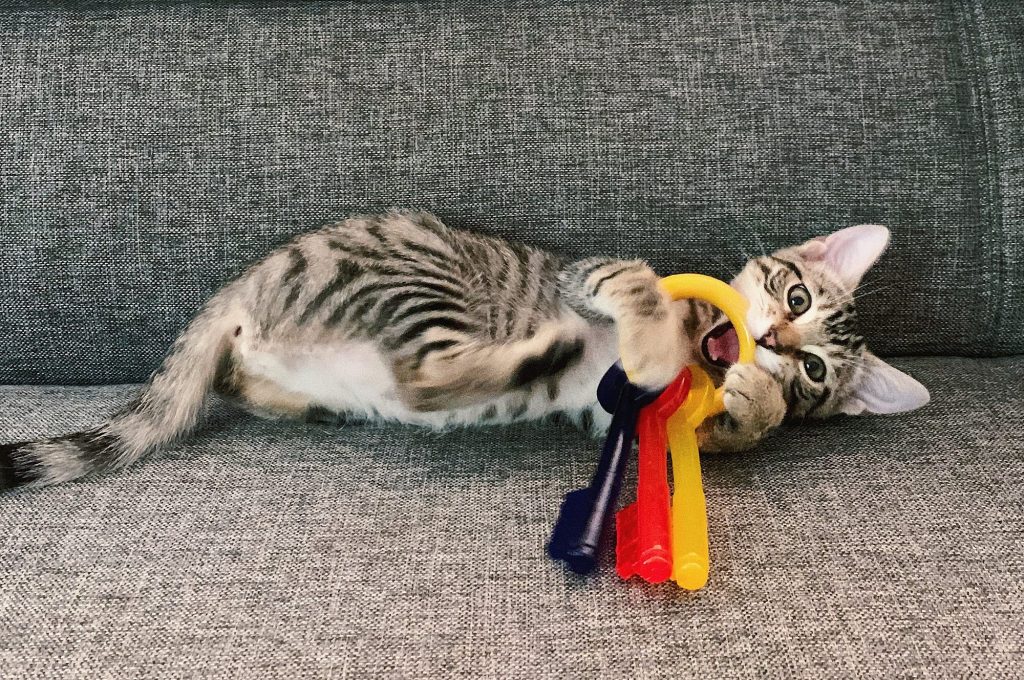
Are you a proud pet parent to both a playful pup and a curious cat? If so, you might have noticed them eyeing each other’s toys with interest.
It’s a common scene in many homes, and you can’t help but wonder, “Can dogs play with cat toys? ” This question might seem simple, but it opens up a fascinating world of pet behavior and safety. By understanding the dynamics between your furry friends and their toys, you can enhance their playtime and ensure their happiness.
Dive into this intriguing topic and discover the surprising benefits and potential pitfalls of mixing dog and cat toys. You might just unlock new ways to keep your pets entertained and engaged!

Credit: www.animalcareclinicjc.com
Dog And Cat Toy Differences
Dogs and cats have different play needs. Their toys are made to fit these needs.
Understanding the differences helps keep pets safe and happy during playtime.
Design And Size Variations
Dog toys are often bigger and tougher. They handle chewing and tugging.
Cat toys are smaller and lighter. They encourage chasing and pouncing.
| Toy Type | Size | Shape | Purpose |
| Dog Toys | Large | Sturdy, bulky | Chewing, fetching |
| Cat Toys | Small | Light, soft | Hunting, chasing |
Material Safety Considerations
Dog toys use strong materials like rubber and nylon. These resist strong bites.
Cat toys use soft materials like feathers or fabric. They are gentle on paws.
- Dog toys avoid small parts that can break off
- Cat toys avoid toxic dyes and loose strings
- Both toys should be free from harmful chemicals
Intended Play Styles
Dogs like to chew, fetch, and tug. Toys must survive rough play.
Cats prefer stalking, batting, and pouncing. Toys should be light and fast.
Here is a quick look at play styles:
- Dogs:Chewing, tugging, fetching
- Cats:Chasing, batting, stalking
Benefits Of Dogs Playing With Cat Toys
Dogs enjoy playing with different toys. Cat toys can offer new fun for dogs. They can help dogs stay active and happy.
Using cat toys can bring many benefits for dogs. These toys often move in ways that catch a dog’s attention. This helps keep their minds sharp.
Mental Stimulation Boost
Cat toys often move or make sounds that challenge dogs. This can help dogs think and react quickly. Playing with these toys keeps dogs alert and less bored.
- Improves focus and attention
- Encourages problem-solving skills
- Reduces stress and anxiety
- Prevents destructive behavior from boredom
Encouraging Gentle Play
Cat toys are usually small and soft. This helps dogs learn to play gently. It can be good for puppies and small dogs. They practice careful biting and holding.
| Type of Cat Toy | Benefit for Dogs |
|---|---|
| Feather Wand | Encourages gentle chasing and grabbing |
| Soft Plush Toy | Teaches gentle biting and carrying |
| Small Balls | Improves coordination and light play |
Variety In Playtime
Dogs like new and different toys. Cat toys add variety. This keeps playtime fun and exciting. New textures and shapes spark curiosity.
Changing toys helps dogs stay interested. It also helps with learning new skills and habits. Variety in toys can improve a dog’s mood and energy.
Risks And Precautions
Dogs may show interest in cat toys, but it is important to know the risks. Some cat toys can be unsafe for dogs.
Understanding these risks helps keep your dog safe. Take precautions before letting dogs play with cat toys.
Choking Hazards
Many cat toys have small parts that dogs can swallow. These parts can block their throat or stomach.
Always check the size of the toy. Avoid toys with loose or tiny pieces that dogs might chew off.
- Small bells or feathers can come off easily
- Strings or ribbons may wrap around a dog’s throat
- Broken pieces can cause choking or injury
Toy Durability Issues
Cat toys are usually made for gentle play. Dogs can bite harder and destroy these toys quickly.
Broken toys can expose sharp edges or small bits that harm dogs. Check toys often for damage.
- Soft toys can tear and release stuffing
- Plastic toys may crack and create sharp pieces
- Wear and tear increases risk of injury
Toxic Materials To Avoid
Some cat toys use materials that are safe for cats but harmful to dogs. Dogs may chew and ingest toxic substances.
Look for toys made from non-toxic, dog-safe materials. Avoid toys with harmful dyes or chemicals.
- Lead paint or toxic dyes can poison dogs
- Some plastics contain harmful chemicals
- Glue and stuffing may be toxic if swallowed

Credit: www.amazon.com
Choosing Safe Cat Toys For Dogs
Dogs may enjoy playing with cat toys, but not all cat toys are safe for dogs. It is important to pick toys that protect your dog from injury or choking. Choosing the right toys helps keep your dog happy and healthy.
Some cat toys have parts or materials that can harm dogs. Learning what to look for can make playtime safer for your pet.
Size And Texture Tips
Pick cat toys that are big enough so dogs cannot swallow them whole. Toys should be large and sturdy to avoid choking risks. The texture should be soft but strong to avoid breaking apart easily.
Rough or sharp textures can hurt your dog’s mouth. Look for smooth surfaces or soft fabrics that dogs can chew safely.
- Choose toys larger than your dog’s mouth
- Avoid toys with rough or sharp edges
- Pick soft but durable textures
Non-toxic Materials
Make sure the cat toys are made from safe, non-toxic materials. Dogs often chew and lick their toys, so materials should not contain harmful chemicals. Natural or pet-safe materials work best.
Check product labels or ask the manufacturer about the materials used. Avoid toys with paint, dyes, or plastics that can poison your dog.
- Look for non-toxic, pet-safe materials
- Avoid toys with harmful chemicals or dyes
- Natural rubber or cotton are good choices
Avoiding Small Parts
Small parts can break off and cause choking or blockages. Avoid cat toys with tiny bells, eyes, or beads. These parts may seem fun but are risky for dogs.
Choose toys that are made in one piece or have securely attached parts. Watch your dog during play to catch any damage early.
- Skip toys with small detachable parts
- Pick solid or tightly made toys
- Supervise your dog while playing
Introducing Cat Toys To Your Dog
Dogs and cats have different ways of playing. Cat toys are made for cats, but some dogs may enjoy them too. Introducing cat toys to your dog can be fun and safe with care.
It is important to watch your dog’s reactions and make sure the toys do not cause harm. Use safe cat toys that do not have small parts your dog can swallow.
Supervised Play Sessions
Always watch your dog when it plays with cat toys. Supervised play helps you stop any chewing or swallowing of unsafe parts. You can learn what your dog likes.
Keep play sessions short at first. Use calm voices and gentle encouragement to keep your dog relaxed during play.
Observing Play Behavior
Watch how your dog uses the cat toys. Some dogs may paw, bite, or carry toys in their mouth. Note any signs of stress or disinterest.
- If your dog chews the toy too hard, it may break.
- If your dog ignores the toy, try another type.
- Look for signs of excitement or calmness.
Gradual Toy Integration
Introduce cat toys slowly. Start with one toy and see how your dog reacts. Add more toys only if your dog enjoys the first one.
Mix cat toys with your dog’s usual toys. This helps your dog accept the new toys as part of playtime.

Credit: www.amazon.com
Diy Cat-inspired Toys For Dogs
Dogs can enjoy playing with toys made for cats if they are safe and fun. Making your own toys lets you control the materials used.
DIY cat-inspired toys can keep dogs entertained and active. Simple ideas work well for dogs of all sizes and ages.
Simple Homemade Options
Many cat toys are easy to make and safe for dogs. Use soft materials and avoid small parts that dogs can swallow.
- Fabric mice stuffed with cotton or old fabric scraps
- Yarn balls tied tightly to avoid unraveling
- Feather toys attached to a stick for chasing
- Crinkly paper tubes for noise and texture
Using Household Items
Look around your home for items that can become dog toys. Make sure they are clean and safe before giving them to your pet.
| Household Item | How to Use |
| Socks | Fill with soft fabric and tie the end to make a tug toy |
| Plastic bottle | Remove cap and label, then fill with treats for a puzzle toy |
| Cardboard | Cut into strips and weave into a small ball |
| Old T-shirt | Braid into a rope for chewing and tugging |
Customizing For Dog Preferences
Dogs have different tastes and play styles. Watch your dog to see what kind of toys they like best.
- If your dog likes to chew, use tougher materials like braided fabric or rubber.
- For dogs that like to chase, add feathers or ribbons to the toy.
- Dogs that enjoy puzzles will like toys with hidden treats inside.
- Adjust the size of the toy to match your dog’s mouth and strength.
When To Avoid Sharing Toys
Dogs and cats have different play styles. Sometimes sharing toys is okay. Other times, it can cause problems.
Knowing when to avoid sharing toys keeps pets safe and happy. It helps prevent fights and health issues.
Aggression And Territorial Issues
Dogs and cats can get protective over their toys. Sharing can lead to fights if one pet feels threatened.
Some pets guard their toys as territory. This behavior can cause stress or aggression between them.
- Watch for growling or snapping when near toys
- Give each pet their own toys to reduce conflict
- Separate playtime if pets show signs of aggression
Health And Hygiene Concerns
Sharing toys can spread germs and parasites between dogs and cats. Each animal has different bacteria.
Some toys absorb saliva and dirt. This can cause infections or illnesses if shared without cleaning.
- Clean toys regularly with pet-safe disinfectant
- Keep separate toys for each pet to avoid germs
- Check toys for damage to prevent injuries
Age And Size Considerations
Young or small pets may get hurt by bigger pets’ toys. Size and strength differences matter in play.
Some toys are too hard or heavy for small dogs or cats. Age also affects how pets play safely.
- Choose toys that fit each pet’s size and age
- Avoid sharing large or tough toys with small pets
- Supervise playtime to prevent accidents
Frequently Asked Questions
Can Dogs Safely Play With Cat Toys?
Yes, dogs can play with some cat toys safely. However, always supervise to prevent choking or ingestion of small parts.
What Cat Toys Are Best For Dogs?
Toys without small detachable pieces are best. Soft, durable toys or interactive toys can engage dogs well.
Are Cat Toys Harmful To Dogs?
Some cat toys can be harmful if swallowed or chewed aggressively. Avoid toys with feathers, strings, or small parts.
How Do Dogs React To Cat Toys?
Dogs may show curiosity or excitement. They often enjoy chasing or chewing cat toys but may need supervision.
Conclusion
Dogs can enjoy some cat toys, but safety matters most. Choose toys without small parts or harmful materials. Watch your dog closely to see if they like the toy. Some dogs may chew too hard and break toys quickly. Cat toys can offer new smells and shapes to explore.
Always pick toys that suit your dog’s size and play style. Mixing toys can keep playtime fun and fresh. Safe play helps your dog stay happy and healthy. Try different toys and find what your dog enjoys best. Playtime should be fun for both you and your pet.