Are you wondering if shock collars are a safe way to train your cat? You might have heard about these devices used for dogs, but what about cats?
Before you make any decisions, it’s important to understand how shock collars work and how they could affect your furry friend. You’ll discover the truth about using shock collars on cats, plus safer and more effective alternatives to keep your pet happy and well-behaved.
Keep reading—you’ll want to know this before trying anything on your beloved cat.

Credit: www.walmart.ca
Shock Collars And Cats
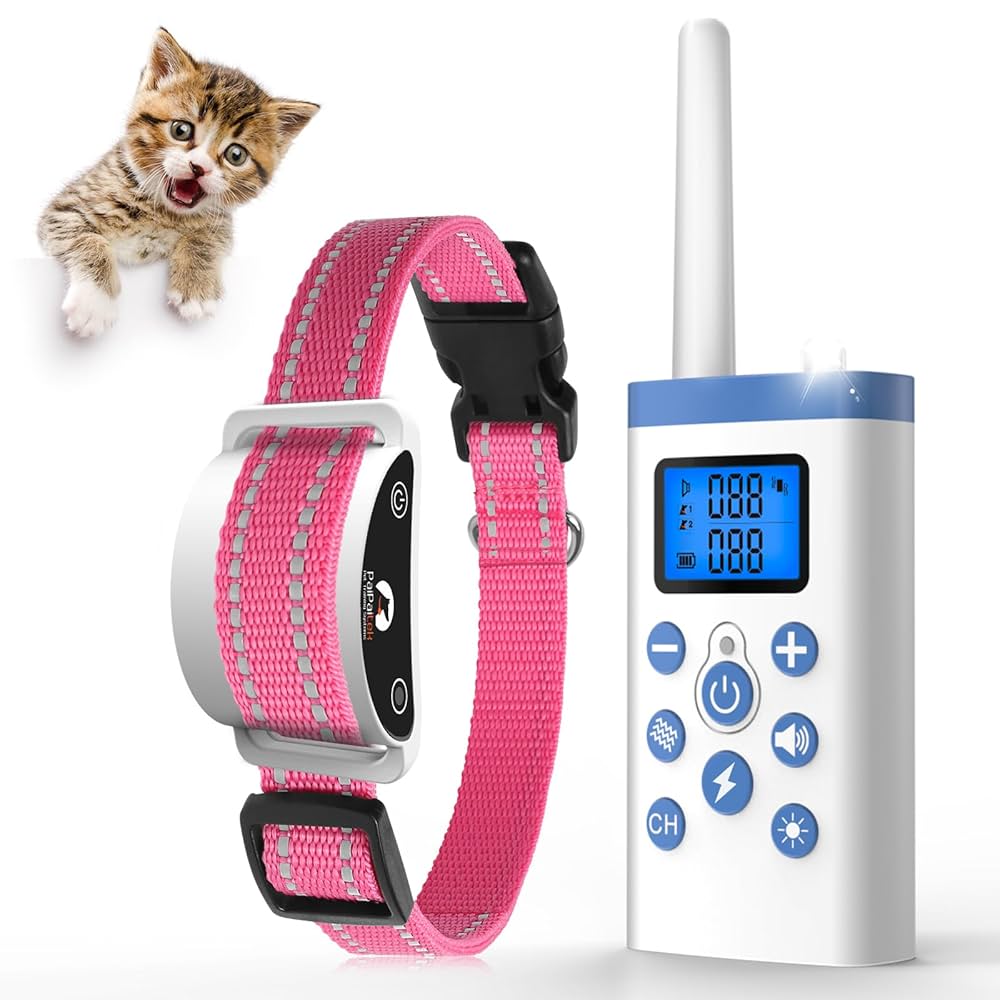
Shock collars are devices that give a small electric shock. They are mostly used for training pets. People often ask if these collars are safe for cats.
This article explains how shock collars work and their common uses in pets, especially cats.
How Shock Collars Work
Shock collars send a mild electric pulse to the pet’s neck. This pulse acts as a correction. The goal is to stop bad behavior or teach commands.
- The collar has sensors that detect barking or movement.
- When triggered, it delivers a short shock or vibration.
- The pet learns to avoid unwanted actions to stop the shock.
- Some collars use sound or light signals instead of shocks.
Common Uses In Pets
Shock collars are mainly designed for dogs. They help with training and behavior correction. Using them on cats is rare and not often recommended.
| Pet Type | Use of Shock Collar | Notes |
| Dogs | Training, stopping barking, boundary control | Common and widely accepted |
| Cats | Rarely used, sometimes for behavior issues | Can cause stress and fear; use with caution |
| Other Pets | Very rare | Not usually recommended |
Many vets and animal experts advise against shock collars for cats. Cats have sensitive skin and nervous systems. The shock can cause anxiety or harm.
Risks Of Using Shock Collars On Cats
Shock collars are designed to control pet behavior. Using them on cats can cause several risks. These risks affect the cat’s health and well-being.
Understanding these dangers helps owners make better choices. Cats are sensitive animals, and shock collars may harm them.
Physical Harm And Discomfort
Shock collars deliver electric pulses to the cat’s neck. This can cause pain and skin problems. Some cats get burns or sores from the collar.
| Physical Harm | Description |
|---|---|
| Skin Irritation | Redness, swelling, or sores where the collar touches the skin. |
| Burns | Electric shocks may burn the skin or fur. |
| Neck Injury | Collars can cause strain or injury to the neck muscles. |
Behavioral Issues
Cats may change their behavior after using shock collars. They can become fearful or aggressive. Training may fail if the cat feels threatened.
- Avoidance of the owner or training area
- Increased hiding or withdrawal
- Sudden aggression toward people or other pets
- Confusion about what behavior is expected
Emotional Stress
Shock collars cause stress and anxiety in cats. The fear of the shock leads to emotional problems. Cats may show signs of depression or panic.
Stress signs include:
- Excessive grooming or scratching
- Loss of appetite or weight
- Restlessness or pacing
- Changes in vocalization, such as yowling
Potential Benefits Of Shock Collars
Shock collars are mostly used for dogs, but some people consider them for cats. These collars give a small electric pulse to get the cat’s attention. They can be helpful if used correctly and safely.
It is important to know the possible benefits and limits before using shock collars on cats. This can help pet owners decide if this tool fits their needs.
Training Effectiveness
Shock collars can make training faster by giving immediate feedback. Cats learn to avoid certain actions to prevent the shock. This can reduce bad behavior quickly.
Using the collar carefully helps teach cats to follow commands or stay away from dangerous places. The quick signal can guide the cat’s behavior more clearly than voice or touch alone.
Situations Where They Might Help
Shock collars may help in some difficult situations. For example, if a cat keeps running outside where it is unsafe, the collar can stop this behavior. It might also help with cats that scratch furniture or fight with other pets.
These collars should be used only after trying gentle training methods. They can assist when other ways don’t work and safety is a concern.

Credit: www.amazon.com
Legal And Ethical Considerations
Shock collars are sometimes used for pet training. Using them on cats raises legal and ethical questions. It is important to know the rules and think about animal welfare.
This section looks at laws about shock collars and concerns about hurting cats. Understanding these helps pet owners make safe choices.
Regulations On Shock Collar Use
Many places have laws about using shock collars on animals. Some countries ban their use on pets. Others allow them with strict rules.
Rules often focus on preventing animal harm and misuse. Using shock collars on cats may be illegal in some areas due to risk of injury.
- Check local laws before using shock collars on cats.
- Some regions ban shock collars for all pets.
- Animal control agencies may have specific guidelines.
- Penalties exist for illegal use of shock collars.
Animal Welfare Concerns
Shock collars can cause fear, stress, and pain in cats. Cats are sensitive and react differently than dogs.
Many experts say shock collars can harm a cat’s well-being. Using them may lead to behavior problems or physical injury.
- Shock collars may cause anxiety and fear in cats.
- Painful shocks can damage trust between cat and owner.
- Alternatives like positive reinforcement are safer and kinder.
- Always consider the cat’s health and comfort first.
Alternatives To Shock Collars
Shock collars can cause stress and harm to cats. There are safer and kinder ways to train your pet. Using gentle methods helps build trust and good behavior.
Here are some effective alternatives that help guide your cat without pain or fear.
Positive Reinforcement Training
This method rewards good behavior with treats or praise. It encourages cats to repeat positive actions. This creates a happy learning environment for your cat.
- Give small treats when your cat follows a command
- Use gentle petting or kind words as rewards
- Be patient and consistent with training sessions
- Avoid punishment or harsh corrections
Clicker Training Techniques
Clicker training uses a small device that makes a clicking sound. It marks the exact moment your cat does something right. Then you give a reward to reinforce the action.
This clear signal helps cats learn faster and enjoy training.
Environmental Modifications
Changing your cat’s surroundings can stop unwanted behavior. Safe changes can keep your cat happy and healthy without punishment.
| Modification | Purpose |
| Provide scratching posts | Protect furniture |
| Use cat trees or shelves | Give climbing space |
| Block access to dangerous spots | Keep cat safe |
| Offer toys and playtime | Reduce boredom |
Safe Deterrent Devices
Safe deterrents stop cats from bad habits without hurting them. These devices create mild distractions that the cat avoids.
- Motion-activated air sprays that harmlessly startle cats
- Noise makers that activate near off-limit areas
- Double-sided tape on surfaces to discourage scratching
- Citrus scents that cats dislike but are safe

Credit: www.amazon.com
Tips For Safe Cat Training
Training cats requires care and respect. Using shock collars on cats can harm them. Safe methods build a good bond and help cats learn better.
This guide shares ways to train cats safely. Focus on trust, patience, and reading your cat’s signals.
Building Trust
Trust is the key to training cats. Avoid harsh tools like shock collars. Use gentle words and soft touches instead.
- Spend quiet time with your cat daily.
- Give treats to reward good behavior.
- Speak softly to keep your cat calm.
- Let your cat come to you first.
Consistency And Patience
Cats learn best with steady and calm training. Do not rush or punish them. Repeat commands in the same way every time.
- Choose a simple word or sound for commands.
- Use treats or toys as positive rewards.
- Train in short sessions, about 5 minutes each.
- Be patient if your cat does not respond immediately.
Recognizing Stress Signals
Cats show stress in many ways. Watch for signs to avoid harm during training.
| Stress Signal | What It Means | How to Respond |
|---|---|---|
| Hiding | Cat feels scared or unsafe | Give space and quiet time |
| Hissing or Growling | Cat feels threatened | Stop training and calm your cat |
| Flattened Ears | Cat is nervous or upset | Speak softly and slow movements |
| Swishing Tail | Cat is irritated | Pause training and let cat relax |
Frequently Asked Questions
Can Shock Collars Be Used Safely On Cats?
Shock collars are generally not recommended for cats. Cats have sensitive skin and nervous systems. Using shock collars may cause stress and harm. Alternative training methods like positive reinforcement work better and ensure your cat’s well-being.
What Are The Risks Of Shock Collars For Cats?
Shock collars can cause pain, anxiety, and behavioral problems in cats. They might damage the bond between you and your pet. Cats may develop fear or aggression due to shock collar use. Safer, humane training options are preferred.
Are There Alternatives To Shock Collars For Cats?
Yes, positive reinforcement, clicker training, and environmental enrichment are effective alternatives. These methods encourage good behavior without causing fear or pain. Rewarding desired actions with treats or praise helps cats learn better and promotes a healthy relationship.
How Do Shock Collars Affect A Cat’s Behavior?
Shock collars can cause stress, fear, and aggression in cats. They may also lead to withdrawal or hiding. These negative effects can harm your cat’s mental health. Positive, gentle training methods produce better, long-lasting behavioral improvements.
Conclusion
Shock collars for cats raise many concerns. They can cause stress and harm. Alternatives exist. Training with positive reinforcement is one option. It’s safer and more effective. Patience and love help cats learn better. Consult a vet for guidance. Your cat’s well-being should come first.
Explore other humane methods. Build trust with your pet. Understand their needs and behavior. Choosing wisely benefits both you and your cat. Remember, a happy cat is a healthy cat. Prioritize their comfort and safety always.