
Are you tired of your cat scratching the furniture, knocking things over, or refusing to use the litter box? You’re not alone.
Bad cat behavior can be frustrating and stressful, but the good news is that you can change it. Understanding why your cat acts out and learning simple, effective ways to guide their behavior will make your home happier for both of you.
Keep reading, and you’ll discover easy steps to stop those unwanted habits and build a stronger bond with your furry friend.
Common Bad Cat Behaviors
Cats sometimes show behaviors that annoy their owners. These actions can cause damage or stress.
Understanding these behaviors helps you find ways to stop or reduce them.
Scratching Furniture
Cats scratch to mark territory and keep their claws sharp. Furniture is often the target.
- Provide scratching posts made of cardboard or sisal.
- Place posts near favorite resting spots.
- Use catnip to attract cats to the posts.
- Cover furniture with protective sheets or double-sided tape.
Aggression Towards People
Aggression can appear as biting, scratching, or hissing. It may happen if a cat feels scared or threatened.
Giving cats space and avoiding sudden movements helps reduce their aggression.
Excessive Meowing
Cats meow to communicate. Too much meowing can mean they want attention or are stressed.
| Reason | Possible Solution |
| Hunger | Feed on a regular schedule |
| Boredom | Provide toys and playtime |
| Stress | Create a calm environment |
| Health Issues | Visit the vet for check-up |
Litter Box Issues
Some cats stop using the litter box due to cleanliness or location problems. This causes accidents.
Keep the box clean and place it in a quiet, easy-to-access spot.
Destructive Chewing
Cats may chew cords, plants, or furniture. This can be dangerous and harmful to your belongings.
To stop chewing:
- Offer safe chew toys designed for cats.
- Use bitter sprays on items you want to protect.
- Hide electrical cords or cover them with protective sleeves.
- Keep toxic plants out of reach.
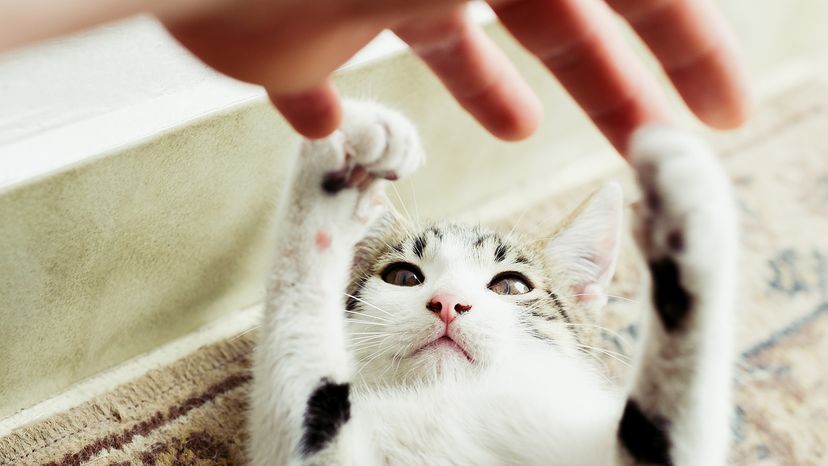
Credit: animals.howstuffworks.com
Causes Behind Bad Behavior
Cats sometimes show bad behavior that can be confusing. Understanding why they act this way helps fix the problem.
Several reasons cause bad behavior in cats. Knowing these causes is the first step to stopping it.
Stress And Anxiety
Stress and anxiety make cats act out. Loud noises, new people, or changes in their home can upset them.
When stressed, cats may scratch furniture or hide more than usual. They might also stop using the litter box.
Lack Of Stimulation
Cats need mental and physical activity. Without enough play or exercise, they get bored and restless.
Bored cats may bite, scratch, or knock things over. They do this to get attention or release energy.
Health Problems
Sometimes bad behavior comes from pain or illness. Cats cannot tell us when they feel sick.
Health issues like dental pain or infections can cause aggression or changes in behavior. A vet check is important.
Territorial Instincts
Cats protect their space. New animals or people can make them feel threatened.
They may mark territory by spraying or scratching to warn others to stay away.
- Marking with urine
- Scratching walls or furniture
- Hissing or growling at intruders
Improper Training
Cats learn from what we teach them. Without clear rules, they may develop bad habits.
Using punishment or ignoring bad behavior can make things worse. Positive training helps cats behave well.
Effective Training Techniques
Stopping bad cat behavior takes patience and good training. Using the right techniques helps your cat learn faster.
Training your cat with simple and clear methods improves their behavior. These tips work well for most cats.
Positive Reinforcement
Positive reinforcement means rewarding your cat when it behaves well. This helps your cat know what you want.
Use treats, petting, or kind words to praise good actions. This makes your cat want to repeat good behavior.
Redirecting Attention
If your cat acts badly, gently redirect its attention to a toy or activity. This stops the unwanted behavior calmly.
Offer a fun distraction to keep your cat busy. This teaches them what to do instead of bad actions.
Using Deterrents
Deterrents help stop bad habits by making the action unpleasant for your cat. Use safe and gentle deterrents only.
- Place double-sided tape on furniture to prevent scratching
- Use citrus scents in areas your cat avoids
- Try motion-activated noise devices to discourage jumping
Consistency In Commands
Use the same words and tone every time you train your cat. This helps your cat understand what you want.
Be patient and repeat commands often. Consistency makes training clearer and more effective for your cat.
Reward-based Learning
Reward-based learning uses treats or playtime as rewards for good behavior. This encourages your cat to learn quickly.
- Give small treats after good actions
- Praise your cat with soft words and petting
- Offer extra playtime as a reward
Environmental Changes To Help
Changing your cat’s environment can reduce bad behaviors. Simple adjustments help your cat feel calm and safe.
Focus on providing the right tools and spaces. These changes support positive habits and lower stress.
Providing Scratching Posts
Cats need to scratch to keep their claws healthy. Provide several scratching posts in different spots.
- Place posts near favorite resting areas
- Use different materials like sisal and carpet
- Keep posts stable and tall enough to stretch
- Reward your cat when it uses the posts
Creating Safe Spaces
Safe spaces help cats feel secure. Give your cat quiet, cozy spots to relax.
Use soft bedding and hideaways like boxes or cat trees. Avoid high-traffic areas for these spaces.
Interactive Toys And Playtime
Play keeps cats active and reduces bad behavior. Use toys that mimic hunting, like feather wands and balls.
Spend at least 10 minutes daily playing with your cat. This helps burn energy and builds trust.
Regular Routine Establishment
Cats thrive on routine. Feed, play, and rest at the same times every day.
| Activity | Recommended Time |
| Feeding | Morning and Evening |
| Playtime | After Meals |
| Quiet Time | Afternoon |
Minimizing Stress Triggers
Stress causes bad behavior. Identify and reduce stress triggers around your cat.
Common triggers include loud noises, new pets, or changes in the home. Try these tips:
- Keep a calm voice and environment
- Introduce new pets slowly
- Keep your cat’s belongings unchanged
- Use pheromone diffusers if needed
When To Seek Professional Help
Bad behavior in cats can be stressful for owners. Sometimes, simple changes do not fix the problem.
Knowing when to get help from experts can protect your cat’s health and your home.
Behavioral Specialists
Behavioral specialists are experts in animal actions. They help find the root cause of bad behavior.
They observe your cat and suggest ways to improve behavior safely and kindly.
Veterinary Consultations
Some bad behaviors come from health problems. A vet can check if your cat is sick or in pain.
Illness can make cats act out. A vet visit is important if behavior changes suddenly or worsens.
Medication Options
In some cases, medicine helps control anxiety or aggression in cats. This is always done with vet advice.
Medication can calm your cat while you work on behavior changes through training or therapy.
Behavior Modification Programs
These programs use training and rewards to change how your cat acts. They often need expert guidance.
Behavior modification is a step-by-step process. It helps your cat learn good habits over time.
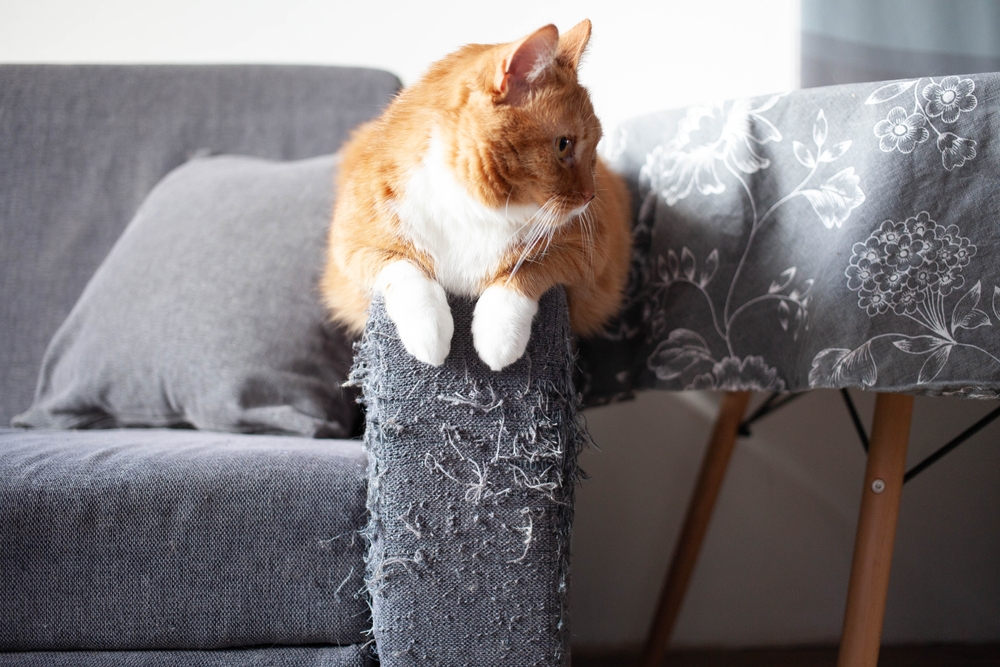
Credit: justcatsclinic.com

Credit: animals.howstuffworks.com
Frequently Asked Questions
How Can I Stop My Cat From Scratching Furniture?
Use scratching posts and regularly trim your cat’s nails. Apply deterrents like double-sided tape on furniture. Reward your cat for using the posts to reinforce good behavior.
Why Does My Cat Bite And How To Prevent It?
Cats bite due to overstimulation or play aggression. Redirect biting with toys and avoid using hands for play. Consistent gentle discipline and positive reinforcement help reduce biting.
What Causes A Cat To Spray Indoors?
Indoor spraying is usually due to stress, territory marking, or health issues. Clean marked areas thoroughly and provide a calm environment. Consult a vet if spraying persists.
How Do I Stop My Cat From Jumping On Counters?
Make counters unattractive by using deterrents like aluminum foil or double-sided tape. Provide alternative high places like cat trees. Reward your cat for staying off counters.
Conclusion
Stopping bad cat behavior takes patience and understanding. Remember, consistency is crucial. Cats respond well to gentle guidance. Offer positive reinforcement when they behave well. Use toys and activities to divert their attention. Maintain a calm environment. Stress can trigger bad behavior.
Ensure your cat feels safe and loved. Bad habits can change with time and effort. Keep learning about your cat’s needs. Every cat is unique. Adapt methods to suit their personality. Stay patient and dedicated. Your efforts will lead to a happy and well-behaved cat.