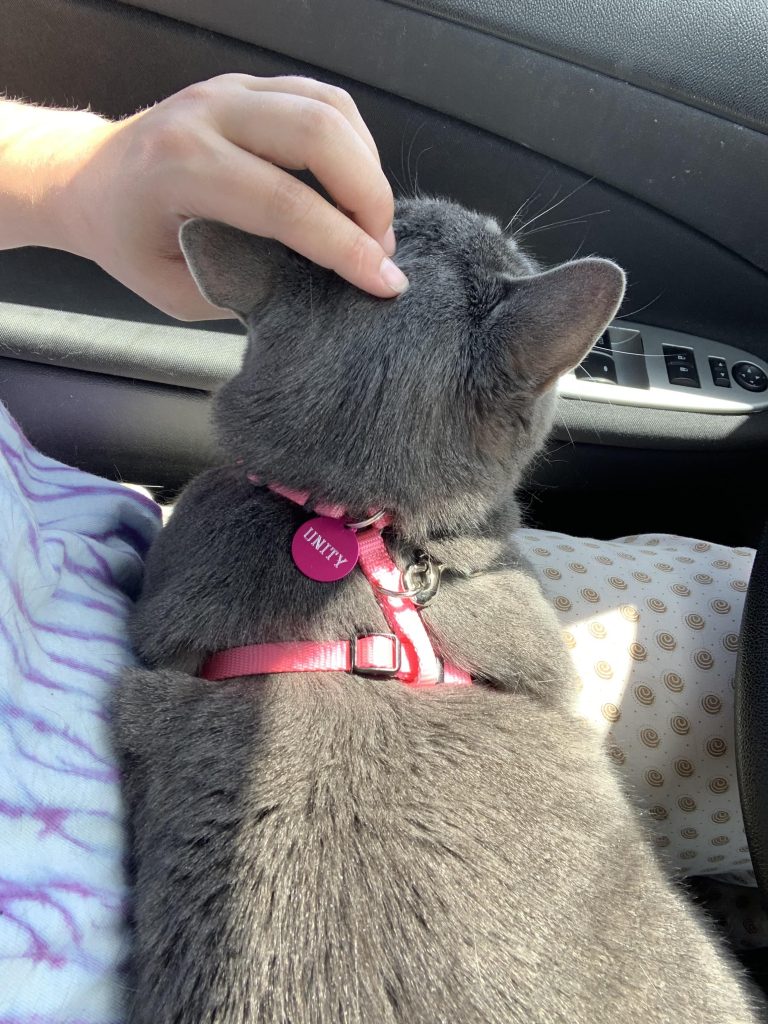
If you have a cat, you’ve probably wondered about those little bells on their collars. Are they really helpful, or could they be causing more harm than good?
You want to keep your furry friend safe, but you also want them to be happy and comfortable. This question matters because the wrong choice could affect your cat’s well-being in ways you might not expect. Keep reading to discover the truth about bells on cat collars and find out what’s best for your beloved pet.
Purpose Of Bells On Cat Collars
Many cat owners put bells on their pets’ collars. Bells serve specific purposes to help both cats and their owners. Knowing why bells are used can help you decide if they are right for your cat.
Bells can protect wildlife, help find your cat, and serve other useful roles. Understanding these uses gives a clearer picture of the benefits and drawbacks.
Deterring Wildlife Harm
Bells make noise when cats move. This noise warns birds and small animals that a cat is nearby. It can stop cats from catching wildlife.
Many wild animals rely on silence to stay safe. A bell on a collar can protect these animals from being hunted by cats.
- Alerts birds and small animals
- Reduces hunting success of cats
- Helps protect local wildlife populations
Locating Your Cat
A bell makes it easier to find a cat when it hides. The sound helps owners hear where the cat is around the house or yard.
This is helpful if your cat likes to sneak into hard-to-see places. The bell can reduce worry about losing your pet.
- Helps locate cats indoors and outdoors
- Reduces stress for owners
- Useful for shy or quiet cats
Common Reasons For Use
People use bells on cat collars for safety, tracking, and protection. Bells serve as a simple tool for many cat owners.
Some owners want to protect birds. Others want to keep their cats safe or find them easily. Bells can also signal that a cat is a pet.
- Prevent hunting of wildlife
- Locate cats quickly
- Identify cats as pets
- Warn people that a cat is nearby

Credit: www.reddit.com
Impact On Cat Behavior
Many cat owners wonder if bells on collars affect their pets. Bells can change how cats behave in many ways. Understanding these effects helps owners make good choices.
This article looks at three main areas: stress and anxiety levels, hunting instincts, and how cats adapt to the bell sound.
Stress And Anxiety Levels
Bells on collars may cause some cats to feel stressed or anxious. The constant jingling sound can be annoying or confusing. Cats rely on silence to feel safe and relaxed.
- Some cats shake their heads or try to remove the collar.
- Others may hide more often or act nervous.
- Some cats show no change in behavior at all.
Effect On Hunting Instincts
The bell sound can affect a cat’s natural hunting skills. It warns prey of the cat’s approach. This may reduce hunting success, especially for outdoor cats.
| Hunting Behavior | Possible Impact |
| Stalking | Prey hears bell and escapes |
| Pouncing | Prey notices cat too soon |
| Chasing | Sound may slow cat down |
| Catching | Lower catch rates reported |
Adaptation To The Bell Sound
Cats may get used to the bell sound over time. Some stop reacting and ignore it. Others remain sensitive and may show signs of irritation.
Factors that affect adaptation include:
- Cat’s personality and age
- Frequency and volume of bell ringing
- How long the cat has worn the collar
Effects On Wildlife
Cat collars with bells aim to warn wildlife and reduce hunting. The sound alerts birds and small animals of a cat’s presence. This section explains how bells impact wildlife and other safety options.
Understanding these effects helps cat owners make choices that protect local animals. We look closely at birds, small animals, and the bell’s role in preventing hunting.
Protection Of Birds And Small Animals
Bells on cat collars can scare birds and small animals, giving them time to escape. This can lower the number of animals caught by cats. Still, the noise may stress some animals or change their behavior.
- Bells create noise that warns prey
- Animals get a chance to hide or run
- Some birds stop visiting noisy areas
- Small animals may avoid places with sound
- Stress from noise can affect wildlife health
Effectiveness Of Bells In Preventing Hunting
Studies show mixed results on how well bells stop cats from hunting. Some cats learn to move quietly despite the bell. Others may catch fewer animals, but not zero. Bells reduce hunting but do not fully prevent it.
| Study | Effect on Hunting |
| Study A | 30% fewer birds caught |
| Study B | Minimal change in prey caught |
| Study C | 50% fewer small animals caught |
Alternatives To Bells For Wildlife Safety
Other options exist to protect wildlife from cats. These methods may work better or cause less stress than bells. Owners can try different ideas to keep animals safe.
- Use brightly colored collars to make cats visible
- Keep cats indoors during dawn and dusk
- Build outdoor cat enclosures or “catios”
- Attach lightweight bird-safe collars without bells
- Train cats to respond to commands indoors

Credit: www.reddit.com
Potential Health Concerns
Many cat owners use collars with bells to keep track of their pets. Bells can alert birds and small animals, but they may cause health problems for cats. Understanding these concerns helps owners make better choices.
This article focuses on collar safety, hearing issues, and injuries linked to bells on cat collars.
Collar Safety And Risks
Collars must fit properly to avoid harm. Too tight collars can choke cats or cause skin sores. Bells add weight and may make collars less comfortable.
Breakaway collars reduce risk by opening if the cat gets caught. Bells on non-breakaway collars may trap the cat, causing injury.
- Proper fit avoids choking and sores
- Breakaway collars improve safety
- Bells add weight and risk
- Non-breakaway collars with bells can trap cats
Hearing Sensitivity Issues
Cats have very sensitive hearing. Constant jingling bells can stress their ears. This stress may cause anxiety or behavior changes.
Long-term exposure to bell sounds may reduce hearing ability. Some cats may try to remove collars due to noise discomfort.
- Cats hear higher sounds than humans
- Continuous bell noise may cause stress
- Hearing damage possible with constant noise
- Cats may resist wearing noisy collars
Possible Injury From Bells
Bells can cause injury if caught on objects. Cats may hurt their necks trying to free themselves. Small bells may break and create choking hazards.
Sharp edges on some bells may cut the skin. Owners should check bells regularly for damage and remove collars if needed.
- Bells can get stuck on branches or fences
- Injuries to neck and skin are possible
- Broken bells may cause choking
- Check bells often for damage
Expert Opinions And Studies
Cat collars with bells are common. Many cat owners wonder if bells help or hurt their pets.
This article shares expert opinions and research to help you decide about bells on cat collars.
Veterinarian Perspectives
Many veterinarians say bells can warn birds and small animals. This may reduce hunting by cats.
Some vets warn that bells may annoy cats. The noise can stress sensitive pets.
- Some cats may try to remove the bell.
- Bells can affect a cat’s hearing if too loud or close.
- Breakaway collars with bells are safer to prevent choking.
- Vets suggest watching how your cat reacts to a bell.
Research Findings On Bells
Studies show mixed results on bells reducing hunting. Some show fewer birds caught with bells.
| Study | Finding | Year |
|---|---|---|
| Study A | Bell collars reduced bird hunting by 30% | 2015 |
| Study B | No significant change in hunting behavior | 2018 |
| Study C | Bells caused stress in some cats | 2020 |
Animal Behaviorist Insights
Behaviorists note that cats may get used to bells over time. Some ignore the sound after weeks.
Others say bells can interrupt a cat’s hunting skills and natural behaviors.
- Bell noise may cause frustration or anxiety.
- Some cats become less active when wearing bells.
- Behaviorists recommend monitoring your cat’s mood with a bell.
Alternatives To Bells
Many cat owners worry that bells on collars may harm their pets. Bells can be noisy and stressful for some cats. There are several good alternatives to keep your cat safe and comfortable.
These alternatives can help locate your cat or prevent accidents without the noise of a bell. Here are some options to consider.
Breakaway Collars Without Bells
Breakaway collars are designed to open if the collar gets caught on something. This prevents your cat from getting stuck or hurt. They come without bells to keep noise low.
- Easy to put on and take off
- Reduce risk of choking or injury
- Allow cats to roam safely
- Come in different colors and styles
Gps Trackers And Other Tech
GPS trackers help you find your cat without needing a bell. They attach to the collar and send location data to your phone. Some models also have activity monitors.
| Feature | Benefit |
| Real-time tracking | Know where your cat is anytime |
| Safe zones | Get alerts if cat leaves set areas |
| Lightweight design | Comfortable for cats to wear all day |
| Battery life | Lasts several days before charging |
Soft Padded Collars
Soft padded collars give your cat comfort while wearing a collar. They avoid irritation around the neck. These collars can be plain or have reflective strips for safety.
- Gentle on fur and skin
- Reduce collar marks or hair loss
- Some have extra padding for protection
- Good for indoor and outdoor cats
Tips For Choosing Cat Collars
Choosing the right collar for your cat is important for their comfort and safety. Not all collars are the same. Some may suit your cat better than others.
This guide will help you pick a collar that fits well and keeps your cat safe.
Materials And Comfort
Pick collars made from soft materials like nylon or leather. Avoid rough fabrics that can irritate your cat’s skin. The collar should not be too tight or too loose. It should fit snugly but allow space for two fingers under it.
- Choose lightweight materials to avoid discomfort
- Look for adjustable collars to fit your cat’s neck
- Avoid collars with sharp edges or stiff parts
- Check for breathable fabrics to reduce sweating
Safety Features
Safety is key when selecting a cat collar. Breakaway collars are best because they release if caught on something. Bells on collars can warn birds but may stress your cat. Reflective strips help your cat be seen at night.
| Feature | Benefit | Consideration |
|---|---|---|
| Breakaway buckle | Prevents choking if collar gets stuck | Must fit properly to work well |
| Bell | Alerts wildlife and owners | Can annoy some cats or affect hearing |
| Reflective strip | Makes cat visible at night | Does not prevent accidents alone |
Balancing Safety And Cat Well-being
Think about your cat’s personality and lifestyle. Some cats dislike bells or collars. Watch how your cat reacts after wearing a collar. Adjust or remove it if you see stress signs like scratching or hiding.
Here is a quick checklist to balance safety with comfort:
- Is the collar soft and lightweight?
- Does it have a breakaway feature?
- Is the size adjustable to your cat’s neck?
- Does your cat tolerate the bell or reflective parts?
- Do you check the collar regularly for wear?

Credit: www.reddit.com
Frequently Asked Questions
Do Bells On Cat Collars Harm Cats?
Bells can sometimes annoy cats or affect their hearing. However, many cats adjust well and show no harm. Choose lightweight, comfortable collars to minimize discomfort and ensure safety.
Can Bells Protect Wildlife From Cats?
Yes, bells warn birds and small animals of a cat’s presence. This helps reduce hunting success and protects local wildlife, especially in bird-rich areas.
Are There Alternatives To Bells On Cat Collars?
Yes, alternatives include breakaway collars with reflective materials or GPS trackers. These keep cats safe without constant noise, offering quiet protection and visibility.
How Do Cats React To Collars With Bells?
Some cats dislike the noise and may try to remove the collar. Others quickly adapt. Introducing the collar gradually can help ease adjustment.
Conclusion
Deciding on bells for cat collars requires thought. Consider your cat’s comfort first. Bells can alert prey, but may stress some cats. Watch your cat’s behavior closely. If the bell bothers them, try alternatives. Reflect on your pet’s personality. Every cat is unique.
What works for one might not suit another. Always prioritize your cat’s happiness and safety. Talk to a vet for more advice. They can offer guidance tailored to your pet. Your cat’s well-being is the ultimate goal. Make choices that keep your furry friend content and healthy.