Lubbock Cat Rescue helps stray and feral cats find safe homes. Their team cares for cats with kindness and patience.
Feral cats live outdoors without regular homes. They face many dangers like hunger and illness. Lubbock Cat Rescue works hard to help these cats. They offer tips and techniques for caregivers to care for feral cats properly. The rescue teaches how to feed, trap, and treat cats safely.
They also guide on how to return cats to their outdoor homes or find new ones. Volunteers and community members play a big role in this work. Their goal is to keep feral cats healthy and reduce their numbers humanely. Anyone who cares about cats can learn useful ways to help from Lubbock Cat Rescue.
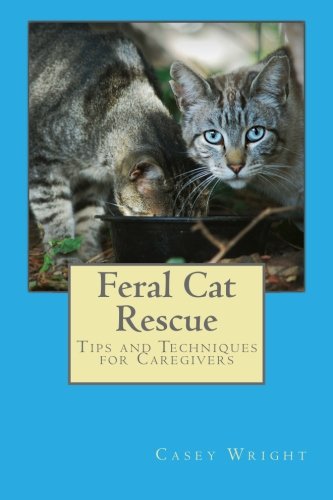
Feral Cat Rescue

The book Feral Cat Rescue: Tips and Techniques for Caregivers is ideal for individuals passionate about animal welfare, especially those involved in or considering taking on the responsibility of caring for feral cats. Whether you are a volunteer, a community caregiver, or someone looking to understand how to effectively support and manage feral cat populations, this guide offers practical advice tailored to your needs.
Pros:
- Provides concise and practical tips for feral cat care and rescue.
- Compact and easy-to-carry dimensions, making it convenient for field use.
- Authored by CreateSpace Independent Publishing Platform, ensuring focused content.
- Offers step-by-step techniques suitable for beginners and experienced caregivers alike.
- Includes a manageable 58 pages, allowing for quick yet comprehensive reading.
Cons:
- Limited to the first edition published in 2013, may lack the latest developments in feral cat care.
- Relatively brief length might not cover extensive veterinary or medical details.
This guidebook stands out due to its focused approach on the essentials of feral cat rescue, emphasizing practical, real-world techniques that caregivers can implement immediately. Its compact size (9.0 inches height by 6.0 inches width and 0.14 inches thickness) makes it an ideal companion for those working in the field or on-the-go. Users benefit from a clear, straightforward presentation that helps demystify the challenges of feral cat management.
The book’s structure and concise 58-page content enable caregivers to quickly grasp important concepts and apply them effectively, improving the welfare of feral cats under their care. By addressing both the needs of the cats and the caregivers, it fosters a compassionate and knowledgeable approach to rescue efforts, making it a valuable resource for the animal welfare community.
To buy this product, click here.
Frequently Asked Questions
What Is The Best Way To Trap Feral Cats Safely?
Using humane traps baited with food is the safest method. Check traps frequently to minimize stress. Avoid handling cats directly to prevent injury. Always wear protective gloves and keep the environment calm during trapping.
How Do I Provide Food For Feral Cats Effectively?
Feed feral cats at consistent times daily to build trust. Use dry or canned cat food, avoiding harmful human foods. Place food in a quiet, sheltered spot to protect cats from predators and weather.
What Shelter Options Work Best For Feral Cats?
Provide insulated, weatherproof shelters like plastic bins with straw bedding. Position shelters in quiet, hidden areas away from traffic. Ensure shelters are elevated to stay dry and safe from predators.
How Can I Safely Socialize A Feral Cat?
Start by offering food and gentle talking from a distance. Gradually reduce space to build trust over weeks or months. Use toys and treats to encourage interaction, but respect the cat’s boundaries.
Why Is Tnr Important For Feral Cat Populations?
Trap-Neuter-Return (TNR) controls population growth humanely. It reduces fighting, noise, and disease spread. Neutered cats live healthier, calmer lives. Returning cats to their territory maintains colony stability and prevents new cats from moving in.
How Do I Keep Feral Cats Healthy Long-term?
Regular feeding, shelter, and TNR are key health factors. Watch for signs of illness and contact a vet when needed. Maintain clean feeding and shelter areas to reduce disease risks. Provide fresh water daily.
Conclusion
Helping stray cats in Lubbock can change many lives. Both human and feline. Understanding their needs is crucial. Feral cat rescue involves patience and dedication. It requires learning about their habits and environment. Simple steps can make a big difference.
Feeding them regularly is essential. Providing shelters offers safety. Spaying or neutering controls their population. This prevents future litters. Working together makes the task easier. Volunteers and local organizations offer support. They share resources and experiences. Community involvement is key.
It brings people together for a common cause. Sharing knowledge can inspire others. Every small action counts. Even a tiny gesture helps. Feral cats deserve care and compassion. Their lives matter. By following these tips, you contribute to a better world.
For cats and humans alike. Together, we can create a safe environment for all. Let’s make Lubbock a caring place for every furry friend. A home for everyone.