Have you ever wondered which domestic cat breed grows to be the largest? If you think all house cats are small and delicate, think again.
Some cats can surprise you with their size and strength, becoming gentle giants in your home. Knowing about the largest domestic cat breed can help you decide if you’re ready for a big, lovable companion. Keep reading to discover which breed takes the crown and what makes them so special for you and your family.
Giant Cat Breeds
Some domestic cats grow much larger than average. These giant cat breeds are known for their size and friendly nature. They make great pets for those who want a big, gentle companion.
Let’s look at three popular giant cat breeds. Each has unique traits and a large build. Learn about the Maine Coon, Savannah Cat, and Norwegian Forest Cat.
Maine Coon
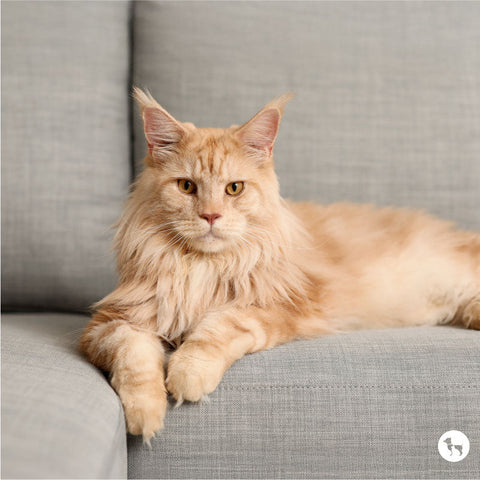
The Maine Coon is one of the largest domestic cat breeds. It has a long, thick coat and tufted ears. These cats can weigh up to 18 pounds or more.
- Friendly and social personality
- Strong and muscular body
- Thick fur protects from cold weather
- Large paws act like snowshoes
Savannah Cat
The Savannah Cat is a hybrid breed. It comes from crossing a domestic cat with a wild African serval. These cats are tall and slim but very large.
| Trait | Description |
| Height | Up to 17 inches at shoulder |
| Weight | Up to 25 pounds |
| Coat | Spotted with short fur |
| Activity | Very active and playful |
Norwegian Forest Cat
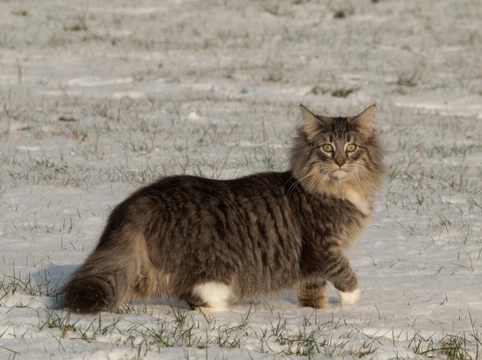
This breed is native to Norway. It has a thick, water-resistant coat and a strong body. The Norwegian Forest Cat is also quite large and built for cold climates.
Key features of the Norwegian Forest Cat include:
- Long, bushy tail
- Large almond-shaped eyes
- Strong climbing ability
- Weight ranges from 12 to 16 pounds
Credit: headsupfortails.com
Physical Traits
The largest domestic cat breed has unique physical traits. These traits make it stand out among other cats.
This breed shows strength and size that many cat lovers admire. Its look is both powerful and graceful.
Size And Weight
This breed is known for its large size. Males can grow very big compared to other domestic cats.
Adult males typically weigh between 15 to 25 pounds. Females are smaller but still quite heavy.
- Length can reach up to 40 inches including the tail
- Height at shoulder often measures 10 to 16 inches
- Strong, muscular body with broad chest
Coat And Color
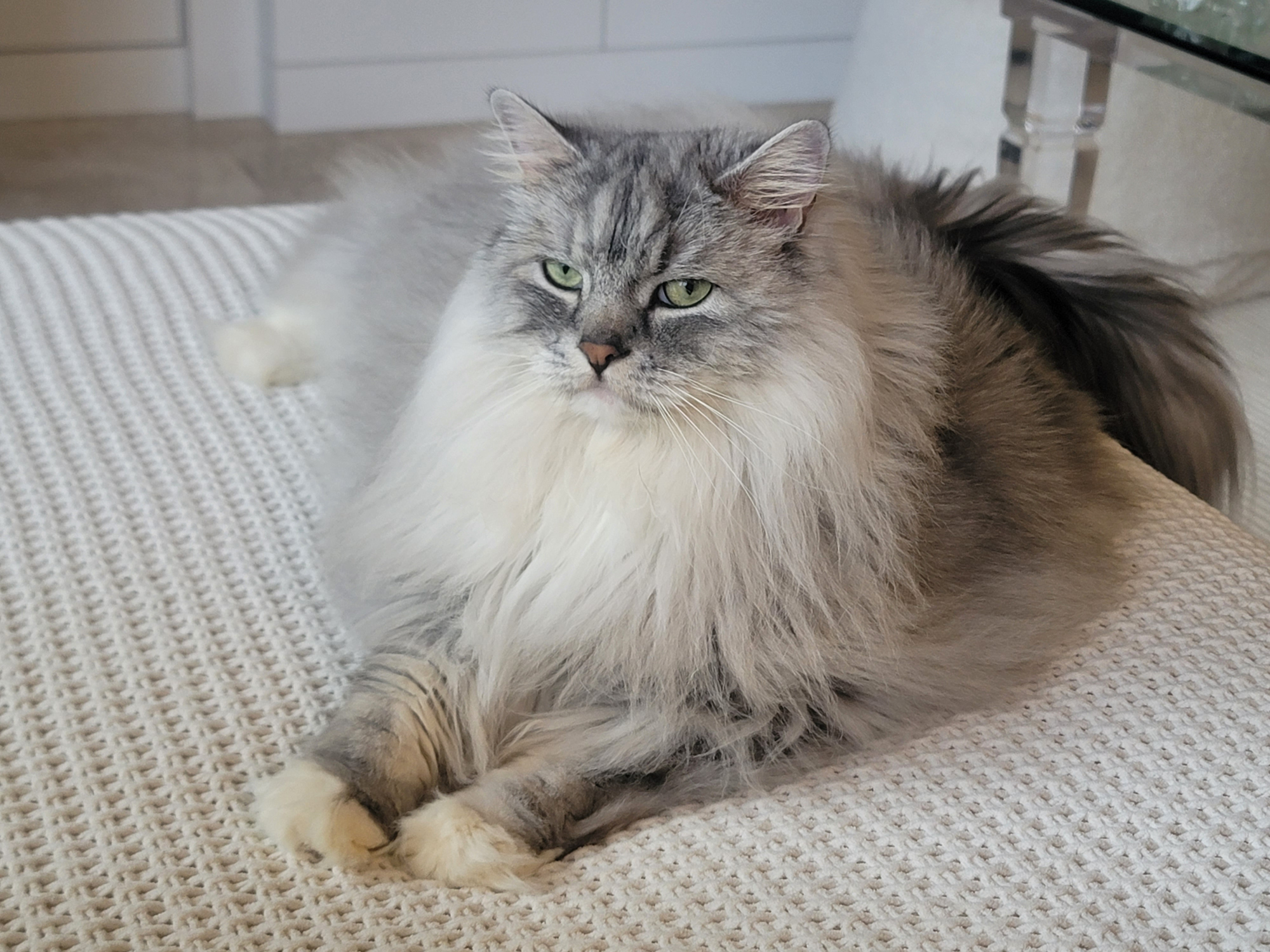
The coat of the largest domestic cat is thick and dense. It helps protect the cat in cooler climates.
Colors vary widely in this breed. Common colors include brown, black, silver, and cream.
- Coat patterns include tabby, solid, and spotted
- Fur length ranges from medium to long
- Coat often has a glossy, healthy shine
Distinctive Features
This breed has many features that make it unique. One is its large, tufted ears that look like a lynx.
The cat also has big paws with fur between the toes. This helps it walk on snow or rough ground.
- Strong jaw and large, expressive eyes
- Long, bushy tail for balance and warmth
- Tufts of hair on ears and cheeks
Personality And Behavior
The largest domestic cat breeds have unique personalities. Their behavior often reflects their size and breed traits. Understanding these traits helps in caring for them properly.
These cats are known for their gentle nature despite their large size. They are usually calm but can be playful.
Temperament
Large domestic cats tend to have a calm and friendly temperament. They are patient and often enjoy being around people. These cats rarely show aggression and are good with children.
Activity Levels
The activity level of the biggest cats varies by breed. Some are playful and energetic, while others prefer lounging and relaxing most of the day. They need enough space to move comfortably.
- Enjoy short bursts of play
- Need climbing areas or tall spaces
- Benefit from interactive toys
- Require regular exercise to stay healthy
- Often nap for many hours daily
Social Interaction
These large cats usually like social interaction. They form strong bonds with family members and other pets. They communicate with soft meows and body language.
| Social Trait | Description |
| Affectionate | Enjoy petting and cuddles |
| Friendly | Get along well with other animals |
| Vocal | Use gentle sounds to communicate |
| Independent | Can spend time alone without stress |
:format(jpeg):quality(75))
Credit: manypets.com
Care And Maintenance
The largest domestic cat breed needs special care to stay healthy and happy. Owners should know how to feed, groom, and watch for health issues.
Proper care helps these big cats live longer and enjoy a good quality of life.
Dietary Needs
Large domestic cats require a balanced diet rich in protein and nutrients. Their meals should support muscle growth and energy.
- Provide high-quality cat food with real meat
- Include wet food to keep them hydrated
- Feed multiple small meals daily
- Ensure constant access to fresh water
- Limit treats to avoid obesity
Grooming Tips
Regular grooming keeps the cat’s coat shiny and reduces shedding. Large cats may need extra brushing because of their thick fur.
| Grooming Task | Frequency | Purpose |
|---|---|---|
| Brushing | 3-4 times a week | Remove loose fur and prevent mats |
| Nail trimming | Every 2 weeks | Prevent overgrowth and injury |
| Ear cleaning | Once a month | Remove dirt and avoid infection |
| Bathing | Occasionally | Keep coat clean and fresh |
Health Considerations
Large cats can face health problems like joint pain and heart issues. Regular vet visits help catch problems early.
- Schedule yearly check-ups with a vet
- Watch for signs of arthritis or stiffness
- Maintain a healthy weight to reduce stress on joints
- Keep vaccinations up to date
- Monitor for unusual behavior or appetite changes
Choosing The Right Giant Cat
The largest domestic cat breed is a great choice for people who want a big, friendly pet. These cats are strong and need special care. Choosing the right giant cat means thinking about your home and lifestyle.
Not all big cats fit every family. You should know what to expect before bringing one home. This guide helps you decide if a giant cat is right for you.
Living Space Requirements
Giant cats need more space than smaller cats. They like to move around and stretch. A small apartment might feel crowded for them.
Make sure your home has enough room for a large cat to play and rest. Provide tall cat trees or wide beds for comfort.
- Large open areas for exercise
- Strong and big cat furniture
- Safe outdoor access is a plus
Compatibility With Families
Giant cats are usually gentle and good with kids. They enjoy attention but may need quiet time too. Families with young children should teach kids to be gentle.
These cats often get along with other pets if introduced slowly. They like social interaction but also value their space.
- Good with calm children
- Can live with other pets
- Needs respectful handling
Cost And Commitment
Giant cats cost more to care for than regular cats. They eat more food and need bigger litter boxes. Regular vet visits are important to keep them healthy.
These cats live many years and need daily attention. Owning a giant cat means a long-term promise to care for their needs.
- Higher food and supply costs
- Regular health check-ups
- Time for play and grooming
Credit: manypets.com
Frequently Asked Questions
What Is The Largest Domestic Cat Breed?
The Maine Coon is the largest domestic cat breed. Males can weigh up to 18 pounds or more. They have a muscular build, long fur, and tufted ears. Known for their friendly nature, Maine Coons are popular pets worldwide.
How Big Can A Maine Coon Cat Get?
Maine Coon cats can grow up to 40 inches long including their tail. Adult males often weigh between 13 to 18 pounds. Females are slightly smaller, weighing around 8 to 12 pounds. They are known for their impressive size and gentle temperament.
Are Maine Coons Bigger Than Regular Cats?
Yes, Maine Coons are significantly larger than regular domestic cats. Most domestic cats weigh between 8 to 10 pounds. Maine Coons can exceed this weight by almost double. Their large size and thick fur make them stand out among other breeds.
Why Are Maine Coons So Large Compared To Other Cats?
Maine Coons evolved in cold climates, which favored larger bodies. Their size helps retain heat and survive harsh winters. Selective breeding also enhanced their size over time. This breed’s size is a natural adaptation to its environment.
Conclusion
Exploring the largest domestic cat breeds is fascinating. These big cats, like the Maine Coon, captivate with their size and charm. Their friendly nature makes them wonderful companions. They fit into family life with ease. Owning a large cat breed can be rewarding and enjoyable.
Their presence brings joy and warmth to any home. Consider your lifestyle and space before adopting. These gentle giants need room to roam. Their care requires commitment and love. Experience the joy of sharing your life with these magnificent creatures.
They truly are a special part of the feline world.