
Are you thinking about bringing a cat into your home but feeling unsure which one is the perfect fit for you? Choosing the right cat isn’t just about looks—it’s about finding a furry friend who matches your lifestyle, personality, and needs.
Imagine waking up to a companion who truly understands you and fits seamlessly into your daily routine. You’ll discover key factors to consider that will help you pick the ideal cat, making your decision easier and more exciting. Ready to find out which kind of cat should be your next best friend?
Keep reading—you’re closer than you think to meeting your purrfect match.
Credit: bowwowinsurance.com.au
Choosing Your Cat
Picking the right cat means thinking about what fits your life. Cats have different needs and personalities.
Understanding your lifestyle helps you choose a cat that matches you well. This makes both of you happy.
Assessing Your Lifestyle
Look at your daily routine before getting a cat. Some cats need lots of attention and playtime.
If you work long hours or travel often, pick a cat that is more independent. This lowers stress for the cat.
- Active people might enjoy playful cats
- Quiet people may prefer calm cats
- Families often like friendly, social cats
Living Space Considerations
Your home size matters when choosing a cat. Some cats need more room to run and explore.
Small apartments suit cats that are happy indoors and relaxed. Larger homes can support active cats better.
- Small space: choose calm, indoor cats
- Large space: active cats can thrive
- Access to safe outdoor areas suits some cats
Time Commitment
Cats need daily care, feeding, and cleaning. Some breeds need more grooming and attention.
Think about how much time you can spend with a cat. This helps you pick one that fits your schedule.
- Short time: choose low-maintenance cats
- More time: playful cats need interaction
- Grooming needs vary by breed
Types Of Cats
Choosing the right cat means knowing about different types. Cats come in many shapes, sizes, and temperaments.
This guide covers three main types: Domestic Shorthair, Domestic Longhair, and Purebred Cats. Each has unique traits and care needs.
Domestic Shorthair Cats
Domestic Shorthairs are common house cats with short fur. They come in many colors and patterns. These cats are usually healthy and easy to care for.
- Short coat requires little grooming
- Often playful and friendly
- Good for families and first-time owners
- Strong and adaptable to different homes
Domestic Longhair Cats
Domestic Longhairs have thick, long fur that needs regular brushing. They are gentle and calm cats. Their luxurious coat makes them look very elegant.
| Care Needs | Temperament | Appearance |
| Daily brushing | Calm and affectionate | Long, fluffy fur |
| Check for mats in fur | Enjoy quiet homes | Varied colors and patterns |
| Regular nail trimming | May be shy | Large, expressive eyes |
Purebred Cats
Purebred cats come from specific breeds. Each breed has known traits and looks. They may need special care or grooming.
Common purebred cat breeds include:
- Siamese – Vocal and social
- Maine Coon – Large and friendly
- Persian – Calm with long fur
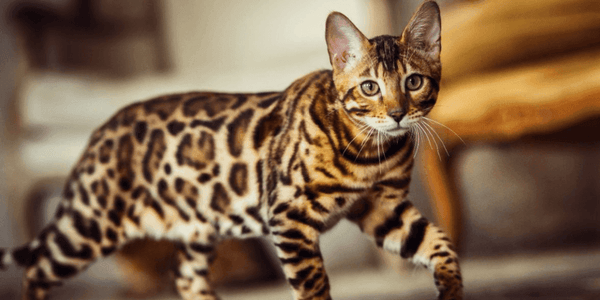
- Bengal – Active and spotted
Personality Traits
Choosing the right cat depends on their personality. Cats have many different traits.
Some cats are very active, while others like to relax. Knowing these traits helps you pick the best cat.
Active And Playful Cats
Active cats love to run and play all day. They need toys and space to burn energy.
These cats enjoy games and often seek attention from their owners.
- Like to chase toys and climb
- Require daily playtime
- Enjoy interactive games
- May be vocal and curious
Calm And Affectionate Cats
Calm cats prefer quiet environments. They often like sitting on laps and being petted.
These cats are gentle and enjoy close bonds with their owners.
- Enjoy cuddling and gentle petting
- Are usually quiet and relaxed
- Like peaceful places to nap
- Form strong emotional bonds
Independent Cats
Independent cats like spending time alone. They do not need constant attention.
These cats are low maintenance and happy by themselves most of the day.
- Enjoy alone time
- Do not demand much attention
- Are often quiet and reserved
- Can entertain themselves easily
Age And Temperament
Choosing the right cat depends on its age and personality. These factors affect how well the cat fits into your home.
Some cats need more attention, while others are calm and independent. Knowing this helps you pick the best companion.
Kittens Vs Adult Cats
Kittens are playful and curious. They need lots of care and training. Adult cats usually have set personalities. They are calmer and may need less supervision.
- Kittens require time for socializing and learning.
- Adult cats often come with known behavior traits.
- Kittens can adapt quickly to new homes.
- Adult cats may prefer quiet and stable environments.
- Kittens need vaccinations and early health checks.
Senior Cats And Special Needs
Older cats may have health issues or special needs. They are usually less active but very loving. Their care differs from younger cats.
| Age Group | Temperament | Care Needs |
| Senior Cats (7+ years) | Calm, affectionate | Regular vet visits, special diet |
| Special Needs Cats | Varies by condition | Extra medical care, patience |
Health Considerations
Choosing the right cat means thinking about its health needs. Different breeds have different health issues. Knowing these can help you care for your cat better.
Some cats may need special attention to avoid common illnesses. Others might have allergies or sensitivities to watch for. This guide covers important health points to consider.
Common Health Issues By Breed
Each breed has unique health problems. Some breeds get heart disease, others face joint problems. Early knowledge helps with prevention and treatment.
| Breed | Common Health Issues |
| Persian | Respiratory problems, kidney disease |
| Siamese | Dental issues, liver problems |
| Maine Coon | Hip dysplasia, heart disease |
| Bengal | Progressive retinal atrophy |
Allergies And Sensitivities
Some cats are allergic to certain foods or materials. These allergies can cause skin problems or digestive issues. Knowing your cat’s sensitivities helps keep it healthy.
- Watch for itching or redness on the skin
- Note any vomiting or diarrhea after meals
- Avoid foods with common allergens like fish or dairy
- Use gentle shampoos and avoid harsh chemicals
Consult your vet if you see allergy symptoms. They may suggest tests or special diets. Proper care improves your cat’s comfort and health.
Adoption Vs Buying
Choosing the right cat means deciding between adoption and buying. Both ways have benefits and things to think about.
Thinking carefully helps you find a cat that fits your home and heart.
Benefits Of Adoption
Adopting a cat saves a life and gives a home to an animal in need. Shelters have many cats that need love.
- Adoption fees are usually low and include vaccinations.
- Many shelter cats are already spayed or neutered.
- You help reduce pet overpopulation by adopting.
- Shelter staff can help match you with the right cat.
- Adopted cats often show gratitude and bond quickly.
Choosing A Reputable Breeder
Buying from a breeder means you can get a specific breed with known traits. It is important to pick a breeder who cares for their cats.
| What to Check | Why It Matters |
| Health clearances | Ensures cats are free from genetic diseases |
| Clean living environment | Shows good care and hygiene |
| Socialization | Cats are friendly and used to people |
| Breeder reputation | Positive reviews and references |
| Contract and support | Guarantees and advice after purchase |
Preparing Your Home
Getting ready for a new cat means making your home safe and comfy. This helps your cat feel happy and secure.
Start by gathering the things your cat will need and making sure your home is a good place for them to explore.
Essential Supplies
There are key items every cat needs. These supplies keep your cat healthy and entertained.
- Food and water bowls
- Cat food suited for their age and health
- Comfortable bed or blanket
- Litter box with appropriate litter
- Scratching post or pad
- Toys for play and exercise
- Grooming tools like brushes
Safe Environment Setup
Make your home secure by removing dangers and creating quiet spaces. This helps your cat adjust well.
| Hazard | How to Fix |
| Loose wires | Cover or hide them |
| Small objects | Keep out of reach |
| Open windows | Install secure screens |
| Toxic plants | Remove or place high |
| Cleaning chemicals | Store in locked cabinets |
Credit: rawznaturalpetfood.com
Credit: www.tippaws.com
Frequently Asked Questions
What Cat Breed Fits My Lifestyle Best?
Choosing a cat breed depends on your activity level and home environment. Active owners may prefer playful breeds like Abyssinians. Quiet homes suit calm breeds like Ragdolls. Consider grooming needs and temperament to match your lifestyle for a happy pet.
How Do I Choose A Cat By Temperament?
Temperament varies widely among cats. Some breeds are affectionate, while others are independent. Research breeds known for traits you want, like sociability or calmness. Meeting cats in person helps assess their personality before deciding.
Are Hypoallergenic Cats Good For Allergy Sufferers?
Hypoallergenic cats produce fewer allergens but no cat is fully allergen-free. Breeds like Siberians and Balinese are better for allergy sufferers. Spending time with a cat before adoption can test your allergy response effectively.
Should I Adopt A Kitten Or Adult Cat?
Kittens require more time and training but offer a longer companionship. Adult cats are often calmer and their personalities are clearer. Consider your time availability and preference for energy levels when choosing.
Conclusion
Choosing the right cat can be a rewarding experience. Think about your lifestyle and preferences. Consider the cat’s temperament, age, and care needs. Visit shelters or reputable breeders for options. Spend time with different cats to see who clicks. Remember, every cat has a unique personality.
A good match will bring joy and companionship. Your new furry friend will become part of your family. Enjoy the journey of finding the perfect cat. Embrace the love and laughter they bring. Cats are wonderful companions. Make your choice with care and kindness.