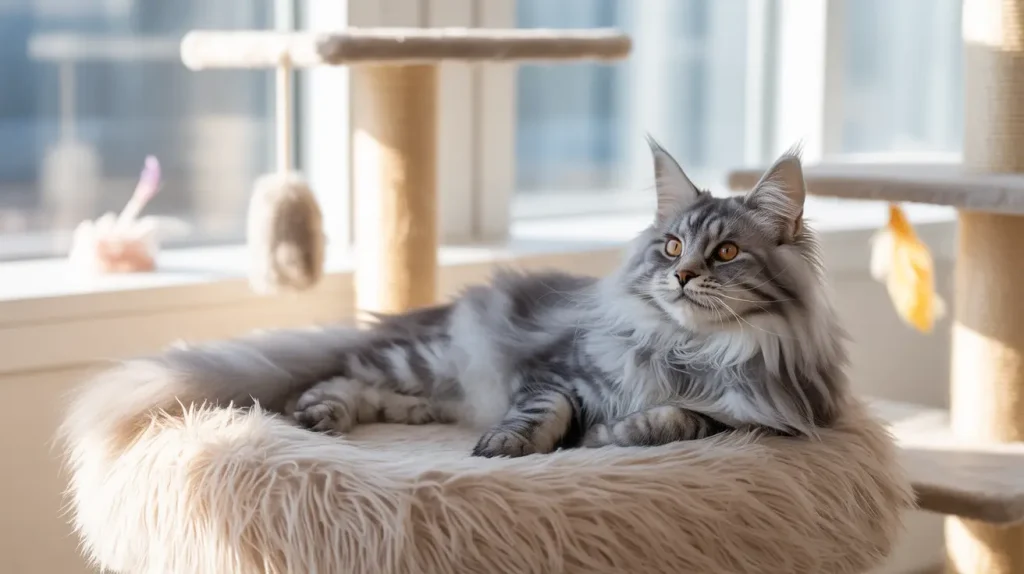
Are you passionate about cats and dreaming of turning that love into a rewarding career? Becoming a cat breeder might be the perfect path for you.
But where do you start? What do you really need to know to succeed? This guide will walk you through the essential steps to become a responsible and successful cat breeder. By the end, you’ll have clear answers and practical tips that can help you make informed decisions and build a future doing what you love.
Keep reading to discover how you can turn your passion into expertise.
Choosing Your Cat Breed
Picking the right cat breed is important for breeding success. Different breeds have unique needs and traits.
Understanding these traits helps you care for cats and raise healthy kittens.
Popular Cat Breeds For Breeding
Some cat breeds are easier to breed and care for. These breeds are popular among breeders.
- Siamese: Known for their striking blue eyes and vocal nature.
- Maine Coon: Large cats with thick fur and friendly personalities.
- Persian: Long-haired cats that require regular grooming.
- Bengal: Active cats with a wild, spotted look.
- Ragdoll: Gentle and calm, often called “puppy-like” cats.
Breed Characteristics To Consider
Each breed has traits that affect your breeding plans. Look at size, temperament, and health.
These traits help you prepare for the cat’s needs and avoid common problems.
- Size: Large breeds need more space and food.
- Temperament: Some cats are calm, others are very active.
- Grooming: Long-haired cats need frequent brushing.
- Health: Some breeds have genetic health issues to watch for.
Matching Breeds To Your Lifestyle
Choose a breed that fits your daily routine and home environment. This makes care easier.
Think about your time, space, and experience before selecting a breed.
- If you have little time, pick low-maintenance breeds.
- Active people may prefer playful and energetic cats.
- Small homes suit smaller or less active breeds.
- New breeders should start with friendly, healthy breeds.
Setting Up Your Breeding Space
Setting up a proper breeding space is important for healthy cats. A good space keeps cats safe and comfortable.
You need to prepare the area carefully before starting your breeding journey.
Creating A Safe Environment
Safety is the top priority in your breeding space. Avoid sharp objects and hazards that could hurt cats.
Use secure enclosures to keep cats safe. Make sure the area is quiet and free from loud noises.
- Remove toxic plants and chemicals
- Check for wires or small spaces cats can get stuck in
- Use soft bedding to prevent injuries
- Keep the space away from busy household areas
Essential Supplies And Equipment
You need certain supplies to care for cats well. These help make breeding easier and safer.
Get good quality items that fit your space size and number of cats.
- Separate litter boxes for each cat
- Food and water bowls that are easy to clean
- Cat carriers for safe transport
- Heating pads or lamps for newborn kittens
- Scratching posts and toys for mental health
Maintaining Cleanliness And Comfort
Cleanliness helps keep cats healthy and happy. Regular cleaning prevents disease and bad smells.
Make sure the space is warm, quiet, and cozy. Comfort helps cats relax and breed well.
- Change litter daily and clean boxes weekly
- Wash bedding often with pet-safe detergents
- Keep food and water bowls clean every day
- Check room temperature to avoid cold or heat stress
- Ventilate space to keep fresh air flowing
Health And Genetics
Health and genetics play a big role in cat breeding. Healthy cats with good genes make better parents.
Understanding these helps you breed strong kittens and avoid health problems.
Screening For Genetic Disorders
Screen cats for genetic disorders before breeding. This stops passing bad genes to kittens.
Tests find diseases like heart problems, kidney issues, and eye conditions.
- Ask your vet about common genetic tests
- Use DNA tests for breed-specific diseases
- Avoid breeding cats that carry harmful genes
Vaccinations And Veterinary Care
Keep breeding cats up to date with vaccines. This protects them and their kittens.
Regular vet visits help catch health problems early. This improves breeding success.
- Vaccinate against common cat diseases
- Schedule yearly health check-ups
- Follow vet advice for parasite control
Nutrition For Breeding Cats
Good nutrition keeps breeding cats healthy and strong. It supports pregnancy and milk production.
Feed high-quality food with the right balance of protein, fats, and vitamins.
- Choose food made for active or breeding cats
- Provide fresh water at all times
- Adjust food amounts during pregnancy and nursing
Breeding Process And Timing
Breeding cats requires understanding their natural cycles and timing. It involves careful planning to ensure healthy kittens. Knowing when and how to breed is key for success.
This guide covers the basics of cat reproductive cycles, choosing mates, and handling pregnancy. Follow these steps to manage the breeding process well.
Understanding Cat Reproductive Cycles
Cats are seasonal breeders. They go into heat several times a year. Each cycle lasts about a week. The female is fertile only during heat.
- Heat usually starts in spring and lasts until fall.
- A female cat may have multiple heat cycles if not pregnant.
- Signs include loud vocalizing and restlessness.
- The best time to breed is during peak fertility in heat.
Selecting Mating Pairs
Choose healthy cats with good temperaments for breeding. Consider genetics to avoid health problems. Pair cats that complement each other’s traits.
| Factor | What to Check | Reason |
| Health | Vaccinations, no diseases | Healthy parents mean healthy kittens |
| Age | Female: 1-6 years, Male: 1-7 years | Optimal fertility and safety |
| Genetics | No close relatives | Prevent hereditary issues |
| Temperament | Calm and social | Good behavior in kittens |
Managing Pregnancy And Birth
Pregnancy lasts about 63 to 65 days. Monitor the mother’s health closely. Provide a quiet, clean space for birth and care.
- Feed a high-quality diet to the pregnant cat.
- Watch for signs of labor as the date nears.
- Keep emergency vet contacts handy.
- Do not disturb the mother during delivery unless needed.
- Ensure kittens start nursing soon after birth.
Caring For Kittens
Caring for kittens is a key part of becoming a cat breeder. Kittens need special attention to grow healthy and strong.
Good care helps kittens develop well and builds a strong bond with humans early on.
Neonatal Care Essentials
Newborn kittens need warmth, cleanliness, and feeding every two to three hours. Their mother usually provides this care.
If the mother cannot care for them, you must keep kittens warm and feed kitten formula with a bottle.
- Keep kittens in a warm, draft-free area
- Use a heating pad set on low under a blanket
- Feed kitten milk replacement every 2-3 hours
- Clean kittens gently with a warm, damp cloth
- Check their weight daily to ensure growth
Socializing And Handling
Start handling kittens carefully after the first week. This helps them get used to human touch and voices.
Gentle interaction makes kittens friendlier and less scared of people as they grow.
- Hold kittens softly for short periods daily
- Let them hear normal household sounds
- Introduce new people slowly and calmly
- Play gently with toys to encourage movement
- Avoid rough or loud handling
Weaning And Early Nutrition
Weaning starts at about four weeks old. Begin by offering soft, wet kitten food mixed with water or formula.
Gradually reduce milk feeding as kittens learn to eat solid food on their own.
- Offer softened kitten food in shallow dishes
- Encourage kittens to lick and nibble food
- Keep fresh water available at all times
- Feed small amounts several times a day
- Watch for signs of digestive upset or refusal

Credit: www.pastelragdolls.com
Marketing And Selling Kittens
Marketing and selling kittens is an important part of being a cat breeder. You need to find good homes for your kittens and share your love for the breed.
It takes effort to build trust with buyers and set fair prices. This helps your breeding business grow with a good reputation.
Building A Reputation
Having a strong reputation helps you sell kittens more easily. Be honest and open about your cats’ health and history.
Show your knowledge about the breed and care you provide. Share photos and stories about your cats to connect with buyers.
- Keep health records for all cats and kittens
- Provide clear and truthful information to buyers
- Respond quickly to questions and concerns
- Ask for reviews from happy buyers
Finding Responsible Buyers
Look for buyers who will care well for your kittens. Ask about their home and experience with cats before selling.
Make sure buyers understand the needs of the breed. Provide advice on feeding, grooming, and health care.
- Ask for references or past pet ownership details
- Check if the buyer can provide a safe home
- Explain the importance of spaying or neutering
- Keep in touch after the sale for support
Pricing And Legal Considerations
Set prices that cover your costs and reflect your kittens’ quality. Research local prices to stay competitive.
Follow laws about pet sales and breeding in your area. This includes health checks and contracts for buyers.
- Include vaccination and health check costs
- Use a sales contract to protect both sides
- Check local rules for animal breeding and sales
- Keep records of all sales and buyer information
Ethical Breeding Practices
Becoming a cat breeder means caring for cats responsibly. Ethical breeding helps keep cats healthy and happy.
It is important to follow good practices that protect cats and their well-being.
Avoiding Overbreeding
Overbreeding can harm cats and cause health problems. Breeders should limit the number of litters per cat.
Giving cats time to rest between litters keeps them strong and healthy.
- Breed only healthy cats with good traits
- Do not breed cats too often
- Keep a clear record of breeding dates
- Focus on quality, not quantity
Promoting Cat Welfare
Cat welfare means providing good food, shelter, and care. Breeders must ensure cats live in safe environments.
Cats should get regular vet visits and enough social time with people and other cats.
- Feed cats nutritious food daily
- Keep living areas clean and spacious
- Provide toys and activities to reduce stress
- Handle cats gently and respectfully
- Watch for signs of illness or discomfort
Staying Informed On Regulations
Breeders must know and follow local laws about cat breeding. These rules protect animals and buyers.
Keep up to date with changes in regulations to avoid fines or legal problems.
- Check government websites for breeding rules
- Register your breeding business if required
- Follow vaccination and health check guidelines
- Keep accurate records for all cats
- Join breeder associations for support and updates

Credit: www.purrfectlyfold.com
Continuous Learning And Networking
Becoming a successful cat breeder takes more than just love for cats. You need to keep learning and meet others in the field. This helps you grow and improve your breeding skills.
Networking lets you share knowledge and get support. It also opens doors to new opportunities in breeding cats.
Joining Breeder Associations
Breeder associations offer many benefits. They provide education, resources, and a community of breeders. Joining one helps you stay connected and informed.
Associations often have rules to keep breeding ethical and healthy. Being a member shows you follow good practices.
- Access to breeding guides and health information
- Opportunities to participate in breeding programs
- Support from experienced breeders
- Recognition and credibility in the breeding world
Attending Cat Shows And Events
Cat shows are great places to learn and network. You can see different breeds and meet judges and breeders. This helps you understand breed standards better.
Events also let you share your cats and learn about others’ experiences. You can ask questions and get advice in person.
- Meet breeders from around the country or world
- Watch judging to learn breed standards
- Attend workshops and seminars
- Show your cats and get feedback
Keeping Up With Industry Trends
The cat breeding world changes over time. New health research, breeding techniques, and rules appear. Staying updated helps you breed healthy cats.
You can read magazines, follow newsletters, and join online groups. This keeps you informed about the latest news and ideas.
- Subscribe to cat breeding magazines
- Join online forums and social media groups
- Attend webinars and training sessions
- Follow research on cat health and genetics

Credit: www.purrfectlyfold.com
Frequently Asked Questions
What Skills Do I Need To Become A Cat Breeder?
You need knowledge of cat genetics, health care, and breeding ethics. Good communication and record-keeping skills are essential. Patience and dedication ensure successful breeding and healthy kittens.
How Do I Start A Cat Breeding Business Legally?
Register your business and get necessary licenses. Follow local animal welfare laws strictly. Maintain proper documentation of breeding activities and sales. Consult a vet and legal expert to comply with regulations.
What Breeds Are Best For Beginner Cat Breeders?
Choose breeds with stable health and temperaments like Siamese or Maine Coon. Avoid rare or high-maintenance breeds initially. Research breed-specific care to ensure responsible breeding and happy cats.
How Do I Care For Breeding Cats And Kittens?
Provide balanced nutrition, regular vet checkups, and a clean environment. Monitor the health of mother cats and kittens closely. Socialize kittens early to ensure good behavior and development.
Conclusion
Becoming a cat breeder requires commitment and love for animals. Start by understanding cat genetics and breed standards. Build a supportive network with experienced breeders. Ensure you provide a safe, healthy environment for your cats. Education is key—attend workshops and read relevant literature.
Be patient, as breeding is a learning journey. Always prioritize the well-being of your cats. Their health and happiness should come first. Stay informed and adapt to new practices. Breeding cats can be rewarding with dedication and care. Enjoy the journey and cherish every moment with your furry friends.