
Have you ever looked at a cat and wondered, “What type of cat is this?” You’re not alone. Cats come in so many shapes, sizes, and colors that it’s easy to feel confused.
But knowing your cat’s type can help you understand its behavior, needs, and personality better. You’ll discover simple ways to identify different cat types and learn what makes each one special. Ready to become a cat expert? Let’s get started!
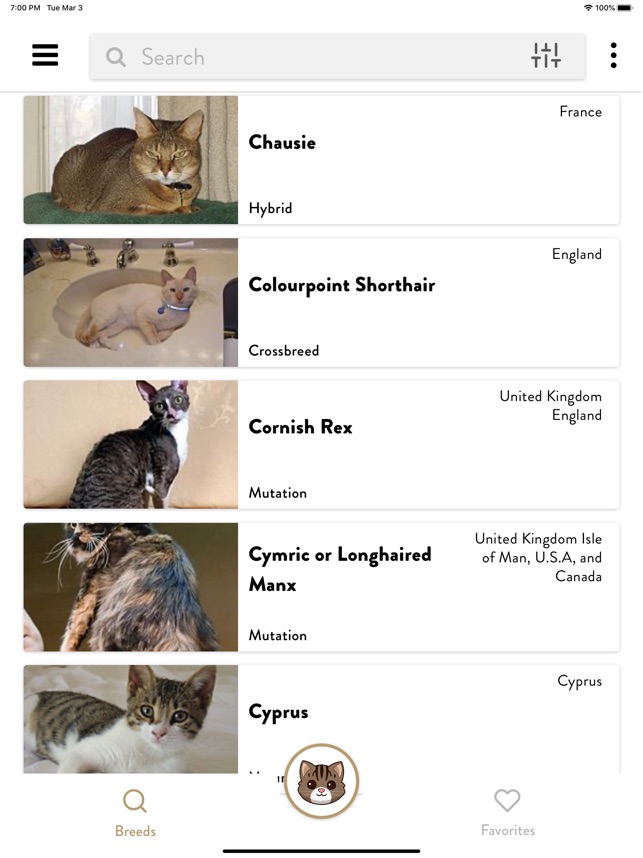
Credit: apps.apple.com
Common Cat Breeds
Cats come in many breeds with different looks and personalities. Knowing the breed helps to care for them better.
This guide shows popular cat types based on their fur and other features. You will learn about short-haired, long-haired, and hairless cats.
Short-haired Breeds
Short-haired cats have sleek coats that are easy to care for. They often shed less and need less grooming.
- American Shorthair:A friendly and adaptable breed with a strong body.
- Bengal:Known for its wild look and energetic nature.
- British Shorthair:Round face with dense fur and calm personality.
- Siamese:Sleek body, blue eyes, and a talkative nature.
Long-haired Breeds
Long-haired cats have thick fur that can be very soft. They need regular brushing to avoid mats and tangles.
| Breed | Fur Type | Personality |
| Maine Coon | Thick and shaggy | Gentle and playful |
| Persian | Long and silky | Calm and quiet |
| Ragdoll | Soft and medium-long | Affectionate and relaxed |
| Norwegian Forest Cat | Dense and water-resistant | Independent and friendly |
Hairless Varieties
Hairless cats have very little or no fur. They feel warm to touch and need skin care to stay healthy.
- Sphynx – Known for wrinkled skin and big ears.
- Peterbald – Sleek body with a friendly attitude.
- Don Sphynx – A natural hairless breed from Russia.
Key Physical Traits
Identifying a cat’s breed often starts by looking at its physical traits. These traits help tell one type of cat from another.
We focus on three main features: coat patterns and colors, eye shapes and colors, and body size and shape.
Coat Patterns And Colors
Cat coats come in many patterns and colors. Each pattern can give clues about the cat’s breed.
Common patterns include solid, striped, spotted, and patched. Colors range from black and white to orange and gray.
- Solid: One color all over
- Tabby: Stripes or swirls
- Spotted: Dots across the coat
- Calico: Patches of three colors
- Tortoiseshell: Mixed black and orange
Eye Shapes And Colors
Cat eyes differ in shape and color. These features also help identify the cat type.
Eyes can be round, almond-shaped, or slightly slanted. Eye color varies from blue to green to gold.
- Round eyes: Common in many breeds
- Almond-shaped: Sleek and narrow
- Slanted eyes: Slight tilt upwards
- Blue eyes: Often seen in Siamese cats
- Green eyes: Common in many cats
- Gold or amber: Warm and rich tone
Body Size And Shape
Cats come in different sizes and shapes. Some are small and slender, others are large and muscular.
Body shape can be long and lean or compact and round. Size and build give clues about the breed.
- Small and delicate: Light bones and thin legs
- Medium build: Balanced shape and size
- Large and muscular: Strong with broad chest
- Long body: Slim and stretched out
- Compact body: Shorter and rounder
Behavior Clues
Understanding a cat’s behavior helps identify its type. Each breed shows unique habits.
Watching how a cat acts gives clues about its personality and background.
Activity Levels
Some cats are very active and playful. Others prefer resting and quiet time.
High energy cats like to climb, chase toys, and explore often.
- Active cats need more exercise and playtime
- Calm cats enjoy lounging and gentle petting
- Activity can hint at breed traits
Social Tendencies
Some cats love being around people and other pets. Others prefer alone time.
Friendly cats often seek attention and follow owners around the house.
- Social cats enjoy company and play with others
- Shy cats may hide or stay quiet in new places
- Social behavior shows how a cat adapts to families
Vocalization Styles
Some cats talk a lot with meows and purrs. Others are quiet and calm.
Loud cats use sounds to share feelings or get attention.
- Chatty cats may demand food or playtime
- Quiet cats express comfort with soft purring
- Vocal habits help identify cat personality
Using Technology For Id
Technology helps us identify cat breeds quickly and easily. It gives pet owners tools to learn about their cats’ backgrounds.
Two popular ways to identify cats are apps and websites, and DNA testing kits. Each method offers unique benefits for cat lovers.
Apps And Websites
Many apps and websites let you upload cat photos to identify breeds. They use image recognition and databases to match features.
- Upload a clear photo of your cat
- Receive possible breed matches with descriptions
- Learn about breed traits and care tips
- Access community forums for advice
These tools are fast and easy to use. They work well for common breeds but may struggle with mixed or rare cats.
Dna Testing Kits
DNA kits provide detailed information about a cat’s breed and health. Owners collect a sample using a swab and send it to a lab.
| Feature | Apps and Websites | DNA Testing Kits |
| Accuracy | Good for common breeds | High, includes mixed breeds |
| Cost | Free or low cost | Moderate to high |
| Time | Instant results | Several days to weeks |
| Additional Info | Breed traits and photos | Health risks and ancestry |
Tips For Accurate Identification
Knowing what type of cat you are looking at can be tricky. Many cats share similar colors and shapes. You need to watch closely and use good methods to identify them right.
This guide offers simple tips to help you recognize different cat types with more confidence and accuracy.
Observing In Different Settings
Watching a cat in many places helps you see its true behavior and looks. Cats may act different at home, outside, or in a shelter.
- Look at the cat in bright light to see colors well.
- Notice how the cat moves in open spaces and tight spots.
- Observe the cat’s face and tail for unique markings.
- See how the cat reacts to people and other animals.
Consulting Experts
Talking to people who know cats well can clear up doubts. Experts can spot details you might miss.
| Expert | How They Help |
| Veterinarian | Identifies breed and health signs |
| Animal Shelter Worker | Shares info on common local cats |
| Cat Breeder | Knows breed traits and history |
| Online Cat Forums | Offers advice and photo comparisons |
Recording Details
Writing down or taking photos of what you see helps keep track of important details. This makes it easier to compare cats later.
- Note the cat’s size, color, and patterns.
- Take clear photos from different angles.
- Write down any special behaviors or sounds.
- Keep track of the places and times you see the cat.
Credit: ooopenlab.cc
Credit: www.pets4homes.co.uk
Frequently Asked Questions
What Cat Breeds Are Most Popular?
The most popular cat breeds include the Persian, Maine Coon, and Bengal. Each breed has unique characteristics and temperaments. Persians are known for their long fur and calm nature, while Maine Coons are large and sociable. Bengals are active and have a wild appearance.
How To Identify A Cat Breed?
Identifying a cat breed involves examining physical features and personality. Look at fur length, ear shape, and eye color. Behavioral traits like playfulness or independence can also give clues. Compare these features with breed standards or consult a veterinarian for assistance.
What Is The Rarest Cat Breed?
The Sokoke cat is considered one of the rarest breeds. Originating from Kenya, it’s known for its unique coat pattern and wild appearance. Their population is limited, making them a rare find in the pet world. Sokokes are active, friendly, and enjoy climbing.
Can Mixed-breed Cats Be Identified?
Mixed-breed cats can be challenging to identify due to varied characteristics. They may inherit traits from multiple breeds. Observing physical features and behavior can help, but DNA testing offers more accurate results. Mixed-breed cats often have unique personalities and appearances.
Conclusion
Identifying a cat’s type helps you understand its behavior and needs. Each cat breed has unique traits and care tips. Knowing these details makes pet care easier and more fun. Cats bring joy and comfort in many ways. Pay attention to their features and personality.
This knowledge strengthens your bond with your furry friend. Keep learning about cats to enjoy their company even more. Every cat is special in its own way.