
Have you ever wondered what makes big cats so fascinating? These powerful and graceful animals capture our imagination like no other.
But what exactly is a big cat? Understanding this can change the way you see the wild and even your connection to nature. You’ll discover the secrets behind big cats, their unique traits, and why they matter more than you might think.
Keep reading, and you’ll unlock surprising facts that will stick with you long after.
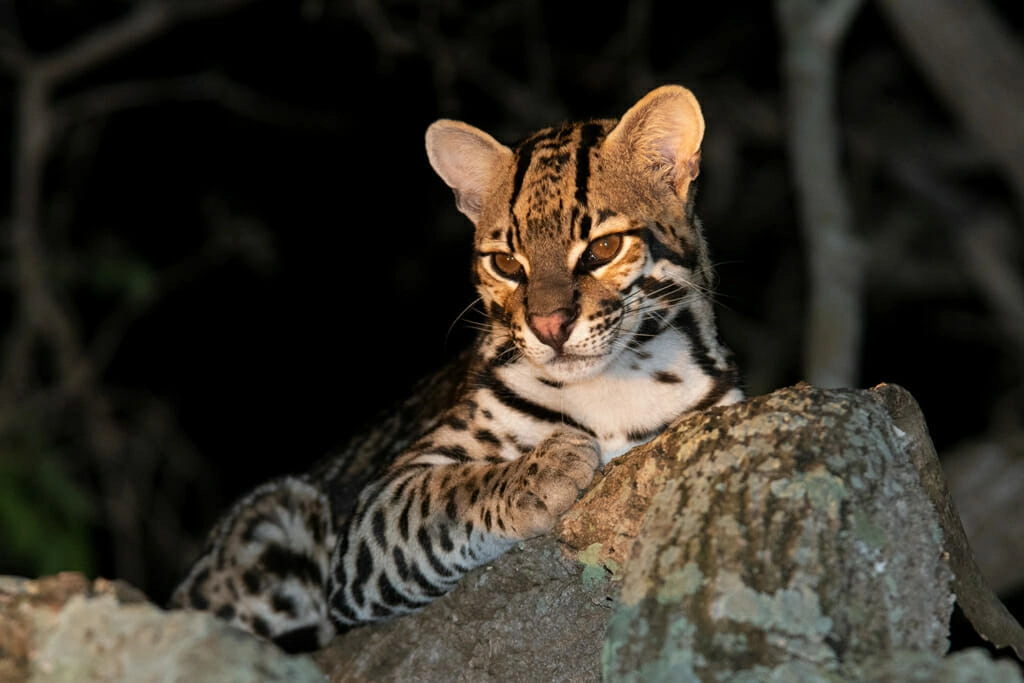
Credit: www.thewildlifediaries.com
Big Cat Species
Big cats are large, powerful wild cats found in many parts of the world. They belong to the Panthera genus and others. These animals play important roles in their ecosystems.
Each big cat species has unique features and habits. They are strong hunters and often top predators in their habitats. Let’s explore some well-known big cats.
Lions
Lions live mostly in Africa and a small part of India. They live in groups called prides. Male lions have a thick mane, which makes them easy to recognize.
Tigers
Tigers are the largest of the big cats. They have orange fur with black stripes. Tigers live mostly in Asia, in forests and grasslands. They are solitary hunters.
Leopards
Leopards have spotted coats that help them hide in trees and bushes. They are very good climbers. Leopards live in Africa and parts of Asia. They hunt at night.
Jaguars
Jaguars live mainly in Central and South America. They have a strong bite and swim well. Their spotted fur helps them blend into the jungle.
Snow Leopards
Snow leopards live in cold mountains of Central Asia. They have thick fur and long tails. These cats are shy and hard to find in the wild.
Cheetahs
Cheetahs are the fastest land animals. They can run very fast but only for short distances. Cheetahs have slim bodies and black tear marks on their faces.
| Species | Habitat | Special Trait |
| Lions | Africa, India | Live in groups called prides |
| Tigers | Asia | Largest big cat species |
| Leopards | Africa, Asia | Excellent climbers |
| Jaguars | Central and South America | Strongest bite force |
| Snow Leopards | Central Asia mountains | Thick fur for cold |
| Cheetahs | Africa | Fastest land animal |
Physical Traits
Big cats are large wild cats known for their power and beauty. Their physical traits help them survive in the wild.
These traits include size, fur patterns, and special senses that make them great hunters.
Size And Strength
Big cats have strong muscles and large bodies. They use their size to catch prey and defend themselves.
- Tigers can weigh up to 670 pounds.
- Lions have a strong jaw and sharp claws.
- Leopards are smaller but very powerful for their size.
- Jaguars have the strongest bite among big cats.
Fur Patterns
Each big cat has a unique fur pattern. These patterns help them blend into their environment.
| Big Cat | Fur Pattern | Purpose |
|---|---|---|
| Tiger | Orange with black stripes | Camouflage in tall grass |
| Lion | Light brown or tan | Blend in dry savannas |
| Leopard | Spotted rosettes | Hide in forest shadows |
| Jaguar | Spotted with rosettes and dots | Conceal in dense jungle |
Sensory Adaptations
Big cats have sharp senses to hunt well. Their eyes, ears, and nose work together for success.
- Vision:Big cats see well in low light to spot prey at night.
- Hearing:Their ears can rotate to catch faint sounds.
- Smell:A strong sense of smell helps find food and detect danger.
Hunting Techniques
Big cats use smart hunting methods to catch their prey. They rely on their skills and body power. Each technique helps them survive in the wild.
Understanding these methods shows how big cats adapt to their environment. Their hunting style varies by species and prey type.
Stalking And Ambush
Big cats often use stalking to get close to their prey without being seen. They move slowly and quietly through grass or bushes. When near enough, they use a quick ambush to catch the prey.
- Move low to the ground to stay hidden
- Pause and watch for prey movements
- Wait for the right moment to attack
Speed And Agility
Big cats depend on speed and agility to catch fast prey. They can run very fast in short bursts. Their sharp reflexes help them change direction quickly during a chase.
| Big Cat | Top Speed (mph) | Agility Skill |
| Cheetah | 60-70 | Very High |
| Lion | 50 | High |
| Leopard | 36 | Very High |
Teamwork In Lions
Lions hunt in groups called prides. They use teamwork to surround and trap prey. Each lion has a role during the hunt to increase success.
- Some lions chase prey to drive it towards others
- Others hide near water or paths to block escape
- They communicate quietly to coordinate the attack
Habitats And Distribution
Big cats live in many parts of the world. They choose places that help them hunt and stay safe.
Different big cats prefer different homes. Their habitats depend on the climate and food available.
Savannahs And Grasslands
Savannahs and grasslands are wide open spaces with tall grasses. Lions mainly live in these areas.
These habitats provide good cover for hunting. Big cats can spot prey from far away here.
- Found mostly in Africa
- Warm climate with dry and wet seasons
- Open space with scattered trees and bushes
Rainforests
Rainforests are dense and wet forests. Jaguars and leopards live in these thick woods.
The thick trees help big cats hide while they hunt. Rainforests have many animals to eat.
- Found in South America, Africa, and Asia
- High rainfall and humidity
- Dense tree cover and rich plant life
Mountains And Snowy Regions
Some big cats live in cold mountains and snowy lands. Snow leopards are found here.
These cats have thick fur to stay warm. Rocky areas help them hide and hunt well.
- Found in Central and South Asia
- Cold climate with snow in winter
- Steep slopes and rocky terrain
Behavior And Social Life
Big cats show many behaviors that help them survive in the wild. Their social life can differ depending on the species. Some live alone, while others form groups.
Understanding their behavior helps us learn how they communicate, mark territory, and interact with others.
Territorial Marking
Big cats use marks to claim their space. They leave scents from glands on trees and rocks. Scratching the ground or bark also shows their presence.
- Scent marking with urine or gland secretions
- Scratching trees with claws
- Leaving visible marks on the ground
Communication Methods
Big cats use sounds, smells, and body language to communicate. They growl or roar to warn others or show strength. Facial expressions and tail movements tell moods.
| Method | Purpose |
| Roaring | Territory defense and warning |
| Growling | Threat or anger |
| Body posture | Show dominance or submission |
| Scent marking | Claim territory |
Solitary Vs Social Species
Most big cats live alone to avoid fights. They hunt and rest by themselves. Lions are an exception and live in groups called prides.
- Solitary species: Tigers, leopards, jaguars
- Social species: Lions
- Solitary cats mark territory to avoid others
- Social cats cooperate in hunting and raising young
Conservation Challenges
Big cats face many dangers that make their survival hard. Protecting them is a big task worldwide.
We must understand the main threats to help save these powerful animals.
Habitat Loss
Big cats lose their homes as forests and grasslands shrink. Farming and cities spread into wild areas.
- Deforestation for timber and agriculture
- Urban expansion and road building
- Mining and land clearing
- Climate change affecting ecosystems
Poaching Threats
Poachers kill big cats for their fur, bones, and other parts. Illegal trade drives this threat.
| Poached Item | Use |
| Fur | Clothing and decoration |
| Bones | Traditional medicine |
| Claws and Teeth | Jewelry and trophies |
| Live Cubs | Pet trade |
Human-wildlife Conflict
Big cats sometimes attack livestock. People then harm or kill these animals in return.
Common conflict causes:
- Livestock grazing near wild habitats
- Big cats hunting farm animals
- Retaliation by farmers and herders
- Loss of natural prey for big cats
Efforts To Protect Big Cats
Big cats like lions, tigers, and leopards face many dangers. Protecting them helps keep nature balanced. People work hard to save these animals and their homes.
Different groups use many methods to protect big cats. These include safe places, stopping illegal hunting, and working with local people.
Wildlife Reserves
Wildlife reserves are safe areas where big cats can live without threats. These parks have rules to keep animals safe and food available.
- Reserves stop human activities like farming and logging.
- They provide protected spaces for breeding and hunting.
- Many reserves have rangers to watch over the animals.
Anti-poaching Initiatives
Poaching means illegal hunting of big cats for skins or body parts. Many groups work to stop this crime with strong actions.
| Method | Description |
| Patrol Teams | Rangers search for poachers and protect animals |
| Surveillance | Use cameras and drones to monitor habitats |
| Legal Actions | Catch and punish poachers with laws |
| Education | Teach communities about harm caused by poaching |
Community Engagement
Local people help protect big cats by joining conservation efforts. They learn how to live safely near these animals.
- Communities get training to protect wildlife.
- They help report illegal activities.
- Some join eco-tourism to earn money without harming animals.
- Local schools teach children about big cat protection.
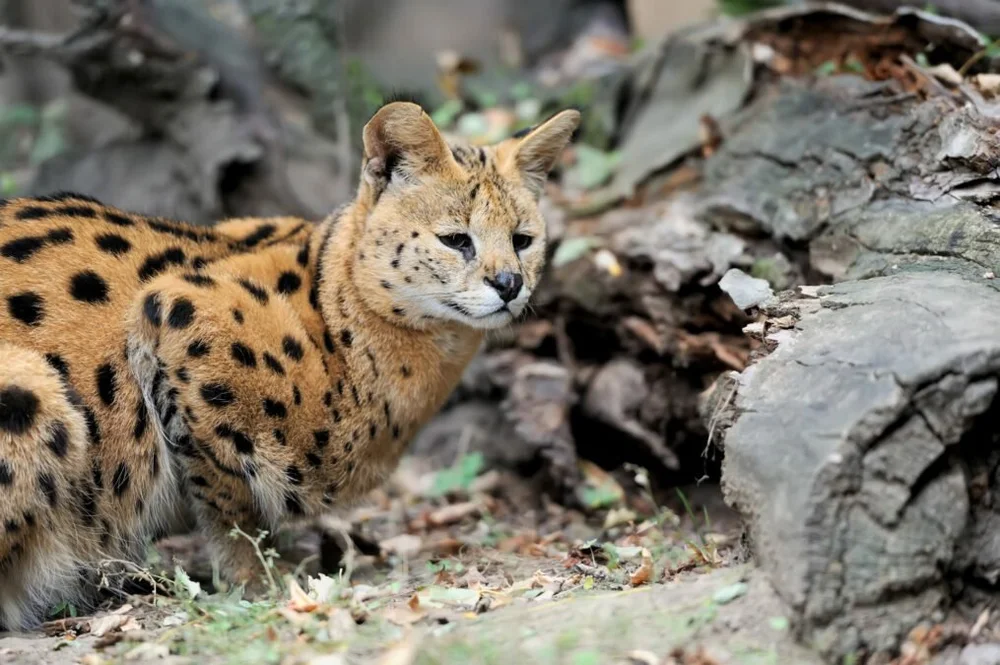
Credit: bigcatrescue.org
Big Cats In Culture
Big cats like lions, tigers, and leopards have a strong place in human culture. They appear in stories, art, and traditions worldwide.
People admire big cats for their strength and beauty. These animals often symbolize power and mystery.
Mythology And Symbolism
Big cats appear in many myths and legends. They often represent courage, protection, and leadership.
For example, lions are symbols of kings and gods in many cultures. Tigers are seen as fierce and brave in Asian stories.
- Lion: Symbol of royalty and strength
- Tiger: Represents power and bravery
- Leopard: Often linked to agility and stealth
Big Cats In Media
Big cats are popular in movies, books, and cartoons. They often play roles as heroes or villains.
These animals help tell stories about nature and survival. They also teach lessons about respect and fear.
- Movies show big cats in wild or fantasy settings
- Books use big cats to symbolize strength or danger
- Cartoons often give them human traits for fun
Role In Ecotourism
Big cats attract tourists to natural parks and reserves. People want to see these animals in the wild.
Ecotourism helps protect big cats and their habitats. It also supports local communities by creating jobs.
- Tourists visit to watch lions, tigers, and leopards
- Money from tourism funds conservation efforts
- Local guides share knowledge about big cats

Credit: www.montereyzoo.org
Frequently Asked Questions
What Defines A Big Cat In The Animal Kingdom?
Big cats are large wild felines belonging to the Panthera genus. They typically weigh over 40 kilograms. Examples include lions, tigers, leopards, and jaguars. These cats are apex predators with powerful builds and sharp retractable claws. Their roar distinguishes them from smaller cats.
Which Species Are Classified As Big Cats?
The primary big cat species are lions, tigers, leopards, jaguars, and snow leopards. Each species inhabits different regions worldwide. They share traits like strength, agility, and solitary hunting habits. These cats play crucial roles in their ecosystems as top predators.
Why Are Big Cats Important For Ecosystems?
Big cats regulate prey populations, maintaining ecological balance. They prevent overgrazing by controlling herbivore numbers. This supports plant diversity and healthy habitats. Their presence indicates a thriving ecosystem. Protecting big cats helps conserve biodiversity and natural resources.
How Do Big Cats Differ From Small Cats?
Big cats have larger bodies, stronger muscles, and a roar ability. Small cats are generally solitary and vocalize with meows or purrs. Big cats hunt larger prey using stealth and power. Their social structures vary; lions live in prides, while others are solitary.
Conclusion
Big cats capture our imagination with their grace and strength. Each species has unique features and habitats. They play vital roles in ecosystems, maintaining balance. Conservation efforts are crucial to protect these majestic creatures. Their survival depends on reducing threats like habitat loss.
Appreciate their beauty and importance in nature. Learn and support initiatives to help them thrive. Every small action counts in preserving their future. Understanding big cats connects us to nature’s wonders. Let’s cherish and safeguard these incredible animals for generations to come.