Are you curious about the biggest cats you can welcome into your home? If you love felines but want a pet that stands out because of its size, you’re in the right place.
Knowing which domestic cat breeds grow the largest can help you find a furry friend that matches your style and space. Keep reading to discover the gentle giants of the cat world—these breeds will surprise you with their size and charm.
Your perfect big cat companion might be just a few paragraphs away!
Credit: www.pets4homes.co.uk
Top Giant Cat Breeds
Many cat lovers are fascinated by large domestic cats. These giant breeds have unique looks and friendly personalities.
This post explores some of the largest domestic cat breeds you can find. Each breed has distinct features and traits.
Maine Coon
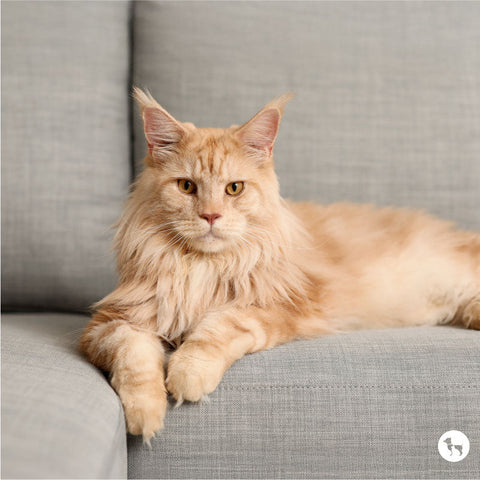
The Maine Coon is one of the largest and oldest cat breeds in North America. They have long, thick fur and tufted ears.
Maine Coons are gentle and social. They enjoy being around people and other pets.
Savannah Cat
Savannah cats are a hybrid breed, a mix of domestic cats and wild servals. They have a tall, lean body and spotted coat.
- Very active and playful
- Require a lot of exercise
- Known for their loyalty to owners
- Can jump very high
Norwegian Forest Cat
This breed is native to Norway. It has a dense, water-resistant coat and a strong, muscular body.
| Trait | Description |
| Size | Large and sturdy |
| Coat | Thick and long |
| Personality | Friendly and intelligent |
| Activity | Loves climbing and exploring |
Ragdoll
Ragdolls are large cats with striking blue eyes and soft fur. They often go limp when held, which is how they got their name.
They are calm, gentle, and enjoy spending time with their owners.
Chausie
Chausies are a mix of domestic cats and wild jungle cats. They have long legs and a lean, muscular build.
Key Facts about Chausie:
- Very energetic and curious
- Needs plenty of playtime
- Has a short, dense coat
- Can be shy around strangers

Credit: headsupfortails.com
Physical Traits Of Giant Cats
Large domestic cat breeds are known for their impressive size and strong bodies. These giant cats often have unique features that make them stand out from smaller breeds.
Understanding their physical traits helps in caring for them properly. Let’s explore their size, coat, and special features.
Size And Weight
Giant cats are much bigger than average house cats. They have long bodies and heavy bones. Their weight can be two or three times more than a normal cat.
Some giant breeds can weigh up to 20 pounds or more. They also have a large muscle mass which makes them strong and sturdy.
- Length ranges from 18 to 40 inches
- Weight usually between 15 and 25 pounds
- Strong and muscular build
Coat And Color Patterns
Giant cats have thick coats that keep them warm. Their fur can be short or long depending on the breed. Many have striking color patterns that make them look wild.
Common coat colors include tabby, solid, and spotted patterns. Some giant cats have a glossy and soft texture to their fur.
- Thick and dense fur
- Variety of colors: brown, black, cream, gray
- Patterns: spotted, striped, solid
Distinctive Features
Giant cats have unique features that set them apart. Their ears are often large and tufted. Some have broad heads and strong jaws. Their paws are big with thick pads.
These features help them look majestic and give them better balance and grip. Their eyes are usually large and expressive.
- Large, tufted ears
- Broad heads with strong jaws
- Big paws with thick pads
- Large, bright eyes
Temperament And Personality
Large domestic cat breeds often have unique temperaments and personalities. Understanding these traits helps owners build strong bonds with their cats. These cats are known for being gentle giants in many homes.
Temperament varies by breed but many large cats share calm and friendly behavior. Their personality influences how they interact with people and other pets.
Social Behavior
Large cat breeds tend to be social and enjoy human company. They often seek attention and like to be part of family activities. These cats can be playful but also appreciate quiet time.
- Maine Coon cats are known for their friendly nature and love of people.
- Siberian cats enjoy socializing and often get along well with other pets.
- Ragdolls are gentle and tend to follow their owners around the house.
Activity Levels
Most large cat breeds have moderate activity levels. They enjoy playtime but do not require intense exercise. These cats like interactive toys and exploring their environment.
| Breed | Typical Activity Level |
|---|---|
| Maine Coon | Moderate, playful but calm indoors |
| Siberian | Active and agile, enjoys climbing |
| Ragdoll | Low to moderate, prefers relaxed play |
Compatibility With Families
Large domestic cats are often great with families. Their patient nature suits children and other pets. They tend to adapt well to busy households but also enjoy calm moments.
Key points about family compatibility:
- These cats are usually gentle with kids.
- They often accept dogs and other cats.
- Large breeds thrive with regular interaction.
- Many enjoy being lap cats and cuddle often.
Care Tips For Large Cats
Large domestic cats need special care to stay healthy and happy. Their size affects their diet, exercise, and grooming.
Understanding these needs helps owners provide the best care for big cats like Maine Coons and Ragdolls.
Diet And Nutrition
Large cats require more calories but also balanced nutrition. Protein is important to support their muscle mass.
Feeding them high-quality cat food with the right vitamins keeps them strong and healthy.
- Choose food rich in animal protein
- Include wet and dry food for variety
- Feed measured portions to avoid obesity
- Provide fresh water at all times
Exercise Needs
Large cats need daily exercise to stay fit. Playtime helps prevent weight gain and boredom.
Use toys and climbing structures to encourage movement and mental activity.
- Set aside time for interactive play
- Use feather wands or laser pointers
- Provide cat trees or shelves for climbing
- Rotate toys to keep interest high
Grooming Requirements
Large cats often have thick fur that needs regular grooming. Brushing prevents mats and reduces shedding.
Check their claws and trim them if needed to avoid scratches and damage.
- Brush at least twice a week
- Use combs for thick or long fur
- Trim nails every few weeks
- Watch for skin problems or lumps
Choosing The Right Giant Cat
Large domestic cat breeds need special care and space. Picking the right giant cat means thinking about your home and lifestyle.
These cats can be friendly and loving but also need room to move and proper attention. Learn what to consider before bringing one home.
Living Space Considerations
Big cats need more space than small ones. They like to climb, run, and explore.
If you live in a small apartment, a giant cat might feel cramped. Make sure you have enough room for their activity.
- Provide tall cat trees or shelves for climbing
- Keep play areas open and safe
- Large litter boxes are needed
Allergy Factors
Some people are allergic to cats. Giant breeds may shed more fur and dander.
Check if you or family members have allergies before choosing a large cat. Some breeds cause fewer allergy problems.
- Maine Coons often shed but are friendly
- Siberians may be better for mild allergies
- Regular grooming reduces allergens
Budget And Commitment
Big cats cost more to care for than small cats. Food, toys, and vet visits add up.
They also live long and need daily attention. Be ready to spend time and money for many years.
- Buy large-sized food and supplies
- Plan for regular vet check-ups
- Offer daily play and affection
Credit: headsupfortails.com
Frequently Asked Questions
What Are The Largest Domestic Cat Breeds?
The largest domestic cat breeds include the Maine Coon, Savannah, and Ragdoll. These cats can weigh over 15 pounds and have long, muscular bodies.
How Big Do Maine Coon Cats Get?
Maine Coons can grow up to 40 inches long and weigh between 13 to 18 pounds. They are one of the biggest domestic cat breeds.
Are Savannah Cats Bigger Than Regular Cats?
Yes, Savannah cats are larger than most domestic cats. They can weigh 12 to 25 pounds and have a tall, lean build.
Which Domestic Cat Breed Is The Heaviest?
The Maine Coon is often the heaviest domestic cat breed, with some males weighing up to 25 pounds. They are large and sturdy.
Conclusion
Exploring large cat breeds is exciting. These cats offer unique traits. Maine Coons and Ragdolls are gentle giants. They bring joy with their friendly nature. Savannahs stand out with their exotic look. Each breed has charm and appeal. Choosing the right cat means considering your lifestyle.
Love and care are essential for these majestic pets. Learning about their needs helps build a strong bond. Consider size, personality, and grooming needs. With the right match, a cat can be a lifelong companion. Enjoy the journey of finding your perfect furry friend.