
Have you ever wondered what makes a cat truly large? You might think it’s just about weight or size, but there’s more to it than that.
Understanding what is considered a large cat can change how you see these fascinating creatures. Whether you’re a cat lover, a pet owner, or simply curious, this guide will help you discover the surprising facts behind big cats. Keep reading, and you’ll learn what sets large cats apart and why they capture our attention like no other animals.
Big Cat Classification
Big cats are some of the most powerful animals on Earth. They belong to the cat family but differ in size and strength from smaller cats.
This guide explains what makes a cat a “big cat” by looking at their features, scientific traits, and common species.
Characteristics Of Big Cats
Big cats share many physical traits that help them survive in the wild. They are larger than domestic cats and have strong muscles.
- Powerful jaws and sharp teeth for hunting
- Retractable claws to catch prey
- Large size, often over 100 pounds
- Thick fur for protection
- Keen eyesight and hearing
Scientific Criteria
Scientists classify big cats by their genus and species. Most big cats belong to the genus Panthera.
| Genus | Species | Common Name |
| Panthera | tigris | Tiger |
| Panthera | leo | Lion |
| Panthera | uncia | Snow Leopard |
| Panthera | pardus | Leopard |
| Panthera | onca | Jaguar |
| Acinonyx | jubatus | Cheetah |
Big cats can roar due to a special ligament in their voice box. Cheetahs cannot roar but are still considered big cats.
Popular Species
Some big cats are well known around the world. Each species lives in different habitats and has unique behaviors.
- Lion:Lives in Africa and parts of Asia. Known for living in groups called prides.
- Tiger:Found in Asia’s forests. Largest of all big cats.
- Leopard:Very adaptable, found in Africa and Asia. Good climbers.
- Jaguar:Lives in the Americas. Strong swimmers.
- Cheetah:Fastest land animal. Lives in open grasslands.
- Snow Leopard:Lives in mountain ranges of Central Asia. Thick fur keeps it warm.

Credit: worldanimalfoundation.org
Physical Traits Of Large Felines
Large cats are powerful animals found in many parts of the world. Their physical traits help them survive in the wild.
Understanding these traits gives insight into how these animals hunt and live.
Size And Weight Range
Large felines vary in size and weight depending on the species. Some can weigh over 500 pounds.
| Species | Average Weight (lbs) | Average Length (ft) |
| Tiger | 220 – 670 | 8 – 10 |
| Lion | 330 – 570 | 8 – 10 |
| Leopard | 66 – 176 | 4.25 – 6.25 |
| Jaguar | 100 – 250 | 5 – 6 |
Distinctive Features
Large cats have features that make them unique. Their fur patterns help with camouflage.
- Strong muscular bodies
- Sharp retractable claws
- Powerful jaws and teeth
- Keen eyesight and hearing
- Whiskers for sensing surroundings
Adaptations For Hunting
These cats have special traits that help them catch prey. Speed and stealth are key.
Key Hunting Adaptations
- Silent padded paws for quiet movement
- Strong hind legs for quick sprints
- Sharp claws to grip and hold prey
- Night vision for hunting in the dark
- Flexible spine for agility and balance
Habitat And Distribution
Large cats live in many different places around the world. Their homes vary from forests to grasslands and mountains. Each species prefers certain types of environments.
Understanding where these big cats live helps us protect them better. It also shows how changes in their homes affect their survival.
Natural Environments
Large cats often live in areas with plenty of cover for hunting. These include dense forests, open savannas, and rocky hills. Water sources nearby are also important for their survival.
- Tropical rainforests
- Grasslands and savannas
- Mountainous regions
- Desert edges with sparse vegetation
- Swampy wetlands
Geographical Range
Large cats live on many continents. Some are found in Asia, others in Africa or the Americas. Their range depends on climate and food availability.
| Species | Continent | Typical Habitat |
| Tiger | Asia | Forests and grasslands |
| Lion | Africa | Savannas and open woodlands |
| Jaguar | Americas | Rainforests and river areas |
| Leopard | Africa and Asia | Forests and mountains |
| Snow Leopard | Asia | High mountain ranges |
Impact Of Habitat Loss
Habitat loss harms large cats by reducing their space to live and hunt. This loss comes from farming, cities, and roads. It also breaks habitats into small parts.
- Less food available
- Increased conflicts with humans
- Lower chances to find mates
- Higher risk of extinction
Behavior And Social Structure
Large cats are powerful animals with unique behaviors. Their social life helps them survive in the wild.
Understanding their hunting, territory, and social habits shows how they live and interact.
Hunting Techniques
Large cats use stealth and strength to catch prey. They often hunt alone to avoid competition.
They wait quietly and then attack with speed and power. Some use teamwork in special cases.
- Stalking prey quietly before the attack
- Using strong muscles for a quick chase
- Attacking from behind or the side
- Some hunt in pairs or small groups
Territoriality
Large cats protect their home areas from others. They mark their territory with scent marks and scratches.
Territories can be big or small depending on the cat and the food available. They avoid fights by respecting boundaries.
- Marking territory with urine and scent glands
- Scratching trees or ground to show presence
- Chasing away intruders to protect food
- Keeping enough space to reduce conflicts
Social Interactions
Most large cats live alone but meet others to mate or raise young. Mothers care for their cubs until they grow.
Some species, like lions, live in groups called prides. These groups help with hunting and protection.
- Solitary cats meet to mate and raise cubs
- Mothers teach cubs how to hunt and survive
- Lions live in prides with strong social bonds
- Groups share hunting and defend territory together
Conservation Status
Large cats face many challenges in the wild. Their numbers have dropped due to human and natural threats. Protecting these animals is important for the balance of nature.
This section explains threats to big cats, efforts to save them, and how wildlife reserves help.
Threats To Big Cats
Big cats are in danger because of many reasons. Loss of habitat, hunting, and conflicts with people are the main threats. These dangers reduce their numbers quickly.
- Habitat loss due to farming and cities
- Poaching for fur and body parts
- Conflicts with farmers protecting livestock
- Illegal wildlife trade
- Climate change affecting prey and homes
Conservation Efforts
Many groups work hard to save big cats. They create laws to stop hunting and protect natural areas. Education helps people understand the importance of big cats.
- Anti-poaching patrols to catch hunters
- Creating protected parks and forests
- Breeding programs in zoos
- Community education and involvement
- Research to track and study big cats
Role Of Wildlife Reserves
Wildlife reserves give big cats safe places to live. These areas have rules that stop hunting and protect habitats. Reserves also help balance the ecosystem for prey and predators.
| Reserve Name | Country | Main Species Protected | Area (sq km) |
| Serengeti National Park | Tanzania | Lion, Leopard, Cheetah | 14,750 |
| Kruger National Park | South Africa | Lion, Leopard | 19,485 |
| Ranthambore National Park | India | Tiger | 1,334 |
| Yellowstone National Park | USA | Cougar | 8,983 |
Credit: worldanimalfoundation.org
Famous Large Felines
Large cats are some of the most powerful and majestic animals on Earth. They belong to the big cat family known as the Panthera genus.
This group includes lions, tigers, leopards, jaguars, and some other notable species. These cats are known for their strength, size, and hunting skills.
Lions And Tigers
Lions are famous for their social behavior and live in groups called prides. Male lions have a large mane that makes them look bigger.
Tigers are the largest of all big cats. They have stripes that help them hide in the forest. Tigers are strong swimmers and hunters.
- Lions weigh between 330 to 550 pounds.
- Tigers can weigh up to 670 pounds.
- Both are apex predators in their habitats.
Leopards And Jaguars
Leopards are known for their spotted coats and climbing skills. They live in Africa and parts of Asia. Leopards are very adaptable.
Jaguars live mainly in South America. They have a powerful bite and can swim well. Their rosette-shaped spots help with camouflage.
- Leopards weigh 66 to 176 pounds.
- Jaguars weigh 100 to 250 pounds.
- Both are solitary hunters.
Other Notable Species
Besides the main big cats, some other large felines include the snow leopard and the cougar. Snow leopards live in cold mountains.
Cougars, also called mountain lions, are found in North and South America. They are strong and fast hunters but smaller than lions and tigers.
- Snow leopards weigh 60 to 120 pounds.
- Cougars weigh 64 to 220 pounds.
- Both are excellent climbers and hunters.
Big Cats In Culture
Large cats have fascinated humans for centuries. They appear in many cultures and stories worldwide.
People admire their strength, beauty, and mystery. This respect shapes how big cats appear in myths, media, and education.
Symbolism And Mythology
Big cats often symbolize power, courage, and protection in myths. Different cultures see them as gods or spirit guides.
- Lions represent royalty and bravery in many African and European stories.
- Tigers are symbols of strength and will in Asian cultures.
- Leopards often stand for agility and stealth in African folklore.
- Jaguars hold sacred meaning in Central and South American myths.
Representation In Media
Big cats appear in books, movies, and art. They often play roles as heroes or villains.
| Media Type | Example | Role of Big Cat |
| Movies | The Lion King | Lion as a wise king |
| Books | The Jungle Book | Panther as a protector |
| Art | Ancient Egyptian murals | Cats as gods |
| Video Games | Shadow of the Colossus | Big cats as powerful creatures |
Ecotourism And Education
Ecotourism helps people learn about big cats in the wild. It supports conservation and local communities.
- Guided wildlife tours to see big cats safely
- Workshops about big cat behavior and habitats
- Fundraising for habitat protection
- Programs to reduce human-wildlife conflict

Credit: worldanimalfoundation.org
Frequently Asked Questions
What Defines A Large Cat Breed?
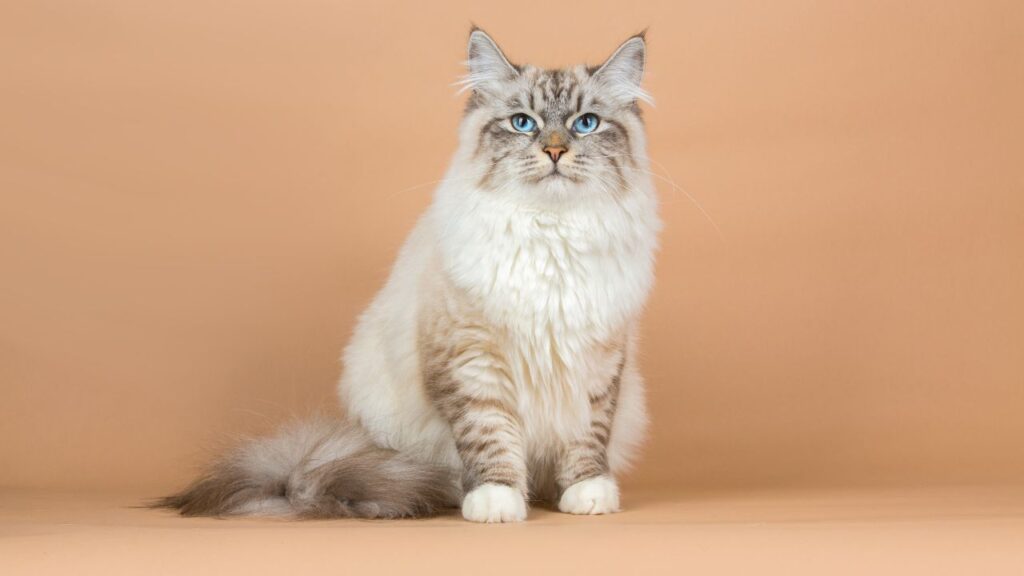
A large cat breed is typically defined by its size and weight. Cats like the Maine Coon and Siberian can weigh between 15 to 25 pounds. These cats often have long, muscular bodies and a commanding presence. Their larger size makes them distinct from average domestic cats.
Which Are The Largest Domesticated Cat Breeds?
The largest domesticated cat breeds include the Maine Coon, Ragdoll, and Savannah. Maine Coons are renowned for their size, with some weighing over 20 pounds. Ragdolls are large and affectionate, often reaching 15 to 20 pounds. Savannahs, a hybrid breed, can also grow quite large.
How Does A Cat’s Size Affect Its Care Needs?
Larger cats may require more space and exercise. They might need bigger litter boxes and more food. Their increased size can lead to joint issues, necessitating regular vet check-ups. Owners should ensure these cats have climbing structures and toys to support their active lifestyle.
Do Large Cats Have Different Dietary Requirements?
Large cats may need more food than smaller cats. They require a balanced diet rich in protein to support their size and energy levels. Portion control is essential to avoid obesity. It’s best to consult a vet for specific dietary recommendations tailored to your cat’s needs.
Conclusion
Large cats are fascinating animals with unique traits and sizes. They often weigh more than smaller cats and live in the wild. Knowing what makes a cat “large” helps us understand these creatures better. Size, weight, and hunting skills all play a part.
Many people admire large cats for their strength and beauty. Respecting their space and learning about them keeps both humans and cats safe. Large cats truly show the power and grace of nature’s design.