
Have you ever looked at your cat and wondered, “What kind of cat do I really have?” Knowing your cat’s breed or type can help you understand their behavior, health needs, and personality better. But with so many different cats out there, it’s not always easy to tell.
Don’t worry—you’re about to discover simple and effective ways to figure out exactly what kind of cat you have. Keep reading, and you’ll be surprised at how easy it is to unlock the mystery of your furry friend.
Identifying Cat Breeds
Knowing your cat’s breed helps you understand their needs and personality. Many cats look similar, so it can be hard to tell breeds apart.
This guide will help you spot differences by looking at traits, physical features, and behavior. You can learn to identify common cat breeds.
Common Cat Breeds And Traits
Some cat breeds are popular and easy to recognize. Each breed has unique traits like fur type, size, and personality.
- Siamese:Slim body, blue eyes, short cream-colored fur with dark points on ears, face, paws, and tail.
- Maine Coon:Large size, long thick fur, bushy tail, and tufted ears.
- Persian:Round face, flat nose, long dense fur, calm nature.
- Bengal:Spotted or marbled coat, muscular build, very active.
- Ragdoll:Large, blue eyes, semi-long fur, relaxed and friendly.
Physical Characteristics To Observe
Look closely at your cat’s size, fur, eyes, and ears. These features give clues about its breed.
- Fur Length:Short, medium, or long hair.
- Fur Pattern:Solid, striped, spotted, or patched.
- Eye Color:Blue, green, amber, or mixed.
- Ear Shape:Pointed, rounded, tufted, or folded.
- Body Size:Small, medium, or large build.
For example, folded ears suggest a Scottish Fold breed. Long fur with a flat face points to a Persian cat.
Behavioral Clues
Cats behave differently based on their breed. Watching how your cat acts can help identify its breed.
- Activity Level:Some breeds are very active and playful, like Bengals.
- Social Nature:Ragdolls are usually friendly and enjoy being held.
- Vocalization:Siamese cats often meow loudly to get attention.
- Hunting Instinct:Some cats, like Maine Coons, love to stalk and chase toys.
Not all cats fit breed traits perfectly. Mixed breeds can show many behaviors and looks.

Credit: thelittlecarnivore.com
Using Cat Dna Testing
Many cat owners wonder about their pet’s breed and traits. Cat DNA testing helps answer these questions. It uses a small sample from your cat to learn about its breed and health.
This method is simple and can give clear results. It helps you understand your cat better and care for it properly.
How Dna Tests Work
DNA tests look at your cat’s genes. You collect a cheek swab or a small fur sample. The lab checks the sample for markers that show breed and health traits. Then, they send you a report with the findings.
Popular Dna Test Kits
- Basepaws: Known for a large breed database and health screening.
- Wisdom Panel: Offers breed and genetic health reports.
- Orivet: Focuses on breed, traits, and disease risks.
These kits are easy to use. They come with clear instructions and prepaid mailers for sending samples back.
Interpreting Results
| Result Type | What It Means |
| Breed Mix | Shows the combination of breeds in your cat. |
| Health Risks | Identifies genetic conditions your cat may have. |
| Traits | Explains features like coat color or behavior. |
Read the report carefully. Some terms may need a quick search to understand. Use the information to help your vet care for your cat.
Consulting Veterinarians And Experts
Knowing what kind of cat you have can be tricky. Many cats look alike, but experts can help you learn more about your pet.
Veterinarians and cat behaviorists have the knowledge to identify cat breeds and traits. They can give you clear answers.
Benefits Of Professional Opinions
Veterinarians and experts offer accurate information about your cat. They use experience and tools to spot breed features.
They also help identify health needs and behavior patterns linked to certain breeds. This helps you care for your cat better.
- Get precise breed identification
- Learn about breed-specific health care
- Understand your cat’s behavior and needs
- Receive advice on proper diet and exercise
What To Ask Your Vet
Prepare questions before you visit the vet. This helps you get the most useful information about your cat.
- What breed or mix do you think my cat is?
- Are there any health concerns linked to this breed?
- What kind of diet suits my cat best?
- Does my cat’s behavior match its breed traits?
- Can you recommend any tests to confirm the breed?
Your vet can also guide you to other experts if needed. Always share any unusual behavior or health issues.
Finding A Cat Behaviorist
Cat behaviorists study how cats act. They help identify breed behaviors and solve behavior problems.
Look for certified behaviorists with experience in cats. They can explain your cat’s actions based on breed traits.
- Ask your vet for recommendations
- Search online for certified cat behaviorists
- Check reviews and client feedback
- Confirm their experience with your cat’s breed
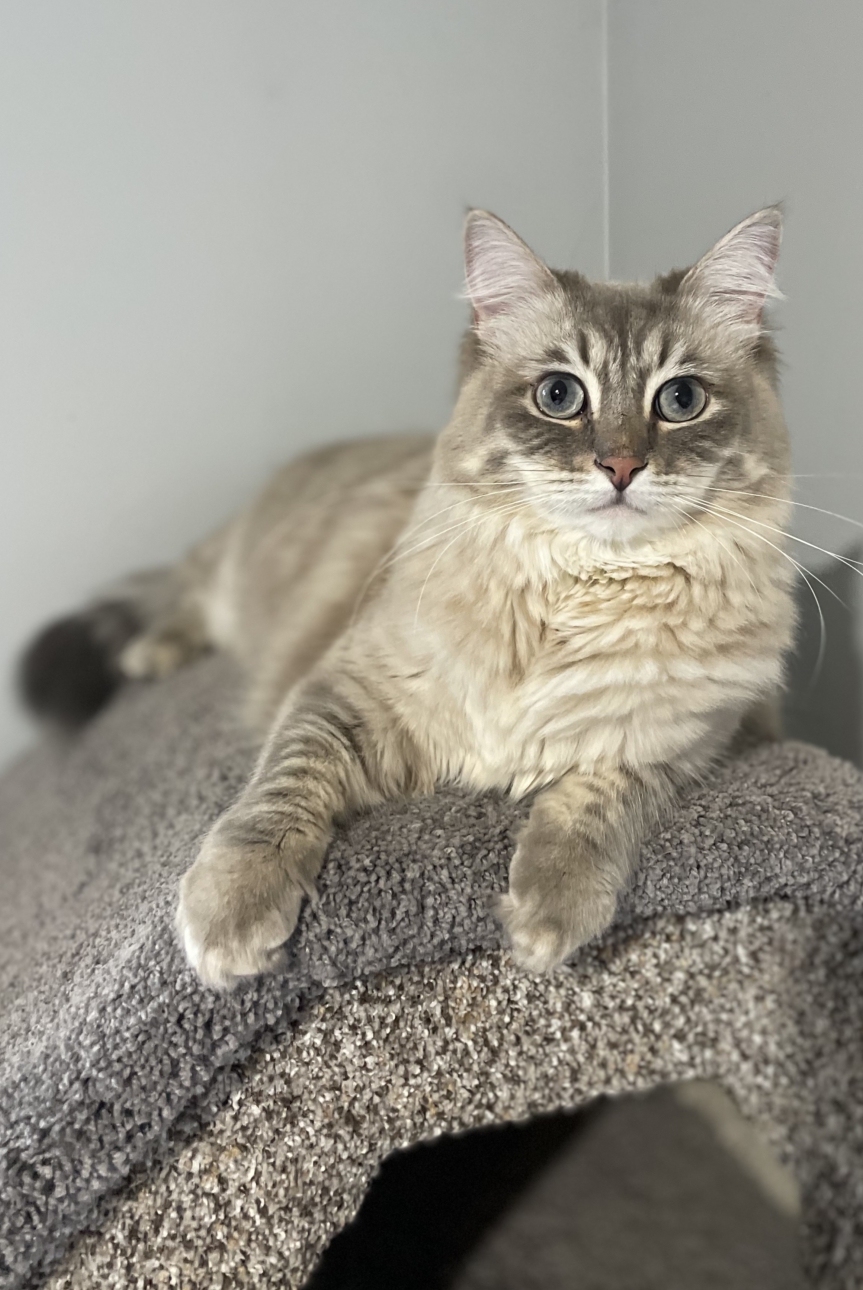
Credit: purebredcatrescue.org
Tracking Your Cat’s History
Knowing your cat’s past helps understand its behavior and health. Tracking your cat’s history can give clues about its breed and needs.
This guide covers ways to find information from adoption records, previous owners, and rescue groups.
Adoption Records And Background
Adoption centers keep detailed records about cats they place. These records often include the cat’s age, breed, and health history.
- Check the adoption application and contract.
- Ask for veterinary records and vaccination history.
- Request any notes on the cat’s behavior or habits.
- Look for microchip information if available.
Previous Owners And Breeders
Contacting previous owners or breeders can provide key details. They may know about the cat’s lineage and care routine.
| Information Type | Details to Ask |
| Breed or Mix | Purebred or mixed breed details |
| Health History | Vaccinations, illnesses, and treatments |
| Personality Traits | Temperament and social behavior |
| Living Environment | Indoor, outdoor, or both |
Rescue Organization Information
Rescue groups document cats they help. They track the cat’s rescue date, health checks, and socialization progress.
- Ask for the cat’s rescue story and background
- Request any medical or behavioral reports
- Inquire about foster care experiences
- Find out about the cat’s interaction with other animals
Using Online Resources
Knowing your cat’s breed can help you understand its behavior and care needs. Online resources make this easier than ever.
You can use apps, communities, and tools on the internet to learn more about your cat’s type.
Cat Breed Identification Apps
Many apps let you identify cat breeds by answering simple questions. Some also allow you to upload photos of your cat.
These apps compare your answers or pictures to a database of cat breeds. They give you a list of possible matches.
- Easy to use on smartphones
- Instant results based on your input
- Some apps include care tips for each breed
Online Cat Communities
Online groups and forums let you share photos and details about your cat. Members often help identify breeds.
You can join social media groups or websites focused on cats. Experienced cat lovers offer advice and insights.
- Post clear photos of your cat
- Describe your cat’s size, color, and behavior
- Ask for breed opinions from community members
Image Recognition Tools
Image recognition tools use artificial intelligence to identify cat breeds from photos. Upload a clear picture for best results.
These tools analyze your cat’s features and compare them to many breed images. They provide possible breed matches quickly.
- Works best with good lighting and clear photos
- Offers multiple breed suggestions
- Some tools are free and easy to access online
Recognizing Mixed Breed Cats
Many cats you see are mixed breeds. They have traits from different cat types. This makes them special and unique.
Knowing if your cat is mixed breed helps you understand their behavior and health needs better.
Traits Of Mixed Breeds
Mixed breed cats show many different traits. They can have varied colors, patterns, and sizes. Their personalities also mix different qualities.
- Coat colors and patterns that do not match one pure breed
- Body shape that is a blend of traits from many breeds
- Unique eye colors or shapes
- Behavior that mixes different breed characteristics
- Usually healthy with fewer genetic problems
How To Appreciate Your Cat’s Uniqueness
Every mixed breed cat has its own look and personality. This makes them one of a kind. You can enjoy their special traits every day.
| Trait | How to Appreciate |
| Coat Pattern | Notice the mix of colors and shapes that make your cat’s coat special. |
| Personality | Enjoy the blend of behaviors that make your cat playful or calm. |
| Health | Mixed breeds often have strong health; keep regular vet visits. |
| Size and Shape | Recognize the mix of features that give your cat a unique look. |

Credit: www.reddit.com
Frequently Asked Questions
How Can I Identify My Cat’s Breed At Home?
Observe your cat’s physical traits like fur pattern, color, and body shape. Compare these with common breed profiles online. You can also use cat breed identification apps for quick reference. If unsure, consider a DNA test for precise breed identification.
What Are Common Cat Coat Patterns And Their Meanings?
Common patterns include tabby, solid, bicolor, and calico. Each pattern reflects specific genetics and helps narrow down breed possibilities. Understanding these patterns aids in recognizing your cat’s breed traits and heritage.
Can Behavior Help Determine My Cat’s Breed?
Yes, behavior can offer clues. Some breeds are known for specific traits like vocalization, activity level, or friendliness. Observing your cat’s habits alongside physical features can better indicate its breed or mix.
Is Dna Testing Reliable For Identifying Cat Breeds?
DNA testing is highly reliable for breed identification. It analyzes genetic markers and provides detailed breed ancestry. This method is especially useful for mixed-breed cats or when physical traits are unclear.
Conclusion
Identifying your cat’s type can be a fun journey. Look for unique traits. Observe their behavior. Notice physical characteristics like fur and eyes. Consult a vet for precise insights. Understanding your cat strengthens your bond. It also helps meet their specific needs.
Remember, every cat is unique. Enjoy learning about your feline friend. This knowledge enriches your relationship. Happy cat parenting!