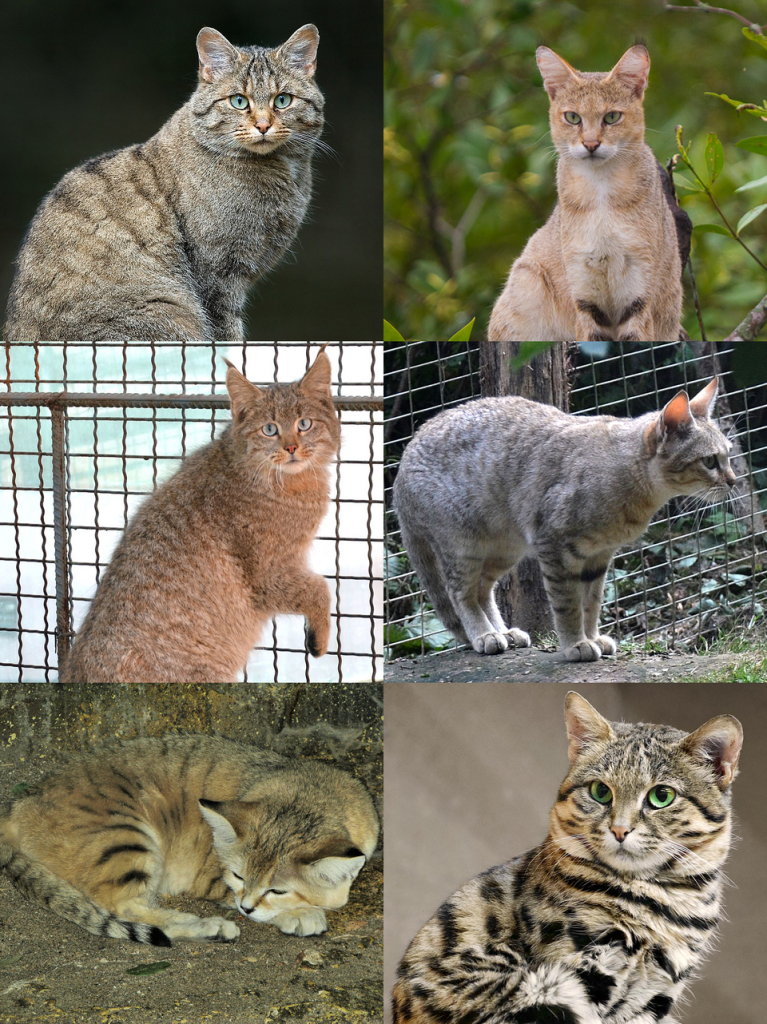
Have you ever wondered if a cat is a species on its own? You might think it’s a simple question, but the answer can surprise you.
Understanding what makes a cat a species helps you see these furry friends in a whole new light. By the end of this article, you’ll know exactly how cats fit into the animal kingdom and why it matters to your love for them.
Keep reading, and get ready to discover fascinating facts about cats that will change the way you look at your pet forever.
Cat Taxonomy
Cats belong to a group of animals studied in biology called taxonomy. Taxonomy helps us understand how cats relate to other animals.
This guide explains the family, genus, species, and subspecies of cats. It shows how cats fit in the natural world.
Family And Genus
Cats are part of the family Felidae. This family includes all wild and domestic cats. The family groups animals with similar traits.
The genus for most cats is Felis. This genus includes smaller cats like the domestic cat. Big cats like lions belong to other genera.
- Family:Felidae
- Genus:Felis (for small cats)
- Other genera:Panthera (big cats like lions, tigers)
Species And Subspecies
The common domestic cat’s species is Felis catus. Species are groups of animals that can breed and have young.
Within species, there are subspecies. These are animals that look alike but live in different places or have small differences.
| Taxonomy Level | Example |
| Species | Felis catus |
| Subspecies | Felis catus lybica (African wildcat) |
| Subspecies | Felis catus domesticus (domestic cat) |
Domestic Cat Origins
Domestic cats are common pets worldwide. They live closely with humans.
Understanding where cats come from helps us learn about their nature.
Wild Ancestors
Domestic cats come from wild cats called Felis silvestris lybica. These wildcats live in Africa and the Middle East.
They are small, solitary hunters. They look like today’s house cats but live in the wild.
- Wildcats are skilled hunters
- They eat small animals and birds
- They are mostly active at night
Domestication Process
Humans started domesticating cats about 9,000 years ago. Early farmers welcomed cats to control pests.
Cats adapted to live with humans. They became less wild and more social over time.
- Cats helped protect food from rodents
- Humans provided food and shelter
- This mutual benefit led to domestication
Wild Cats Vs. Domestic Cats
Cats belong to the same family, but not all cats are the same. Wild cats live in nature. Domestic cats live with people.
They have many differences in how they look and behave. These differences help them survive in their environments.
Physical Differences
Wild cats are usually bigger than domestic cats. Their bodies are strong to hunt and protect themselves.
Domestic cats are smaller and lighter. They have softer fur and different colors due to breeding by humans.
- Wild cats have sharp, long claws for hunting.
- Domestic cats have shorter claws that they use less often.
- Wild cats have larger teeth for biting prey.
- Domestic cats have smaller teeth suited for eating cat food.
- Wild cats’ eyes often reflect light for night vision.
- Domestic cats also have good night vision but less intense.
Behavioral Traits
Wild cats are shy and avoid humans. They hunt alone and mark large territories.
Domestic cats are social with people. They like to play and live in smaller areas.
- Wild cats hunt for food every day.
- Domestic cats eat food given by owners.
- Wild cats are active mostly at night.
- Domestic cats may be active day or night.
- Wild cats use strong vocal sounds to warn others.
- Domestic cats meow to communicate with humans.

Credit: www.thewildlifediaries.com
Scientific Classification Criteria
Scientists classify cats based on clear rules. These rules help decide if cats belong to one species.
Classification looks at how cats live, breed, and share genes. It helps us understand their place in nature.
Biological Species Concept
The biological species concept defines species by their ability to mate. Cats that can breed and have fertile babies belong to the same species.
Wild cats and domestic cats can breed. This shows they are part of the same species in this concept.
- Species are groups that can reproduce together
- Offspring must be able to have babies too
- Reproductive isolation means different species
Genetic Studies
Genetic studies compare DNA to find how close cats are. Scientists look at genes to see species differences.
DNA shows domestic cats share many genes with wild cats. This supports that cats belong to one species group.
- DNA helps identify species relationships
- Genetic similarity means same species
- Big DNA differences show separate species
Common Misconceptions
Many people think that cats are just one single species. This idea is not exactly right. There is more to cats than just one kind.
This article clears up common misunderstandings about cats and their classification.
Cat As A Single Species
People often call all cats “cats” as if they belong to one species. The domestic cat is one species called Felis catus.
Felis catus is the species of cats that live with humans. It is not the only cat species in the world.
Feline Diversity
Felines include many species, not just the domestic cat. Big cats like lions, tigers, and leopards are also felines.
All these animals belong to the Felidae family but are different species with unique traits.
- Domestic cat (Felis catus)
- Lion (Panthera leo)
- Tiger (Panthera tigris)
- Leopard (Panthera pardus)
- Cougar (Puma concolor)
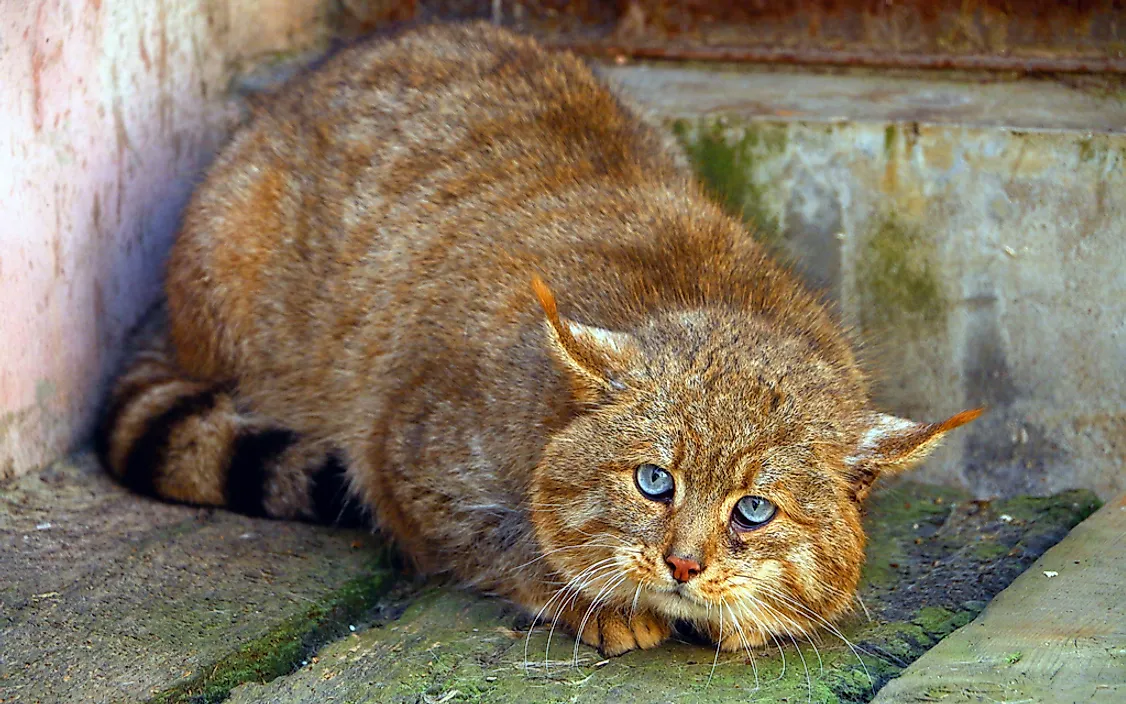
Credit: www.worldatlas.com
Feline Family Tree
Cats belong to the Felidae family, which includes many wild and domestic species. This family is split into different groups based on size and behavior.
Understanding the feline family tree helps us see how big cats, small cats, and domestic cats are related. Each group shares common traits but also has unique features.
Big Cats
Big cats are the largest members of the feline family. They include lions, tigers, leopards, and jaguars. These cats are strong and powerful hunters.
Big cats have sharp claws and teeth. They are usually solitary animals and live in large territories. Most big cats roar to communicate.
- Lion
- Tiger
- Leopard
- Jaguar
- Snow Leopard
- Cougar (Mountain Lion)
Small Cats
Small cats are smaller than big cats but still wild. They include species like the caracal, ocelot, and serval. These cats are agile and hunt small prey.
Small cats often have spots or stripes on their fur. They live in forests, grasslands, and deserts. Many small cats are good climbers and swimmers.
- Caracal
- Ocelot
- Serval
- Fishing Cat
- Bobcat
- Margay
Domestic Cats’ Place
Domestic cats come from small wild cats. They belong to the species Felis catus. These cats live with humans as pets or farm helpers.
Domestic cats share traits with small wild cats. They are usually smaller, friendly, and adapt well to homes. They use purring to show comfort.
- Species: Felis catus
- Originated from wildcats in the Middle East
- Domesticated about 9,000 years ago
- Commonly kept as pets worldwide
- Help control pests like mice and rats
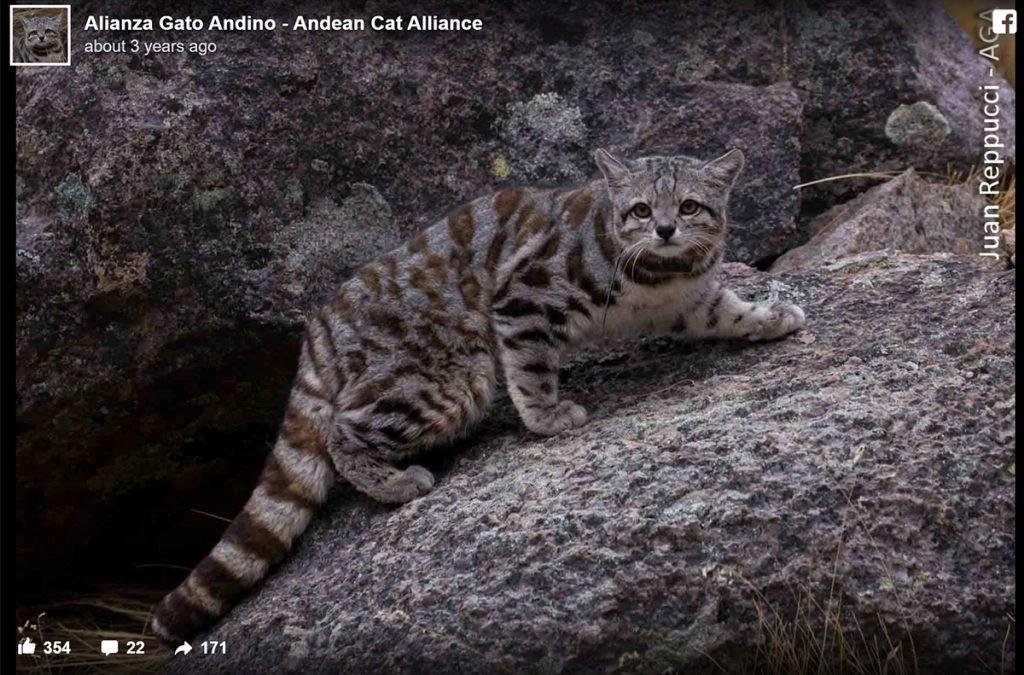
Credit: www.thewildlifediaries.com
Frequently Asked Questions
What Is A Species In Biology?
A species is a group of organisms capable of interbreeding and producing fertile offspring. They share common characteristics and genetic makeup. In biology, species classification helps in understanding biodiversity. It’s a fundamental unit in taxonomy, helping scientists categorize and study living organisms systematically.
Are Cats A Single Species?
Yes, domestic cats belong to the species Felis catus. Despite variations in breeds, they share common genetic traits. This species classification allows them to interbreed successfully. They are part of the family Felidae, which includes other wild cats. Domestic cats have adapted over time to live with humans.
How Do Cats Differ From Other Felidae Members?
Cats differ from other Felidae members mainly in size and behavior. Domestic cats are smaller and typically less aggressive. Unlike many wild cats, they have been domesticated and adapted to human environments. Their hunting skills and playful nature remain, but they are more social with humans.
Why Is Cat Classification Important?
Classifying cats helps in understanding their behavior, health, and evolution. It aids in conservation efforts for wild relatives. Knowing their species can guide veterinary care and breeding practices. It also helps in studying their adaptations and interactions with humans and other animals.
Conclusion
Cats belong to the animal family called Felidae. They are not a single species but include many species. Each cat species has its own traits and habitats. Domestic cats are one species among many wild relatives. Understanding this helps appreciate cats better.
They are diverse and fascinating creatures. Knowing their classification can deepen your love for cats. Every cat, big or small, shares a common ancestry. This makes the world of cats rich and interesting.